

-
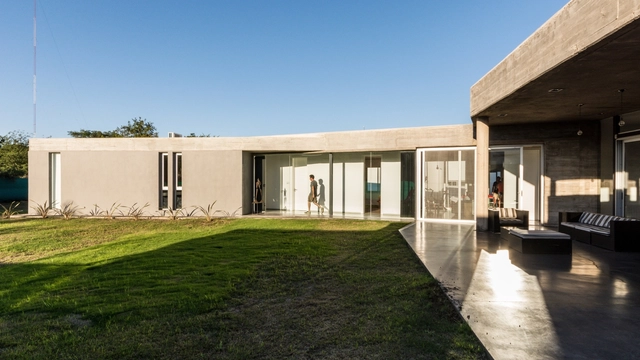
Architects: Adolfo Mondejar Estudio de Arquitectos
- Area: 347 m²
- Year: 2018
-
Manufacturers: ANODAL, Arcaduz, Ferrocons, Jonshon, Peusso iluminar

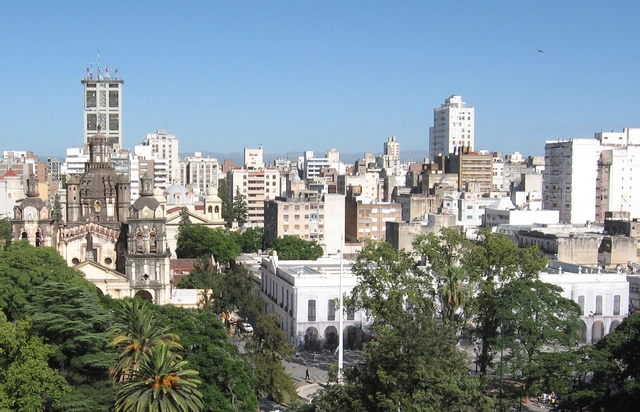
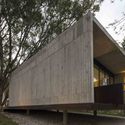
Located in the central region of Argentina, the historic city of Córdoba is the second most populated city in the country; which means it can be considered an important center for culture, education, and finance. Its dense historic center is characterized by the presence of brick -a product of the work of Togo Díaz- and the particular landscape that links the urban with the natural, resulting in an exclusive atmosphere that invites us to walk its streets.
The characteristic culture of Córdoba is evident in its urban public spaces, its natural streams and its pedestrian areas; where one can appreciate the heterogeneity of classical, modern and contemporary architecture. Below is a list of 15 sites that every architect should visit.

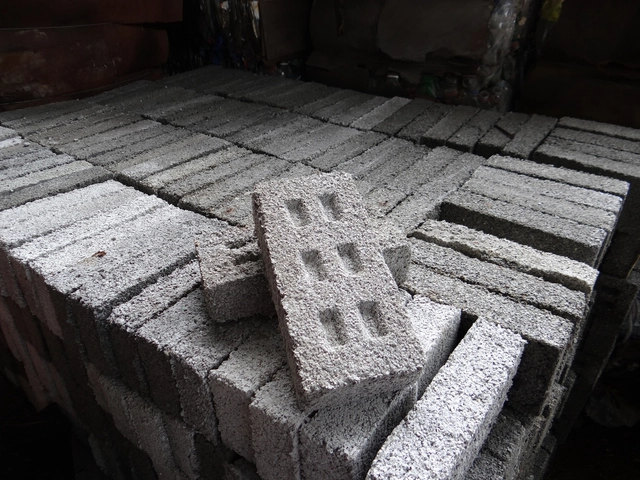
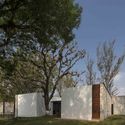
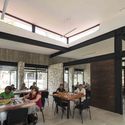
The Fundación EcoInclusión - winner of the first prize in the regional competition Google.org Challenge - is an Argentine non-profit organization that was born in 2015, from the hands of a group of young people that promote the construction of a fairer, equitable and sustainable society.
Located in the Alta Gracia city, province of Córdoba, Ecoinclusión works in the reduction of PET bottles waste with the production of bricks made of plastic residues destined to the construction in vulnerable sectors, with the aim of generating environmental and social impact and cultural participation in the communities.



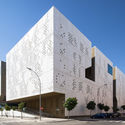
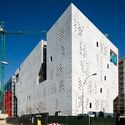
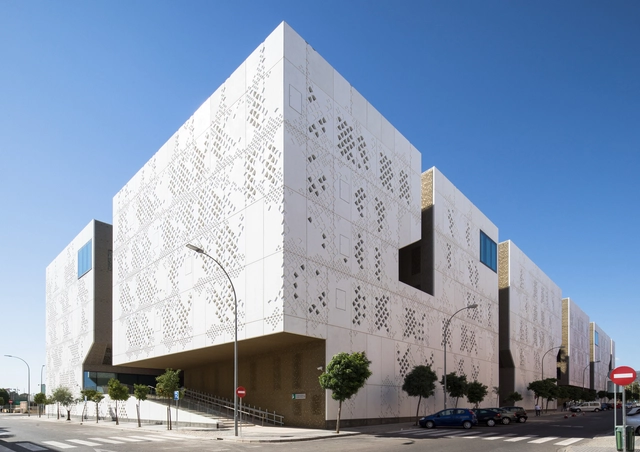
CBack in 2006, the team of Mecanoo and Ayesa placed first in an international competition with its winning proposal for a perforated courthouse in Córdoba, combining the area’s historical character with a modern twist. Now, after almost a decade, the Palace of Justice is set for completion later this year, having broken ground in 2015.
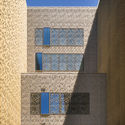
Inspired by Córdoba’s Moorish origins, the design balances a contemporary concrete mass with traditional exterior courtyard spaces; a reflection of the plan of the old city. These are faced by colored ceramic tiles, which break the façade’s uniformity.
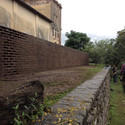
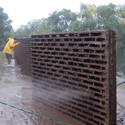
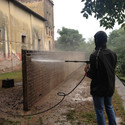
Using concrete and bricks made of raw mud, architects Solanito Benitez, Solano Benitez, Gloria Cabral, Maria Rovea and Ricardo Sargiotti built a wall able to be constructed by the two materials working in tandem. Once the concrete dries, the bricks are washed away, returning the mud back to its natural state, leaving spaces in the lines of concrete, like a kind of negative.
This artistic intervention arose from an invitation to participate in an art exhibition in Unquillo MUVA, Cordoba, Argentina from April 11 to May 3, 2014.
More information and images below.