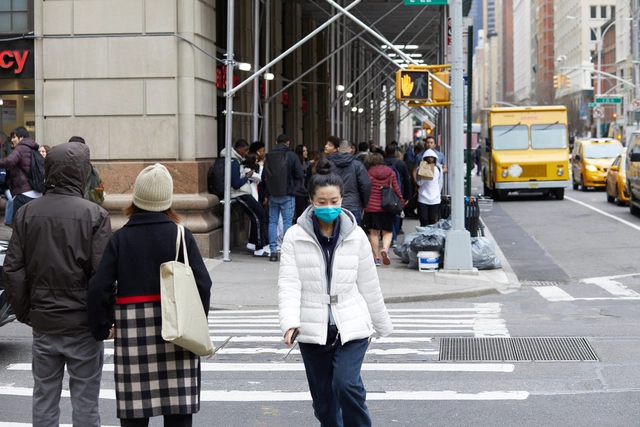
New York, NY / USA - March 12, 2020. Image via Shutterstock/ By hector de jesus
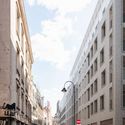
As social distancing becomes the new norm in the fight against COVID-19, people are finding it harder to keep up with the six-foot rule in dense cities. Urban Planner Meli Harvey developed a map of New York that shows the width of sidewalks in the city, aiming to highlight public areas where social distancing can be maintained.
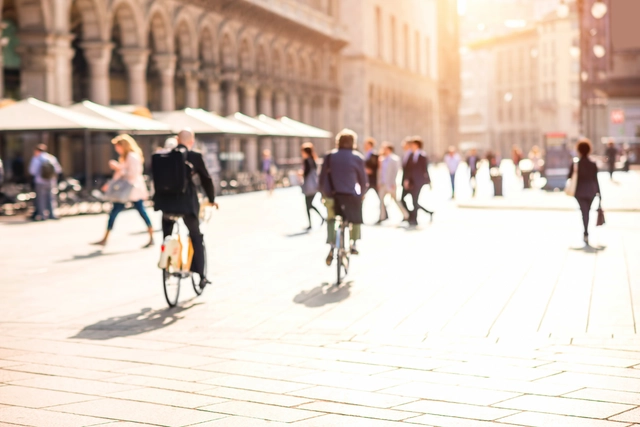
The city of Milan has announced its Strade Aperte plan or “Open streets” plan that favors pedestrians and cyclists over cars. In order to reduce car usage, the Lombardy area will repurpose 35km of roads, over the summer, after the coronavirus lockdown, transforming them into people-friendly streets.
Yesterday, on the 20th of April, we passed the cap of 111 days of the pandemic. During this time, we’ve been busy fighting in supermarket aisles over toilet paper in Australia, lining up for marijuana purchases in Amsterdam and boosting gun demand in the USA. We are conscious none of those will help in fighting the virus, but we do it, nonetheless. Beyond the bizarre human psyche, this pandemic unveils interesting trends that will, whether we like it or not, impact on Architecture and Cities.
https://www.archdaily.com/937928/introducing-an-illustrated-series-architecture-and-cities-post-virusZaheer Allam, Gaetan Siew and Felix Fokoua
Hashim Sarkis, the curator of the 17th International Architecture Exhibition organized by La Biennale di Venezia, launched a striking visionary theme at the beginning of this year: “How will we live together?”. This fundamental question finally transcends all disciplines and opens an existential portal for humanity. It does not refer only to humans but all species, the nonhuman organisms as well.
From Wuhan to New York, the epicenter of the coronavirus is moving from east to west and leaving a staggering number of corpses behind. We read of alarming reports, contradictory news, and reminded every day that we live in unprecedented and difficult times. One good news, however: emissions in cities are on the decline, and nature is running its regenerative course. But how long will this last?
Design and the City is a podcast by reSITE, raising questions and proposing solutions for the city of the future. In the seventh episode, Christopher Cabaldon, the longest-serving mayor in West Sacramento’s history, an LGBTQ+advocate, talks about the urban regeneration of his city, from a former industrial town to an urbanized, livable community.
For nations worldwide, the course of action to fight the spread and effects of coronavirus COVID-19 has been to implement quarantines; restricting the movement of the general population while isolating people infected by the disease, albeit indefinitely. The result: both public and private spaces have closed in a bid to curb the number of new cases. At the same time, the rising number of deaths has added to both social and economic uncertainty, with people across the globe asking "how are we going to work?" or, better yet, "how are we supposed to eat?"
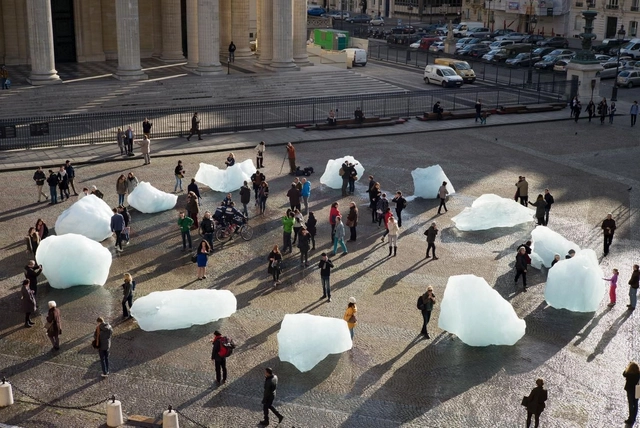
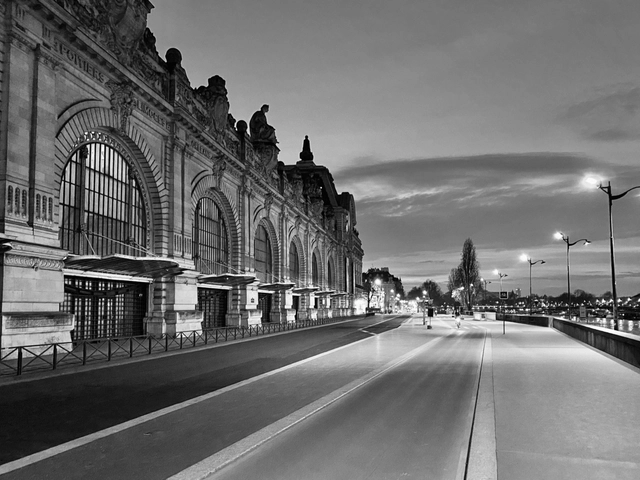
The COVID-19 pandemic has reshaped urban life, and so too has it left many streets and buildings empty as people practice social distancing. From Times Square to the Place de la Concorde in Paris, photographers are capturing these "empty cities" in a defining moment across the globe. In turn, The New York Times recently published a piece dubbed "The Great Empty", showcasing a new side to urban life in these structures and streets. Now five photographers have been commissioned to photograph Rotterdam during the pandemic.
Design and the City is a podcast by reSITE, raising questions and proposing solutions for the city of the future. In the sixth episode, Marianthi Tatari, Associate Director and Senior Architect at UNStudio, talks about creating inclusive spaces to connect people and generating 24/7 activity within their projects.
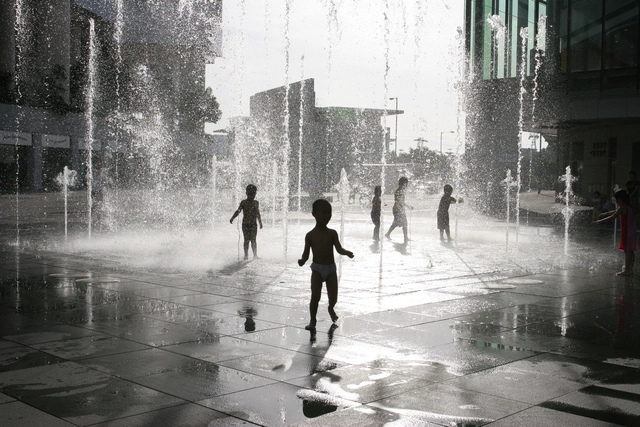
via Cities for Play. Designing Child Friendly High Density Neighbourhoods
'Cities for Play' is a project whose main objective is to inspire architects and urban planners to create stimulating, respectful, and accessible cities for children.
Natalia Krysiak, its creator, is an Australian architect who believes that children's needs should be placed at the center of urban design to ensure resilient and sustainable communities. In 2017, she produced 'Cities for Play,' studying examples of cities that are concerned with providing environments that are capable of promoting the health and well-being – physical and emotional – of children through a focus on play and "active mobility” in public spaces.
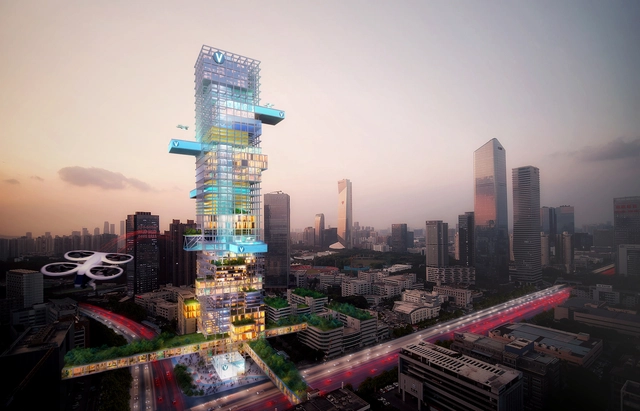
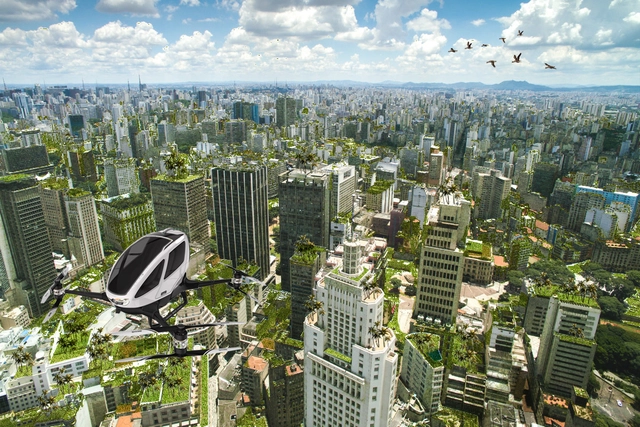
MVRDV in collaboration with Airbus, Bauhaus Luftfahrt, ETH Zurich, and Systra, is developing a plan for the future of Urban Air Mobility (UAM). The investigation tackles the integration of “flying vehicles” into our urban environments and envisions a comprehensive mobility concept.
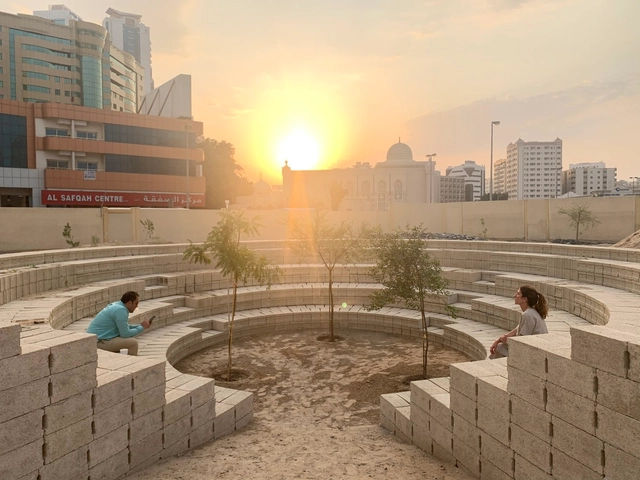
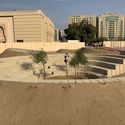
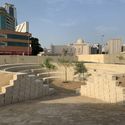
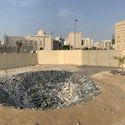
Entitled Becoming Xerophile, Cooking Sections and AKT II have developed a zero-water desert garden, part of the first Sharjah Architecture Triennial in UAE, curated by Adrian Lahoud. The installation explores the introduction of desert landscapes in the urban fabric of the city and everyday life.
This contest aims to present 24-hour architectural responses to the problems affecting cities today and consecutively the world, with a very strong focus on sustainable and environmentally friendly measures.
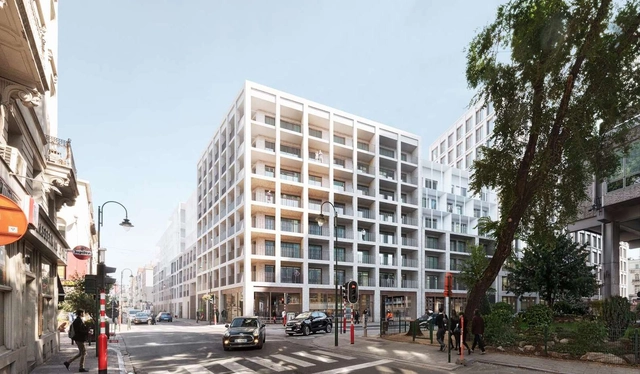
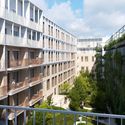
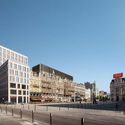
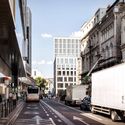
Henning Larsen has unveiled its vision for Brouck’R, a city block transformation project facing Brussels’ busy Place de Brouckère. Inspired by traditional and contemporary heritage, the proposal generates a 21st-century, vibrant, mixed-use destination in the city center.
Videos
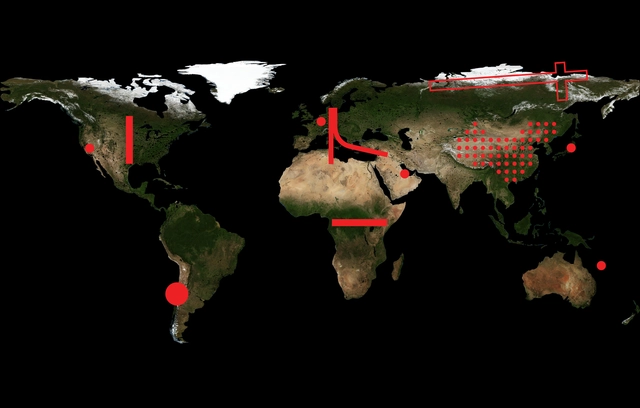
AMO’s selection of unique and highly specific conditions distributed over the globe serves as a framework for their research and represents where the world is headed.. Image Courtesy of OMA
Opening in February 2020, the Solomon R. Guggenheim Museum is showcasing an exhibition by Rem Koolhaas and AMO, the think tank of the Office for Metropolitan Architecture (OMA). Entitled Countryside, The Future the exhibition seeks to investigate urgent environmental, political, and socioeconomic transformations in the nonurban areas.
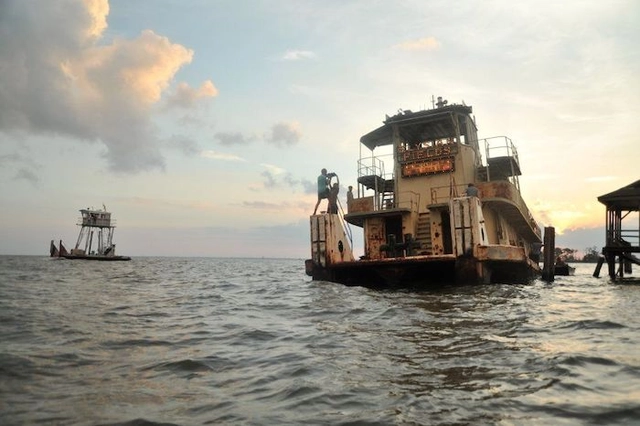
Beasts of the Southern Wild. Image: screenshot do filme
Architecture enjoys a close connection with moving picture, perhaps because of the limitless imagination it allows. Our mind can be taken far away to utopian worlds where we live different realities with our eyes and skin; movies can carry us to new and distant places, where we face new unusual realities.
However, besides carrying us to distant places, movies can also be a vehicle of social criticism. This is not news, as it has been done for almost as long as cinema has existed. The evolution of this role is relative to the topic of critique that has developed over time, as have our habits and ways of living. In this sense, one of the most emerging problematic of nowadays is climate change.from architecture to arts and, clearly, the movies.
Studying the data that indicates a climate crisis that has been affecting the whole planet for the last decades, the reactionary attitudes may sound disappointing. However, at the same time that the news indicates a global average temperature rise, the political focus on the climate crisis is also intensified, according to the UN Environment report released in 2019, which is a reflection not only of the occurrence of manifestations and protests around the world but also of the so-called activist art expression.





JakubCervenka_1_(481_of_589).jpg?1585311385&format=webp&width=640&height=580)


JakubCervenka_1_(481_of_589).jpg?1585311385)
JakubCervenkai_1_(131_of_589).jpg?1584354067 "© Jakub Cervenkai")
TomasPrinc-265.jpg?1584353916 "© Tomas Princ")