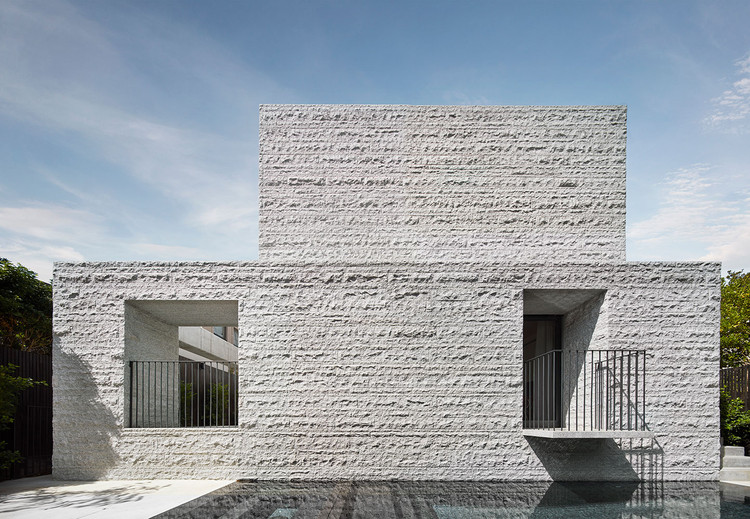
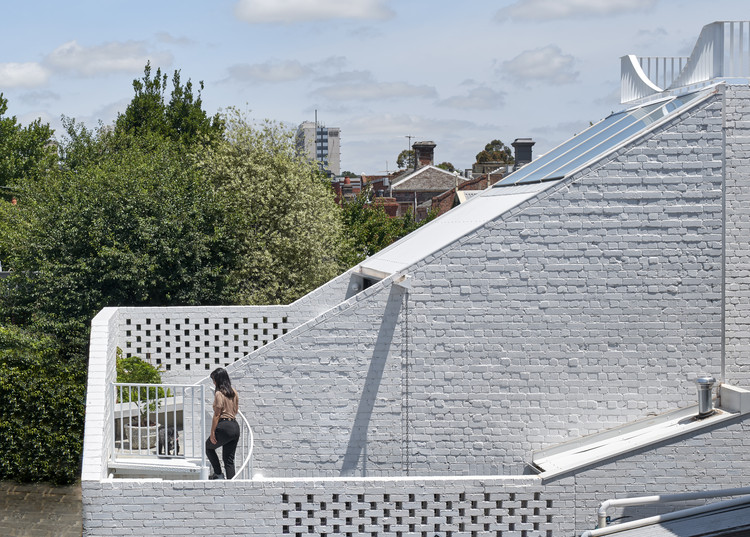
-
Architects: Bates Smart
- Area: 27000 m²
- Year: 2020
-
Manufacturers: Kone, RC+D
-
Professionals: Marshall Day Acoustics, WSP Group, Urbis, Inhabit Australasia P/L, MEL Consultants, +2
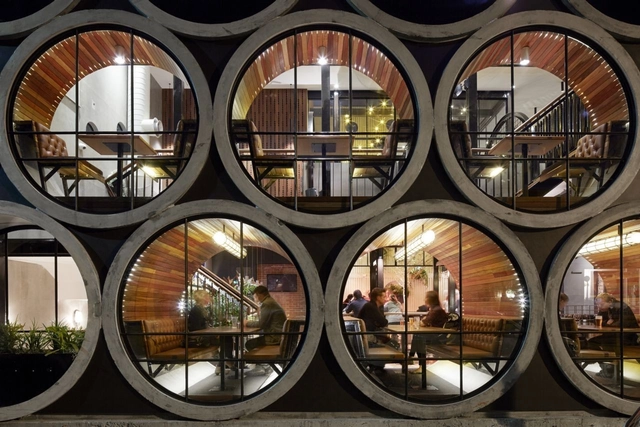
Urban infrastructures provide comfort to inhabitants and mitigate the risks of disasters such as flooding. Underground systems specifically conceal urban infrastructures from public view and are configured as real mazes under the streets. The distribution of drinking water, urban drainage, sewage, and even electrical wiring and fiber optics in some cases, pass under our feet without us noticing. To this end, the industry developed precast concrete parts for about 100 years that provided construction speed, adequate resistance to force, and durability against time. Concrete pipes with circular sections, in many diverse diameters, are perhaps the most used conduits and are ubiquitous around the world. But there are also those who use these apparently functional elements in creative architectural contexts as well.
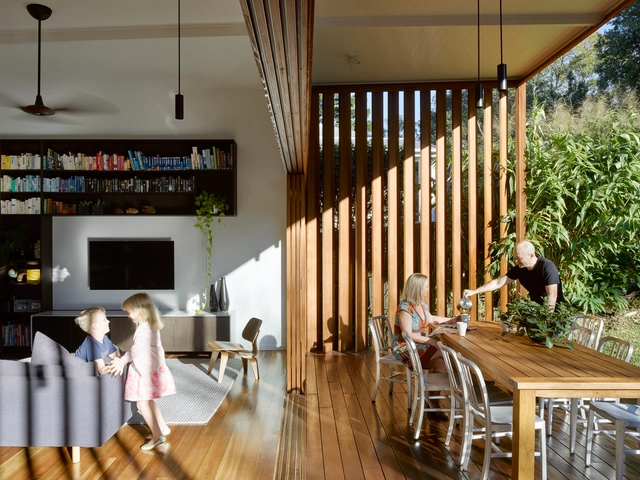
In dystopian films, it is a common trope to depict the sky as filled with a thick fog, blocking the sun's rays and bringing a dark atmosphere to the scenes. Whether in Blade Runner or in a Black Mirror episode, the lack of sun commonly represents a future we would rather not live in. The sun provides heat to planet Earth and is a great source of light energy, essential for the survival of many living creatures. We can generate electricity from the sun and still use only a fraction of the energy it provides. Sunlight also regulates our circadian cycle, which affects our mood. But recent forest fires and industrial pollution in some large cities have already made the dystopian blockage of sun a relatively common phenomenon, depriving hours of sunshine from many inhabitants. Concurrently, with the COVID-19 pandemic, we are living a plot that few science fiction writers could have predicted, and new technologies and solutions have emerged to try to contain the spread of this invisible enemy. Can the sun, or specifically ultraviolet radiation, kill viruses and bacteria? Could it kill the coronavirus?

In a predominately urban world that constantly has to deal with complex problems such as waste generation, water scarcity, natural disasters, air pollution, and even the spread of disease, it is impossible to ignore the impact of human activity on the environment. Climate change is one of the greatest challenges of our time and it is urgent that we find ways to slow down the process, at the very least. Toward this end, our production, consumption, and construction habits will have to change, or climate change and environmental degradation will continue to diminish the quality and duration of our lives and that of future generations.
Although they seem intangible and distant, these various energy inefficiencies and waste issues are much closer than we can imagine, present in the buildings we use on a daily basis. As architects, this problem is further amplified as we deal daily with design decisions and material specifications. In other words, our decisions really do have a global impact. How can we use design to create a healthier future for our world?

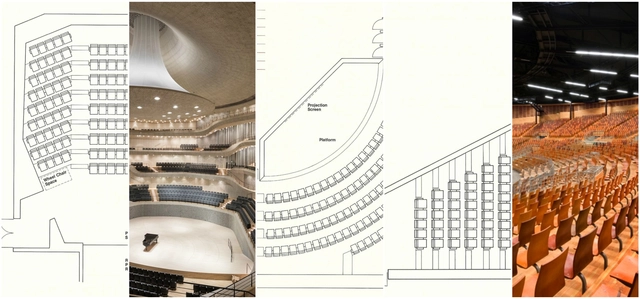
Audience sightlines, accessibility and acoustics all make theater seating a hugely precise art. As part of their set of online resources for architects and designers, the team at Theatre Solutions Inc (TSI) have put together a catalog of 21 examples of theater seating layouts. Each layout is well detailed, with information on the number of seats, the floor seating area and row spacing. These layouts fall under three general forms; to supplement this information, alongside TSI's diagrams we've included the pros and cons of each type, as well as examples of projects which use each format. Read on for more.





.jpg?1584402646&format=webp&width=230&height=230&crop=true)
.jpg?1584401314&format=webp&width=230&height=230&crop=true)