Although the ability to install home automation in a practical way is associated with new projects, it is possible to adapt previously built buildings in a relatively simple way. In both small and large renovations projects these systems can deliver automated features that responds to the requirements and needs of its users. They can also improve the habitability and comfort of its spaces, increase their security and promote long-term energy and money savings. So, what considerations must be taken into account in order to transform an regular architecture project into an "intelligent" one?
The Architectural League of New York has announced the winners of it's 2019 Emerging Voices, an award given annually to eight individuals/practices based in the US, Canada, or Mexico. The Emerging Voices program, which is now in its 37th year, seeks to spotlight the distinctive design voices with the potential to influence the field of architecture.
The Emerging Voices award program has long been considered one of the most prestigious in North American architecture; a large portion of the 250 awarded practices are now well-known internationally.
https://www.archdaily.com/910879/architectural-league-of-new-york-announce-winners-of-the-2019-emerging-voices-programKatherine Allen
The year 2018 has been filled with achievements and surprises for the architectural community. As the year draws to a close, we reflect on the crucial role competitions play in reinforcing the global image of each region or country. Mexico was no exception, securing nearly 18 international recognitions (including grants, competitions, nominations, etc.) that showcased its key interests and goals for the coming years to the rest of the world. This selection highlights the prominent participation of Mexican architects Frida Escobedo and Rozana Montiel—both invited and recognized on multiple occasions at some of the industry's most prestigious events—as well as outstanding projects like the Teopanzolco Cultural Center by Isaac Broid + Productora, which received several national and international awards.
Mexico is a country known globally for its traditional and contemporary architectural elements. The construction techniques characteristic of each region and the use of materials according to thermic, economic, or aesthetic needs result in unique spaces.
CEMEX has announced the Mexican winners of the 2018 CEMEX Building Award across its various categories, including Affordable Housing, Residential Housing, Building, Collective Space, and Infrastructure. This year's winners include projects from across Mexico, with each entry evaluated on comprehensive sustainability, architectural solution, structural solution, and construction process. Read on to discover the winning projects of this edition.
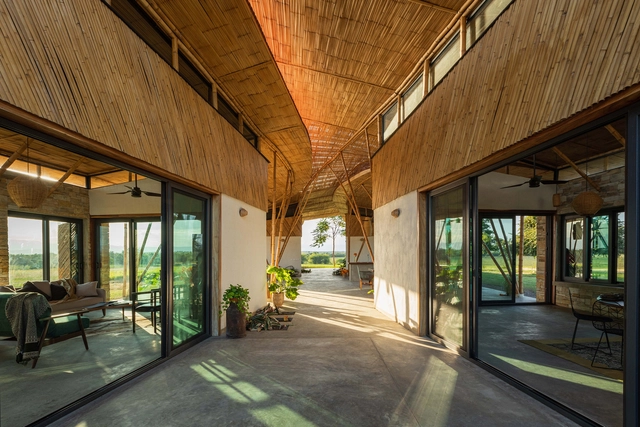
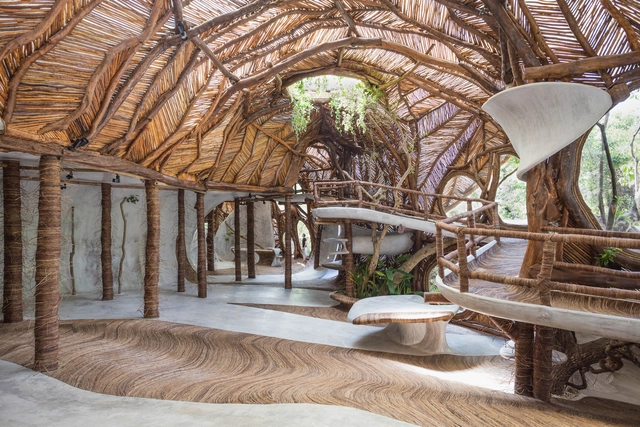
Wood has been an indispensable material in the history of civilization. Different regions from around the world have used it for specific climatic conditions. Mexico, as we have mentioned on several occasions, is an extensive country where different climates, resources and ways of life fit. Therefore the application of wood in architecture has been developed in a number of ways, from its structural use to produce roofs for Mayan huts to projects that seek to revive vernacular architecture.
While the handling of this material is difficult due to its specific detail management, it presents a multitude of benefits from its aesthetic appeal, air circulation, and even smell. Take a look at 16 Mexican projects that use wood in wondrous ways.
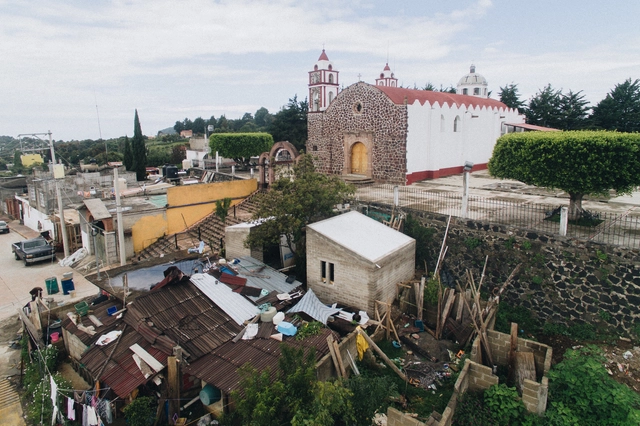
Exactly one year ago, a 7.1 magnitude earthquake shook at least nine Mexican states, leaving several areas severely damaged across Mexico City, Puebla, Morelos, Oaxaca, Veracruz, Tlaxcala, Guerrero, and the State of Mexico. Twelve months have passed in a constant struggle to rebuild from the remnants of that nightmare. Yet in those flooded streets, hope was reborn day by day through a social phenomenon that catalyzed vibrant, self-organizing communities rising to rebuild the structures that define us.
Undeniably, 19S represented a pivotal moment, reminding us of our fragility but also of how strong we can be when we work together. It underscored the importance of being physically present on the ground and engaging in dialogue to find appropriate solutions for local communities. It forced us to rethink the mechanics of cities and their peripheries, but above all, it forced us to rethink our practice as architects. We gained a stark understanding of how national politics and power operate; a genuine critique emerged, exposing the fractures left by corruption and our lack of preparation for natural disasters. 19S was, among many other things, a reminder of where we stand and our duty as inhabitants of this territory.
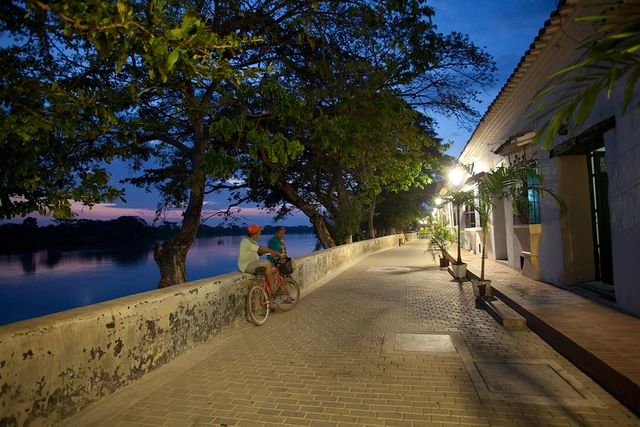
The landscape master plan to revitalize the western bank of the Magdalena River in Mompox—a Colombian city declared a UNESCO World Heritage Site—is the winner of the III Latin American Biennial of Landscape Architecture (BLAP).
Designed by the Colombian firm OPUS, the Revitalization of the Albarrada de Mompox is the grand prize winner of the competition organized by the Mexican Society of Landscape Architects (SAPM). The biennial also recognized works, proposals, and publications in Mexico, Colombia, Argentina, and Chile across its six categories. Established in 2014, the BLAP seeks to highlight the role of landscape architecture in building habitats in Latin America, with a particular emphasis on the region's environmental and social challenges.
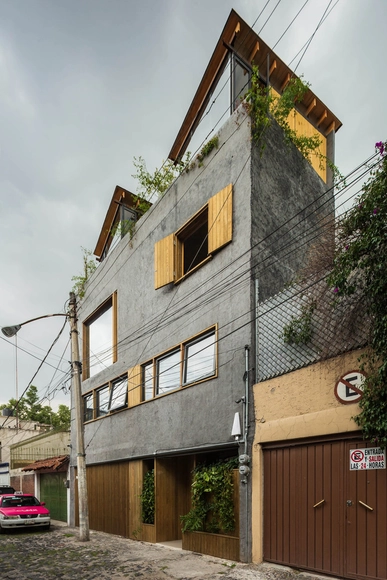
One of the most important factors to consider when designing is the climate of the site. This can create difficulties when it comes to extreme climates and it is necessary to use insulation materials that adapt to changing conditions. However, when discussing Mexico and its specific climate, this can be an opportunity for architects to create microclimates and spaces that blur the transition of interiors and exteriors.
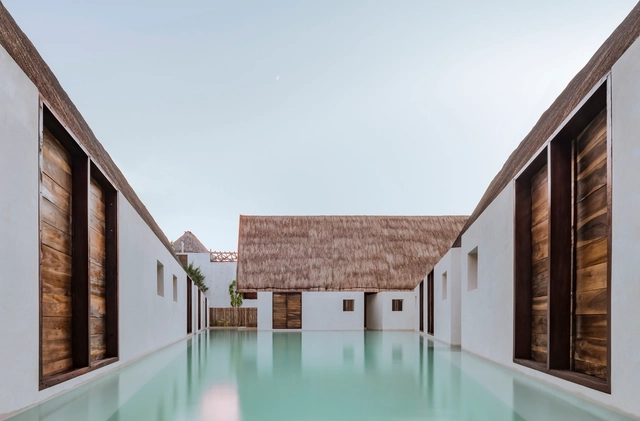
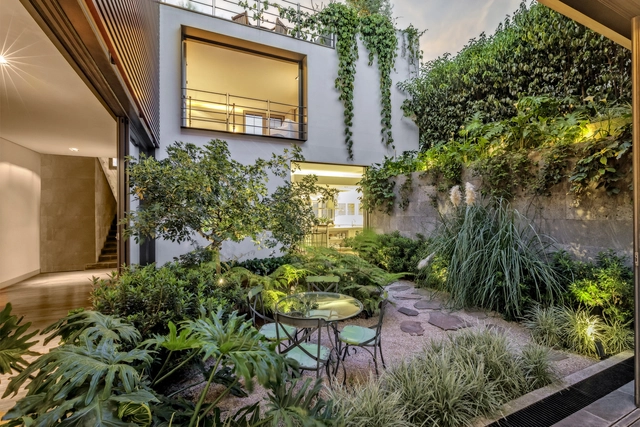
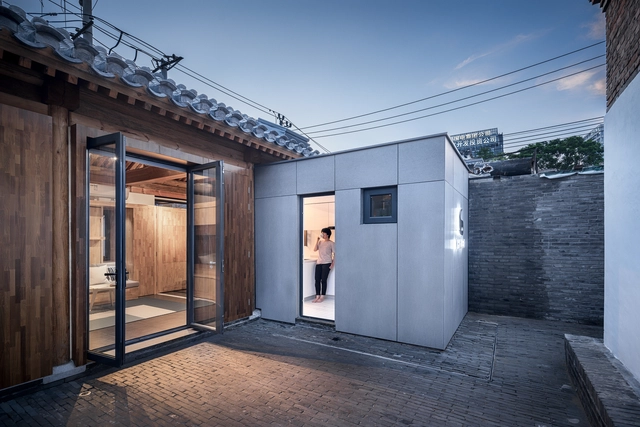
Patios have become a traditional element of design. They create interesting psychological effects that fuse the conception of the interior and exterior, the common and private. It is a way to bring sunlight and rain into the house, to open up paths and coexistences that do not occur in interiors. Below, a selection of projects in Mexico that use the patio as the main design resource.
Eleven years ago, ArchDaily was born with a mission in mind: to democratize architectural information around the world and empower our readers to foster inclusive discussions that positively transform our cities. By providing inspiration, knowledge, and tools to the architects currently facing the challenge of designing the future, we hope to help improve the quality of life of those who inhabit our world's urban centers.
At the ArchDaily Mexico offices, August 3rd is a special day:
_Eric_Laignel.jpg?1551969702&format=webp&width=230&height=230&crop=true)
_comp.jpg?1551969713&format=webp&width=230&height=230&crop=true)