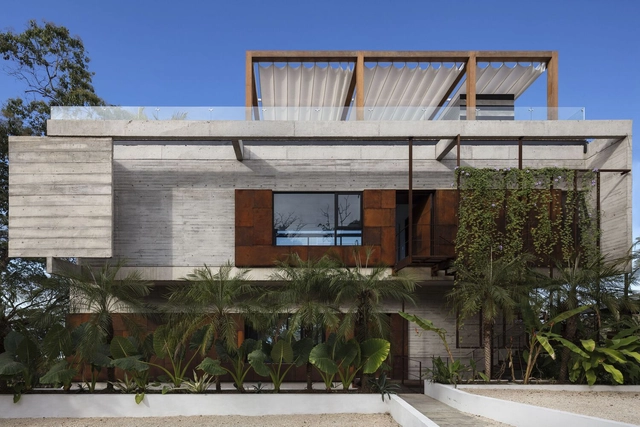
Guarumo House / VOID


https://www.archdaily.com/1006455/guarumo-house-voidPilar Caballero
EG House / Play Arquitetura
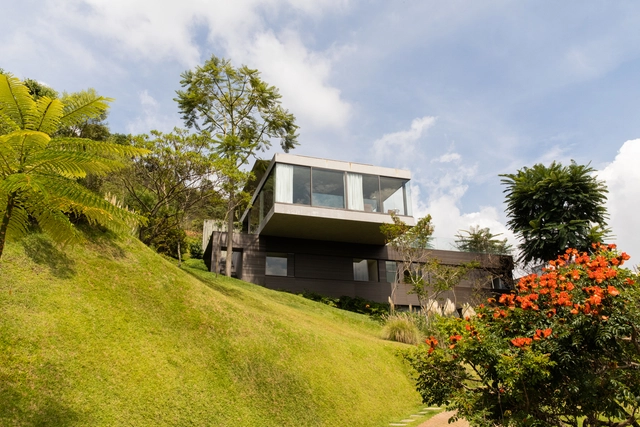


-
Architects: Play Arquitetura
- Area: 1020 m²
- Year: 2022
https://www.archdaily.com/1006170/eg-house-play-arquiteturaSusanna Moreira
Punta Cana House / Mareines Arquitetura + Patalano Arquitetura
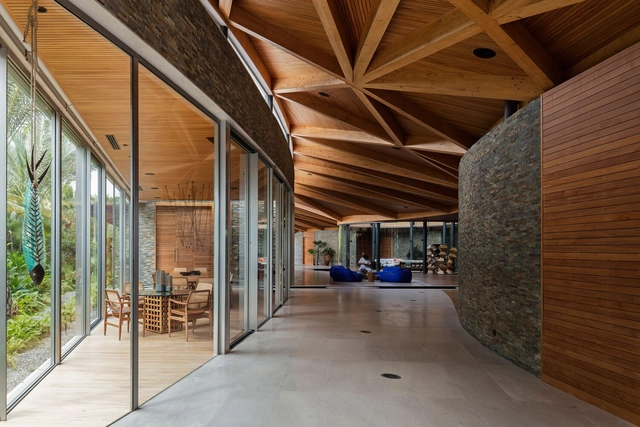


-
Architects: Mareines Arquitetura, Patalano Arquitetura
- Area: 1723 m²
- Year: 2017
https://www.archdaily.com/1005962/punta-cana-house-mareines-arquiteturaAndreas Luco
Zigzag House / Architectare
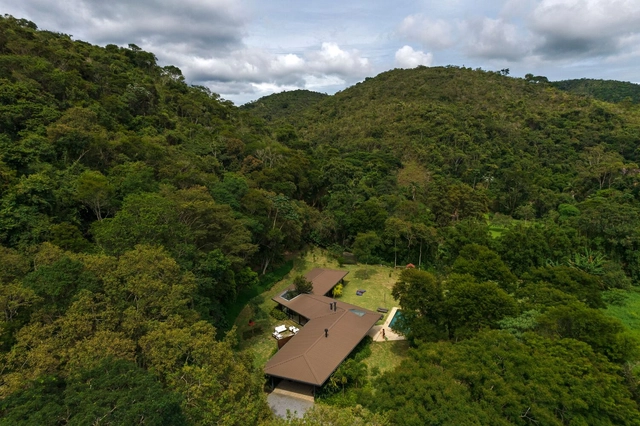


-
Architects: Architectare
- Area: 377 m²
- Year: 2019
-
Manufacturers: APS Esquadrias de Alumínio, Oficina do Ar, Pedra Cor Marmores e Granitos, Roma Mobili
https://www.archdaily.com/1004918/zigzag-house-architectareSusanna Moreira
Bauer House / Luiz Paulo Andrade Arquitetos
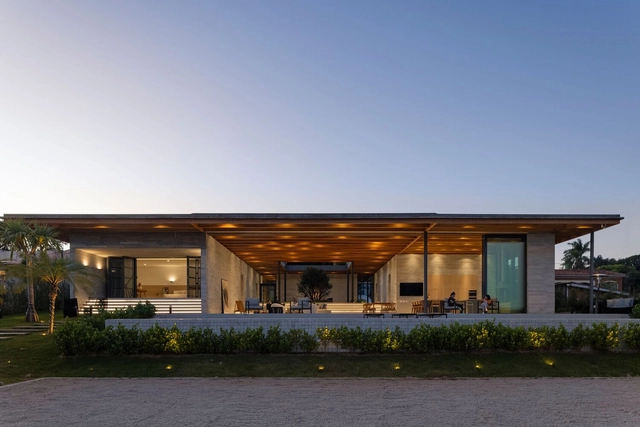


https://www.archdaily.com/1003631/bauer-house-luiz-paulo-andrade-arquitetosValeria Silva
Jurumirim House / Sergio Sampaio Archi + Tectônica
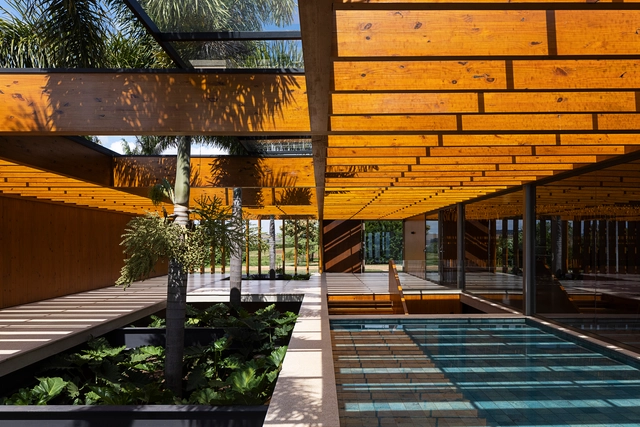


-
Architects: Sergio Sampaio Archi + Tectônica
- Area: 900 m²
- Year: 2022
https://www.archdaily.com/1003438/jurumirim-house-sergio-sampaio-arch-plus-tectonicaSusanna Moreira
Dolce Gusto Neo Flagship Store / Estudio Guto Requena
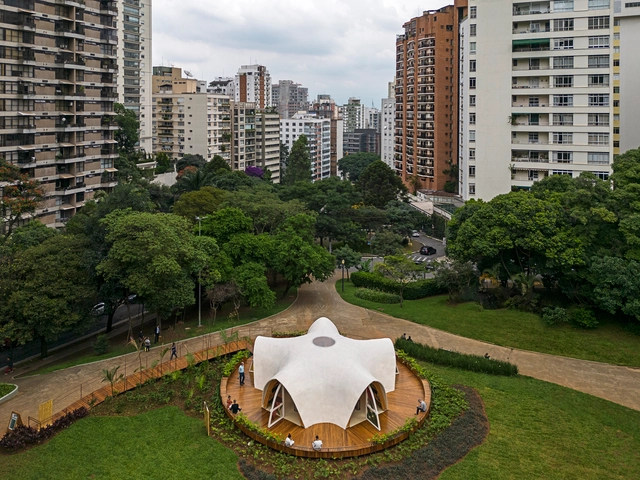


https://www.archdaily.com/1002526/dolce-gusto-neo-flagship-store-estudio-guto-requenaSusanna Moreira
Investing in People, Prioritizing Education: Architecture for Learning in Latin America
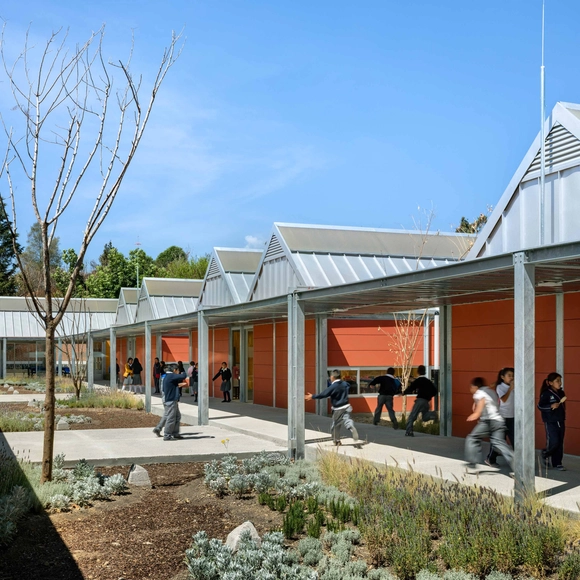
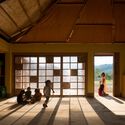
On January 24th, the fifth edition of the 'International Education Day' was celebrated under the slogan "Invest in people, prioritize education". Proclaimed by the United Nations General Assembly, it promotes a strong political mobilization seeking to chart the way and accelerate progress towards the 4th Sustainable Development Goal: Quality Education.


https://www.archdaily.com/995981/investing-in-people-prioritizing-education-architecture-for-learning-in-latin-americaFabian Dejtiar
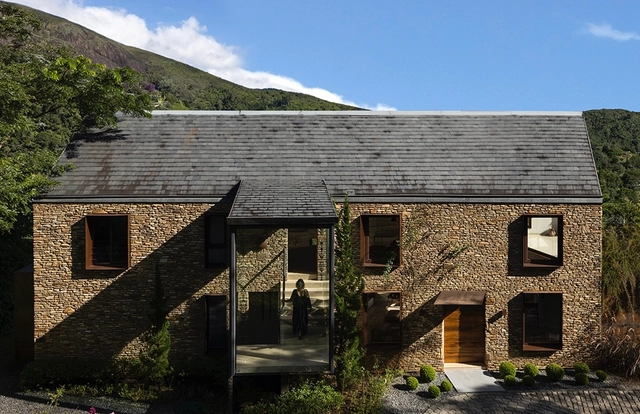
Stone House / Architectare


-
Architects: Architectare
- Area: 509 m²
- Year: 2019
-
Manufacturers: Ambient Air, Pedra Cor Marmores e Granitos, Sá Martins
https://www.archdaily.com/1002183/stone-house-architectarePilar Caballero
Concrete Wonders: 40 Impressive Details Using the Cement-Based Building Material
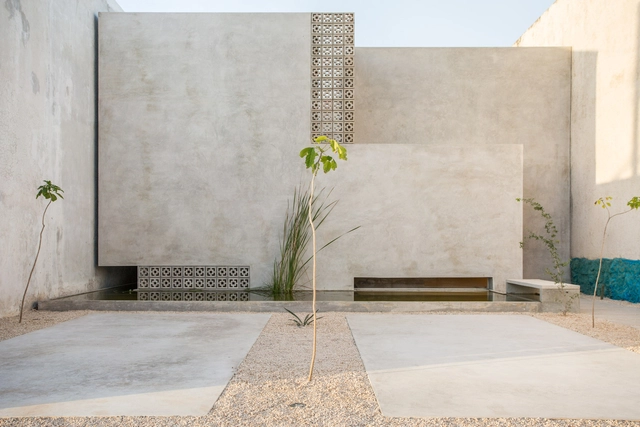
Due to its ability to mold and create different shapes, concrete is one of architecture's most popular materials. While one of its most common uses is as a humble foundation, its plasticity means that it is also used in almost all types of construction, from housing to museums, presenting a variety of details of work that deserves special attention.
Check out this collection of 40 projects that highlight the use of concrete. Impressive!
https://www.archdaily.com/798961/40-impressive-details-using-concreteFabian Dejtiar
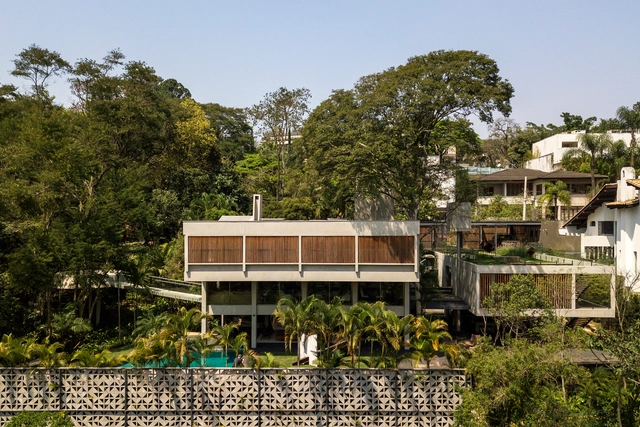
PLR House / André Becker


-
Architects: André Becker
- Area: 800 m²
- Year: 2021
-
Manufacturers: REKA, Tramontina
https://www.archdaily.com/998956/plr-house-andre-beckerAndreas Luco
Solar Energy in Latin American Architecture: How to Implement Solar Panels in Our Homes
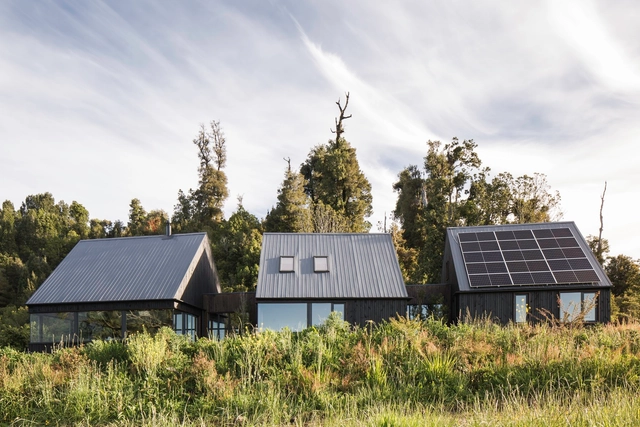
What design strategies or new technologies can be integrated into architectural design without compromising the environment? In recent years, renewable energy has been gaining significant momentum worldwide, and photovoltaic solar energy is one of many showing exponential growth.
https://www.archdaily.com/1136435/solar-energy-in-latin-american-architecture-how-to-implement-solar-panels-in-our-homesAgustina Iñiguez
Reducing Cost Without Sacrificing Quality: The Experience of Brazilian Office VAGA
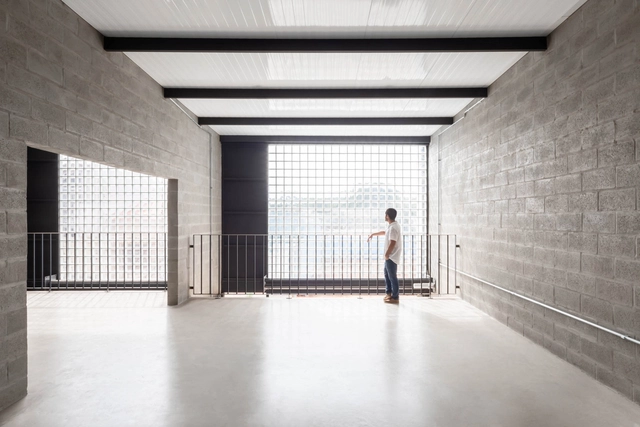
Starting from the first sketches of a project, it is essential that the project's design restrictions are well defined. This will guide the project, making it more suitable for its location, owners, and local conditions. Among common restrictions, keeping the project cost low is perhaps the most ubiquitous. We spoke with the VAGA team, an office based in São Paulo, about the challenges and possibilities that working with a tight budget imposes:
https://www.archdaily.com/960080/reducing-cost-without-sacrificing-quality-the-experience-of-brazilian-office-vagaEduardo Souza
What is Universal Design?
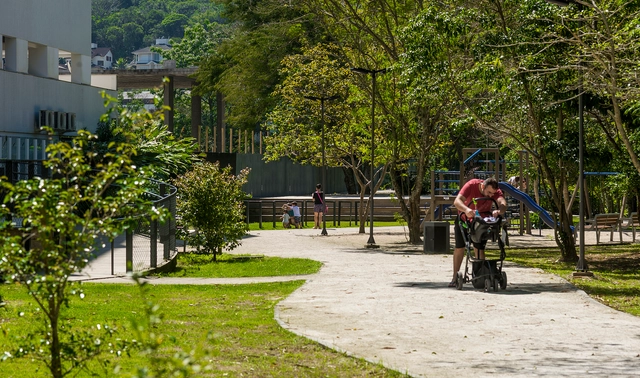
Created by the American architect Ron Mace in the 1980s, the concept of Universal Design deals with the perception of the projects and environments that we design and inhabit, considering the possibility of its use by different user profiles: from children to the elderly, including language limitations and people with disability or temporary limitations.


https://www.archdaily.com/994337/what-is-universal-designGiovana Martino
Best Houses of 2022
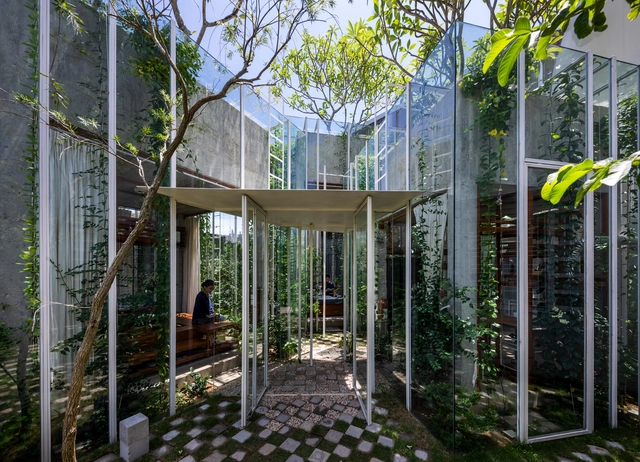
As 2022 winds down, ArchDaily brings together the highlights of architecture in a series of retrospectives. As part of this effort, the Projects Team turns to one of the most popular categories among readers—residential architecture—with the objective of gathering the houses that represent the best of a vast world of architectural production according to our worldwide audience.


https://www.archdaily.com/994431/best-houses-of-2022ArchDaily Team
“I cannot see architecture without society”: Interview with Pedro Campos Costa
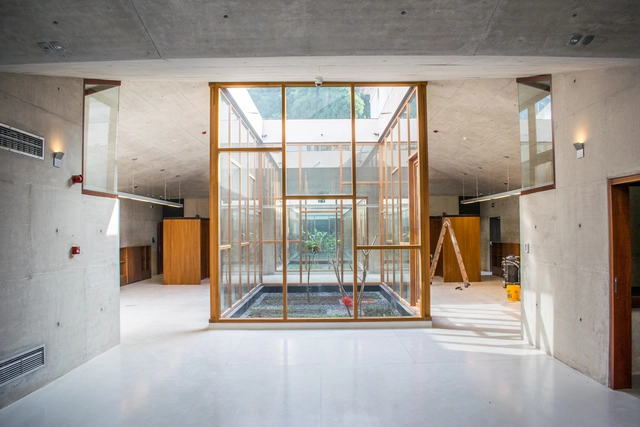
In the Land of Architects is a podcast created by Sara Nunes, who also runs the architectural film production company Building Pictures. The podcast aims to profile the professionals, projects, and stories behind leading contemporary Portuguese architecture. With just over 10 million inhabitants, Portugal is a fascinating country when it comes to this professional field, and its architectural output punches far above its population or territorial scale.
In this episode of the fourth season, Sara talks with Pedro Campos Costa about the project for the Consulate General of Portugal in Rio de Janeiro. Listen to the conversation and read part of the interview below.


https://www.archdaily.com/1132645/i-cannot-see-architecture-without-society-interview-with-pedro-campos-costaRomullo Baratto
Respecting aging: facade panels that react over time
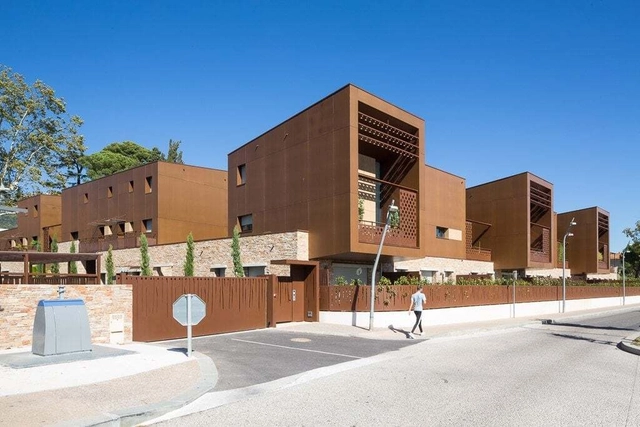
To explain the passage of time, the ancient Greeks relied on two gods: Chronos and Kairos. While the former is represented as ruthless, like a clock that never stops, Kairos evoked the opportune moment for action. In other words, while Chronos is quantitative, Kairos has a qualitative and permanent nature. Indeed, humanity's relationship with the passage of time is not always an easy one.
Buildings are no different. In his seminal work The Seven Lamps of Architecture (1849), John Ruskin argued that only ruined buildings could preserve our past perceptions and, at the same time, allow us to confront our own mortality. In this sense, the marks of time and rubble were crucial witnesses to architectural aging, which, in his view, achieved an aesthetic somewhere between the sublime and the picturesque. Although this is a somewhat controversial perspective, the idea of considering how a building will endure over time has been gaining traction. It is well known that some materials age better than others: while a plastered white wall quickly shows cracks and stains, a stone wall seems to improve with age, blending into its surroundings, for example. Time brings new nuances, tells the story of what has passed, and lends authenticity to surfaces.
https://www.archdaily.com/1132113/respecting-aging-facade-panels-that-react-over-timeEduardo Souza
Residential Architecture and Nature: 16 Houses That Integrate Brazilian Biomes
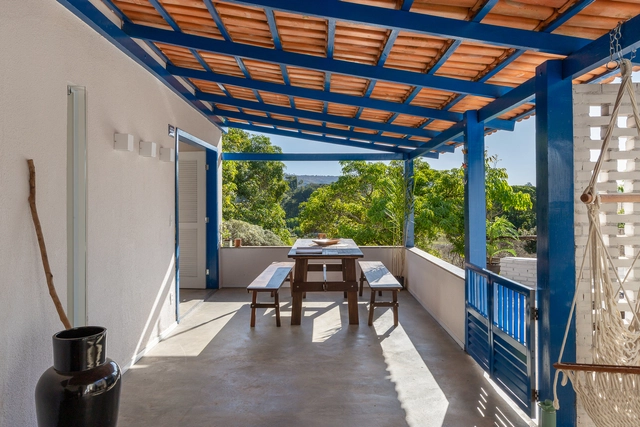
Brazil is one of the largest countries in the world, covering an area that goes from the Equator to beyond the Tropic of Capricorn, presenting a wide variety of climates and vegetation, which implies in the diverse natural landscape, flora and fauna for which the country is known. Residential architecture, when considered from its location, must adapt to the conditions of the surroundings, transforming its design according to the climate and morphology. We have gathered below a selection of Brazilian houses that respond to the natural environment in which they are located.


https://www.archdaily.com/989063/residential-architecture-and-nature-16-houses-that-integrate-brazilian-biomesGiovana Martino