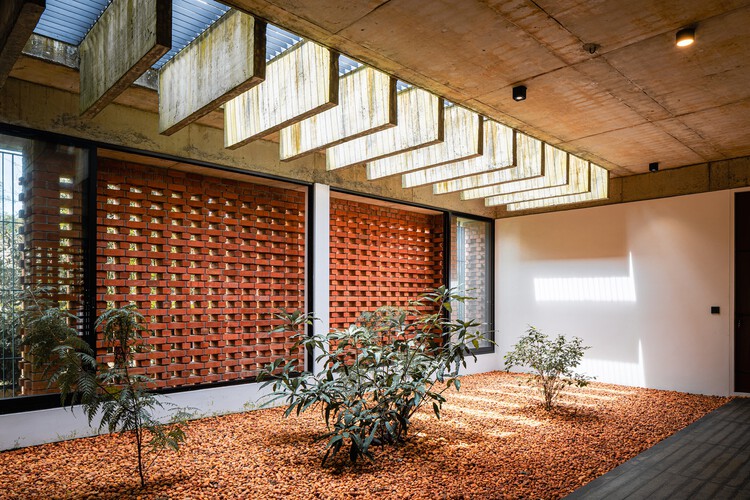
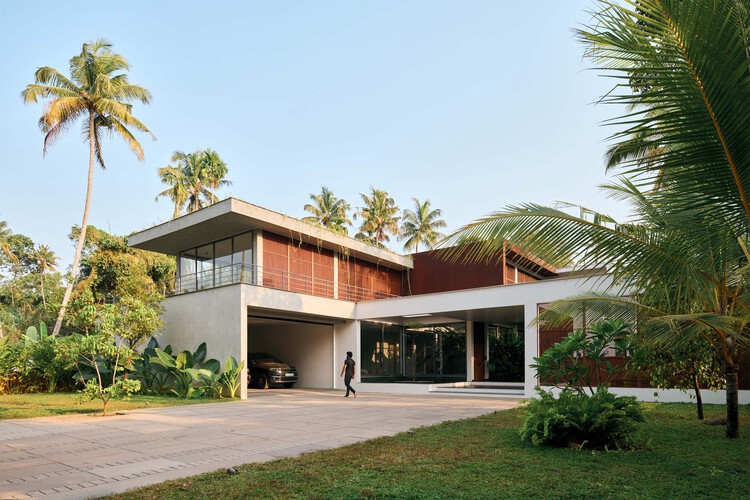
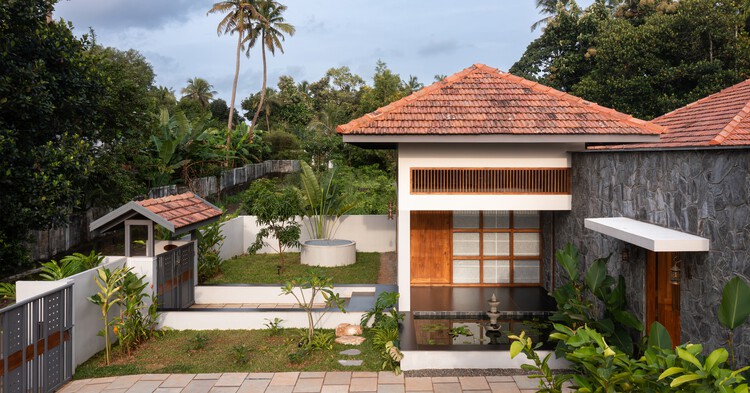
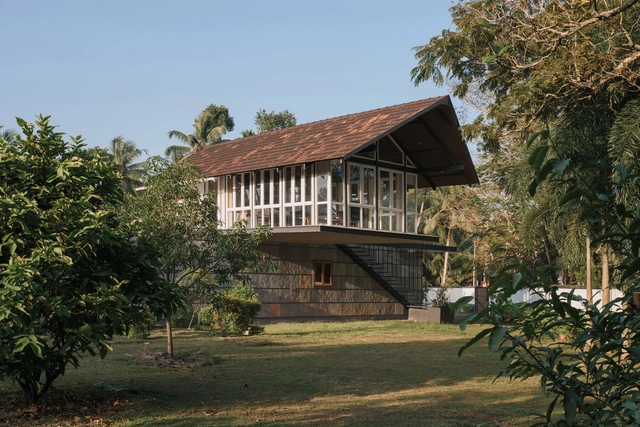
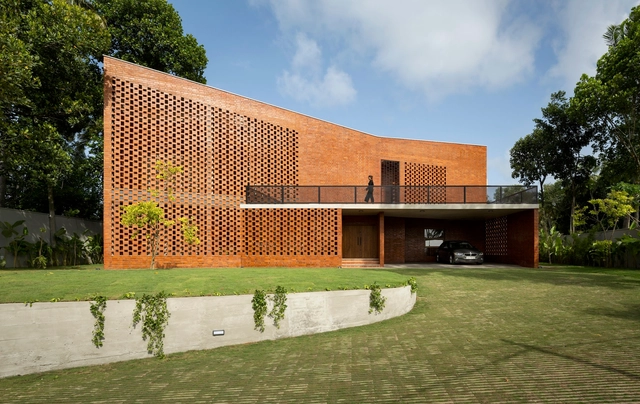
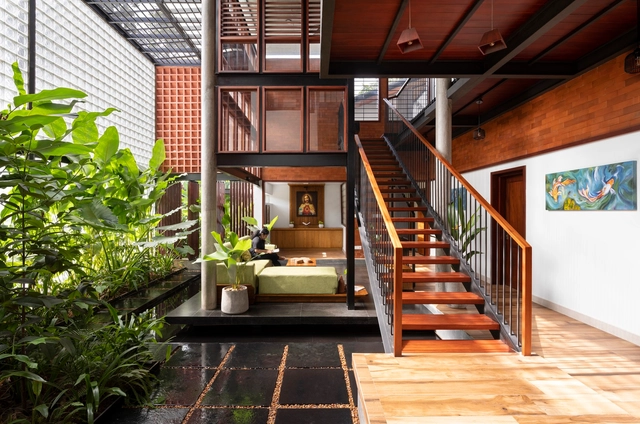
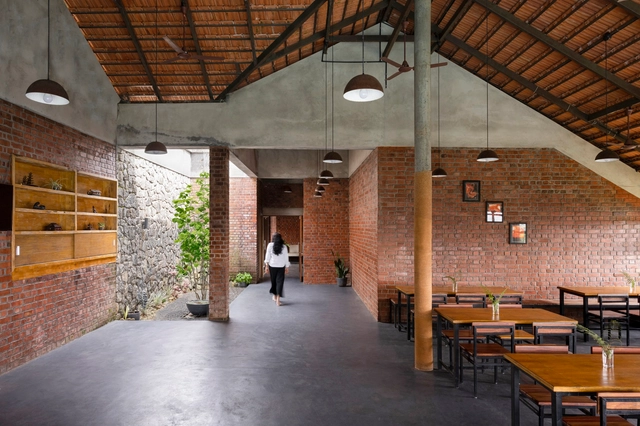
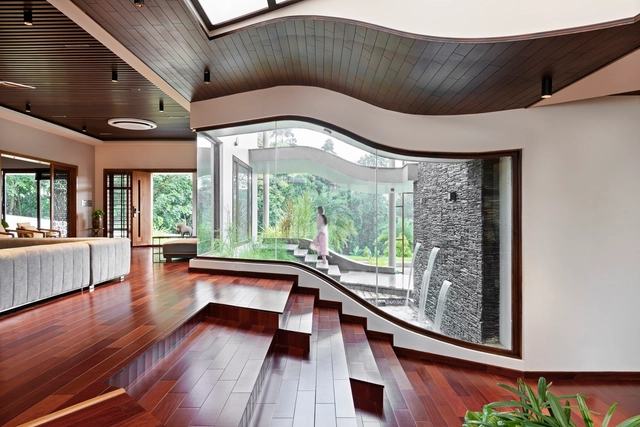
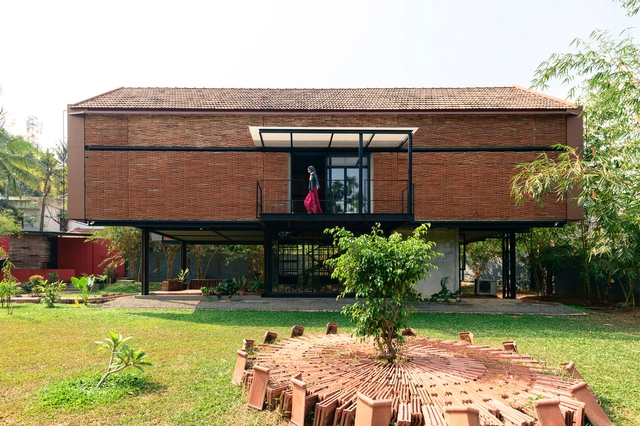
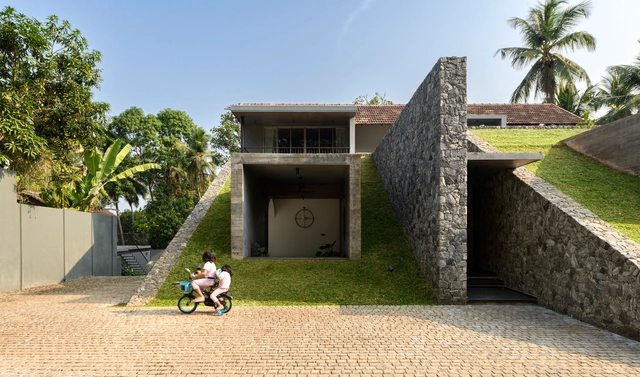
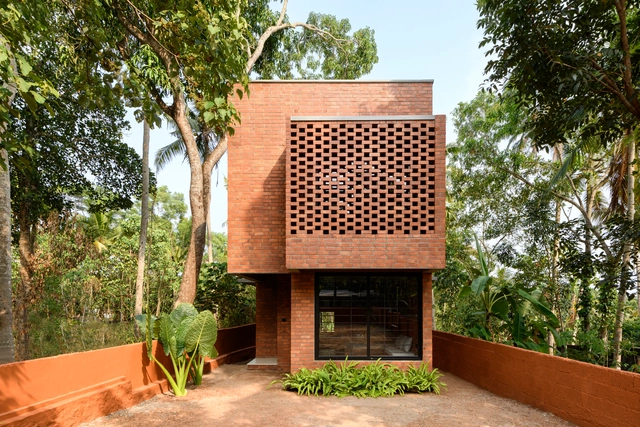
A brick façade does more than define the façade of a house. When designed as a porous screen, it becomes an intermediary between inside and outside, shaping the atmosphere and environmental conditions of the spaces behind it. Across contemporary Indian residential architecture, brick jali — a perforated or lattice brick screen — has been reinterpreted with a contemporary sensibility, drawing on vernacular architectural elements.
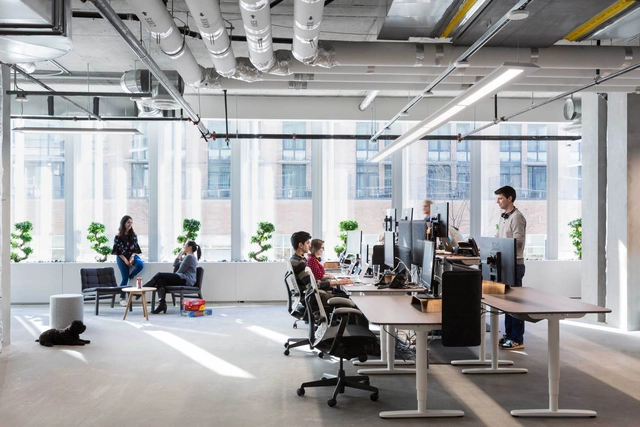
Vibrant colors, ping-pong tables, video games, free food and extravagant decorations. Photographs of the Silicon Valley offices of the early 2000s became the model for ideal, disruptive work environments, meticulously designed to attract and retain new talent in a highly competitive job market. Most importantly, they were the extreme opposite of the famous cubicles of previous decades. Over time, these same companies have invested in creating healthier and more dynamic working environments, giving special consideration to providing contact with nature and better ergonomics for employees. Among the innovations of the past years, the so-called “standing desks” have been gaining popularity, as they offer flexibility and promote a culture of health and well-being. Having the flexibility to work either standing up or sitting down encourages more movement throughout the day and has been proven to improve health and stretching, burn more calories and even increase concentration.
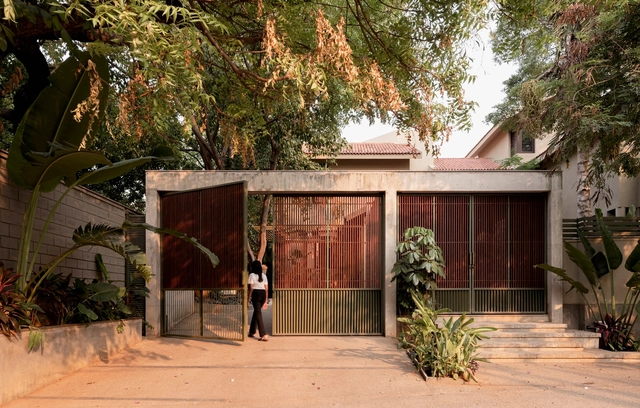
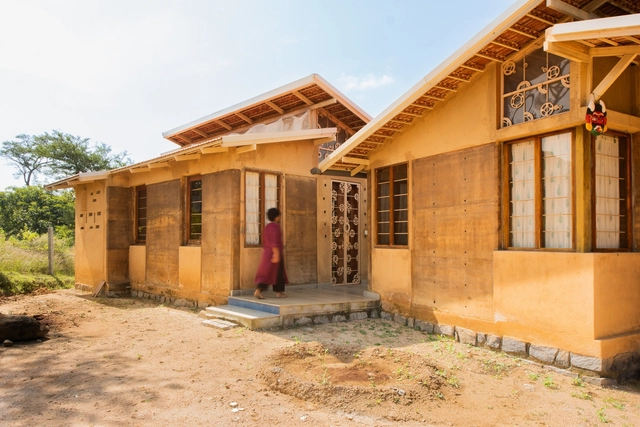
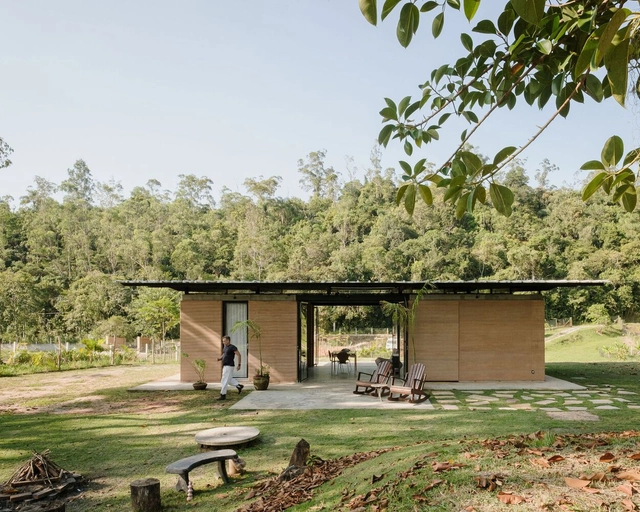
In recent years, India has seen a resurgence of interest in natural building materials, a movement driven by escalating environmental concerns and a growing desire to revive traditional lifestyles. From the busy streets of Mumbai to the serene villages of Kerala, architects, builders, and communities are coming together to experiment with the potential of earth, bamboo, lime, and other organic materials in shaping contextually relevant structures that also embody India's contemporary ideals. The shift towards using natural materials and other vernacular resources reflects a movement towards sustainability and a deeper connection with nature.
As another year comes to a close, the ArchDaily team gathers the highlights of architecture in a series of retrospectives reflecting on the content featured over the past twelve months. As part of this effort, our curation team turns its attention to one of the most popular categories among our readers, residential architecture, selecting the projects that represent the best of a vast global architectural production, as seen through the eyes of our audience.
As 2022 winds down, ArchDaily brings together the highlights of architecture in a series of retrospectives. As part of this effort, the Projects Team turns to one of the most popular categories among readers—residential architecture—with the objective of gathering the houses that represent the best of a vast world of architectural production according to our worldwide audience.