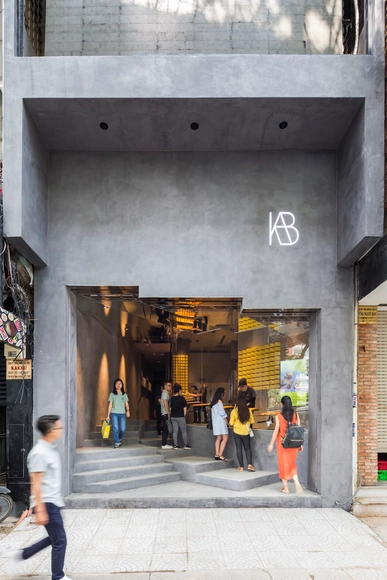
Cheese Tart Shop BAKE / 07BEACH


https://www.archdaily.com/886260/cheese-tart-shop-bake-07beachDaniel Tapia
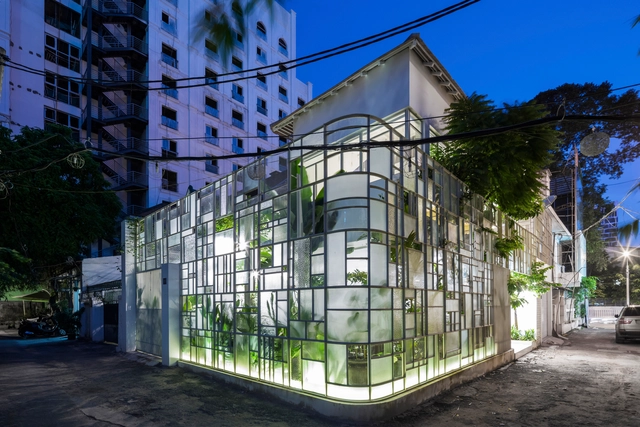
T House / KIENTRUC O


-
Architects: KIENTRUC O
- Area: 161 m²
- Year: 2017
https://www.archdaily.com/882212/t-house-kientruc-oRayen Sagredo
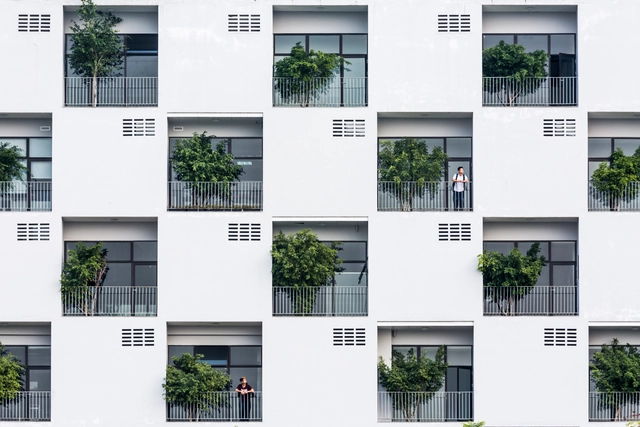
FPT University Administrative Building / VTN Architects


-
Architects: VTN Architects
- Area: 11065 m²
- Year: 2017
-
Professionals: group 8 asia
https://www.archdaily.com/882225/fpt-university-administrative-building-vtn-architectsRayen Sagredo


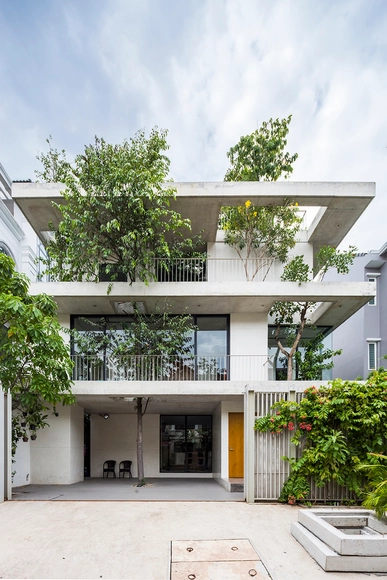
Stacked Planters House / VTN Architects


https://www.archdaily.com/879682/stacked-planters-house-vtn-architectsFernanda Castro
White Cube House / MM++ architects
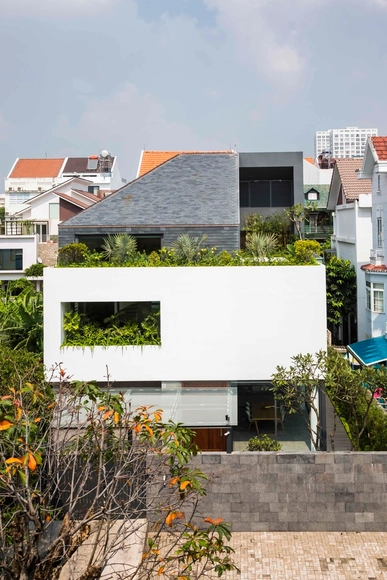


-
Architects: MM++ architects
- Year: 2016
-
Manufacturers: Daikin, HAIKU, Hunter Douglas
https://www.archdaily.com/879262/white-cube-house-mm-plus-plus-architectsCristobal Rojas
18 House / Khuon Studio + Phan Khac Tung
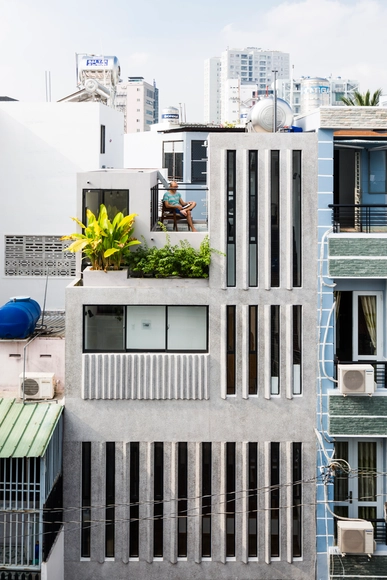


-
Architects: Khuon Studio, Phan Khac Tung
- Area: 18 m²
-
Manufacturers: Caesar, Lixil Corporation, Malloca
https://www.archdaily.com/879146/18-house-khuon-studio-plus-phan-khac-tungDaniel Tapia
Brick Passive Designed University / TAISEI DESIGN Planners Architects & Engineers
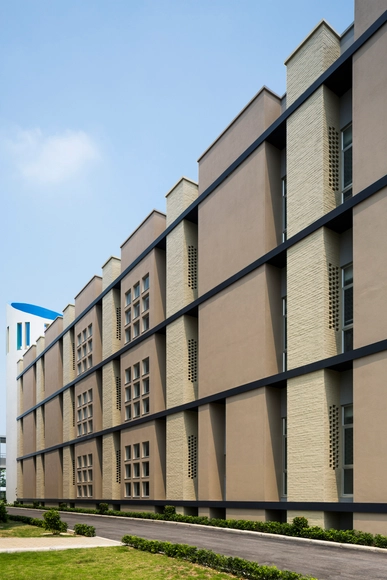


-
Architects: TAISEI DESIGN Planners Architects & Engineers
- Area: 3731 m²
- Year: 2017
-
Manufacturers: Công ty TNHH sơn Kansai and Alphanam, Công ty cổ phần nhôm Việt Dũng, Công ty nhôm định hình Sapa- Bến Thành ( Vijalco), Viglacera
https://www.archdaily.com/877077/brick-passive-designed-university-taisei-corporationRayen Sagredo
Bamboo House / VTN Architects
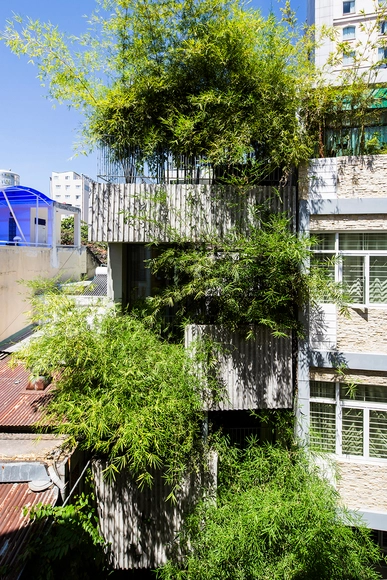


-
Architects: VTN Architects
- Area: 217 m²
- Year: 2016
-
Professionals: Wind and Water House JSC
https://www.archdaily.com/871355/bamboo-house-vtn-architectsFernanda Castro
Tropical Holiday Twin Houses / MM++ architects


-
Architects: MM++ architects
- Area: 140 m²
- Year: 2016
-
Manufacturers: Daikin, Panasonic
https://www.archdaily.com/870596/tropical-holiday-twin-houses-mm-plus-plus-architectsRayen Sagredo
Vegetable Trellis / Cong Sinh Architects
.jpg?1492653925&format=webp&width=640&height=580)
.jpg?1492653947&format=webp&width=230&height=230&crop=true)
.jpg?1492653803&format=webp&width=230&height=230&crop=true)
.jpg?1492653712&format=webp&width=230&height=230&crop=true)
.jpg?1492654079&format=webp&width=230&height=230&crop=true)
.jpg?1492653925)
-
Architects: Cong Sinh Architects
- Year: 2016
-
Manufacturers: Dong Nai, Ha Tien 1 Cement, Hoa Sen Group
-
Professionals: Thanh An Interior & Construction Co.Ltd
https://www.archdaily.com/869616/vegetable-trellis-cong-sinh-architectsCristobal Rojas
How to Use Mindfulness to Escape the Stresses of Architectural Life

Mental wellbeing is a real topic of concern in architecture. A recent survey by The Architects’ Journal revealed that over 52% of architecture students expressed concern regarding their mental health.[1] When one considers the long hours, the competitive nature of the course, as well as the sheer duration of study, this perhaps isn’t that surprising. The “all-nighter” attitude of most architecture schools exacerbates the problem, as studies show a lack of sleep reduces the mind’s resilience to issues such as anxiety and depression.[2]
Yet this aspect of the architectural education system isn’t showing any sign of changing. What can architectural students (and their professional counterparts) do to minimize the impact that architecture has on their psychological wellbeing? I would argue that the answer, at least partly, can be found in the practice of mindfulness.
https://www.archdaily.com/869009/how-to-use-mindfulness-to-escape-the-stresses-of-architectural-lifeBen Channon
8 Excellent Examples of What Innovative 21st Century Schools Should Look Like
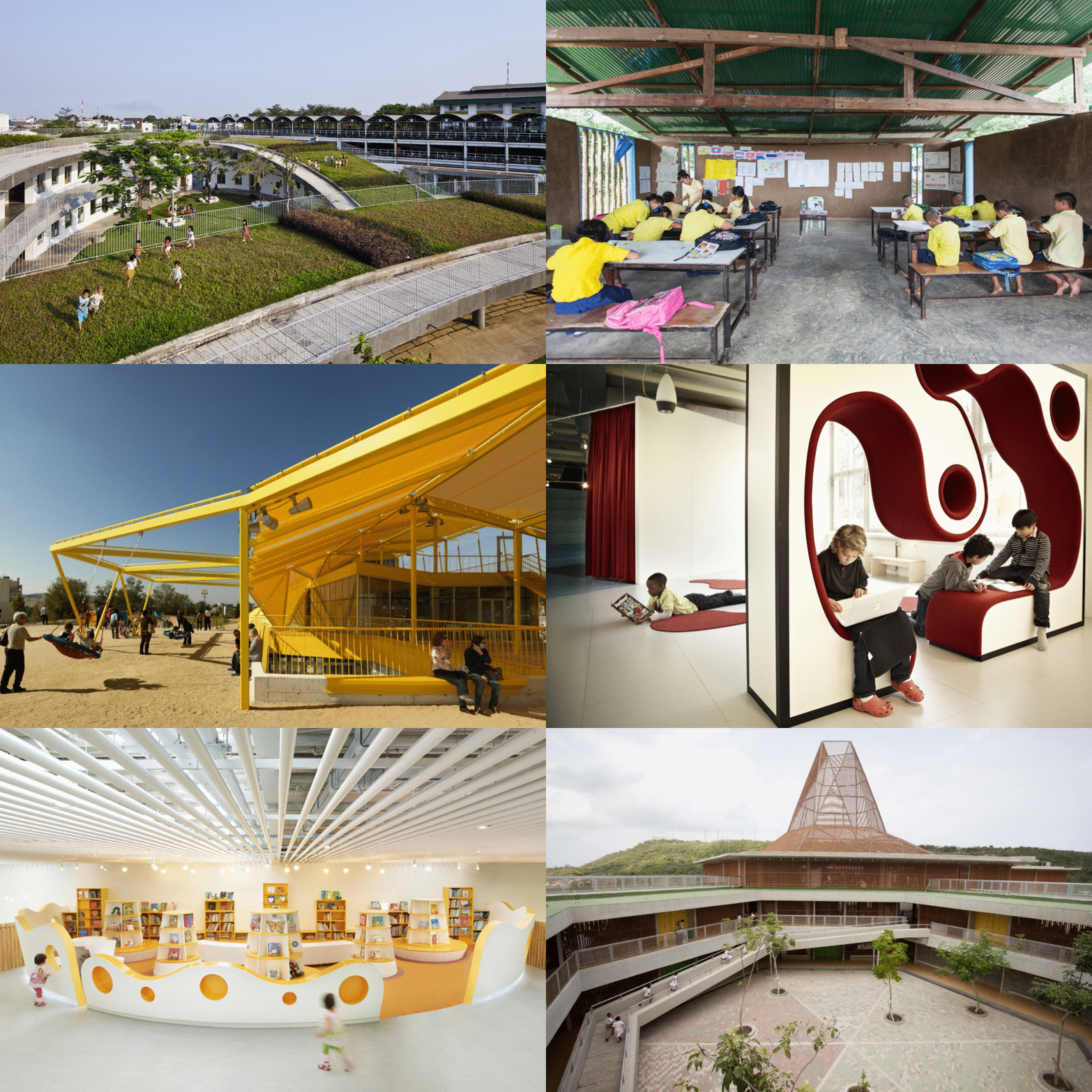
If we think about how the educational system worked in the past, we can quickly see that both the teaching style in schools as well as the school’s infrastructure were very different from the current system. The educational model of the twentieth century could be defined as being similar to the "spatial model of prisons, with no interest in stimulating a comprehensive, flexible and versatile education."
However, we are now at a time when social, economic and technological developments have created a more global society and where information and learning are becoming more affordable. This radical change has transformed the societies in which we live, leaving the current educational model based on a rigid and unidirectional teaching obsolete.
As such, there are schools that have not only broken the mold of traditional teaching but have formed new educational standards, exploring new paradigms and opening up new possibilities within the design of educational spaces. Since architecture and educational models often reflect the ideology of a society, how is the school of 21st century defined?
.jpg?1473841941&format=webp&width=230&height=230&crop=true)


https://www.archdaily.com/868675/8-excellent-examples-of-what-innovative-21st-century-schools-should-look-likeAna Rodríguez
The Proscenium / Inrestudio

-
Architects: Inrestudio
- Area: 78 m²
- Year: 2016
-
Manufacturers: An Binh Gia, LG Electronics, TK Industry Vietnam, VinaLED
-
Professionals: An Binh Gia Co.Ltd, TK Industry Vietnam Co.Ltd
https://www.archdaily.com/806189/the-proscenium-inre-studioValentina Villa
UAH campus / Truong An architecture + UAH Department of Architecture
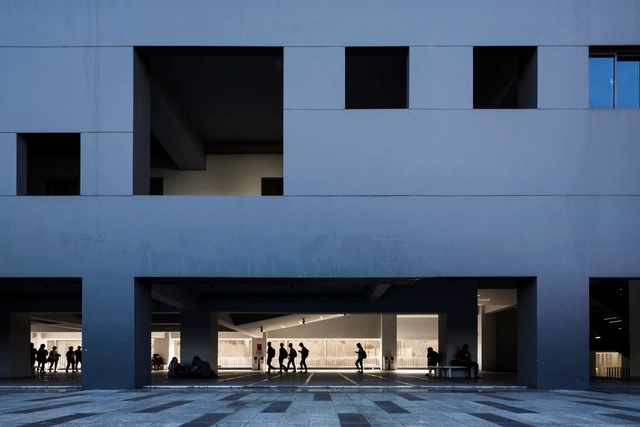


-
Architects: Truong An architecture, UAH Department of Architecture
- Area: 3490 m²
- Year: 2015
https://www.archdaily.com/805550/uah-campus-truong-an-architecture-plus-uah-department-of-architectureValentina Villa
TPG Village / KIENTRUC O


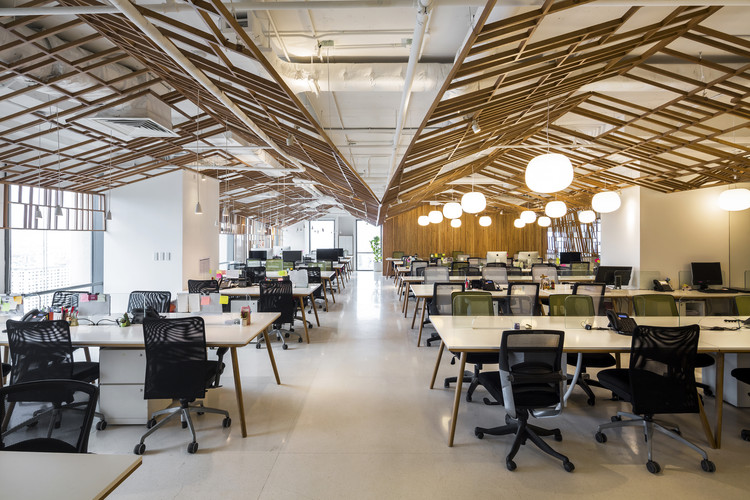
-
Architects: KIENTRUC O
- Area: 635 m²
- Year: 2016
https://www.archdaily.com/804806/tpg-village-kientruc-oMaría Francisca González
The 10 Best Global* Architecture Projects of 2016 (*Asia, Africa and South America Not Excluded)
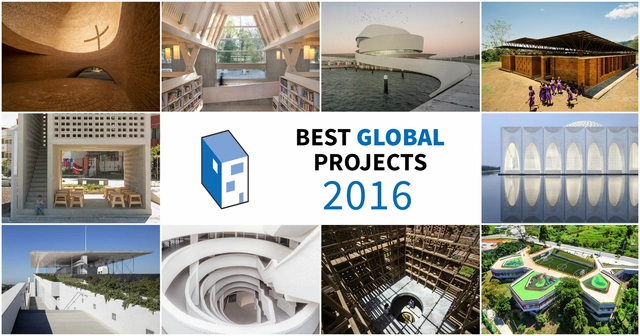
As the common phrase attests, “history is written by the victors.” We therefore know that the story of the West is that of Europe and the United States, while the other actors in world history are minimized or invisible: it happened to the Chinese and Japanese during World War II, to the Ottoman Empire in sixteenth-century Europe, and to racial majorities in the common reading of Latin American independence. The same thing happens in architecture.
The current boom of the Global South is based not only on new work, but rather on the recognition of an invisible architecture which was apparently not worthy of publication in the journals of the 1990s. The world stage has changed, with the emergence of a humanity that is decentralized yet local; globalized, yet heterogeneous; accelerated, yet unbalanced. There are no longer red and blue countries, but a wide variety of colors, exploding like a Pollock painting.
This serves as a preamble to consider the outstanding projects of 2016 according to the British critic Oliver Wainwright, whose map of the world appears to extend from New York in the West to Oslo in the East, with the exception of Birzeit in Palestine. The Global South represents more than 40% of the global economy and already includes most of the world’s megacities, yet has no architecture worthy of recognition? We wanted to highlight the following projects in order to expand the western-centric world view, enabling us to truly comprehend the extent of architectural innovation on a global scale.
https://www.archdaily.com/801873/the-10-best-global-star-architecture-projects-of-2016-star-asia-africa-and-south-america-not-excludedNicolás Valencia