

-
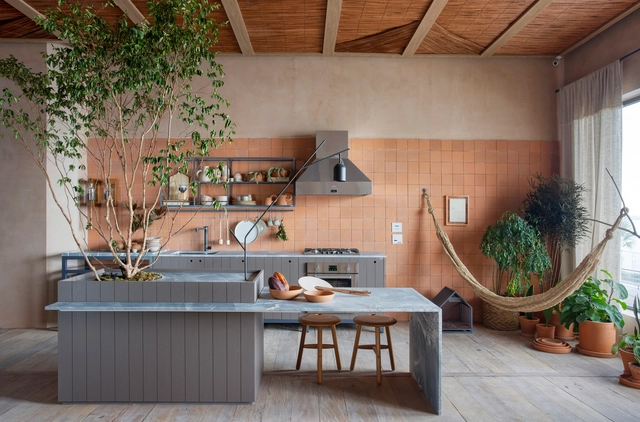
Architects: Natália Lemos, Paula Pupo
- Area: 67 m²
- Year: 2019
-
Manufacturers: AutoDesk, Casa Julio, Castelatto, DIMLUX (BOMMA), Deca, +9




Many architects work in a variety of areas, designing everything from the layout of a city block to the most minute details of a building. A common trend among these projects is that the furnishings, the very things that make a structure usable and livable, are often afterthoughts for the project's creators and only become important when the structure is already built.

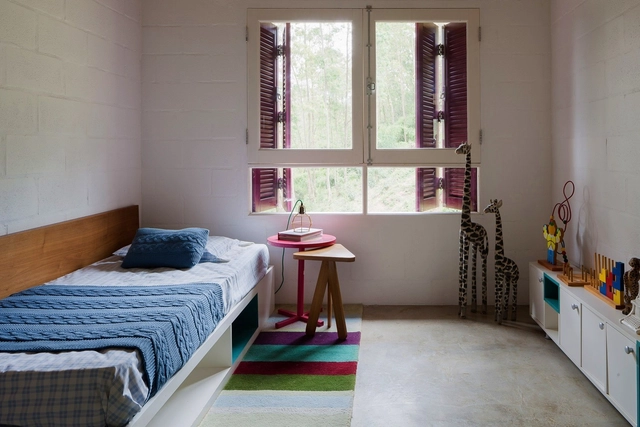
Many factors influence people's well-being, but few have power as great as the quality of sleep. Adults spend, on average, a third of their day (and their life) sleeping. In the case of young children, this proportion is even higher. According to a study published by the WHO in 2019, babies (4 to 11 months) should sleep between 12 and 16 hours/day; and children up to 4 years old should sleep between 10 and 13 hours/day.
Quality sleep acts directly on the child's brain development, especially during his first and second childhood (from birth to 12 years old). During the rest period, the body releases the hormones necessary for growth and learning, and this is directly related to physical, motor, emotional, and cognitive development. It is also known that the environment where one sleeps interferes with the quality of that sleep, and some important aspects must be considered when designing sleeping spaces for children and babies.

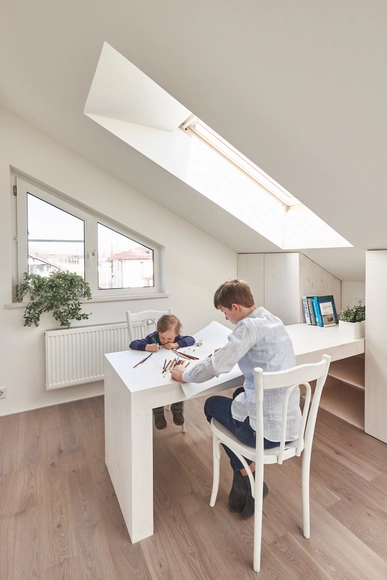
In early 2020, along with the implementation of worldwide social isolation measures, we published several articles in order to help our readers increase productivity and comfort in their home offices. After months of continued isolation, surveys show that more than 80% of professionals want to continue working from home even after quarantine ends. In addition, a good number of companies are similarly satisfied with current work practices, showing a high tendency to adopt this practice indefinitely, since the majority of companies observed that remote work was as or more productive than face-to-face work.
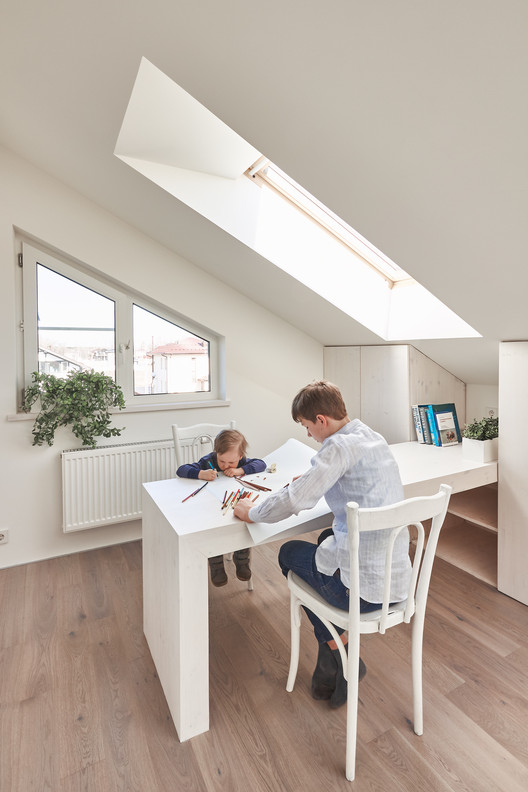
However, with respect to children and home studying during the pandemic, the result was not as positive. One of the main reasons for this difference is that it can be difficult to get students to concentrate and motivate themselves for a long time in front of screens. Lack of physical interaction with other children is also a contributing factor. Yet until the global situation improves, it is likely that the return to schools will continue to be postponed. With this situation in mind, we decided to share in this article a series of efficient strategies to transform study spaces at home into better spaces for learning.








(1).jpg?1594653347&format=webp&width=230&height=230&crop=true)
.jpg?1594653432&format=webp&width=230&height=230&crop=true)
.jpg?1594653453&format=webp&width=230&height=230&crop=true)
(1).jpg?1594653365&format=webp&width=230&height=230&crop=true)

_alta.jpg?1593120817&format=webp&width=230&height=230&crop=true)
_alta.jpg?1593120667&format=webp&width=230&height=230&crop=true)
_alta.jpg?1593120688&format=webp&width=230&height=230&crop=true)
_alta.jpg?1593120900&format=webp&width=230&height=230&crop=true)
