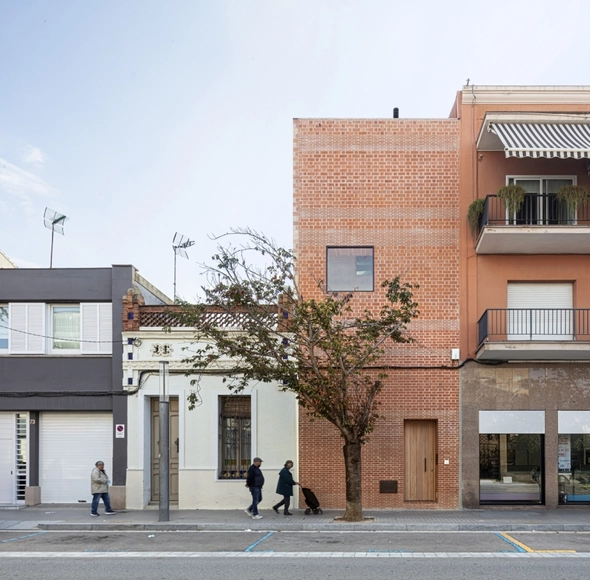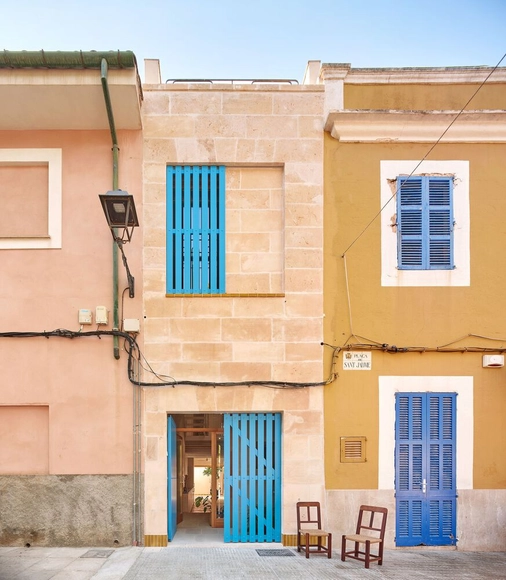
How narrow can a space become without losing its habitability? What are the minimum dimensions that a dwelling must have to ensure the comfort of its inhabitants and the correct performance of their daily activities?
How narrow can a space become without losing its habitability? What are the minimum dimensions that a dwelling must have to ensure the comfort of its inhabitants and the correct performance of their daily activities?
Marking its first hybrid (online and in-person) edition, the 3rd International Facade Forum 2023 will take place on April 26. Broadcasting from Mexico City, the event will feature 15 lectures by international speakers under the academic direction of Marshall Academia de Fachadas (Bill Marshall and Karina Tarrisse) and organized by the Sarzabal agency (Hernán Barbero Sarzabal and Maui Cittadini), alongside Daniela Ruiz de Chávez, who is managing the organization in Mexico.
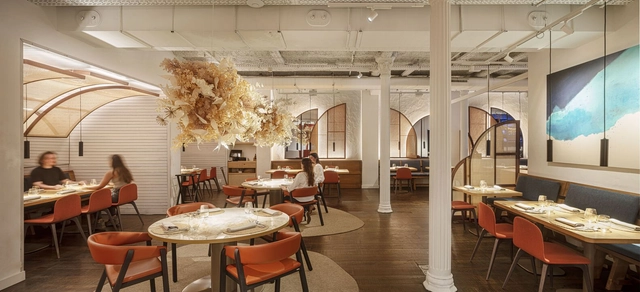
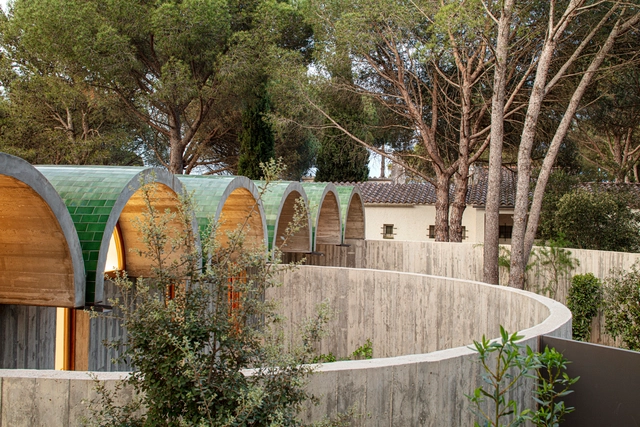
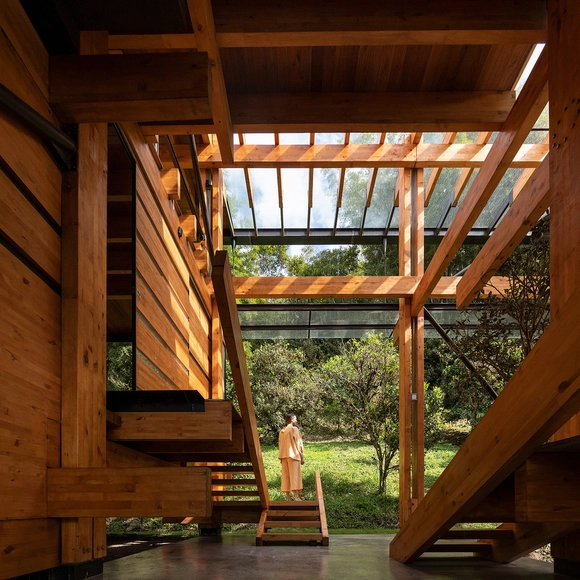
As another year comes to a close, the ArchDaily team looks back at the year's architectural highlights, compiling a selection of projects to review the content featured in 2022. As part of this retrospective, our curation team presents one of our readers' favorite categories—residential architecture—bringing together the projects that represent the very best of a vast year of architectural production, as chosen by our audience.
At a time marked by anticipation for the future of architecture, yet also by reflection on what has been accomplished over the past year, we present the 50 most-visited houses on ArchDaily in Spanish in 2022. In doing so, we continue our ongoing mission to provide tools, inspiration, and knowledge to everyone working toward a better built environment.
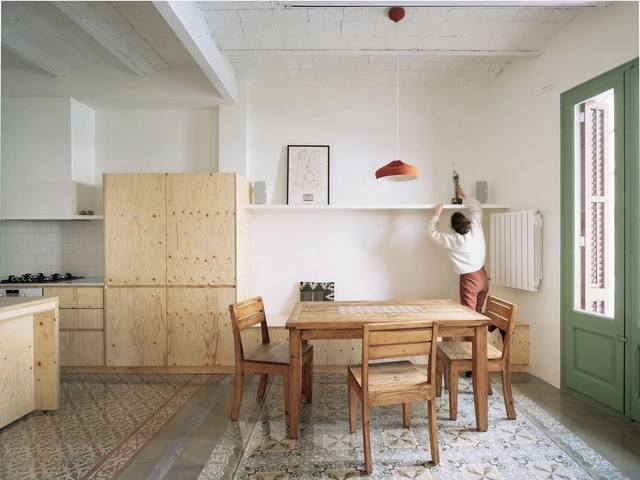
Reflecting on what the materials of the future will be like, we will talk about a material that is booming in Barcelona and which perhaps leads us to respond by suggesting that, as always, everything comes back.
For some years now, hydraulic mosaics have been back on trend, generating interest due to their high artisan value and their diverse designs, perfect for combining traditional environments with avant-garde details.
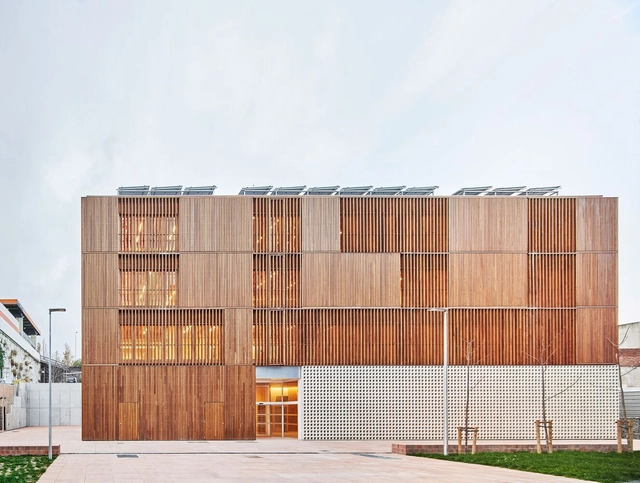
The finalist projects for the 2022 edition of the Mapei Award have been announced. The prize aims to promote sustainable architecture by recognizing projects that combine high architectural quality with the lowest possible environmental impact. Addressing the social and environmental challenges of the 21st century, the Mapei Award is presented to both new construction and renovation projects.
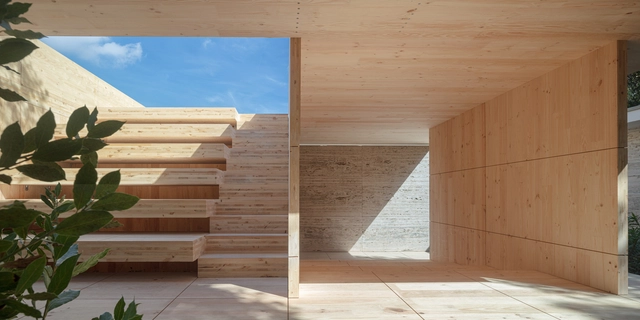
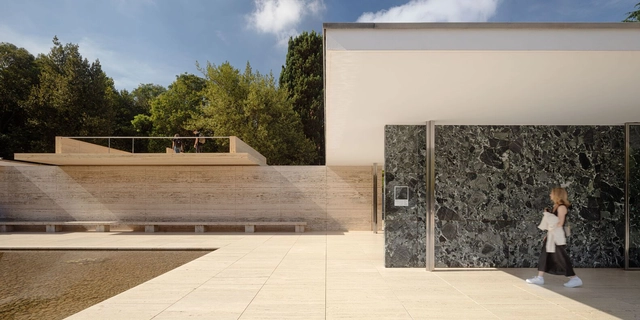
On the 4th of October, the temporary installation "Mass is More", a project designed by Daniel Ibáñez and Vicente Guallart, from the Institute for Advanced Architecture of Catalonia (IAAC), together with Alan Organschi from Bauhaus Earth (BE), was presented at the Barcelona Pavilion. It was open to the general public from the 1st to the 9th of October.

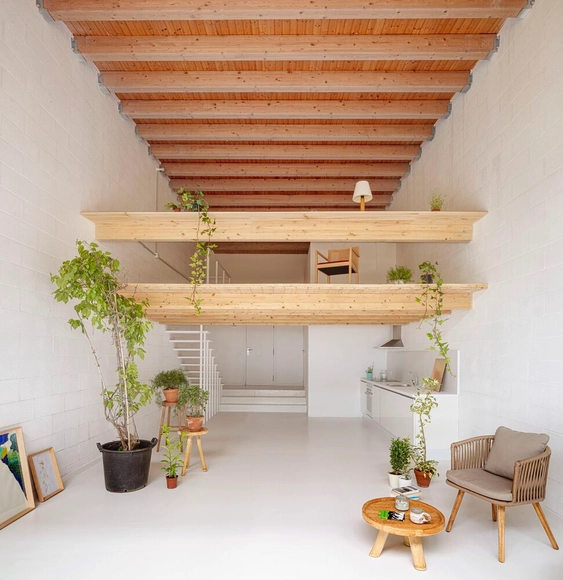
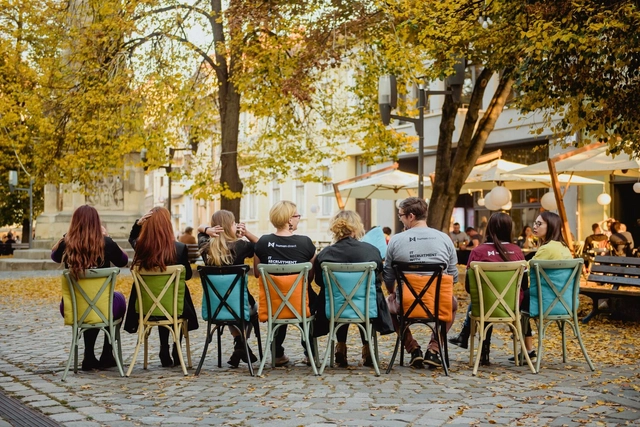
ICLEI Circulars has launched a new practical Equitable Transitions Guidebook to help cities make sure that their urban development projects are equitable for all groups of citizens. The guidebook is based on multiple case studies from cities worldwide under the Urban Transitions Alliance project. The guide’s purpose is to provide insights, recommendations, and tools for city practitioners to understand better and unpack what social equity means at the local level. The publication is free to download.
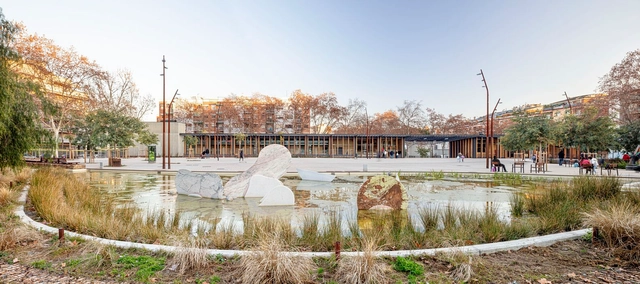

Humane cities center around the relationships between people and places. Communities thrive on shared resources, public spaces, and a collective vision for their locality. To nurture happy and healthy cities, designers and the public apply methods of placemaking to the urban setting. Placemaking—the creation of meaningful places—strongly relies on community-based participation to effectively produce magnetic public spaces.
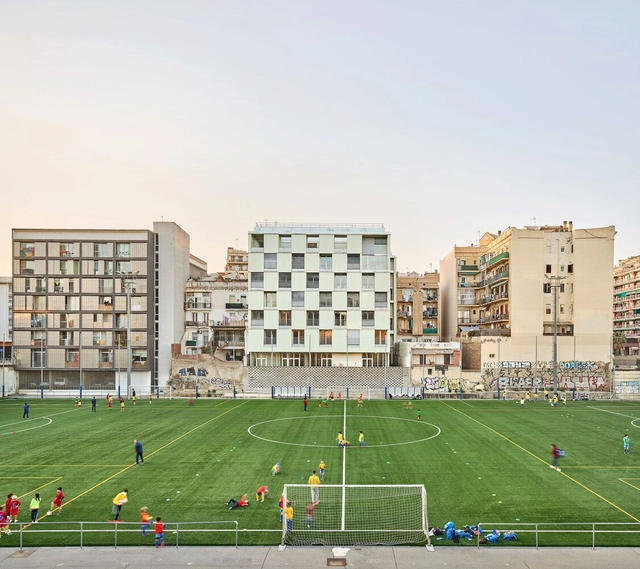
Is there a future for our cities without a sustainable way of life? For some time now, urban sustainability has been viewed primarily through the lens of climate change rather than a holistic vision that integrates society and the way we live in community.
What new ways of living are we experiencing amid social, economic, and ecological shifts? We need to bring to the table different reference cases from around the world and understand the latest trends shaping how we live in our cities.
We want you, our readers, to not only be the first to share examples of co-living, cooperatives, and any new types of social housing you consider benchmarks, but also to share your thoughts on the matter in the form below. Selected comments will be published in an upcoming article.
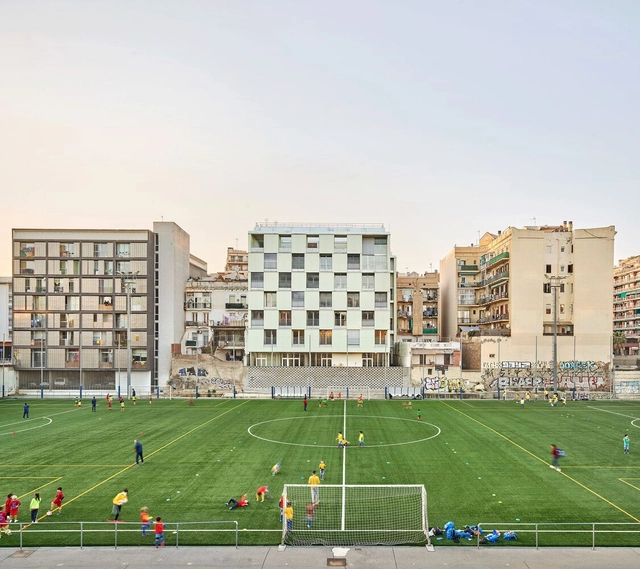
Is there a future for our cities if we do not transition to a sustainable way of life? For some time, urban sustainability has adopted a perspective focused more on climate change than on a holistic vision that incorporates society and the way we live in community.
What new ways of living are we experiencing amidst social, economic, and ecological shifts? Ultimately, we must bring to the table examples from different parts of the world to understand the latest trends in how we live in our cities.
We want to hear from you—not only about examples of co-living, cooperatives, and any new type of social housing you consider a benchmark, but also your thoughts on the matter. Selected comments from the form below will be published in an upcoming article.