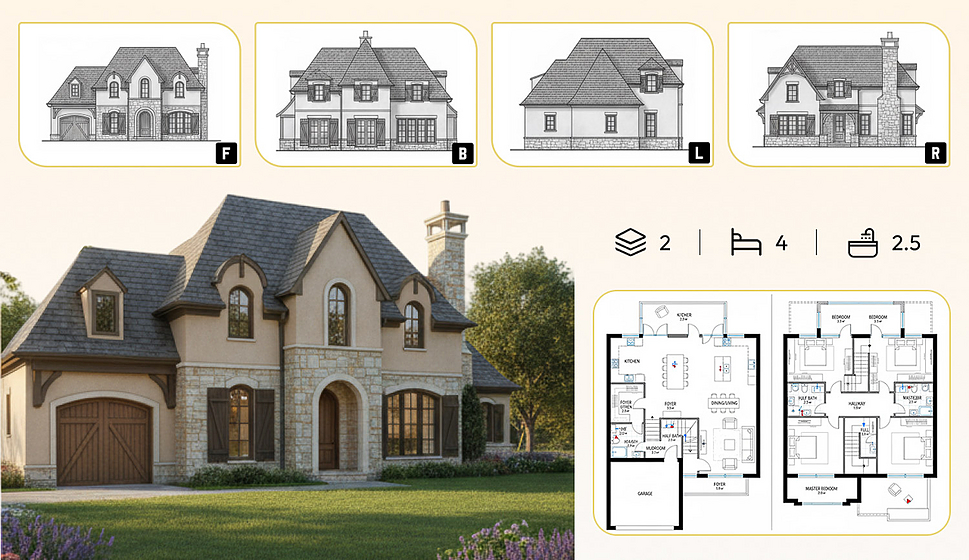
This guide covers a workflow that moves from project parameters to generated floor plans, 3D perspective views, exterior design exploration, and site context visualization, using AI tools in place of preliminary CAD and rendering work.
This guide covers a workflow that moves from project parameters to generated floor plans, 3D perspective views, exterior design exploration, and site context visualization, using AI tools in place of preliminary CAD and rendering work.

What are the stories of the first Ibero-American women architects? This is the central question we seek to answer in celebration of this month's ArchDaily topic: Women in Architecture.
In seeking to present their motivations, inspirations, and career paths, we conducted research to bring visibility and recognition to several figures who have historically been overlooked. Meet Doris Clark Núñez, Guadalupe Ibarra, Matilde Ucelay Maórtua, Filandia Pizzul, Dora Riedel, Luz Amorocho, María Luisa Dehesa, Arinda da Cruz Sobral, and Julia Guarino below.
What you will learn:

With the goal of getting to know the architects, projects, and stories behind landmark Portuguese architecture, Sara Nunes, from the architectural film production company Building Pictures, launched the podcast No País dos Arquitectos, where she talks with leading figures of contemporary Portuguese architecture. In the first episode of the fourth season, Sara speaks with architect Álvaro Siza Vieira about the expansion project for the Serralves Museum of Contemporary Art.
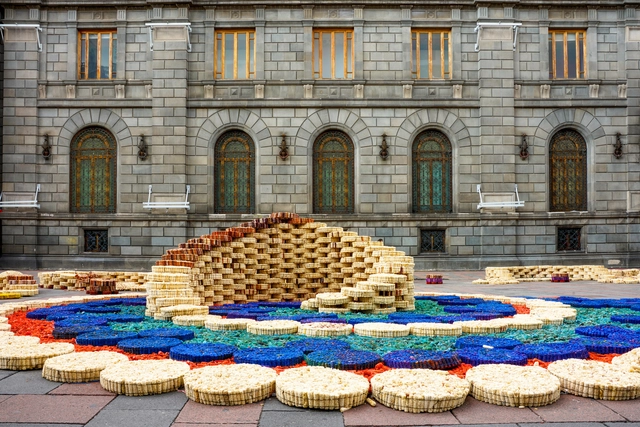
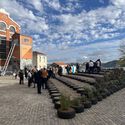
For the eighth time, the MEXTRÓPOLI Architecture and City Festival held the Arquine No. 24 | MEXTRÓPOLI 2022 Pavilion competition, a platform where architecture, urban planning, and art meet to contemplate and celebrate Mexico City. The event also aims to engage citizens by occupying public space with architectural installations that can be activated by visitors. Celebrating public spaces or offering a fresh perspective on everyday routes is the driving force behind MEXTRÓPOLI’s exhibition of these ephemeral architectural installations.
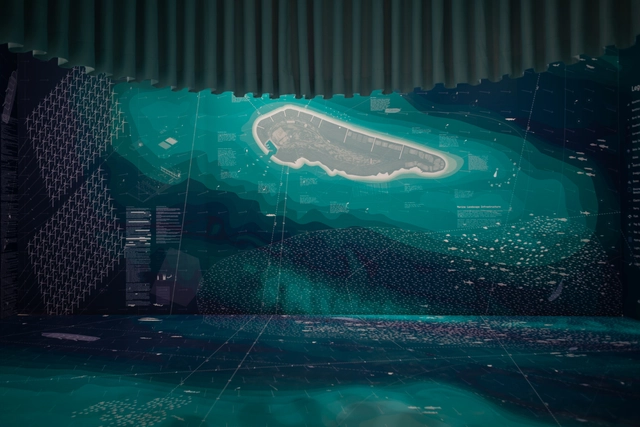
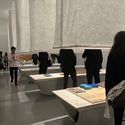
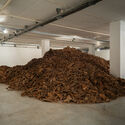
Terra. A term used to define the planet we live on, the soil we walk on, and the raw material for the most diverse works. From it derives the word territory, which, beyond its symbolic meaning in shaping culture and worldviews, is also the foundation of any settlement and of nature itself. The power of all the meanings this word carries is taken as the title of the 6th Lisbon Architecture Triennale, which explores themes concerning the human relationship with its context and the revolutionary processes spanning the most diverse scales of architecture.
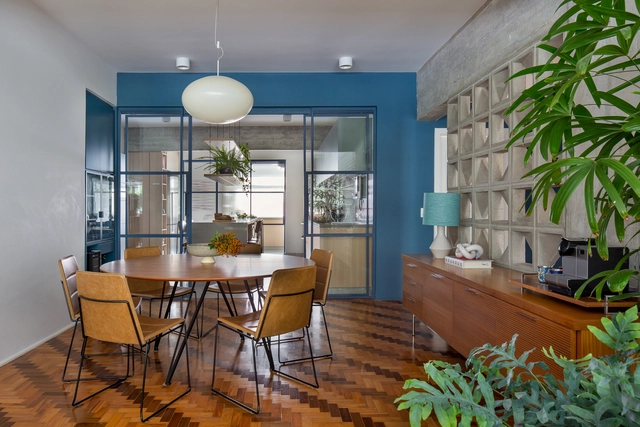
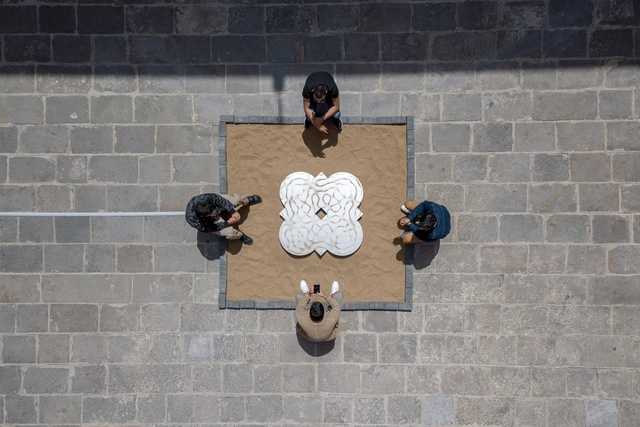
Initiated by Patio Efímero—a collective of young creatives—the open call for the "Patio 3 Competition: Encounter of Ephemeral Interventions" was launched in early 2022. Organized in collaboration with the National System of Art Creators of the Federal Ministry of Culture, the Puebla State Ministry of Culture, Museos Puebla, the Municipal Institute of Art and Culture of Puebla, the Municipal Ministry of Economy and Tourism of Puebla, and the Historic Center and Cultural Heritage Management Office of the Municipality of Puebla, the call invited established and emerging graphic, visual, and multidisciplinary artists, as well as architects, to participate in the third edition of Patio Efímero.

“Diálogos Aislados” is organized by the School of Architecture at Universidad Finis Terrae. This Wednesday, October 5, the event will feature Ecuadorian architect David Barragán and Chilean biologist Bárbara Saavedra as guests.
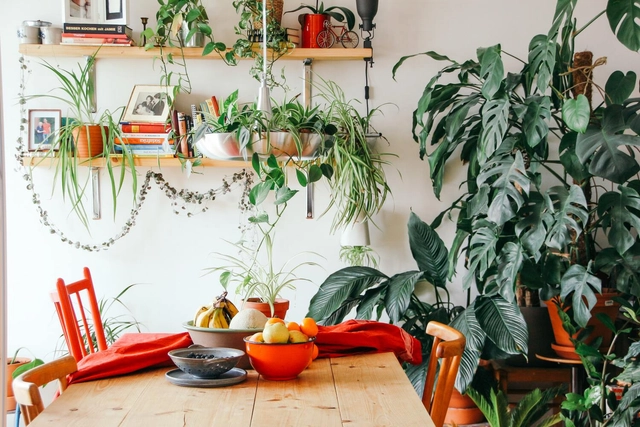
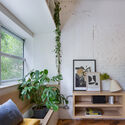
The importance of connecting with nature is the subject of numerous studies. Research by the Harvard T.H. Chan School of Public Health indicates that living near woodlands, parks, and gardens is associated with a lower risk of developing kidney and respiratory diseases, as well as reduced rates of depression. However, those living in major urban centers cannot always bridge this gap, whether due to a lack of parks, a shortage of time, or simply the distance to the nearest green space. In such cases, an alternative is to bring nature indoors, relying on the power of plants as an integral part of home decor.




"I Book on Sundays" is hosted by Carmelo of Enorme Studio, delving into forgotten architectural publications, books, and architecture magazines from the '60s, '70s, and '80s that harbor the most fascinating stories.
Following a hiatus in 2022, the series returned with Episode 19, titled “Always Young”, telling the story of Ettore Sottsass Jr., and "No One Is a Prophet in Their Own Land", a tribute to the late master of architecture, Ricardo Bofill. Now, he brings us "Only the Best Products Go to the Museum", the first part of a two-part episode dedicated to the American "architects" of SITE—James Wines, Alison Sky, and Michelle Stone—and how they elevated BEST showrooms to the pinnacle of art.
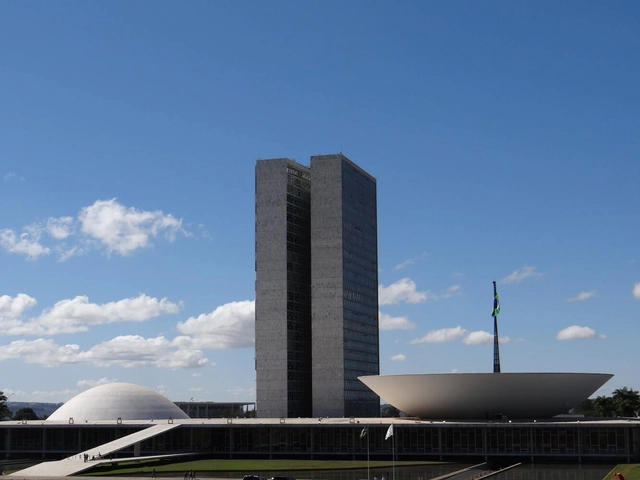
It was a close call, but the first round of the presidential election was unfortunately not enough to determine the country's next political leader. As a result, candidates Luiz Inácio Lula da Silva, of the Workers' Party, and Jair Bolsonaro, of the Liberal Party, will once again face the popular vote on October 30.
The next President will have, among many other responsibilities, the task of providing federal support for the development of Brazilian cities — home to approximately 87% of the country's population. To contribute to the debate and, if such a task falls to ArchDaily, help undecided voters make up their minds, we have compiled below the proposals of both presidential candidates for the future of cities, according to their respective government plans, covering topics such as housing, infrastructure, transportation, culture, sustainability, environment, and energy.
"A poet of the vague who designs with ingenious precision." This is how architect and curator Marta Bogéa described Gustavo Utrabo in an essay published in issue 207 of the Spanish magazine El Croquis. Renowned for its meticulous monographs on celebrated architecture firms worldwide, this was the first time the publication has featured a Brazilian architect. This is not, however, the only international accolade on Utrabo's resume: among others, the Children Village in Canuanã—developed in partnership with Marcelo Rosenbaum while a partner at Aleph Zero, alongside Pedro Duschenes— won the 2018 RIBA International Prize and was featured in the British newspaper The Guardian's list of the 25 best works of architecture of the 21st century.
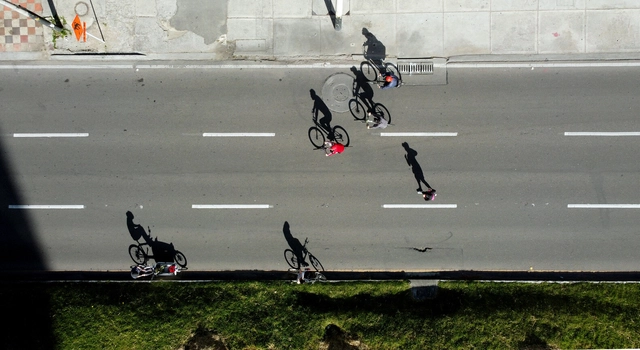
It is clear that cities worldwide must make concerted efforts to encourage more people to choose sustainable modes of transportation—such as walking, cycling, and public transit—over cars and motorcycles. But what drives us to choose one mode of transport over another? What factors lie behind our choices? Are they, in fact, conscious decisions or merely "automatic habits"? Understanding this process is an important step toward promoting sustainable mobility.
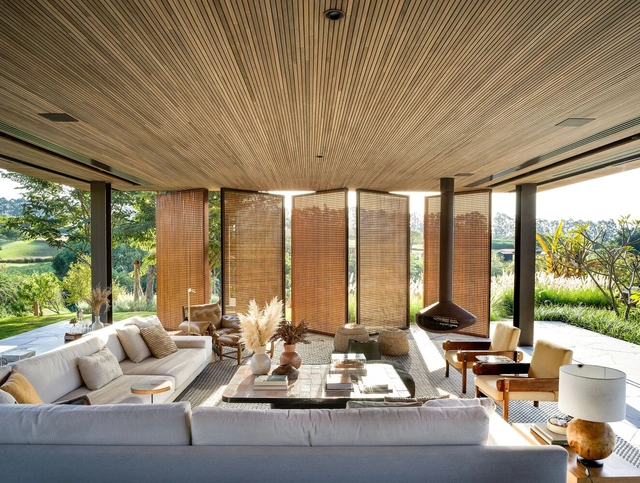

The FestiAtlas CoMún invites reflection on architecture, public space, and the city. It encourages visitors to explore the Casa de la Cultura, a historic building that spans a Buenos Aires city block, through installations, exhibitions, gatherings, and activities by various collectives that present new ways of approaching the idea of the "common."
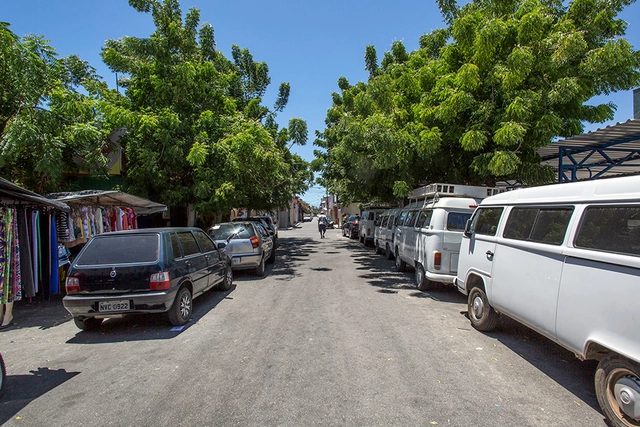
In recent years, several extreme weather events around the world have devastated cities, including those in Brazil. In 2022, heavy rains battered the mountainous region of Rio de Janeiro, especially the city of Petrópolis, which recorded 250 landslides in a single day.
A similar situation occurred in Pernambuco, where above-average rainfall triggered landslides. In late 2021, in the state of Bahia, severe storms pushed at least 72 municipalities into a state of emergency. As in previous cases, these disasters caused casualties and left numerous families displaced. Globally, the situation is no different, even if the specific hazards vary.
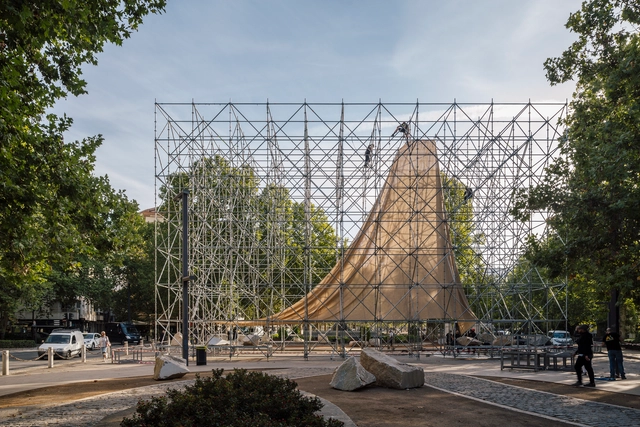
On October 14, the first edition of the TAC! Urban Architecture Festival will begin. This year, the festival will be held in the city of Granada and will run until November 14. The opening of the event will be marked by the inauguration of the temporary pavilion “AIRE,” the winning project of the open call, located in Plaza del Humilladero and designed by P + S Estudio de Arquitectura.