
This guide covers a workflow that moves from project parameters to generated floor plans, 3D perspective views, exterior design exploration, and site context visualization, using AI tools in place of preliminary CAD and rendering work.
This guide covers a workflow that moves from project parameters to generated floor plans, 3D perspective views, exterior design exploration, and site context visualization, using AI tools in place of preliminary CAD and rendering work.

An architectural award acts as a legitimizing mechanism, indicating which approaches, materials, and strategies are taking center stage in the discipline's discourse. By bringing together projects with diverse programs, scales, and constraints, these initiatives bring emerging priorities and directions in the field to light. Accordingly, the Shaw Contract Design Awards has established itself as a global platform of recognition in interior design and a barometer of the transformations sweeping the discipline, fostering reflection on the role of design in creating more responsible, inclusive, and sustainable environments.
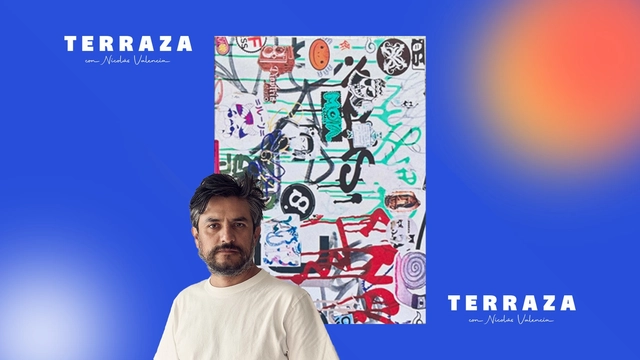
In Lima, Nicolás Valencia speaks with Mexican architect Jesús López about ATEA10, the 2024 BIAU award-winning publication that celebrates the first ten years of Atea, a multidisciplinary production and experimentation platform in the La Merced neighborhood of Mexico City.
We are pleased to announce the finalist projects for the ArchDaily Brasil 2025 Building of the Year Award. Following two weeks of nominations, the projects that received the most votes were selected from hundreds of works built in Portuguese-speaking countries. Our jury, comprised of thousands of readers, once again played a fundamental role in curating this selection, resulting in a shortlist of 15 remarkable projects.
From today until April 9 at 11:59 PM (GMT-3), you can vote once a day for the finalists—exemplary representations of contemporary Lusophone architecture. The winners will be announced on April 10.
Architecture is shaped as much by the materiality of physical spaces as by how they are perceived, discussed, and recorded. Architectural discourse, along with its mediation and representation, is inseparable from the act of design, as it defines a project's reach and longevity over time.
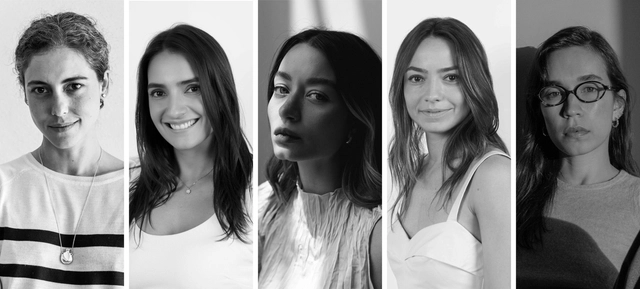
Driven by this understanding, Vestigare Agency emerged not only as a social media agency tailored to architecture and design, but also as a platform for architectural curation and a bridge between architects and the wider public. Founded and led by Luiza Giurni, the platform has established itself as a new communication vehicle in contemporary architecture. Among its various partnerships, it highlights a collective effort built on collaboration with female architects.
A week ago, we announced the 15 finalists for the ArchDaily en Español Obra del Año Award, which celebrates the best architecture in Latin America and Spain, inviting our readers to act as a jury and select their favorite projects from those published throughout the year. Today, the time has finally come to reveal the winners of the 2025 Obra del Año Award.
After two weeks of nominations in the 16th edition of the 2025 Building of the Year Awards, our community evaluated over one thousand projects to select the 15 finalists. This year's awards celebrate excellence in design, innovation, and sustainability across Latin America and Spain, highlighting an exceptional selection of projects on the shortlist. As a public-choice award, we are proud to say that their choices authentically reflect the current state of architecture, while the quality of this year's finalists further underscores the excellence and diversity present in the field.

From September 18 to October 19, 2025, the 14th São Paulo International Architecture Biennial, organized by IABsp, will occupy the Oca Pavilion in Ibirapuera Park to discuss how architecture, urbanism, design, and landscape architecture can address climate change and extreme events.
The curatorial concept stems from the understanding that we live in times of extremes, demanding radical and innovative solutions. Across the four floors of the Oca, the curators aim to bring together science and innovation, traditional knowledge, everyday practices, market-driven proposals, and state actions, asserting that the climate challenge must be confronted by society as a whole.
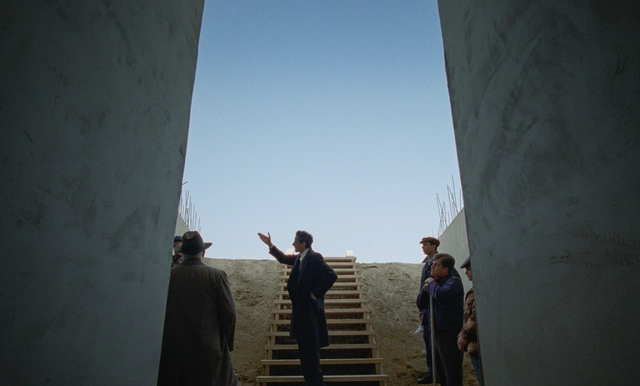
If you have not yet seen "The Brutalist" and plan to do so, I recommend that you stop reading now and save this piece for after you watch it. Spoilers abound in the paragraphs below. If you are expecting a traditional film review, my apologies in advance: this is an architectural critique stemming from the themes explored in the movie.
The film's final line prompts an interesting debate on the architectural design process: "No matter what others try to sell you, what matters is the destination, not the journey." The line is spoken by Zsófia, niece of fictional architect László Tóth, the protagonist of "The Brutalist," during the epilogue showcasing his international recognition at the first Venice Architecture Biennale in 1980, titled "The Presence of the Past."
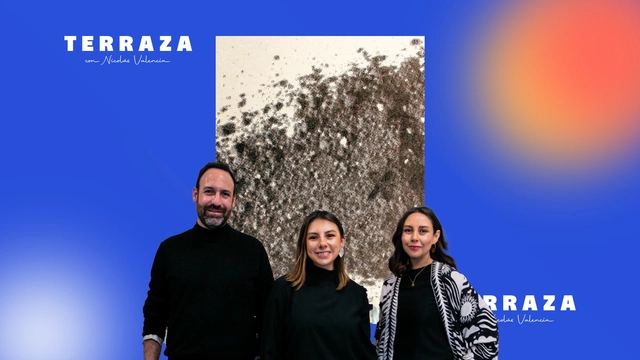
In Quito, Nicolás Valencia speaks with Ecuadorian architects Carolina Rodas, Carla Chávez, and Felipe Donoso, founders of the award-winning firm Rama Estudio, about their book "Los primeros diez años. Crítica de obra" (The First Ten Years. Critique of Work), published in 2024 by Flap.
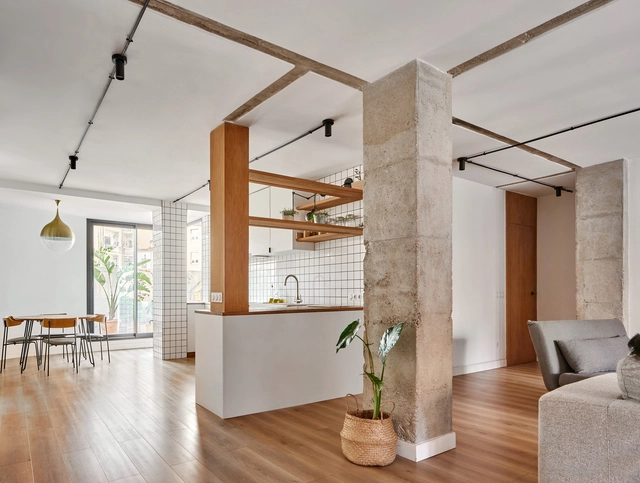
The spaces we inhabit are filled with movement, activities, and encounters: the kitchen where we prepare food, the living room where we gather, and the office where we work. Amidst all this, certain elements go unnoticed, yet connect our experience with the environment: switches, outlets, and wall plates. These devices not only distribute power but also structure and facilitate our interaction with space, serving as nodes that link functions and circulation paths while reinforcing the aesthetic identity of interiors.
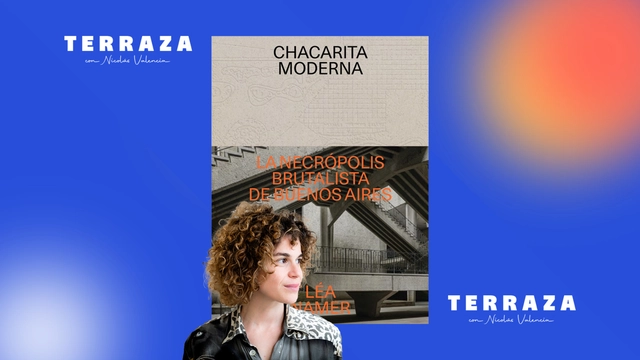
Nicolás Valencia speaks with French architect Léa Namer, author of Chacarita Moderna, the Brutalist Necropolis of Buenos Aires, where she investigates the Sexto Panteón in the Argentine capital and the history of its forgotten architect, Ítala Fulvia Villa.
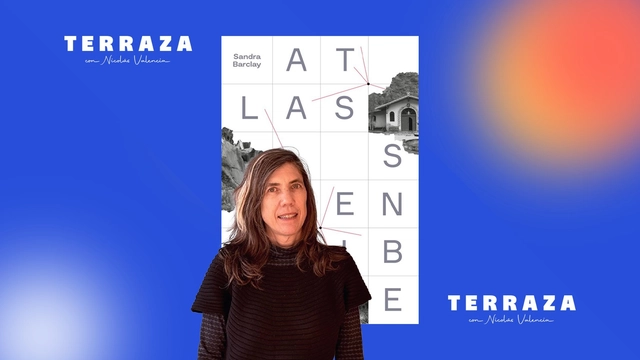
Nicolás Valencia speaks with Peruvian architect Sandra Barclay, founding partner of Barclay & Crousse Architecture, about the book Atlas Sensible: tiempo, memoria y recorrido en la construcción del paisaje, published by Publicaciones Arquitectura PUCP and Fondo Editorial PUCP.

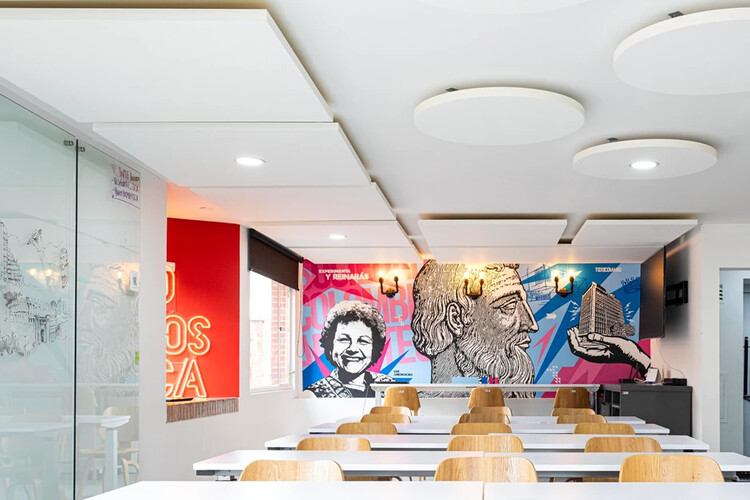
Beyond their aesthetics, materiality, or installation methods, the role of ceilings in contemporary architecture is no longer limited to hiding building structures or internal building systems. By providing functional benefits such as acoustic absorption, thermal insulation, energy efficiency, fire protection, integrated lighting, and ease of maintenance, different ceiling layouts combine flexibility and versatility to meet the diverse needs and uses of their occupants. Offices, restaurants, clinics, retail shops, and other interior spaces take center stage through the use of ceilings designed with clear intentions and narratives.
We invite you to participate in the 2025 ArchDaily Brasil Building of the Year Award. Now in its ninth edition, we charge our readers with the responsibility of recognizing and rewarding the projects that have made the greatest impact on the profession. By voting, you become part of an unbiased network of judges, recognizing the most relevant projects built in Portuguese-speaking countries over the past year. Only a few days remain until the end of the nomination stage, which will select the 15 finalists for the 2025 ArchDaily Brasil Building of the Year Award.
Registered users can vote for their favorite project once per day. The nomination stage closes on April 1 at 11:59 PM (Brasília time, GMT-3).
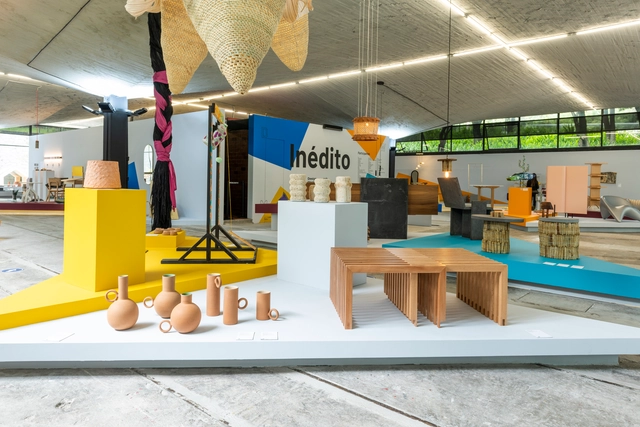
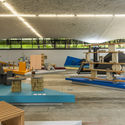
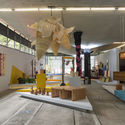
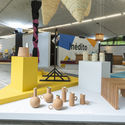
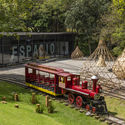
As part of the annual collaborative efforts of the Design Week team in Mexico City, the "Inédito" exhibition opened on October 9 at the Espacio CDMX Arquitectura y Diseño gallery. It marks the sixth consecutive edition of this open call, which aims to support, promote, and showcase utilitarian design projects across several categories: social impact, environmental impact, innovation, function, aesthetics, concept, user experience, materials, and processes. The exhibition is divided into three categories—professional, student, and digital—where, far from competing, participants gain exposure to opportunities in both national and international markets for outstanding design with commercial and production viability.
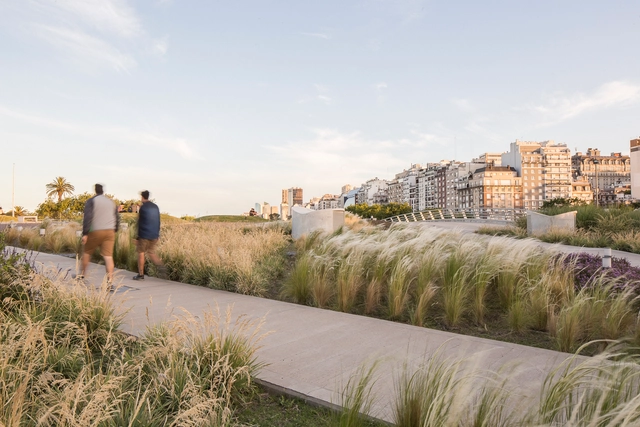
Bulla is an Argentine landscape design, urban, and territorial planning studio that has dedicated over a decade to "inserting a landscape agenda into the public and intellectual scene." To explore their beginnings, purpose, methods of working, reflecting, and exploring, as well as their vision for the future of landscape architecture in Argentina, we interviewed Ignacio Fleurquin, founding partner.
_11.44.10.jpg?1595954667&format=webp&width=640&height=580)
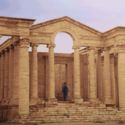
Despite UNESCO's recognition of specific World Heritage sites, many of them remain in constant danger of disappearing due to natural phenomena like earthquakes and human factors such as urbanization. By definition, these landmarks are vital to human history, possessing characteristics that reflect the deepest values of diverse civilizations. Nevertheless, much of the global population has never experienced them in person.
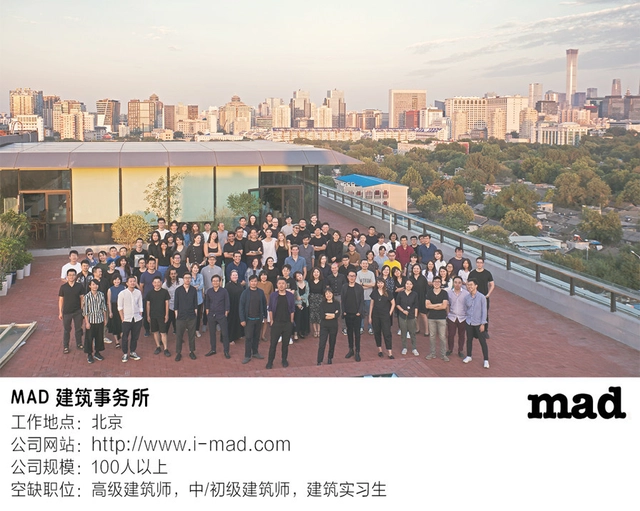
MAD’s Beijing office is currently seeking talented professionals to fill several open positions.

Have you ever had to alter an original design due to construction difficulties or budget overruns, yet never because it negatively impacted the environment?
That is why we want to give our readers the opportunity to openly express their views on this matter. If we were fully aware of the environmental costs of materials today, or their potential future consequences, or the real, global challenges that arise during construction, would it change the way we select and create our designs? Would it be easier for us to advocate for our projects to others and fellow professionals?
.jpg?1579619906&format=webp&width=640&height=580)
Architect Cristián Boza Díaz, known for designing the Parque Fluvial de la Familia, the Centro de la Justicia, and the Universidad San Sebastián in Santiago, Chile, passed away today at the age of 76 following a liver disease that afflicted him in his final years.
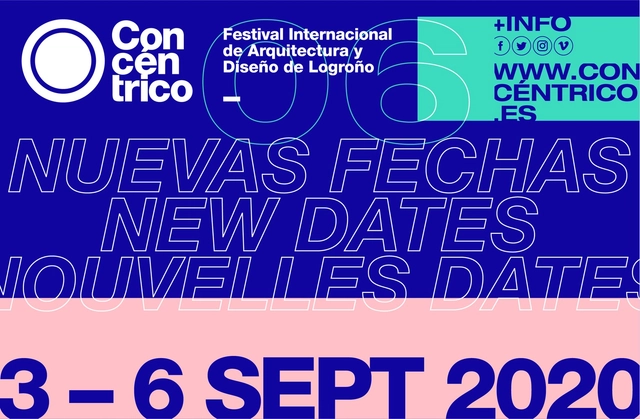
Due to the global coronavirus pandemic, the sixth edition of the Concéntrico International Architecture and Design Festival has been postponed, with new dates set for September 3 to 6, 2020.
The postponement is accompanied by an innovative online coverage initiative called the "Concéntrico Marathon," which will take place during the originally scheduled dates, from April 29 to May 3, 2020.
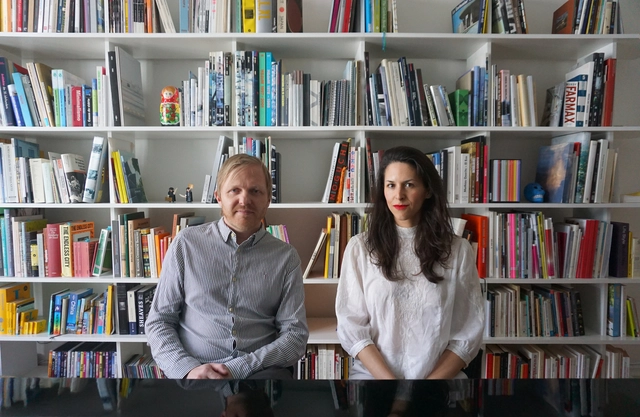
In this exclusive interview with ArchDaily, Ingrid Moye and Christoph Zeller, founders of the Mexico City- and Berlin-based firm Zeller & Moye, discuss the history of the practice, as well as how their personal and professional interests have evolved over the years regarding their way of living and making architecture.

The world is changing; it always does, only faster and faster. With it, our profession as architects is also changing, and new market horizons are opening up before us. A new definition of what it means to “be an architect”—one that is both necessary and long-awaited by many—is beginning to take shape, and in this article, I want to help open your eyes so you can join this exciting movement of independent architects.
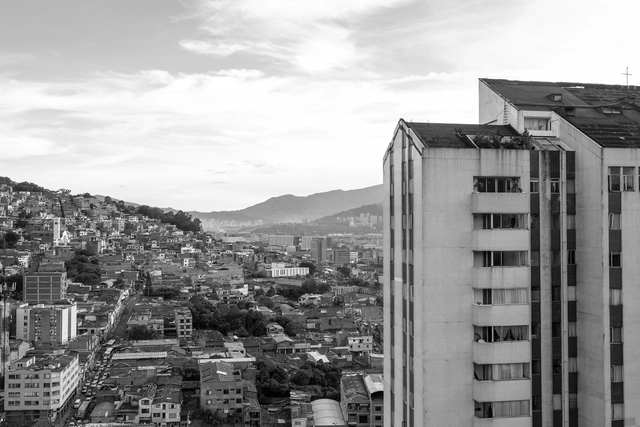
As in most cities, modern architecture left behind landmarks that endure today as exemplary icons shaping the urban landscape and defining each city's identity. One such case is the Torres de Marco Fidel Suárez, designed by architect Eduardo Arango and located in the city of Medellín. Architects and researchers Diego Andrés Agámez Berrio and Daniel Muñetón Muñetón have published a study through the Universidad de San Buenaventura and Editorial Bonaventuriana, investigating the architectural and design compositions of this landmark *paisa* project.








_11.44.10.jpg?1595954667)