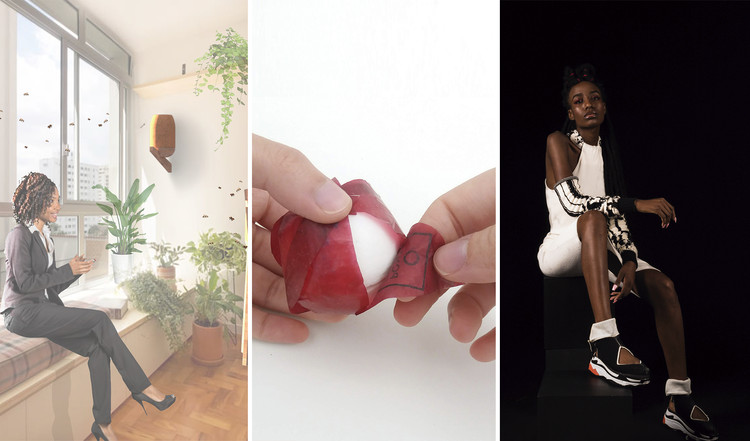
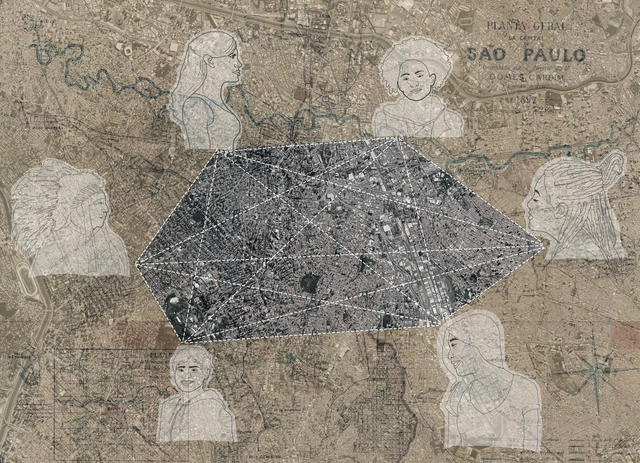
To live in the city and to experience the city is to be open to any and every event. Within a single day, we pass through different places and spatialities, with distinct compositions and tempos. No day is like another, as we are in constant motion, facing a random combination of events that affect both objects and subjects—shaping the spaces we traverse and the perceptions we experience. In light of this reflection, a discussion emerges on the effects of architecture and urbanism beyond the visual realm, linked to the individual's sense of belonging to space and based on urban form and dynamics. How can we grasp the effects of the object on the subject and vice versa? What is the materialized reading of the city as a reflection of societal actions?
https://www.archdaily.com/1127912/urban-fabrics-sao-paulo-society-as-a-reflection-and-extensionCamila Yumi de Campos
A brief preview of Uncertainty, the Spanish Pavilion for the 17th International Architecture Exhibition at the Venice Biennale, which will take place from May 22 to November 21.
As an overwhelmingly hegemonic field in which cisgender white men have historically held, and continue to hold, the majority of prestigious positions—from the leadership of major firms to international accolades like the Pritzker Prize—architectural practice has traditionally rendered invisible the careers and professional experiences of many women architects.
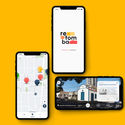
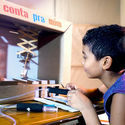
Motivated by the enrollment of a classmate with a disability at the Dona Escolástica Rosa State Technical School (Etec), logistics students at the institution developed a project that could transform public transit in the city of Santos, São Paulo. The project consists of an audio system designed to assist and offer autonomy to passengers who face mobility challenges.
The latest episode of Arquicast features Gabriela de Matos, who was named 2020 “Architect of the Year” by the Institute of Architects of Brazil – Rio de Janeiro Department (IAB-RJ). She is also one of the invited speakers at the 27th World Congress of Architects, organized by UIA2021 RIO.
Videos
Still from "Meu negro", by Ricardo Aleixo. Image: YouTube reproduction
The Terra Preta Cidade collective has published an excerpt of an interview conducted by Natália Alves with Ricardo Aleixo—who is a poet, visual and sound artist, performer, researcher of intermedia poetics, singer, songwriter, essayist, and editor. In this special encounter, Ricardo shared his entanglements with the city, urban space, the body, performance, and racial issues, among other themes.
https://www.archdaily.com/1128208/performancity-interview-with-ricardo-aleixoTerra Preta Cidade
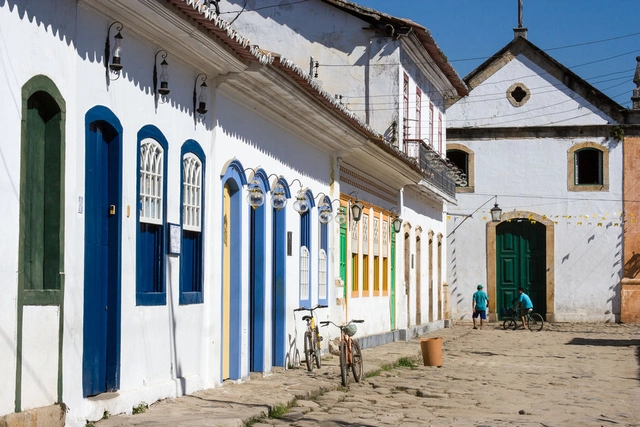
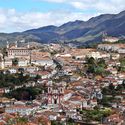
Paraty, Rio de Janeiro. Photo by Angus McIntyre. License CC BY-NC 4.0
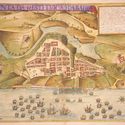
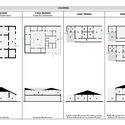
The period between the 16th century and the early 19th century in Brazil, known as Colonial Brazil, began when the Portuguese invaded Brazilian territory and imposed the colonization process. In architecture and urbanism, this process established a series of standards that, over the centuries, shaped the country's architecture and cities.
With the arrival of the Portuguese, the first settler installations emerged in Brazilian territory, characterized primarily by their precariousness and inability to defend against other invaders. Following the Portuguese Crown's decision to divide the land into hereditary captaincies administered by donatary captains, villages and urban settlements began to emerge.
Urban Design and Road Works Manual. Image: Courtesy of WRI Brasil
Cities are constantly changing. When guided by biased or outdated premises, changes to urban spaces tend to imprint these mistakes onto the territory. However, when guided by a shared vision that prioritizes safety and active mobility, these interventions can guide the transformation of the city into a more democratic, welcoming, walkable, and safe place. The new São Paulo Urban Design and Road Works Manual points toward exactly this kind of city.
https://www.archdaily.com/1128278/5-innovations-in-sao-paulos-new-urban-design-and-road-works-manualDiogo Lemos, Andressa Ribeiro e Fernando Corrêa
The Federal University of Rio de Janeiro (UFRJ), through its Library and Information System (SiBI), has conducted a detailed survey of academic publishers across Brazil's leading universities, compiling a list of 2,650 titles available for free download.
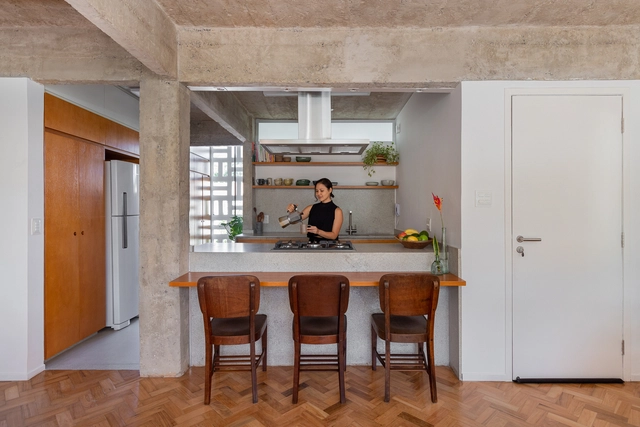
Once seen as a strictly utilitarian service area, the kitchen has increasingly integrated into daily family life, establishing itself as one of the most used spaces in a home. To seamlessly connect it with the rest of the residence, especially in small apartments, open-plan kitchens have become a favorite choice among clients.
In this episode of the Caos Planejado podcast, the discussion explores alternatives for pedestrian mobility and the occupation of public spaces through tactical urbanism. The guest is Letícia Sabino, founder and director of SampaPé, an organization that has been working since 2012 to transform cities into more walkable environments alongside people.
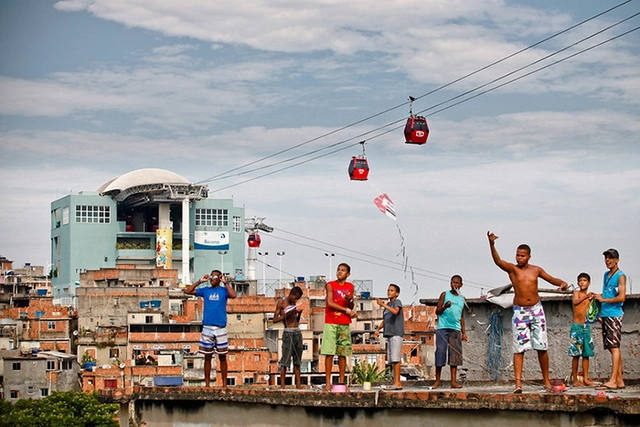
Since the beginning of the pandemic, educator Camila Regina and cartographer Henrique Lima have noticed a significant increase in kites in the skies over Rio de Janeiro's peripheral neighborhoods. These colorful paper diamonds and deltoids are guided by the hands of children and adults who cannot leave their homes, but can go up to their rooftops to fly kites.
Inspired by this reclaiming of the skies and their own histories with kites, the two kite flyers founded Pipasgrafias, a multimedia project about the activity. Video, text, and illustrated stories—along with an interactive map—portray what it is like to fly a kite in Rio's various peripheral neighborhoods.
The 27th World Congress of Architects UIA2021RIO will be a hybrid event, featuring virtual sessions starting in March, and in-person activities from July 18 to 22 in Rio de Janeiro, broadcast live online to congress participants worldwide.
The first UIA2021RIO World Architects Week, featuring digital content, will take place from March 22 to 25. During this week, the content will be free to access; afterward, it will only be available to registered Congress participants. The theme chosen to open UIA2021RIO in March is one of the most pressing global concerns today: social vulnerabilities and inequalities.
As previously explained in an earlier article, the concept of modulation in architecture refers to adapting a design to a defined module, whether based on a specific baseline measurement or the dimensions of a given building material.
Closely linked to this concept, yet grounded in other definitions, modular construction relies on the study and planning of transportable prefabricated modules assembled on-site. Consequently, these structures are typically completed faster and more efficiently than traditional ones.
Currently, one of the most promising fields for design professionals is the planning of open, natural, and urbanized areas that shape the city’s landscape. The fragile balance of urban water systems and the social consequences of the global climate crisis are large-scale examples of how the lack of awareness regarding the importance of natural ecosystems impacts quality of life in cities. It is with this in mind that we must closely examine the role of landscape design and landscape architecture.
Urban resilience was put to the test as the pandemic swept quickly and drastically through cities. Limiting movement, contact, and access to public spaces was the most effective strategy for containing the virus. However, the city's infrastructure, compounded by a lack of emergency public policies, proved far from resilient. This vulnerability was exposed as a large portion of the population was forced to continue commuting long distances on public transit to work in essential services, and as the physical and mental health of residents suffered from a lack of access to safe spaces for physical activity—underscoring the city's precarious supply of public spaces.
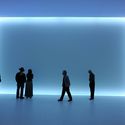
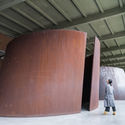
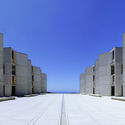
In 1979, Rosalind Krauss published her classic article Sculpture in the Expanded Field in the journal October, in which she identifies a certain fraying of boundaries in the field of sculpture, “showing how the meaning of a cultural term can be extended to include almost anything” [1]. The critique, specifically directed at artistic work produced between the 1960s and 1970s, was used 26 years later, in 2005, as the foundation for the publication of Architecture’s Expanded Field by Anthony Vidler.
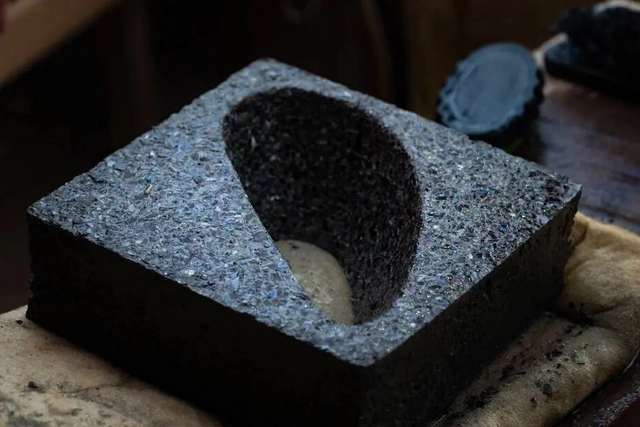
Considered an intangible cultural heritage by the State Council of Culture (CEC) of Alagoas, the sururu is a mollusk whose harvesting is the main source of income for several communities in the state. Around the Mundaú lagoon alone, in Maceió, five communities living below the poverty line produce approximately 300 tons of sururu shells annually—a massive amount of waste that previously had no use and ended up in the Alagoas capital's landfills.
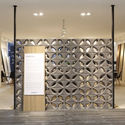
Recognizing its significant economic and social engagement potential, designers Marcelo Rosenbaum, Adriana Benguela, and Rodrigo Ambrósio developed the Cobogó da Mundaú project, which incorporates sururu harvesting waste into the manufacturing of architectural screen blocks.
Anyone working as an urban planner or interested in urban issues has undoubtedly heard—extensively—about the "Smart Cities" movement. The premise is that there is nothing in cities that the use of data (especially "big data") or technology cannot solve. This has led to a series of claims about how we can address challenges as complex as housing, traffic, and inequality simply by creating more elaborate models based on big data or deploying new forms of technology.
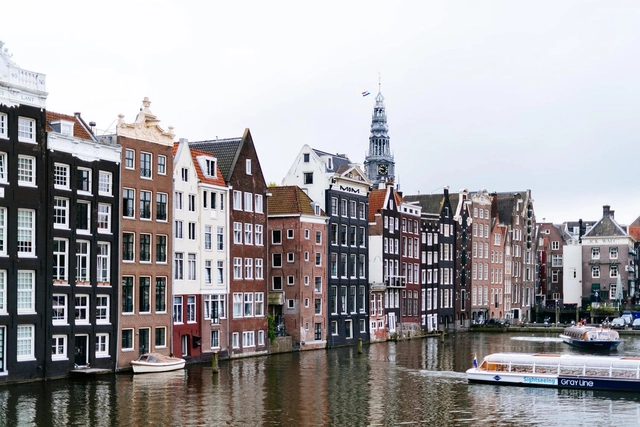
Amsterdam, Netherlands. Photo by Roman Kraft via Unsplash
Anyone interested in urban policy will likely, at some point, come across the term “compact city.” This expression has become a staple of urban planning. Proposals associated with the concept favor denser development, with commerce and services close to residential areas, encouraging pedestrian, bicycle, and public transit mobility. Some European capitals, such as Copenhagen and Amsterdam, are often pointed to as examples of this model. Its counterpart is the sprawling city, where neighborhoods are predominantly residential, far from downtown, and require long commutes from home to work.
Two months and eleven days after the start of 2020, the World Health Organization (WHO) declared Covid-19 a pandemic. To contain the spreading threat, citizens and authorities had to devise collective strategies and alter their behavior. This battle between virus and humanity also called into question the very existence and preservation of one of humanity's most important creations: cities.
As the symbol of an environment defined by casual encounters among different people and diverse experiences, those governing urban areas were challenged to convince—and, in some cases, force—their populations to stay home as the primary measure to contain transmission.
https://www.archdaily.com/1128408/can-the-pandemic-scenario-lead-to-walkable-citiesLeticia Sabino e Louise Uchôa
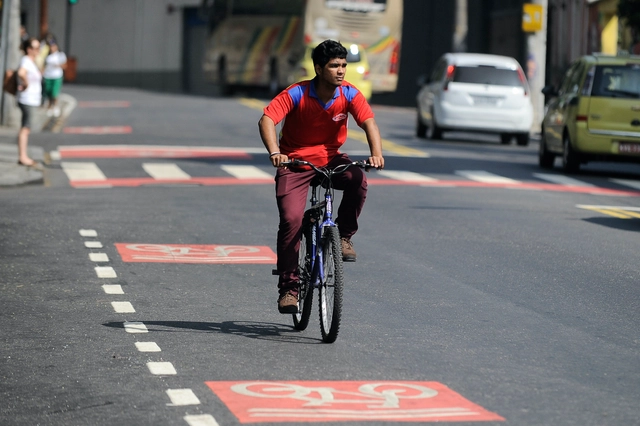
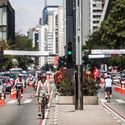
New section of the Cosme Velho-Laranjeiras bike lane, Rio de Janeiro. Photo: Tânia Rêgo/Agência Brasil
Sprawling urban footprints, high temperatures, rugged terrain, and a lack of safety. What are the pathways to promoting cycling as a mobility alternative in Brazilian cities? To explore this topic further, Caos Planejado hosts Glaucia Pereira, founder of Multiplicidade Mobilidade Urbana and a director and member of Cidadeapé, and Rosa Félix, a bicycle mobility researcher at the U-Shift laboratory.
The winners of the 3rd Tomie Ohtake Institute Leroy Merlin Design Award have been announced. The award ceremony, which was originally scheduled to take place in person at the Tomie Ohtake Institute alongside the exhibition of the projects, was held virtually for invited guests due to the novel coronavirus pandemic.
A total of 15 projects were selected from 213 entries representing 20 Brazilian states and the Federal District.
For the fifth time, we are giving our readers the responsibility of recognizing and awarding the projects that have made the greatest impact on the profession through the ArchDaily Brasil Building of the Year 2021 Award. By voting, you become part of an unbiased network of jurors recognizing the most relevant projects of the past year.
Over the next three weeks, the collective intelligence of our readers will filter through hundreds of projects from Portuguese-speaking countries – Brazil, Portugal, Mozambique, Angola, Guinea-Bissau, East Timor, Equatorial Guinea, Macau, Cape Verde, and São Tomé and Príncipe – published in 2020, selecting the best built works in the Portuguese-speaking world.
From hundreds of works published in 2020, readers will choose their favorites, with the 15 most-voted projects moving on to the second stage of the Award.
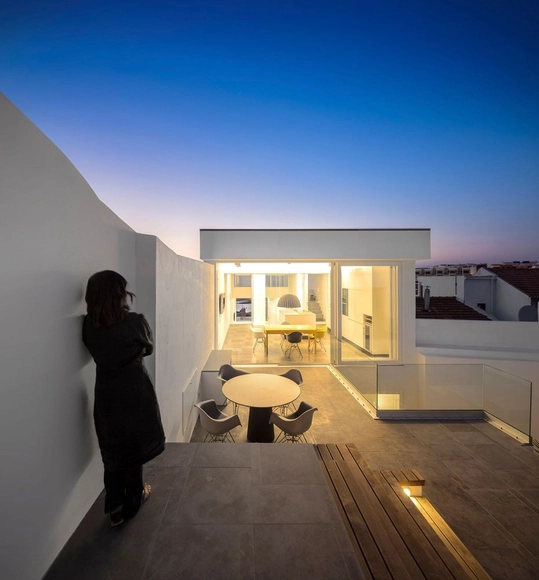
.jpg?1612895539 "Vale de Margem House / Marlene Uldschmidt. Image: © Fernando Guerra | FG+SG")











.jpg?1614091577&format=webp&width=640&height=580)
.jpg?1614091577)