Alberto Cruz, one of the Chilean architects who re-founded the School of Architecture of the Pontificia Universidad Católica de Valparaíso and founder of Amereida and the subsequent Open City, left behind more than 2,200 notebooks and folders, 200 drawings in various techniques, formats, and mediums, and around a thousand documents when he passed away in 2013.
Five years earlier, his granddaughter, historian Sara Browne, began working with Cruz to catalog his private output. Today, this entire archive is part of the Alberto Cruz Covarrubias Foundation, a space dedicated to honoring the memory of the 1975 National Architecture Award recipient.
In this email conversation with Browne, the historian examines the challenges of conserving and digitizing this historic archive, while also reflecting on Cruz Covarrubias's legacy.
The 2019 Architecture Prize was a call for entries launched by the National Endowment for the Arts (FNA). Geared toward young architects, it aimed to highlight and showcase cultural projects built in Argentina, including museums, theaters, auditoriums, concert halls, art galleries, radio studios, cinemas, libraries, bookstores, art studios, production workshops, rehearsal spaces, and community, private, or public cultural spaces.
One of the first things I hear upon arrival is that the sixth edition of the Academic Event of the School of Architecture (EARQ) was not only organized by students, but is also part of the graduation requirements to become an architect at the Pontifical Catholic University of Ecuador (PUCE-SI). This management work, without a doubt, carries conditions that closely align with what we recognize as necessary in our discipline today.
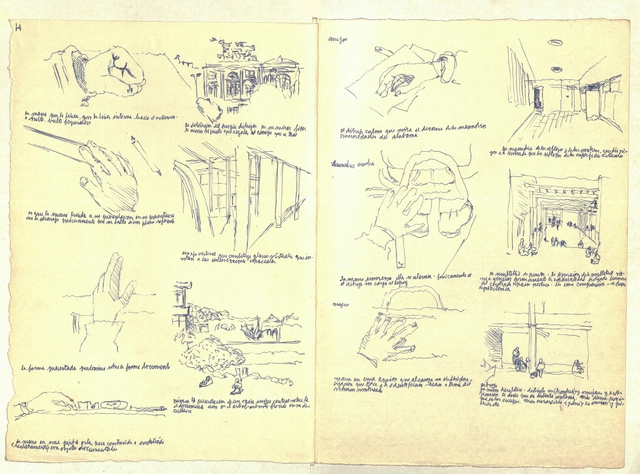
Oneblock proposes a record that not only investigates the uses and potential of everyday objects—and their resulting actions or spaces—but presents drawing as a tool "requiring constant updating to represent, at all times and with the utmost clarity, what it truly aims to convey, responding to the needs of society at every point along the unstoppable timeline." Read below for an in-depth look at the work in the authors' own words.
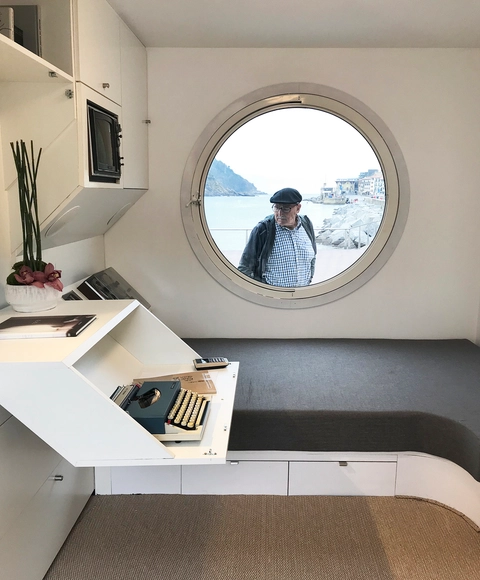
At a time when micro-housing has moved to the center of debate—driven by rapid urban densification and emerging social needs—the proliferation of micro-units such as capsule hotels in Europe has sparked conversations about the future of our cities, offering new ways to adapt to contemporary living. Against this backdrop, the MUGAK Basque Country International Architecture Biennial presented an installation titled "Nakagin 1:1," a full-scale replica of one of the capsule units from the Nakagin Capsule Tower by Kisho Kurokawa in Tokyo, Japan. Located next to the San Sebastián Royal Yacht Club, the installation overlooks one of the Basque Country's most iconic spots, La Concha Bay, allowing visitors to experience firsthand what it feels like to inhabit these micro-housing units of just 10 m2 at a 1:1 scale.
Tomorrow, Chile celebrates Cultural Heritage Day, marking two decades since its inaugural edition. This year, a wide range of buildings will open to the public, featuring free tours and activities on Saturday, May 25, and Sunday, May 26.
Below, we highlight 10 unique initiatives that promise a distinct experience.
During June, Mexico City hosted one of the world's most famous workshops for the first time: Porto Academy. Held annually at the Faculty of Architecture of the University of Porto—designed by 1992 Pritzker Prize laureate Álvaro Siza—this event is the result of a deep passion for architecture and for those who believe that practice, as the exercise of the profession, is fundamental to the future of the discipline.
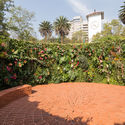
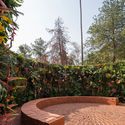
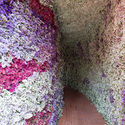
The Flower and Garden FestivalFYJA is an event held in Mexico City that brings together landscape architects, architects, artists, designers, artisans, gardeners, and students. In each edition, participants create a route featuring various activities and exhibitions, offering everyone—from experts and enthusiasts to the curious—the chance to engage with horticulture and experience the benefits of plants.
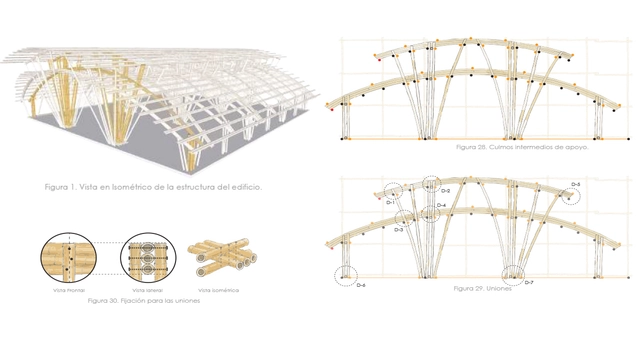
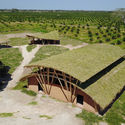
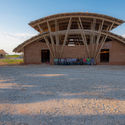
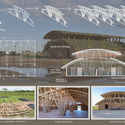
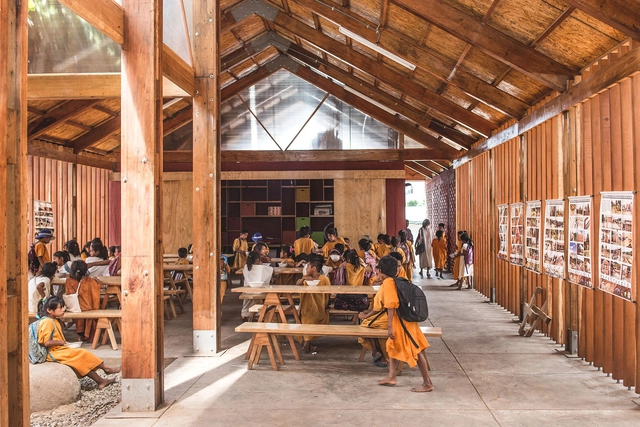
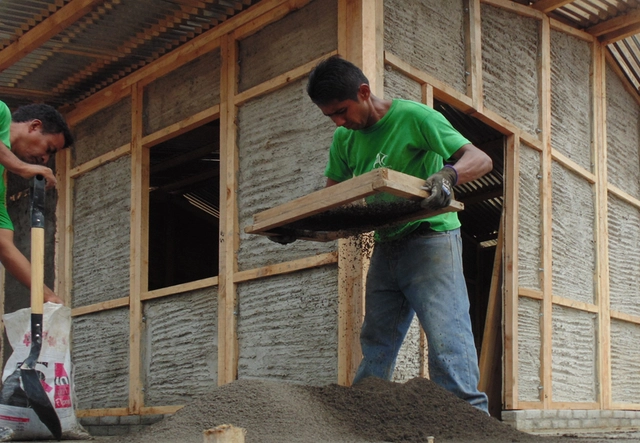
Bamboo is a building material that has been used since antiquity in various structures, demonstrating its superiority over modern materials such as plastic and steel. This is due to its countless benefits, as well as an incomparable aesthetic appeal that has positioned it as one of today's leading architectural trends.
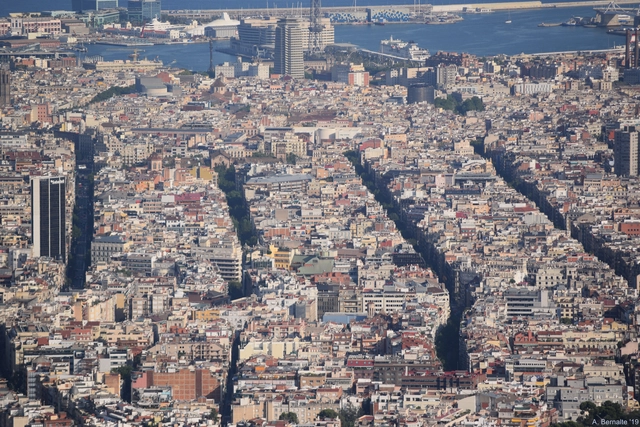
CityMakers is working with ArchDaily to publish a series of articles, conversations, and interviews with various actors in city co-production, who are behind the Barcelona CityMakers Lab 2019, an event taking place from October 14 to 20.
On this occasion, we feature Oriol Estela Barnet, general coordinator of the Barcelona Metropolitan Strategic Plan, who will give a MasterClass at the Barcelona CityMakers Lab 2019 addressing the concept of “a third generation of strategic urban plans: the case of Barcelona.”
The XI Ibero-American Biennial of Architecture and Urbanism (XI BIAU) recently announced the 210 selected works for its upcoming edition, which will be held for the first time in Asunción this October.
The winners of the Panorama of Works Award will be chosen from this list of selected projects, which includes the 14 Peruvian works featured below.
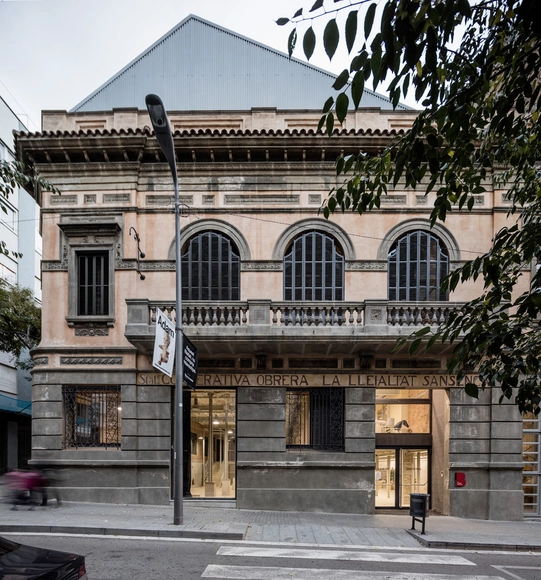
Twelve finalist projects, one honorable mention, and five winning works were announced yesterday in Barcelona, marking the results of the 4th edition of the AADIPA European Award for Architectural Heritage Intervention.
https://www.archdaily.com/1120673/these-are-the-winners-of-the-european-award-for-architectural-heritage-intervention-aadipa-2019ArchDaily Team
The National Architecture and Urbanism Award, presented by the Colombian Society of Architects (SCA), recognizes projects that outstandingly showcase the finest contributions to Colombian architecture.
Through the Urban Development Corporation (EDU) and the Colombian Association of Architects (SCA), Medellín launched an international competition to design a space of memory and reflection on the period between 1983 and 1994, one of the most violent eras in the Colombian city. The competition jury awarded first prize to the design team of Taller Alterno, Pequeña Escala Arquitectura, and Luis Felipe Zapata Flórez.
Read more about the project below, in the words of its designers.
Inflection. Def. A change of direction in a process or movement / A bend or angle in a flat or straight object
Continuing the series of articles by Nikos A. Salingaros, David Brain, Andrés M. Duany, Michael W. Mehaffy, and Ernesto Philibert-Petit on social housing in Latin America, this installment explores economic alternatives to address construction costs. Review all previous publications and the new article below.
https://www.archdaily.com/1120709/financing-strategies-focused-on-the-small-scale-for-social-housing-in-latin-americaNikos A. Salingaros, David Brain, Andrés M. Duany, Michael W. Mehaffy & Ernesto Philibert-Petit
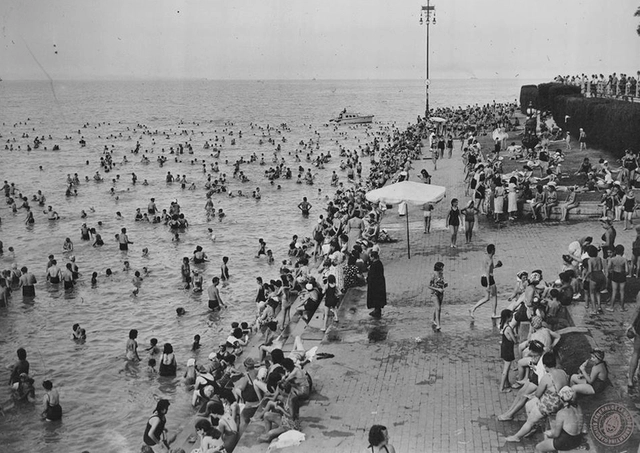
1949 The breakwater of the Municipal Seaside Resort of Buenos Aires
That the river is a significant element for the City of Buenos Aires is nothing new. It was through this waterway that the first founders arrived, the products of the land departed, and the labor and machinery needed to build a nation made their entry. This geographical feature holds deep historical significance and has acquired great symbolic value on an urban scale. Therefore, this article compiles a series of projects that, centering on the City-River relationship, demonstrate how these two elements can be bridged to create new areas of opportunity.
From September 30 to October 7, Madrid will be the featured capital of the 16th Architecture Week 2019, organized by the Official Association of Architects of Madrid (COAM) through the COAM Architecture Foundation.
Juan Navarro Baldeweg liked to imagine his work within a dreamlike room, where the outlines of his buildings are silhouetted against a horizon of visual vanishing points, with the spectator positioned at their center of convergence. He aspired, moreover, for his exhibitions to be cumulative rather than retrospective—inviting the viewer to wander and trace connections between his works, linking them like elements of a single expressive medium or distinct formal gestures.
In contrast to the rigidity of classicist attitudes and the modern synthesis of artistic languages, Navarro Baldeweg—unbeknownst to many—champions the simultaneous cultivation of diverse, sometimes opposing disciplines and distinct arts. This fluid movement, free of preferences or boundaries across the broad spectrum of artistic practices, foreshadowed approaches that are widespread today, such as nomadism and the poetics of the "in-between." This nomadism does not stem from opportunism, but from a creative impulse, a restless eye, a trained gaze—in short, the work of a total artist.
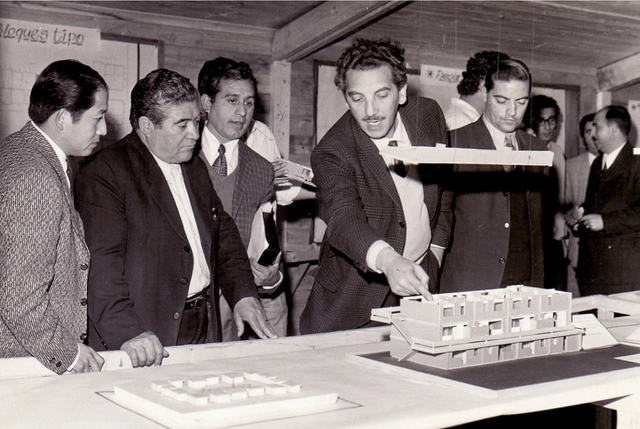
Lawner served as the executive director of the Urban Improvement Corporation (CORMU) until the 1973 Chilean coup d'état, during which he was detained in concentration camps before being exiled to Denmark. Both from abroad and following his return, he has been recognized for his social housing projects, as well as his research and advocacy exposing human rights violations.
via Flickr user: icelight Licensed under CC BY 2.0
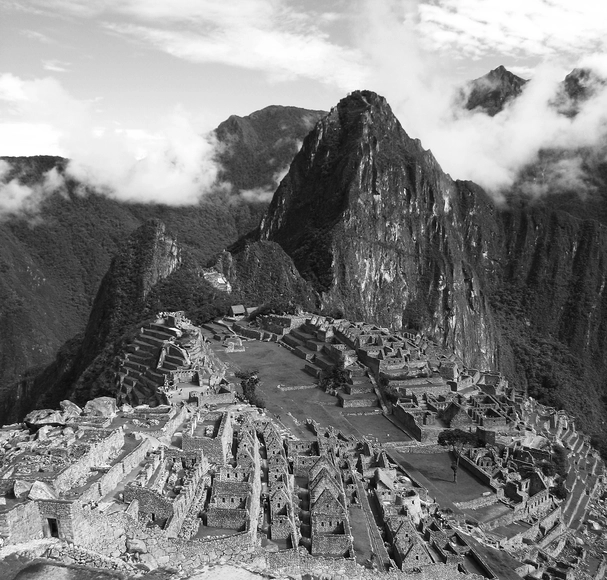
Media outlets and social networks have been abuzz with controversy surrounding the Chinchero Airport project, a new international air terminal in Peru. The project aims to replace the current Alejandro Velasco Astete International Airport in downtown Cusco and improve direct connections to nearby destinations, most notably Machu Picchu.
Bogotá is a city where urban life is nourished by the experience of inhabiting its public spaces. The urban planning of most colonial Latin American cities is structured around a foundational plaza; in the case of Bogotá, the urban grid is guided by *carreras* running north-south and *calles* running east-west. Over time, key recreational areas have established themselves across the urban landscape, gaining prominent significance within the city.
This year, 2019, marks 170 years since French architect Claude Brunet de Baines established the first architecture chair in Chile, which would eventually become the School of Architecture at the University of Chile. Fermín Vivaceta, designer of the Central Market and co-designer of the university's central campus building (Casa Central), was part of its inaugural graduating class.
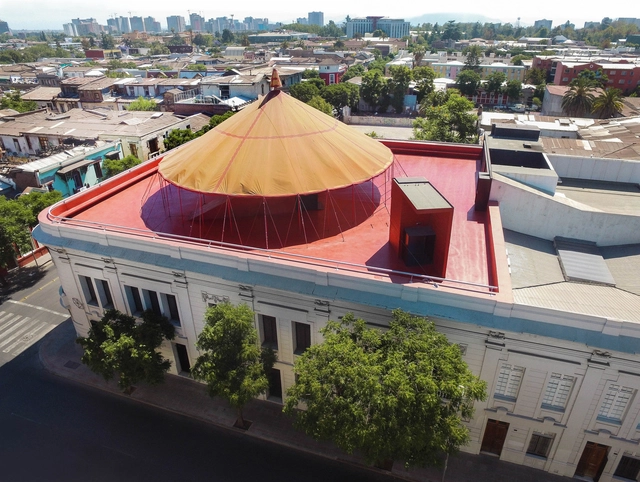
This year also marks the 75th anniversary of the founding of the university's Faculty of Architecture and Urbanism (FAU). To celebrate this double milestone, Dean Manuel Amaya—through the Strategic Projects Center directed by Guillermo Crovari—commissioned architect Domingo Arancibia to design a pavilion commemorating these two historic landmarks in Chilean architectural education.
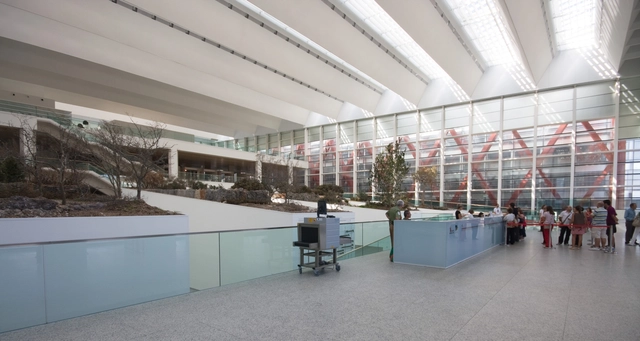
Arq. Rodrigo de la Peña y Arq. Gilberto Rodríguez, de Sasaki Associates, GLR Arquitectos + RDLP Arquitectos / Biblioteca Tec de Monterrey. Image Cortesía de Interceramic
As part of its annual awards program, Interceramic, a leading Mexican manufacturer and distributor of ceramic floor and wall tiles, celebrated the eighth edition of the Interceramic Architecture and Interior Design Award on October 17, 2019, at the Salón de las Artes of the JW Marriott Santa Fe Hotel in Mexico City. The awards aim to promote and recognize projects that best reflect contemporary design and express the current state of architecture and interior design, while also celebrating creativity in the use of Interceramic ceramic materials.
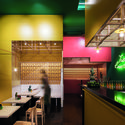
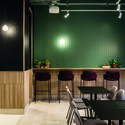
As part of the 12th edition of the ColorLife TRENDS program, this October, the brand Comex revealed the trends and the color of the year that will dominate in 2020. The program aims to promote the use of color across all industries and unlock its power as a visual tool to improve the environment, protecting and enhancing the lives of Mexicans. These trends were developed by 14 renowned creatives from various industries, including design, gastronomy, architecture, and fashion.











.jpg?1565372350&format=webp&width=640&height=580)


.jpg?1562341819&format=webp&width=640&height=580)


.jpg?1562341819)