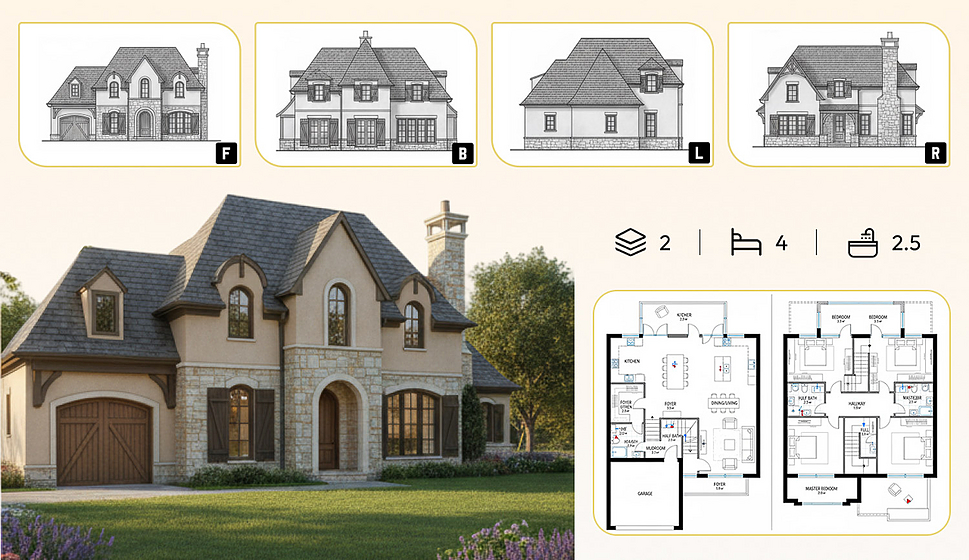
This guide covers a workflow that moves from project parameters to generated floor plans, 3D perspective views, exterior design exploration, and site context visualization, using AI tools in place of preliminary CAD and rendering work.
This guide covers a workflow that moves from project parameters to generated floor plans, 3D perspective views, exterior design exploration, and site context visualization, using AI tools in place of preliminary CAD and rendering work.

During Chilean architect Felipe Assadi's course at the 2019 Summer Workshop of the Faculty of Architecture of the IUAV University of Venice, students reflected on the idea of a floating city and its inhabitants, resulting in floating architecture for a fluctuating population. To this end, the architecture students built a wooden floating pavilion as a scale prototype of a micro-dwelling, which forms part of a geometric system for expanding the city over water.
Read about the project in detail below, in the words of its designers.
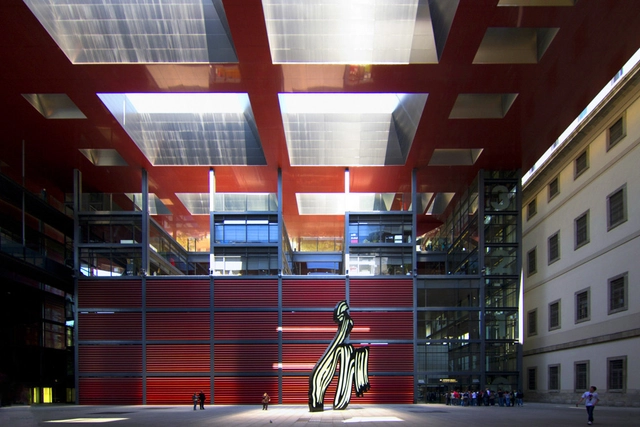
The family of José Antonio Coderch [1913-1984] has handed over the Catalan architect's significant archive to the Reina Sofía Museum in Madrid. With this acquisition, the renowned Madrid museum seeks to follow the path forged by other contemporary art institutions, such as the MoMA in New York or the Pompidou in Paris. Because these institutions already feature dedicated architecture departments, the Reina Sofía aims to expand its own holdings, incorporating both architectural movements and the individual professionals who shaped the art of building. This initiative has been promoted for several years under the leadership of the museum's director, Manuel Borja-Villel.
The archive, which was stored in a utility room at the home of one of Coderch's children, consists of 9,800 documents organized across 875 folders and dating from 1941 to 1978. It includes plans and sketches of his architectural projects; designs, photographs, and negatives of his works, alongside family photos; professional correspondence; invoices and receipts for each project; as well as magazines, books, publications, and scale models; portraits of the architect, several of his numerous awards, and personal belongings.
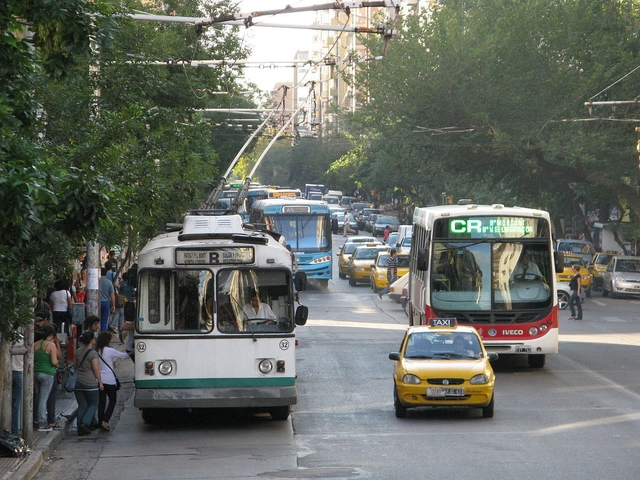
Since the mid-twentieth century, Latin American cities have undergone metropolization processes in which transportation has been heavily impacted by the exponential growth of private vehicle use. This is driven by rapid, unregulated urban sprawl that causes cities to spread extensively across the territory. This physical expansion is compounded by deficient public transit management and weak domestic socioeconomic conditions, both of which severely constrain the development of transportation systems.
Córdoba, Argentina's most populous city after Buenos Aires, is a prime example of this paradigm, featuring one of the largest urban footprints in the world at 576 square kilometers (excluding its metropolitan area). Its physical structure is radiocentric, with transport corridors converging in the city center, creating a dense core where services are concentrated and an ever-expanding periphery.

With the launch of the new Urban and Building Code, approved by the Buenos Aires City Legislature in late 2018, the city of Buenos Aires has begun to reconfigure how information is accessed in the urban and architectural fields. In line with this approach, Plano Abierto BA serves as a tool that allows any resident to access online data regarding development capacity, permitted uses, building heritage listings, maximum heights, construction records and inspections, and the current status of each individual plot in the city (including cadastral data, built area, and number of floors). This provides indicative urban planning information to facilitate the understanding of the New Urban Code of Buenos Aires.
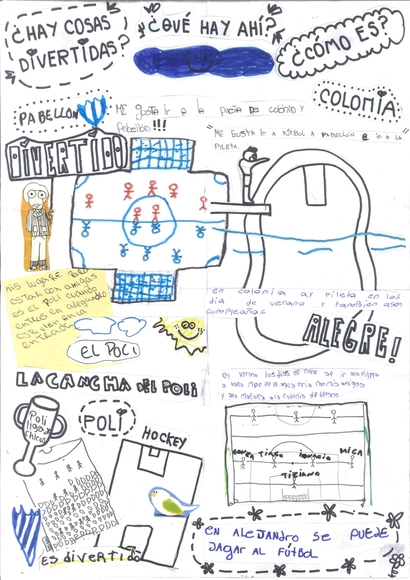
Today, when it comes to urban planning, the design and pursuit of inclusive cities is generally promoted. That is, fostering collective environments where all sectors of society can thrive.
How much easier would this task be if spaces were created where different segments of society could express their needs regarding how they live?
“Leo Leo! Que Ves? La ciudad contada por los niños y las niñas” is a project that originated in the city of Córdoba in 2017, within the framework of the artistic and cultural activities program of the Undersecretariat of Culture at the National University of Córdoba. It continues to develop activities such as “Ciudad niñez-ca,” led by Paola Antonietti and workshop facilitators Camila García Reyna, María Paz Pérez Roque, Rocío Maldonado, Gabriela Soto, and Matias Zanetti, alongside FAUD's Urbanism 1A department and the City and Territory Studies Workshop.
We explore this project through the words of its creators.

Usina de Innovación Colectiva is a cultural initiative of the School of Architecture, Design, and Urbanism at the University of the Republic in Uruguay.
It was established to revitalize disciplines related to architecture, design, landscape, and the city by creating opportunities that foster exchange, reflection, and the dissemination of work in these areas.
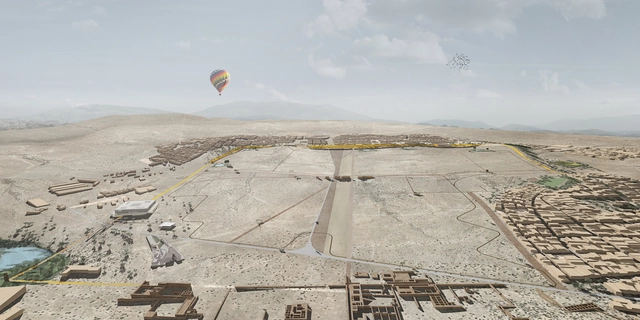
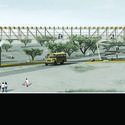
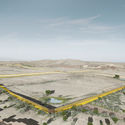
As part of the celebrations for the Bicentennial of Peru's Independence, the Ministry of Culture, the Municipality of Lima, and Grupo Centenario announced an international architecture and landscaping competition to design a metropolitan park along the perimeter of the Pachacamac Sanctuary in the Lurín district of Lima. The competition sought to encourage reflection on Lima's relationship with its historical and landscape heritage, as the Sanctuary houses some of the most important structures of the national archaeological heritage, spanning more than fifteen centuries of human occupation.
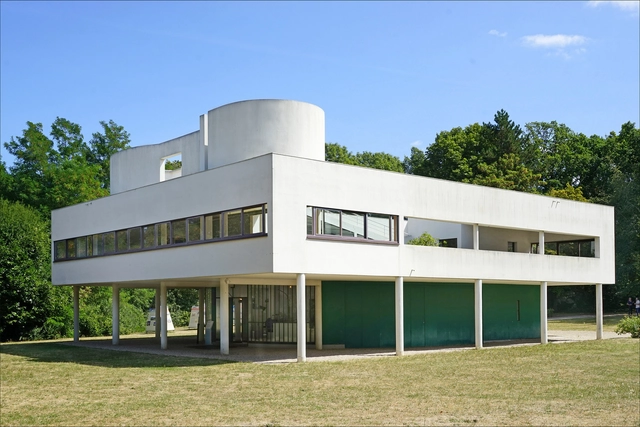
Fifty of today's leading architects—answering the call of the Now Institute and its director, Thom Mayne—were convened to assess the architectural legacy of the last century. Their goal? To compile a definitive list of 100 buildings that represent, in their view, the 100 most remarkable architectural achievements of the 20th century. Prominent figures such as Tadao Ando, Steven Holl, Richard Rogers, Kazuyo Sejima, Toyo Ito, Rafael Moneo, Kengo Kuma, and Denise Scott Brown, among others, formed the voting panel.

Alexandra Cohen presents her master's thesis on the systematic cartographic analysis of the morphological intersection between the Cerdà urban plan and pre-existing urban structures in Barcelona, Spain. Through her cartographic work, she aims to demonstrate how two highly distinct urban forms can integrate to bring immense value to the city, preserving history within a modern plan.
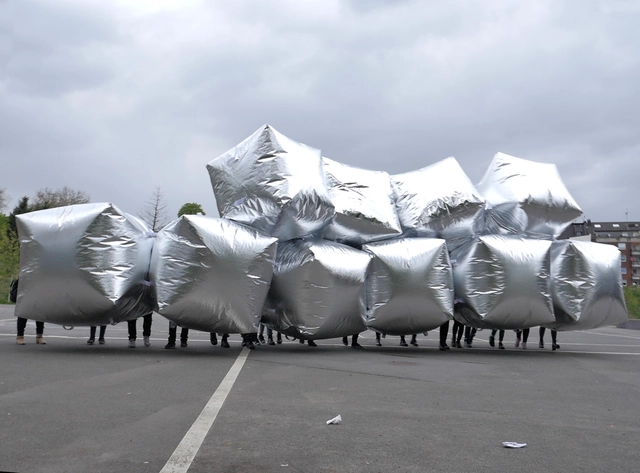
Concéntrico is an International Architecture and Design Festival that, through a democratic approach open to all citizens and visitors, aims to reflect on the urban environment and the city.

The abandoned industrial building of the Clesa Factory, which closed its doors for good back in 2012 after nearly two years in bankruptcy proceedings, is set to become the "Matadero" of northern Madrid. The industrial site, located at 67 Avenida de Cardenal Herrera Oria, was designed in 1959 by architect Alejandro de la Sota and officially opened in 1962. The former dairy plant's 37,928 square meters are now being transferred to the Madrid City Council, which aims to convert the space into a major “cultural container.”
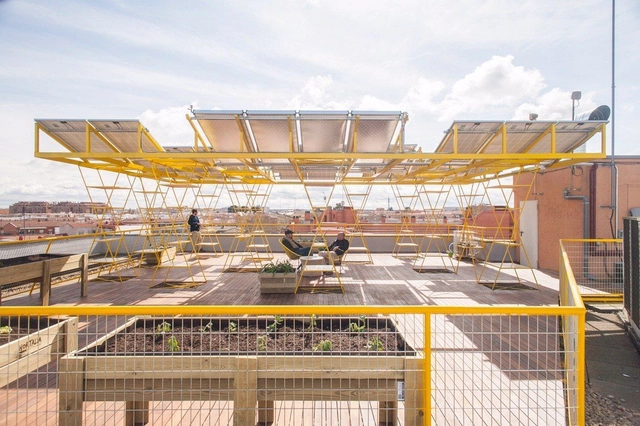
Mares is an urban transformation and social economy project developed by estudio SIC, VIC (Vivero de iniciativas ciudadanas) and TXP (Todo por praxis) in Madrid, Spain. The project reclaims four former buildings across four different districts of the city, converting them into innovation hubs. Each hub is linked to key urban challenges: Mobility, Food, Recycling, Energy, and Care.
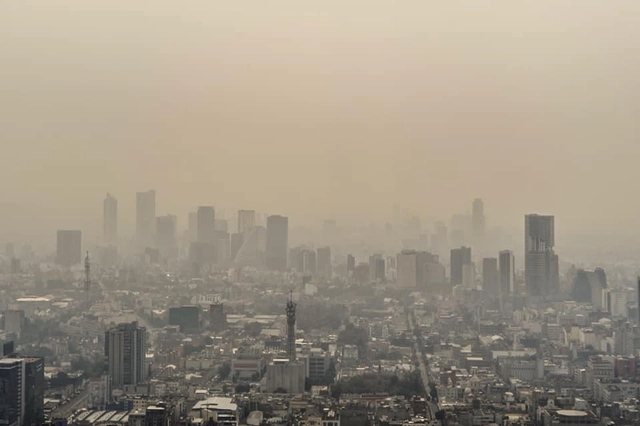
In recent days, Mexico City has experienced pollution levels reaching 150 points on the Air Quality Index in various areas, such as Nezahualcóyotl in the State of Mexico. On May 13 of this year, Mexico City Mayor Claudia Sheinbaum reported that while hazy conditions and low visibility prevailed in the nation's capital, an environmental contingency had not yet been declared.
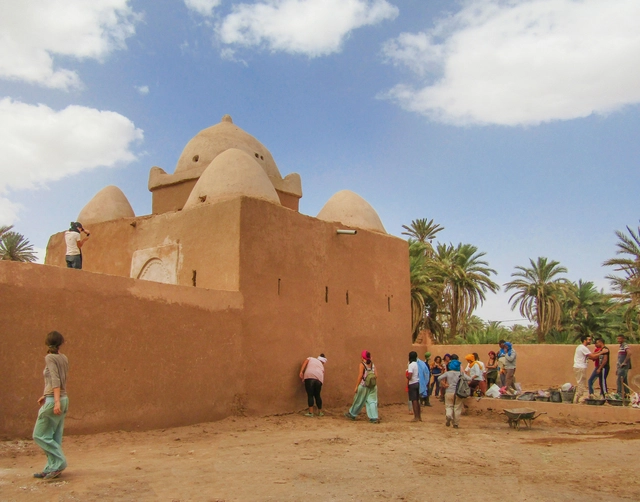
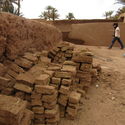
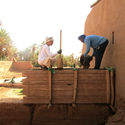
Earthen construction remains highly relevant today, spanning the preservation of architectural heritage, new projects seeking sustainable horizons, and numerous training programs offered by institutes and universities. Yet we cannot overlook one of the major driving forces behind this building material: self-construction. Thanks to its technical advantages and accessibility, communities worldwide have chosen to build their settlements with earth. Consequently, construction becomes a collective exercise where every individual can contribute to shaping a shared future.
In this article, we look at how the NGO Terrachidia works with the community of Mhamid in Morocco to rehabilitate public spaces chosen by local residents. Supported by volunteers, they rescue regional building traditions, successfully preserving and highlighting the local knowledge embedded in places where the pursuit of modernity has led to abandonment, but which remain deeply valued by those who inhabit them.
.jpg?1560267104&format=webp&width=640&height=580)
On Friday, May 7, the winning proposal of the second "Imagining Machines" (Máquinas Imaginantes) open call was announced. The initiative invited architects, researchers, and writers to reflect on "machines" of the past and present operating within architecture as tools for social analysis and production. The open call accepted both real and speculative projects, incorporating installations, historical documents, archival material, performance formats, and publications that engaged with the creation of imagining machines.
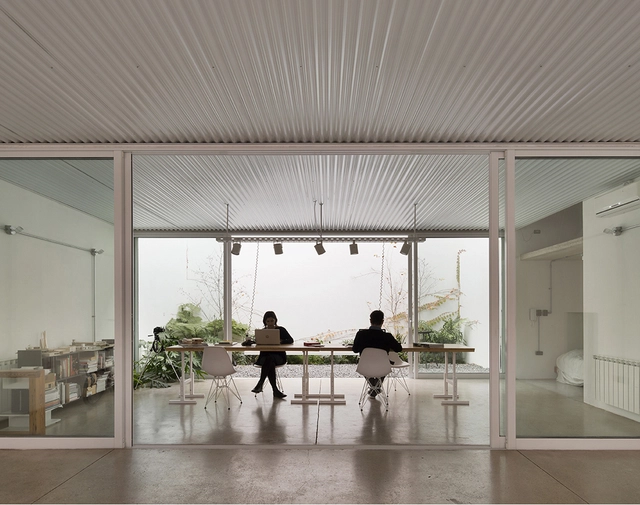
While many of the homes built during the Modern Movement—as design experiments on new ways of living—fostered the early emergence of "programmatic hybrids" by typically linking the residences of artists, painters, or architects with their workspaces (one need only recall, for instance, the atelier Le Corbusier designed for painter Amédée Ozenfant in 1922), today, new work models and hyperconnectivity have further driven the development of a new typology where workspaces are integrated into residential architecture. Architects, writers, photographers, designers, and painters increasingly choose to integrate their studios and workshops into their homes, merging living and working into a single whole.
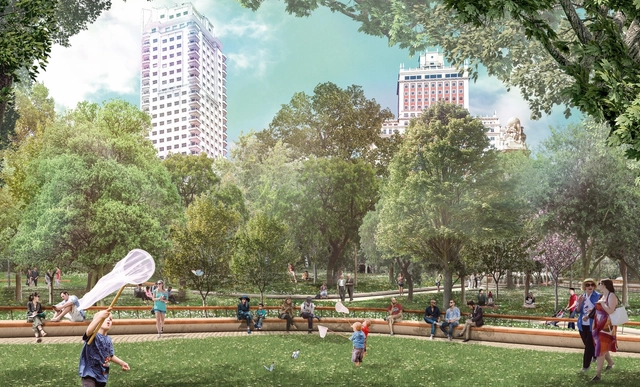
In February of this year, construction will begin on the renovation of Plaza de España in Madrid. The project is a collaborative effort by design firms Guadiana and Porras La Casta Arquitectos, led by architects Lorenzo Fernández-Ordóñez and Fernando Porras-Isla.
The project, known as Welcome Mother Nature, seeks to create a large green area in the city center, recovering its long-lost identity as a "plaza," which had been reduced to a transit space. The proposal emphasizes the definition of a plaza as a "social place of expression, gathering, and freedom." The project's main priority is to create a space where "it is easy to build shared civic experiences," while creating a new lung for a city that constantly lives under a cloud of pollution and smog.

Dear readers,
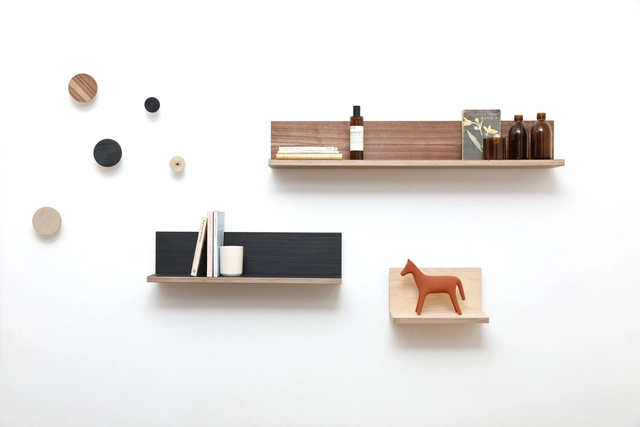
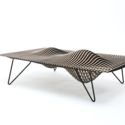
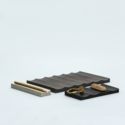
Pirwi, the leading national design editor, recently presented new collections featuring collaborations with Mexican artists and designers, including Daniel Pouzet, Joel Escalona, Moisés Hernández, Pablo Herrera, Sebastián Ángeles, Sergio Morales, and Mario García Torres. These collaborations range from small objects such as shelves and furniture to design pieces that offer a critique and reflection on the era we inhabit. Some of the pieces shown below come together as a complete range of daily-life objects designed by Pirwi, reflecting the brand's aspiration to reach a more inclusive audience and refresh its image with materials and finishes not previously explored.
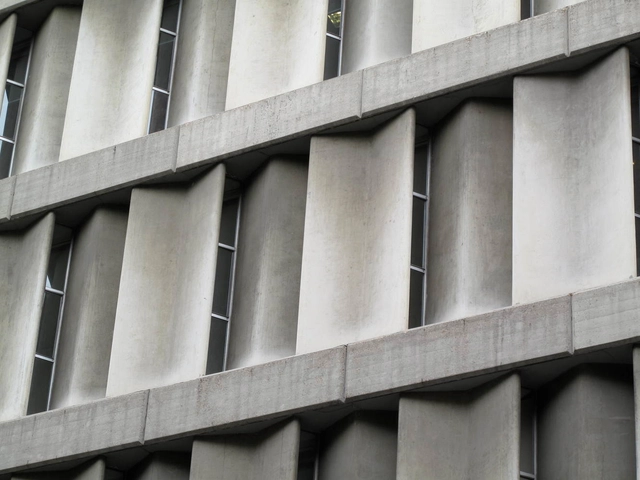
Curious, inquisitive, and tenacious, Miguel Fisac [1913–2006] learned by doing. Fascinated by technology and construction, his direct on-site experience made up for everything that neither university nor books could teach or convey to him. Although his early work could be described as "academicist," within a few years the architect from Ciudad Real managed to shed this approach, turning instead to organic-patterned masonry and beams with bone-like logic. All of this was rooted in an intrinsic, personal commitment to creating a humanized architecture aligned with technical precision.
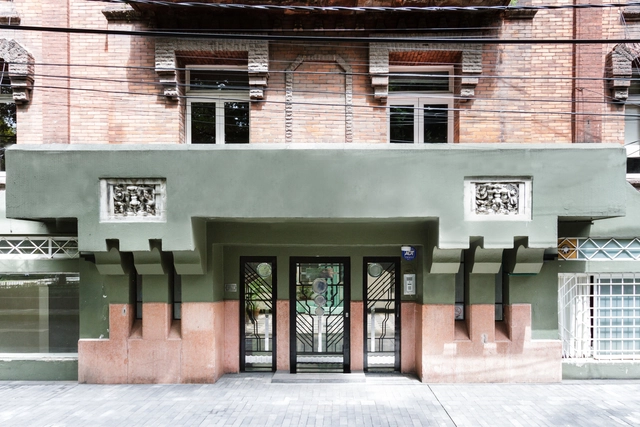
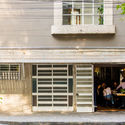
Colonia Roma is considered one of Mexico City's architectural jewels, shaped by early 20th-century trends that stood as a symbol of Porfirian aspirations. The neighborhood, one of the city's most prominent and home to a large community of creatives, is a living entity that constantly evolves. It attracts both domestic and international tourists who enjoy walking along its tree-lined streets, taking in the vibrant architectural styles and diverse culinary scene.

When designing outside of urban areas, where property lines are not constrained by party walls and adjacent buildings do not dictate the layout, some of the most honest architectural responses emerge regarding how to intervene and what stance to take toward the surrounding landscape.
The following four architectural projects located in the Province of Córdoba, shaped by the topographical conditions and the specific characteristics of their surroundings, establish a profound sense of belonging with the landscape. By blurring the line between the natural and the artificial, they offer valuable tools and insights for designing on suburban plots.

Automation has become a major talking point—not only for its potential to replace countless low-income or low-skilled jobs, but also for its capacity to render entire professional careers obsolete through artificial intelligence and machine learning.
At ArchDaily, we opened the floor to this discussion in 2017 with an in-depth report on the subject, and we recently turned to our Instagram audience to ask what they think about automation. Do they believe it will affect them? Our readers seem confident: some argue that architecture is an art—or rather, a discipline centered on emotions—even if they overlook the standardization and modulation processes already established in the real estate market. According to those who responded to our poll, this emotional dimension inherent to architecture is precisely what makes it harder to automate.
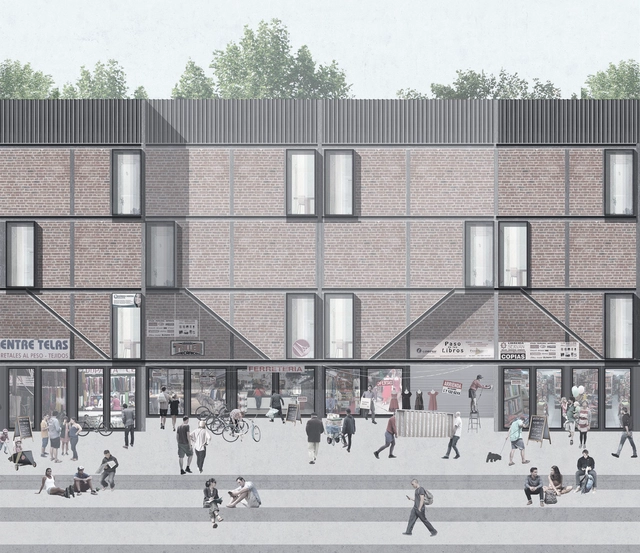
On Tuesday, April 23, Archiprix Chile 2019 announced the winners of this year's edition at the Centro Cultural Estación Mapocho, honoring the thesis projects of young Chilean architects with three top prizes and three honorable mentions. The award ceremony was preceded by a lecture by Martín del Solar, co-founder of Grupo Talca, a Chilean practice featured in the 2016 Venice Biennale.