The EMPORIA award guidelines encompass ephemeral works applied to museums, exhibitions, trade fairs, shareholder meetings, points of sale, festivals, sporting events, as well as conceptual and experimental architecture. The common denominator is that the architectural work must be ephemeral and executed for projects within Mexico.
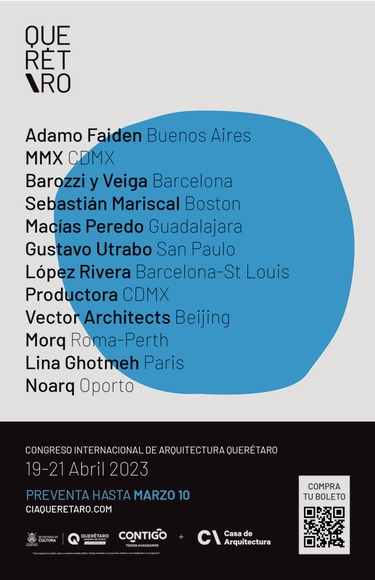
The city of Santiago de Querétaro was named a UNESCO World Heritage site in 1995 and has recently established itself as one of the most important development hubs in Mexico. Therefore, reflecting on architectural practice and the way we build our city is vital for our community.
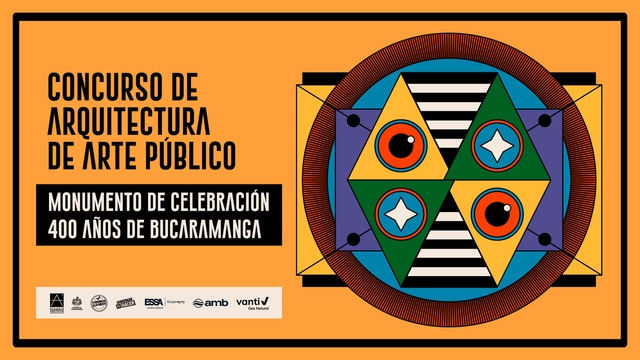
To position Bucaramanga as a tourist destination and contribute to the city's cultural development and citizens' sense of heritage, numerous projects are being carried out throughout 2022 as part of the city’s 400th-anniversary celebrations. One of these involves the redesign, improvement, and renovation of Parque Centenario, an area that has seen a surge in artistic and educational offerings in recent years, led by institutions such as the Teatro Santander and the Municipal School of Arts. This competition is part of these significant transformation efforts, inviting architects, sculptors, designers, and related professionals to submit proposals for a sculptural piece to be installed in Parque Centenario.
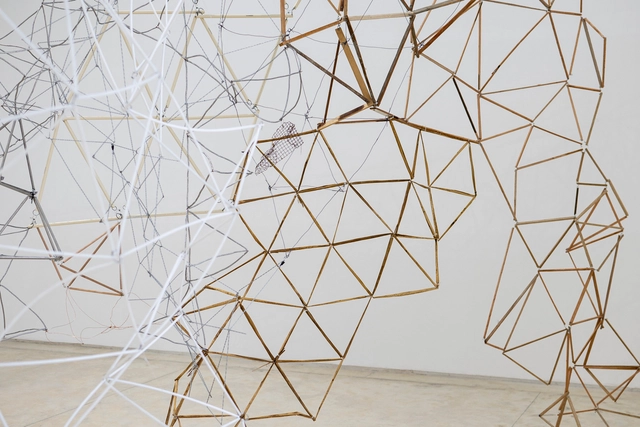
Collective Reticulárea: Common Cartographies. A participatory project by Miguel Braceli. Exhibition at Sala Mendoza, Caracas, 2024. Curated by Fundación Gego and Stefanie Reisinger. Photo: Josseline Chalbaud. Courtesy: LA ESCUELA___.
The artistic and pedagogical legacy of Venezuelan-German artist Gego is reactivated in the light of the contemporary context in Reticulárea colectiva: cartografías comunes. This participatory art project was conceived by Miguel Braceli and developed by LA ESCUELA___ in partnership with the Fundación Gego and Sala Mendoza, with the collaboration of an international network of artists, as well as university professors and students in Venezuela. The resulting framework of this learning and collaborative process is presented as a spatial experience on display at Sala Mendoza in Caracas from April 11 to June 1, 2024.
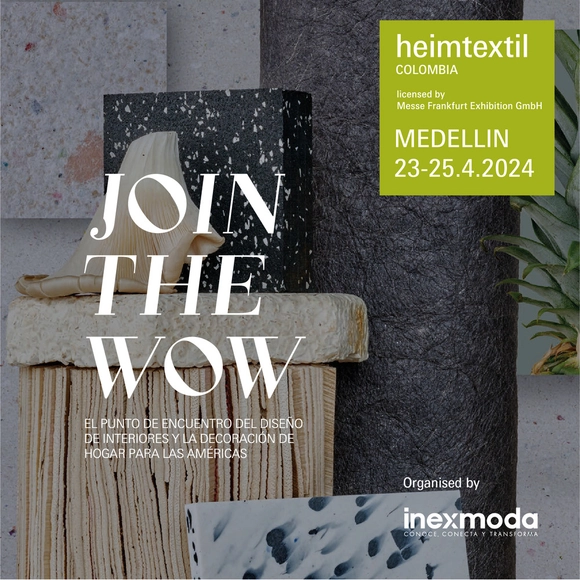
With 66% of its exhibitors coming from abroad, Heimtextil Colombia—an international trade fair for home textiles and decoration—demonstrates its capabilities and opportunities within the interior design and hospitality sectors.
Originally released in 2017, the book "Sensory Architecture - The Art of Designing for All Senses" (Arquitetura sensorial - A arte de projetar para todos os sentidos) by Juliana Duarte Neves is now receiving a second, revised and expanded edition from Mapa Lab, a publisher focused on slow publishing. The Rio de Janeiro launch will take place on Monday, April 8, at 7:00 PM, at Livraria da Travessa in Leblon.
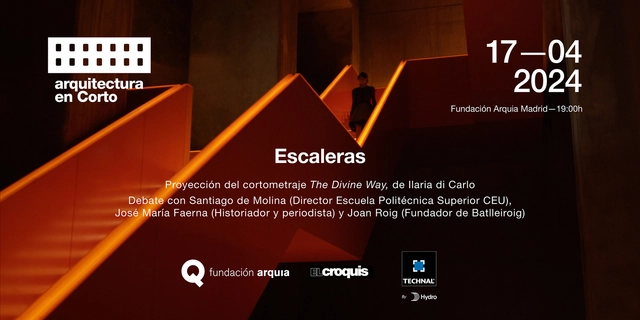
On April 17 at 7:00 PM, Arquitectura en Corto invites you to the Fundación Arquia in Madrid (c/ del Tutor, 16) for a screening of "The Divine Way," an award-winning short film that pays tribute to the staircase through a journey across various classical and contemporary buildings. Loosely inspired by Dante's Divine Comedy, the film uses the metaphor of the staircase to reflect on "the journey of self-discovery in relation to architecture and landscape," in the words of director Ilaria di Carlo. To discuss staircases following the screening, architect Santiago de Molina—author of Todas las escaleras del mundo, an essay reflecting on this essential architectural element from antiquity to the masters of modern architecture—will be present. He will be joined by historian and journalist José María Faerna, who highlights the renewed prominence of staircases in contemporary buildings recently recognized at the FAD Awards and the Spanish Biennial of Architecture and Urbanism. Rounding out the panel is Joan Roig, founding architect of the firm Batlleiroig, who will discuss the role of staircases in architectural history and their narrative function in cinema.
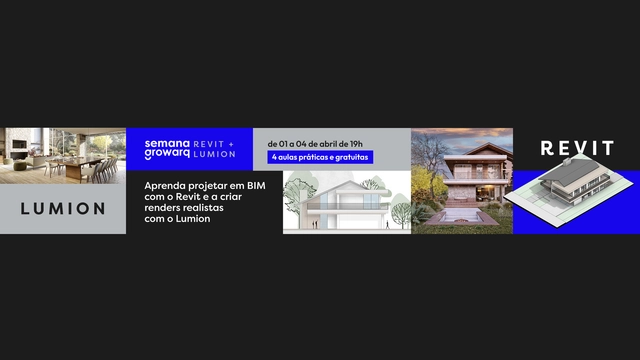
Growarq Week is an event dedicated to architects, engineers, designers, and students who want to revolutionize their design process through a methodology that combines two software programs: Revit and Lumion. The event will take place from April 1st to 4th, daily at 7:00 PM, and is entirely online.
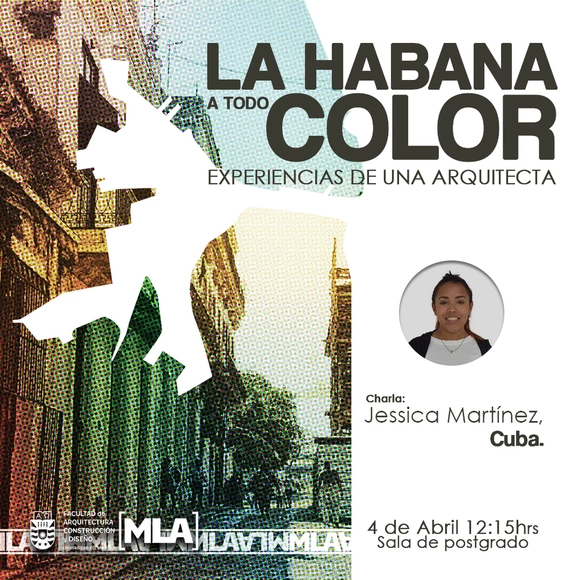
Presentation and conversation with architect Jessica Martínez, researcher at the Technological University of Havana and heritage restoration architect, currently a doctoral candidate in Architecture and Urbanism at UBB. The talk draws on her professional experience as an architect at a firm responsible for the rehabilitation and restoration of Havana's historic center, as well as community projects in Cuba. The goal is to explore and share practical experiences and social contexts from various Latin American realities to broaden the architectural and disciplinary horizon. The presentation will take place in the Architecture Postgraduate Room on Thursday, April 4, at 12:15 PM.
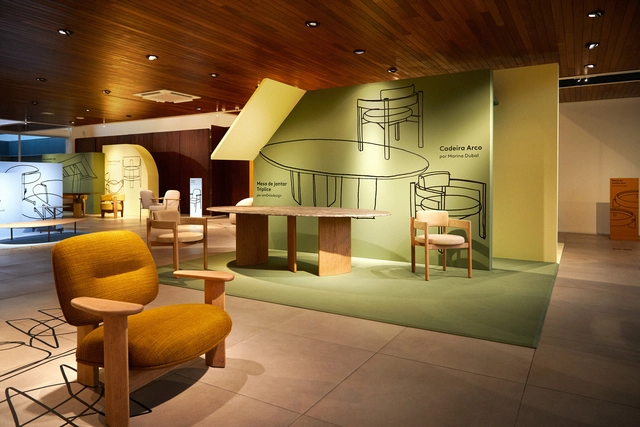
The scenography was one of the highlights at the Lider flagship store during DW! SP. Photos: Henrique Padilha.
Lider, a furniture brand from Minas Gerais that combines artisanal woodworking with design, was a highlight of DW! São Paulo Design Weekend 2024, presenting key releases from its new collection with scenography by creative Jacimar Ferreira da Silva at its flagship store on Alameda Gabriel Monteiro da Silva. Now, the installation—adapted by the in-house visual merchandising team led by Raquel Nogueira—will travel to the brand's stores in other Brazilian capitals, which will also host exclusive events featuring the designers behind several pieces in the new portfolio. In total, 19 products make up this first-semester collection.
Marcela Cantuária - The Great Benefactor, 2021. Photo by Vicente de Mello
On April 17, 2024, the Paço Imperial will open three simultaneous exhibitions: "Transmutações: alquimia e resistência" [Transmutation: Alchemy and Resistance] by Rio-based artist Marcela Cantuária, one of the most prominent names in the contemporary visual arts scene; "Davuls de Salé" by São Paulo-based artist Cadu, in collaboration with Adriano Motta, Maneno Juárez, and Virgilio Bahde; and "bassa danza" by Rio-based artist Nathan Braga.
Exhibition brings together visual artists inside a construction site in São Paulo
2024 Edition of Real Estate of the Art to Feature Artwork in a Building Under Construction The platform by developer Helbor, this time in partnership with MPD Engenharia, brings an exhibition to a construction site in Itaim Bibi, São Paulo.
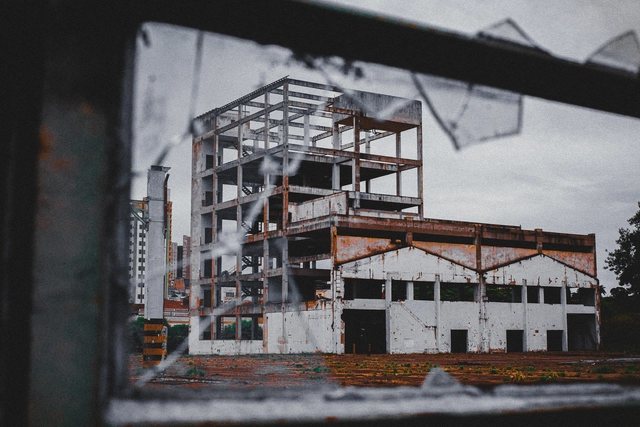
Ruins of a building in the central region of Limeira (SP), 2024. The photograph, along with other records, is part of the video installation.
The video art project "Ruínas" (Ruins) delves into the emblem of urban ruins located in the city of Limeira, SP, exploring their symbolic function in times of crisis. As material remnants of political failure, economic speculation, and social decline, these ruins become essential to contemporary cultural narratives. The project is funded by the Paulo Gustavo Law through the Ministry of Culture, with support from the Limeira City Hall via the Department of Culture.
In celebration of Book Month, the Instituto Cervantes in São Paulo will open the exhibition "Anaqronías" by award-winning photographer Juan Cerón on April 25. Following an extensive conceptualization process and various projects that allowed for artistic growth, "Anaqronías" is the photographer's second personal project, a journey that has led to exhibitions in several countries across three continents—including Spain, Italy, the United Kingdom, Germany, China, Mexico, and the Dominican Republic—before finally arriving in Brazil.
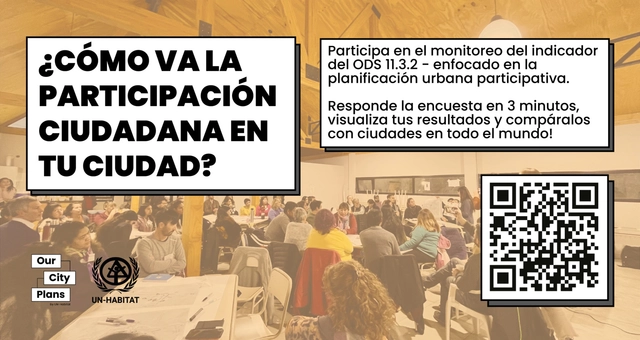
Today, more than ever, we need to safeguard one of the cornerstones of sustainable urban development: citizen participation in urban planning processes.
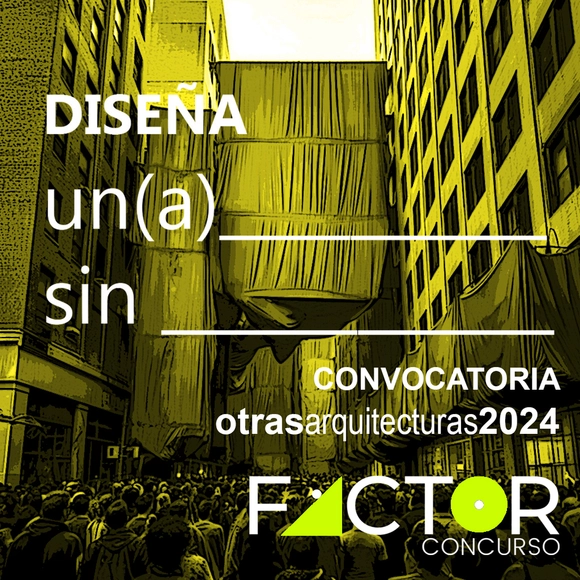
The Anthropocene, artificial intelligence, climate change, migration crises... The world as we knew it is being reformulated through algorithms that group, optimize, and rethink our daily lives, from the public sphere to the domestic realm. Windowless houses for maximum privacy in insecure contexts; temples without cults housing skateparks or trendy nightclubs; parks without children featuring areas for pets of all sizes; or architectures without architects visualized from text interpreted by Big Data with unexpected results—these are just a few examples of our new environments, where the priority seems to be the act of reducing to reimagine.
The Bom Fim Ecological Market (FEBF) and the Ecological Farmers' Market (FAE) will host a citizen science initiative this coming Saturday, April 20. The project focuses on collaboratively mapping the space and its unique characteristics, gathering data from farming families and agro-industries alongside information regarding the habits of market-goers.