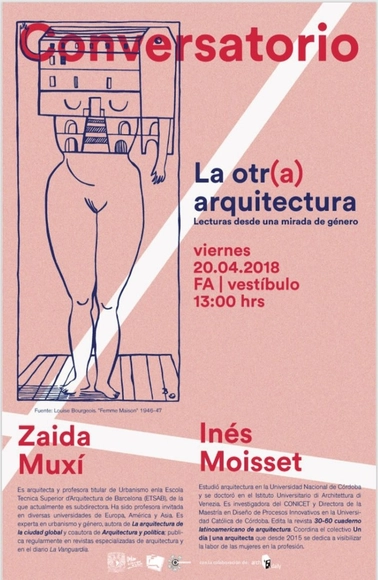
CONVERSATORIO is a project born from the desire to create a space for reflection on contemporary thought, intended to foster dialogue enriched by diverse perspectives. It aims to reclaim various spaces and generate new questions and inquiries within a critical and pluralistic framework.
The 'From Villa to Cell' international workshop and symposium will be held at the Pontificia Universidad Católica de Chile's Faculty of Architecture, Design and Urban Studies from April 2 to April 20. This workshop focuses on social and collective housing, understood not only as relevant to the city but as an inherently architectural problem. 'From Villa to Cell' will historically examine housing solutions in Santiago, Chile, contrasting them with international projects.
Vegaviana, Cáceres (Spain). Colonization town. Arch. Fernández del Amo
The 10th DOCOMOMO Ibérico Congress will be held in Badajoz, Spain, from April 18 to 20. The congress is jointly organized by the DOCOMOMO Ibérico Foundation, the Regional Government of Extremadura, and the Official College of Architects of Extremadura (COADE), in collaboration with the University of Extremadura, the Spanish Cultural Heritage Institute, the University of Évora, and the Portuguese Order of Architects. It is held under the theme: "The social foundation of architecture; from the vernacular to the Modern, a synthesis full of opportunities."
The development of architecture and construction increasingly demands that professionals address the needs of society with a global and interdisciplinary vision.
Still from the film “My Body Is Political” by Alice Riff
CineCubo is the film club hosted by the Institute of Architects of Brazil, aimed at fostering dialogue between audiovisual and architectural languages and debating perspectives on the city. Every third Tuesday of the month at 7:30 PM, CineCubo screens films followed by a discussion at the IAB-SP headquarters. Curated and moderated by Nana Maiolini, Travessia Filmes, and guests, the sessions are free and open to the general public.
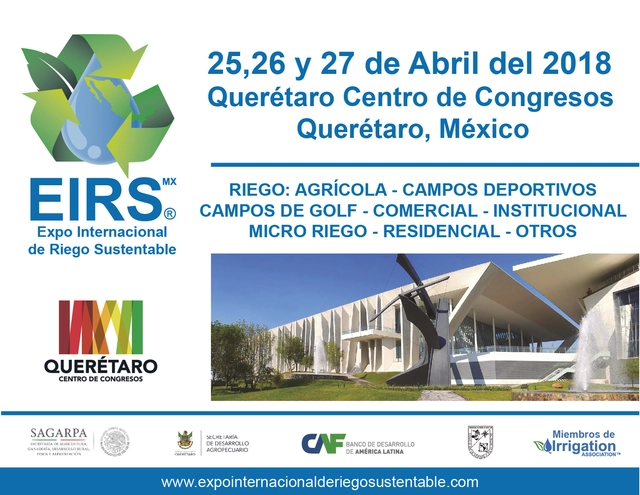
The International Sustainable Irrigation Expo, S.C. (EIRSMX), is a privately funded company that has successfully brought together over eighty leading national and international manufacturers of high-tech irrigation systems. The event is positioned as the largest of its kind in Latin America, given its success in attracting leading manufacturers of irrigation technologies and complementary products, with confirmed participation from over 17 countries. The primary objective of EIRSMX 2018 is to showcase technologies and services that optimize water resource management to promote and maintain sustainable production processes within the country. This event will be the first of its kind in the country and the largest in Latin America. It is aimed at leading global and national brands, producers, manufacturers, distributors, importers, and national and international exporters with technologies related or compatible with irrigation systems who wish to promote, position, or refresh their brand in the global market, as well as introduce new products and services that emphasize the importance of water conservation and environmental sustainability across the commercial, residential, agricultural, golf, institutional, and government/municipal sectors. It is worth noting that the International Sustainable Irrigation Expo will be inaugurated and presided over by all three levels of government: Federal (SAGARPA), State Government, the State Secretariat for Sustainable Development, and the municipalities of Querétaro. We are encouraging the participation of visitors including international and national institutions, commercial entities, importers, exporters, government agencies, hotels, universities, various associations, livestock farmers, agricultural producers, installers, architects, landscape architects, engineers, designers, students, and the general public. Additionally, the event will feature a series of conferences, workshops, and tours of irrigation sites, where exhibiting companies can promote and showcase their new products or services, the technology behind their development, and their contributions to environmental sustainability.
The construction industry is one of the largest sectors in Brazil, with high rates of non-professional labor covering a large percentage of urban construction, conceived without the supervision of a technical professional, such as an architect or engineer. The high costs associated with construction lead a large segment of society to seek alternatives for building their homes. Throughout this process, these individuals acquire informal technical knowledge in the construction field; however, the lack of specific design and planning leads to problems such as poorly utilized, dimly lit, and poorly ventilated spaces, a lack of alternatives for material use, unnecessary demolitions, and extended construction timelines that generate expenses and unforeseen issues.
Image created by the hamaca arquitectura technical team
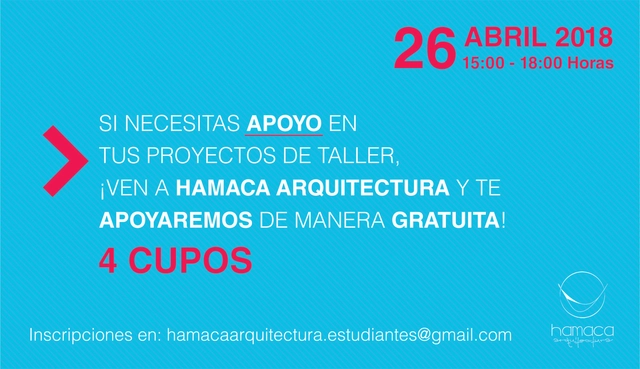
The team at Hamaca Arquitectura invites architecture students to the second season of their studio mentorship sessions. To participate, students must register for this initiative, which aims to improve undergraduate studio projects.
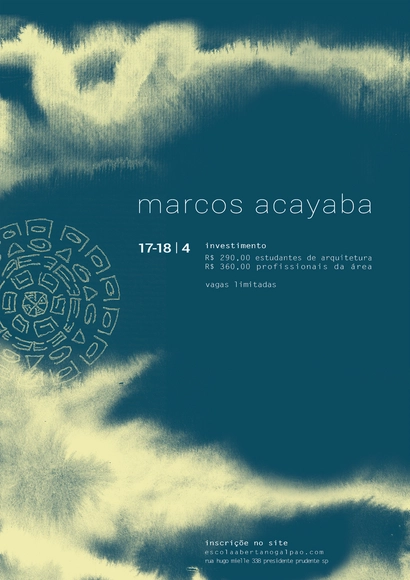
The "Escola Aberta no Galpão" (Open School in the Warehouse) project stems from a desire to share and build critical thinking regarding architecture, urbanism, art, cinema, geography, and other fields that play a fundamental role in transforming urban lifestyles. Connection is what drives us. Building knowledge is what sustains us.
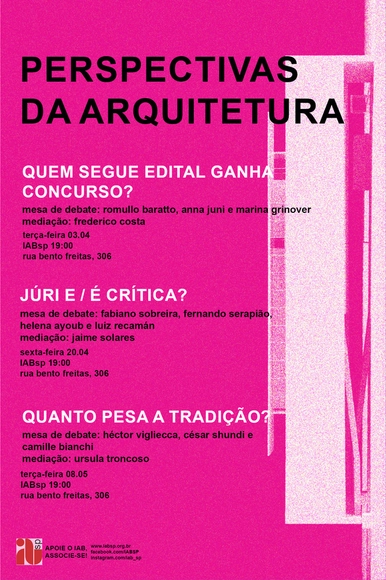
Aiming to discuss the trajectory of Brazilian architecture, based on current discussions and critiques published in specialized media, the IAB will host a series of debates centered on the practice of architectural competitions. The complexity of addressing this issue has led the IAB to foster a broader reflection on these topics and to invite architects to discuss both the conditions of competitions within the current professional context and their role in a wider urban and social dimension, viewing the city and architecture as social rights for the entire population.
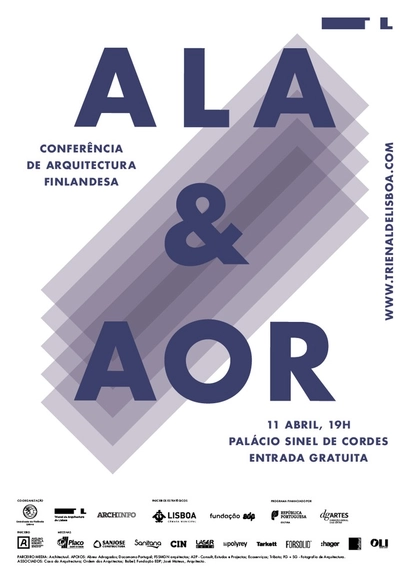
ALA and AOR are the guest speakers for this conference, taking place on April 11, 2018, at the Palácio Sinel de Cordes, the headquarters of the Lisbon Architecture Triennale. Both architecture firms operate within the Finnish context, a country with a very high Human Development Index (HDI), currently ranked 23rd globally. Erkko Aarti, founding partner, will present the work of AOR Architects, while Antti Nousjoki will showcase projects by ALA Architects. The discussion will be moderated by Paula Melâneo, editor-in-chief of J—A Jornal Arquitectos.
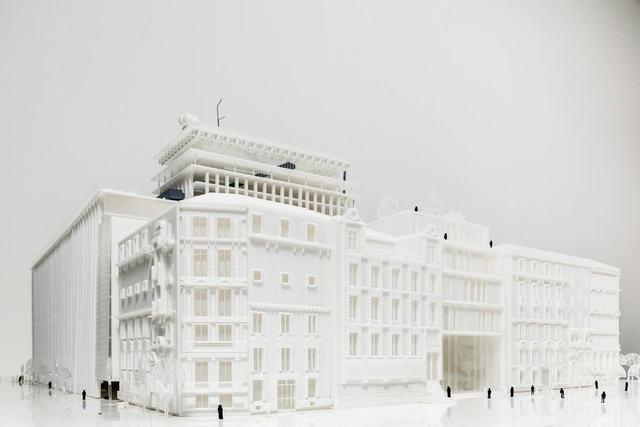
Exhibition Title: Designing with Construction Sets Date: April 10, 2018 – May 4, 2018 Time: 8:00 AM – 10:00 PM (Mon–Fri) and 8:00 AM – 12:00 PM (Saturdays) Location: Main Hall of the Rectory, Federal University of Juiz de Fora (UFJF) City: Juiz de Fora, MG Organization: Laboratory for the Study of Languages and Expressions of Architecture, Urbanism, and Design (LEAUD/FAU/UFJF) Curator: Prof. Dr. Frederico Braida
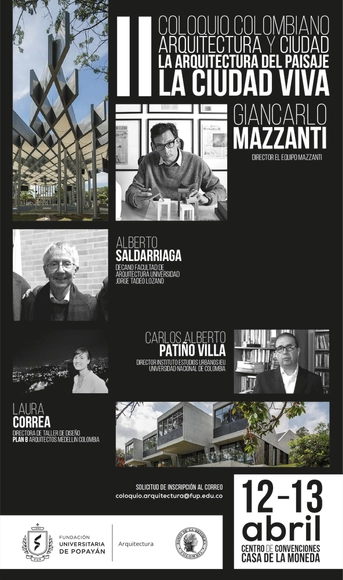
The Fundación Universitaria de Popayán, through its Faculty of Architecture, in a strategic alliance with the Banco de la República, has been working to formulate high-level academic initiatives. These efforts deserve to be shared with the academic community and the general public, which has led to the second edition of the II Colombian Colloquium on Architecture and the City: "Landscape Architecture: The LIVING CITY," to be held on Thursday and Friday, April 12–13, at the Casa de la Moneda Convention Center in Popayán.
Escola da Cidade opens registration for open courses for the 1st semester of 2018
The Associação Escola da Cidade, committed to its mission and determined to operate within a space of social responsibility, has established its Extension Program with values equivalent to those of teaching and research for the purpose of implementing and managing extension policies.
In their first solo photography exhibition, the artist presents 10 works that showcase, through their own perception, the visual re-signification of building facades in Rio de Janeiro, São Paulo, and Belo Horizonte. Contrasts of light and shadow create lines, shapes, and angles that appear as figures distinct from the photographed reality. The abstract result of this work establishes a connection with Brazilian modernism, particularly with the centenary of Athos Bulcão and their panels.