
Following the success of the first edition in 2016 in Curitiba and the second edition last year in Brasília, the COURB Institute is bringing the 3rd Collaborative Urbanism Meeting to Fortaleza, Ceará, on November 12, 13, and 14.
Following the success of the first edition in 2016 in Curitiba and the second edition last year in Brasília, the COURB Institute is bringing the 3rd Collaborative Urbanism Meeting to Fortaleza, Ceará, on November 12, 13, and 14.
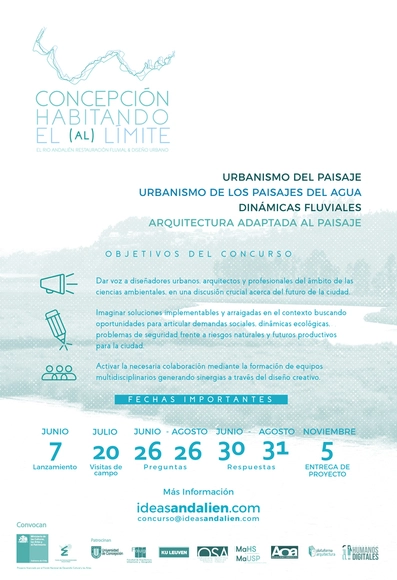
This ideas competition considers water landscapes, and more specifically rivers, as mediators in the necessary harmonic and dynamic balance that must exist between cities and nature. The fluvial (geomorphological) restoration approach will be used to revitalize a river, thereby understanding its natural system to inform design adapted to that system.
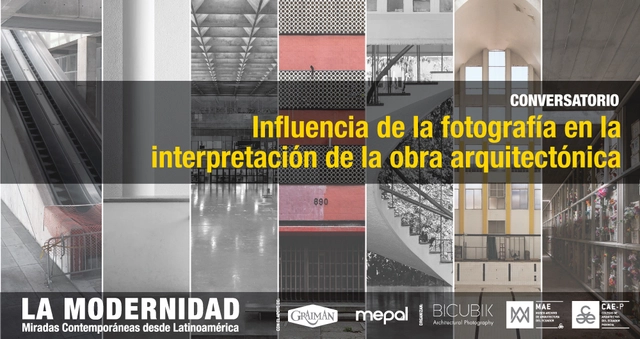
PANEL DISCUSSION
"The Influence of Photography on the Interpretation of Architectural Work"
GUEST PHOTOGRAPHERS:
Rafael Gamo (Mexico)
Onnis Luque (Mexico)
Sebastian Crespo - Bicubik (Ecuador)
Andrés Fernández - Bicubik (Ecuador)
MODERATOR:
Rómulo Moya (Director, Trama Magazine)

The residents of Praia do Mangue, also known as Praia do Oi, belonging to the Silva family, had lived in the area since the mid-1920s. The Silvas have faced—and continue to face—successive displacement processes, culminating in their eviction from their homes by court order on July 25, 2018.
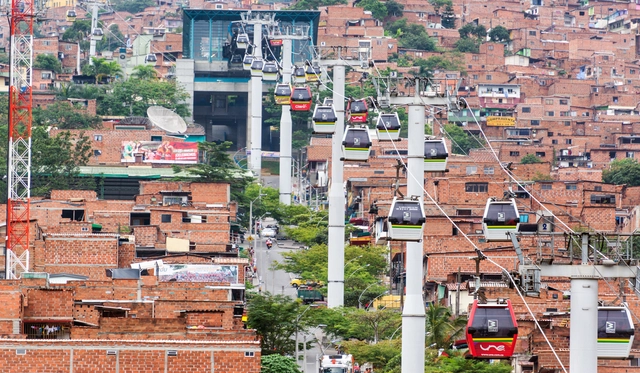
São Paulo, 2018 – On Friday, November 23, Arq.Futuro, Inciti – Research and Innovation for Cities, Escola da Cidade, and the Ministry of Public Security will host the Urbanism and Public Security Seminar. The event will analyze recent intervention experiences in three cities: Medellín, Colombia; Recife; and Rio de Janeiro. It will take place in São Paulo at the Itaú BBA auditorium, from 9:00 AM to 5:30 PM.
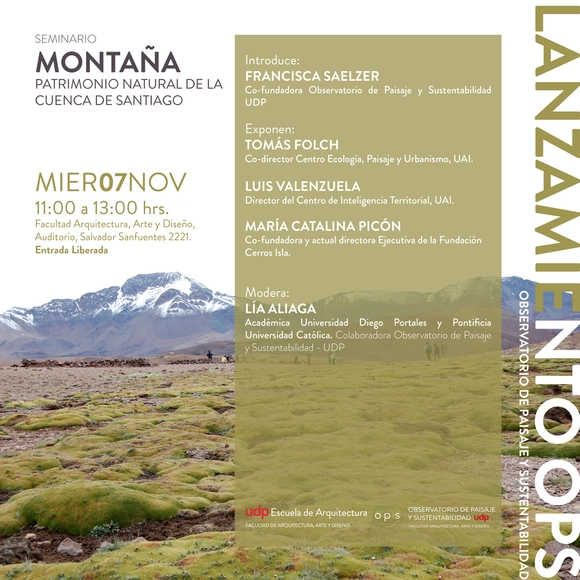
This event is held in conjunction with the launch of the Landscape and Sustainability Observatory (OPS) at the UDP Faculty of Architecture, Art, and Design.

Established in 2009, the postgraduate program at Escola da Cidade offers lato sensu courses organized around the broad, overarching theme: “Civilization America: A Perspective Through Architecture.”
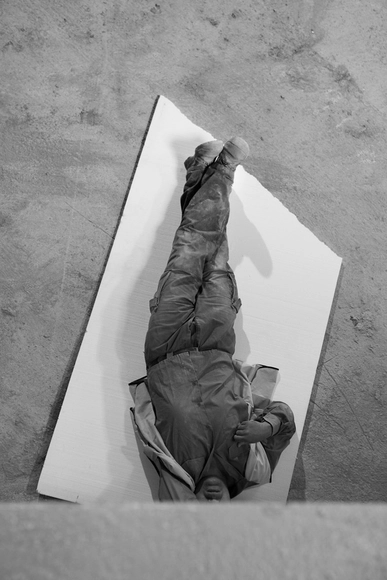
On Saturday, November 24, at 12:00 PM, we will inaugurate the exhibition Mercat Sant Antoni, objeto, obra, atmósfera [Mercat Sant Antoni: Object, Work, Atmosphere] by photographer Asier Rua. Join us for a vermouth as we premiere the video of the project carried out in Barcelona.
This dialogue is unconventional within the field of Peruvian architecture, as those dedicated to theory and criticism do not always engage in design practice. Furthermore, these two groups are often distant in their ways of thinking and acting; this lack of communication prevents greater collaboration and the potential benefits that could arise from uniting these two essential disciplines.
The format will feature four architects and four architectural critics face-to-face, "exploring the links between architectural design and criticism." This event will feature the participation of Fredy Massad, author of the book Crítica de Choque, who joins us thanks to the collaboration of the Quito Architecture Biennial.

Iain Sinclair, author of Lights Out for the Territory, is the latest guest of the renowned "La Ciudad y las Palabras" (The City and the Words) project, a program under the PhD in Architecture and Urban Studies at the Pontificia Universidad Católica de Chile, sponsored by La Tercera. The author will deliver a lecture on London on Thursday, November 8, at 6:30 PM in the UC School of Architecture auditorium (El Comendador 1936, Providencia).
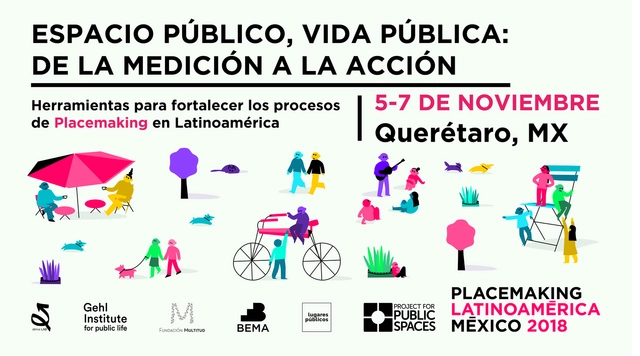
Public Space, Public Life: From Measurement to Action is a workshop organized by dérive LAB and the Gehl Institute, taking place from November 5 to 7 in Querétaro, Mexico. The event is held as part of the 2nd Placemaking Latinoamérica gathering, a movement launched in 2016 to bring together experiences in participatory urbanism across Latin America.
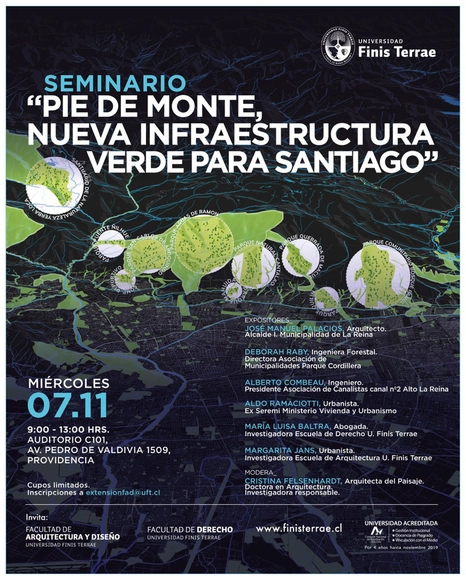
The event, organized by the School of Architecture and the School of Law at Universidad Finis Terrae, will feature La Reina Mayor José Manuel Palacios among its guest speakers.
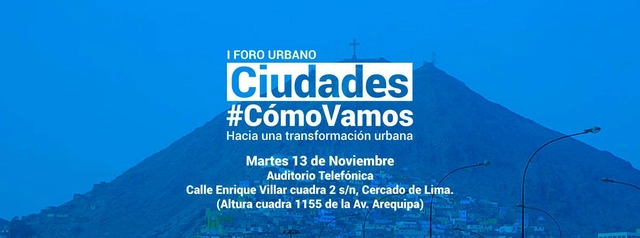
When you run into someone on the street you haven't seen in a while, the question arises: "How are you doing?" "How Are We Doing?" is a more inclusive approach that is less likely to discourage potential answers. If we ask the city, the question—and consequently the answer—would be just as inclusive. This is a highly recommended event to attend, as we are all, as citizens, part of the current situation and, now more than ever, part of the potential transformations for Lima.

Workshop: Narratives in Architectural Photography, with Manuel Sá
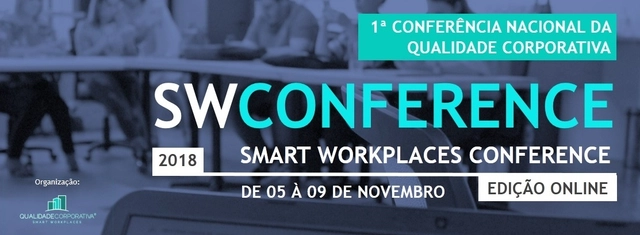
The SW CONFERENCE is the 1st National Corporate Quality Conference, an event that will bring together individuals with proven experience and experts in workplace environments.

The Roca Lisboa Gallery invites you to attend the first session of the conversation series "Spaces for Women Architects," organized by Roca and the Association of Women in Architecture.