Romullo Baratto

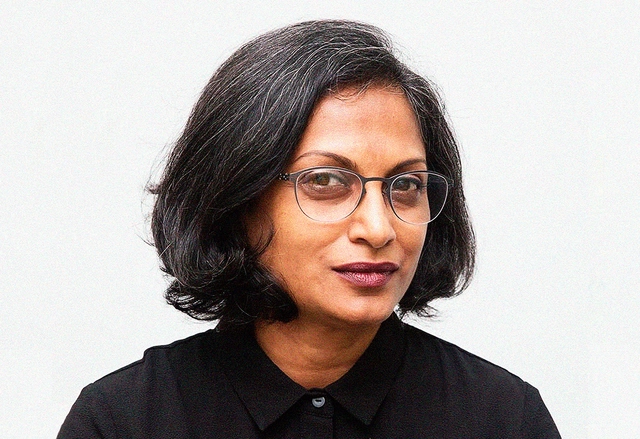
Romullo Baratto is an architect with a PhD from FAUUSP and Managing Editor of ArchDaily. He previously coordinated the editorial team of the 11th São Paulo Architecture Biennial and served as Managing Editor of ArchDaily Brasil, where he led the platform to win the FNA Award—the first time the honor was granted to a media outlet. He collaborated on the editing of the book "Concrete Jungle", published by gestalten, and has curated architecture exhibitions in Brazil, Chile, Denmark, and Italy, as well as delivered lectures and moderated debates in Spain, the United States, and Portugal. His doctoral thesis investigates the urban landscapes of São Paulo through cinema. His work spans academic research and editorial practice, communicating architecture through texts, interviews, lectures, curatorship, and photography. Follow him on Instagram @romullobf.

BROWSE ALL FROM THIS AUTHOR HERE

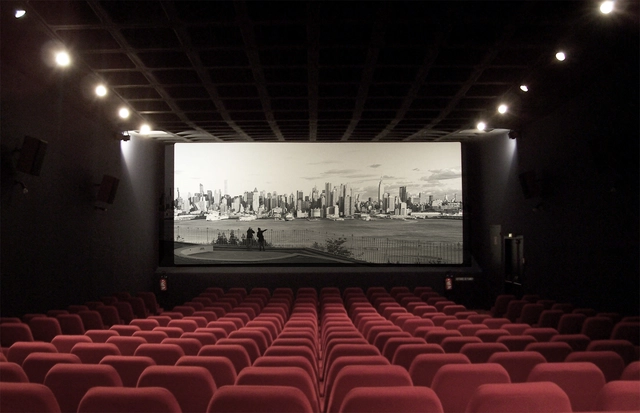
How Architecture Speaks Through Cinema

Subscriber Access | 

Jean-Luc Godard, through his films, talks about architecture almost as easily as he talks about cinema itself. In honor of the nouvelle vague icon, who passed away today at the age of 91, we revisit How Architecture Speaks Through Cinema.

There are several ways of making films. Like Jean Renoir and Robert Bresson, who make music. Like Sergei Eisenstein, who paints. Like Stroheim, who wrote sound novels in silent days. Like Alain Resnais, who sculpts. And like Socrates, Rossellini I mean, who creates philosophy. The cinema, in other words, can be everything at once, both judge and litigant. — Jean-Luc Godard [1] 
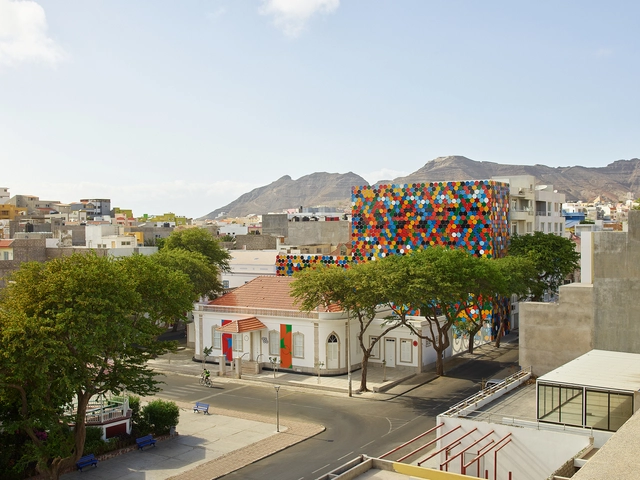
"This Building Belongs to the People": Cape Verde’s New Centre for Art, Crafts and Design

Subscriber Access | 

There are two ways to get to Cape Verde, by sea or sky. Either way, we are surprised by the landscape of immense rocky masses sprouting from the Atlantic’s navel before setting foot on land. Unpopulated until the middle of the 15th century, the volcanic archipelago is made up of ten islands, nine of which are currently inhabited, with unique characteristics in each one of them — some more touristy, like Sal, others more rural, like Santo Antão — and a version of Kriolu Kabuverdianu, which is not the official language (Portuguese occupies this place), but which is by far the most widely spoken.

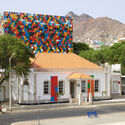
São Vicente is the second most populous island in the country and makes up the northern insular group called Sotavento, along with Santo Antão, Santa Luzia, São Nicolau, Sal and Boa Vista. Its largest city, Mindelo, has a port vocation and has historically been the point of departure and arrival for people and goods. Marked by traffic, the city is a place of passage and intense cultural exchanges. It is also home to the first museum built in the country, the National Centre for Art, Crafts and Design — CNAD.

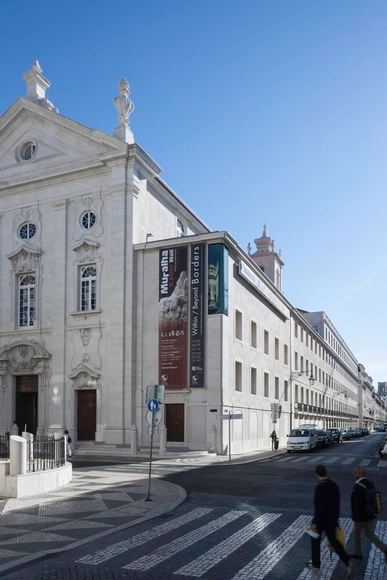
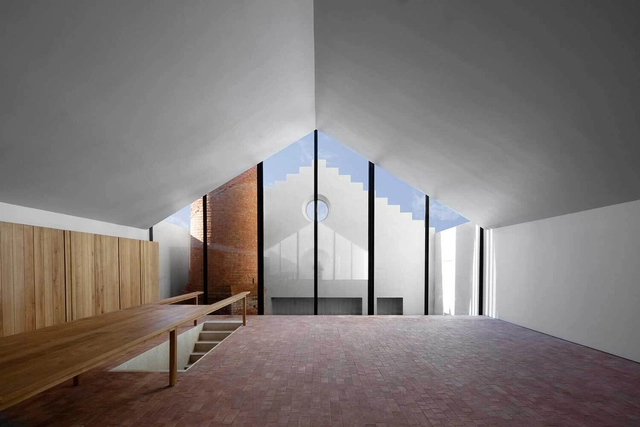
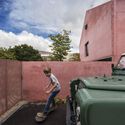
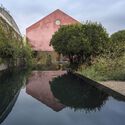
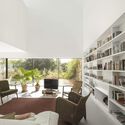
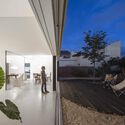
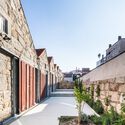
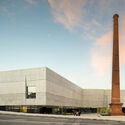
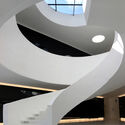
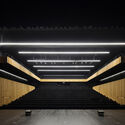
"This Building Belongs to the People": Cape Verde’s New Centre for Art, Crafts and Design - Image 1 of 4"This Building Belongs to the People": Cape Verde’s New Centre for Art, Crafts and Design - Image 2 of 4"This Building Belongs to the People": Cape Verde’s New Centre for Art, Crafts and Design - Image 3 of 4"This Building Belongs to the People": Cape Verde’s New Centre for Art, Crafts and Design - Image 4 of 4This Building Belongs to the People: Cape Verde’s New Centre for Art, Crafts and Design - More Images+ 13

Lisbon Architecture Triennale Publishes List of Finalists for the Début Award 2022

The Lisbon Architecture Triennale has released the list of finalists for the Millennium bcp Début Award. This year, ten offices from four continents reach the final stage of this award, which celebrates and encourages the creative, intellectual and professional growth of emerging talents at a crucial and transformative stage in their careers.

The list of finalists includes Atelier Tiago Antero – ATA (Portugal), Atelier Tropical – Valerie Mavoungou (Congo), Ben-Avid (Argentina), messina | rivas (Brazil), Nana Zaalishvili (Georgia), Rohan Chavan (India), Savinova Valeria (Russia), Spatial Anatomy (Singapore), vão (Brazil) and Vertebral (Mexico). The winner of the current edition will join a select list of winners that includes Bonell+Dòriga, from Spain (2019), Umwelt, from Chile (2016) and the American Jimenez Lai, from Bureau Spectacular (2013).

Marina Tabassum is the Winner of the Lisbon Triennale Lifetime Achievement Award

Architect, researcher and teacher Marina Tabassum was elected winner of the Lisbon Triennale Millennium bcp Lifetime Achievement Award. Marina is the first person from the global south to receive the honor, joining Denise Scott-Brown from the USA (2019 winner), the French duo Lacaton & Vassal (2016), Kenneth Frampton from the UK (2013), Álvaro Siz from Portugal (2010) and Vittorio Gregotti from Italy (2007).

Albert Einstein Research Center designed by Safdie Architects is nearing completion in São Paulo

Albert Einstein Research Center designed by Safdie Architects is nearing completion in São Paulo - Featured Image
Centro de Educação e Pesquisa Albert Einstein. Image Cortesia de Tim Hursley and Safdie Architects

The Albert Einstein Education and Research Center, the first project in Brazil by Safdie Architects, is nearing completion. Scheduled to open this August, the building—which features spacious garden courtyards that create an urban oasis in the southern zone of São Paulo—will house a new medical school and research facilities for one of the country's most advanced healthcare institutions.

Albert Einstein Research Center designed by Safdie Architects is nearing completion in São Paulo - Image 1 of 4Albert Einstein Research Center designed by Safdie Architects is nearing completion in São Paulo - Image 2 of 4Albert Einstein Research Center designed by Safdie Architects is nearing completion in São Paulo - Image 3 of 4Albert Einstein Research Center designed by Safdie Architects is nearing completion in São Paulo - Image 4 of 4Albert Einstein Research Center designed by Safdie Architects is nearing completion in São Paulo - More Images

Photographer Erieta Attali Explores Glass Architecture in Exhibition Held in Greek Monument

Photographer Erieta Attali Explores Glass Architecture in Exhibition Held in Greek Monument - Featured Image
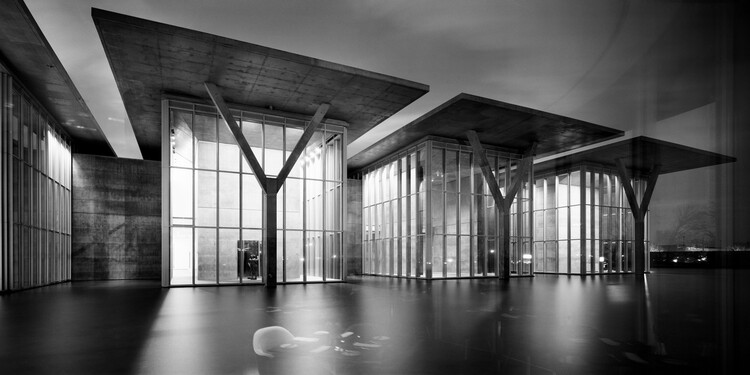
TadaoAndo.Modern Art Museum of Fort Worth Dallas, USA. Image © Erieta Attali

Few other materials can convey architectural atmosphere as well as the glass. A to-go choice for the modernists, due to its transparent nature, glass still holds a solid place within the material palette for architects around the globe. Such unique element is the subject of Archiving Flux / Stasis, a photographic exhibition by Erieta Attali hosted by the Greek Ministry of Culture in Casa Romana, Kos Island, Greece, set to open its doors in July 21st.

Photographer Erieta Attali Explores Glass Architecture in Exhibition Held in Greek Monument - Imagem 1 de 4Photographer Erieta Attali Explores Glass Architecture in Exhibition Held in Greek Monument - Imagem 2 de 4Photographer Erieta Attali Explores Glass Architecture in Exhibition Held in Greek Monument - Imagem 3 de 4Photographer Erieta Attali Explores Glass Architecture in Exhibition Held in Greek Monument - Imagem 4 de 4Photographer Erieta Attali Explores Glass Architecture in Exhibition Held in Greek Monument - More Images+ 8

Returning the Building to the Soil: an Interview with the Architect and Scientist Mae-Ling Lokko

Agriculture and the food industry seem to have little in common with architecture, but it is precisely the overlap of these three areas that interests Ghanaian-Filipino scientist and architect Mae-ling Lokko, founder of Willow Technologies based in Accra, Ghana. Working with recycling agricultural waste and biopolymer materials, Lokko searches for ways to transform the so-called agrowaste into building materials.

Returning the Building to the Soil: an Interview with the Architect and Scientist Mae-Ling Lokko - Image 1 of 4Returning the Building to the Soil: an Interview with the Architect and Scientist Mae-Ling Lokko - Image 2 of 4Returning the Building to the Soil: an Interview with the Architect and Scientist Mae-Ling Lokko - Image 3 of 4Returning the Building to the Soil: an Interview with the Architect and Scientist Mae-Ling Lokko - Image 4 of 4Returning the Building to the Soil: an Interview with the Architect and Scientist Mae-Ling Lokko - More Images+ 5

Artist Translates Into Prints the Atmosphere and Nostalgia of Polish Soviet Architecture

Artist Translates Into Prints the Atmosphere and Nostalgia of Polish Soviet Architecture - Featured Image
"The End of the Line". Gravura em metal para a série "Expired Futures". Image Cortesia de Vinicius Libardoni

For varied reasons, architects have been driven away from professional practice. Sometimes, however, they continue to design buildings in other media and support. Vinicius Libardoni is an Italian-Brazilian architect and artist who migrated from Autocad to metal engraving, passing through woodcut, and has been building imaginary architectures ever since.

Álvaro Siza Completes First Skyscraper in New York City, the 611 West 56th Street

Álvaro Siza Completes First Skyscraper in New York City, the 611 West 56th Street - Featured Image
© João Morgado

Manhattan's dense landscape has just received another skyscraper, this time designed by a Portuguese Pritzker Prize Winner. At 137 meters high and with 35 floors, 611 West 56th Street, Álvaro Siza's first building in New York, was just completed, on the outside. The luxury apartment complex, which is also Siza's first work in the United States, has several facilities for its residents, such as a swimming pool, a spa, a gym, a playground for children and rooms for events.

Álvaro Siza Completes First Skyscraper in New York City, the 611 West 56th Street - More Images+ 20

New Photo Series Captures Casa Zalszupin, Jewel of Brazilian Modernism

Subscriber Access | 
New Photo Series Captures Casa Zalszupin, Jewel of Brazilian Modernism  - Featured Image
© Paul Clemence

Located amidst the vegetation, almost invisible to those who see it from the street, a jewel of modern Brazilian architecture is hidden in the São Paulo neighborhood of Jardim América. Casa Zalszupin, designed in 1960 by the Polish architect based in Brazil, Jorge Zalszupin, combines traces of local modernism with influences that the architect brought with him from Europe, notably Scandinavian architecture. In a recent photo series, Paul Clemence sought to capture through this house, "the architect's and designer's essence". 

New Photo Series Captures Casa Zalszupin, Jewel of Brazilian Modernism  - Image 1 of 4New Photo Series Captures Casa Zalszupin, Jewel of Brazilian Modernism  - Image 2 of 4New Photo Series Captures Casa Zalszupin, Jewel of Brazilian Modernism  - Image 3 of 4New Photo Series Captures Casa Zalszupin, Jewel of Brazilian Modernism  - Image 4 of 4New Photo Series Captures Casa Zalszupin, Jewel of Brazilian Modernism  - More Images+ 14

"In architecture, the relationship with life is fundamental": Interview with Gonçalo Byrne

Subscriber Access | 

No País dos Arquitectos is a podcast created by Sara Nunes, who also runs the architectural film production company Building Pictures. The podcast aims to profile the professionals, projects, and stories behind leading contemporary Portuguese architecture. With just over 10 million inhabitants, Portugal is a highly compelling country within this professional field, and its architectural output far exceeds what its population or territorial scale would suggest.

In architecture, the relationship with life is fundamental: Interview with Gonçalo Byrne - More Images+ 11

Open House Lisboa 2022 proposes to rediscover invisible architecture

Subscriber Access | 

No País dos Arquitectos is a podcast created by Sara Nunes, who is also behind the architectural film production company Building Pictures. The podcast aims to profile the professionals, projects, and stories behind leading contemporary Portuguese architecture. With just over 10 million inhabitants, Portugal is a fascinating country when it comes to this professional field, and its architectural output far exceeds what its population or territorial scale might suggest.

In this episode, Sara talks with Sofia Couto and Sérgio Antunes of Aurora Arquitectos, curators of the Open House Lisboa 2022, which is themed "The Rebellion of the Invisible.” Listen to the full interview and read an excerpt of the conversation below:

Open House Lisboa 2022 proposes to rediscover invisible architecture - Imagen 1 de 4Open House Lisboa 2022 proposes to rediscover invisible architecture - Imagen 2 de 4Open House Lisboa 2022 proposes to rediscover invisible architecture - Imagen 3 de 4Open House Lisboa 2022 proposes to rediscover invisible architecture - Imagen 4 de 4Open House Lisboa 2022 proposes to rediscover invisible architecture - More Images+ 2

Color as a Theme in Architecture: Interview with Atelier Extrastudio

Subscriber Access | 

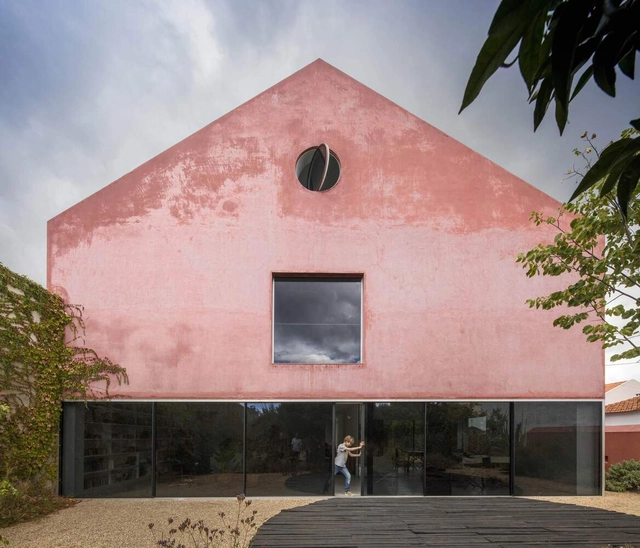
No País dos Arquitectos is a podcast created by Sara Nunes, who also runs the architecture film production company Building Pictures. The podcast aims to profile the professionals, projects, and stories behind Portugal's leading contemporary architecture. With just over 10 million inhabitants, Portugal is a fascinating country when it comes to this professional field, and its architectural output far exceeds its population or territorial scale.

In this episode, Sara talks with the architects of extrastudio, João Caldeira Ferrão and João Costa Ribeiro, about the Red House project. Listen to the full interview and read an excerpt of the transcript below:

Color as a Theme in Architecture: Interview with Atelier Extrastudio - 1 的图像 4Color as a Theme in Architecture: Interview with Atelier Extrastudio - 2 的图像 4Color as a Theme in Architecture: Interview with Atelier Extrastudio - 3 的图像 4Color as a Theme in Architecture: Interview with Atelier Extrastudio - 4 的图像 4Color as a Theme in Architecture: Interview with Atelier Extrastudio - More Images+ 6

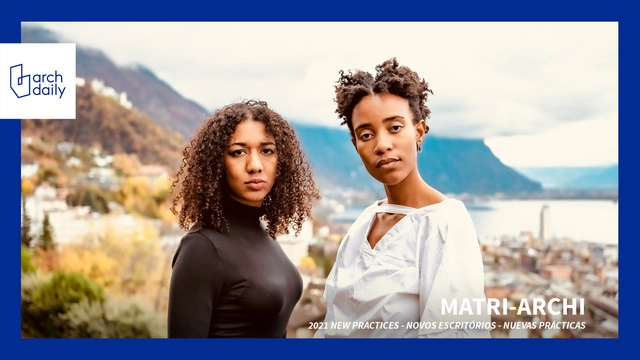
Spatial Education and the Future of African Cities: An Interview with Matri-Archi

Led by architectural designers Khensani de Klerk and Solange Mbanefo, Matri-Archi is a collective based between Switzerland and South Africa that aims to bring African women together for the development of spatial education in African cities. Through design practice, writing, podcasts, and other initiatives, Matri-Archi — one of ArchDaily's Best New Practices of 2021 — focuses on the recognition and empowerment of women in the spatial field and architectural industry.

ArchDaily had the opportunity to talk to the co-directors of the collective on hegemonic space, informal architecture, technology, local idiosyncrasies, and the future of African and global cities. Read the full interview below.

Hospitality as a starting point to discover a city: interview with Pedra Líquida

Subscriber Access | 

No País dos Arquitectos is a podcast created by Sara Nunes, who also runs the architectural film production company Building Pictures. The podcast aims to introduce the professionals, projects, and stories behind contemporary Portuguese architecture. With just over 10 million inhabitants, Portugal is a fascinating country when it comes to this professional field, and its architectural output far exceeds what its population or territorial scale might suggest.

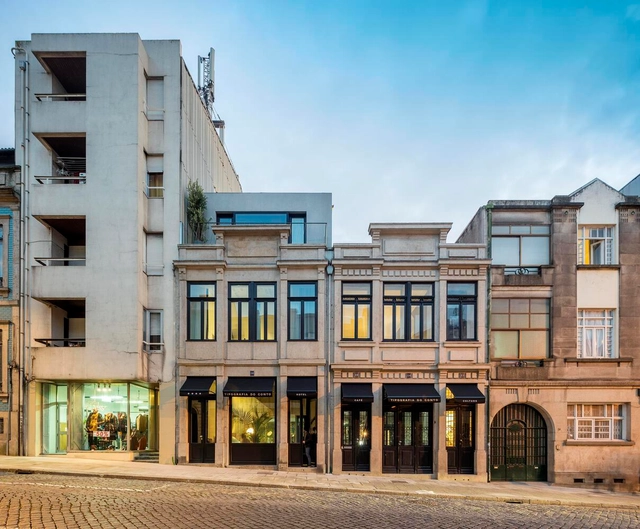
In this episode, Sara talks with Nuno Grande, from the office Pedra Líquida, about Casa do Conto and the Hotel Tipografia do Conto. Listen to the full interview and read an excerpt of the conversation below:

Hospitality as a starting point to discover a city: interview with Pedra Líquida - 1 的图像 4Hospitality as a starting point to discover a city: interview with Pedra Líquida - 2 的图像 4Hospitality as a starting point to discover a city: interview with Pedra Líquida - 3 的图像 4Hospitality as a starting point to discover a city: interview with Pedra Líquida - 4 的图像 4Hospitality as a starting point to discover a city: interview with Pedra Líquida - More Images+ 15

The influence of Portuguese architecture on the work of Studio MK27

Subscriber Access | 

No País dos Arquitectos is a podcast created by Sara Nunes, who also runs the architectural film production company Building Pictures. The podcast aims to profile the professionals, projects, and stories behind leading contemporary Portuguese architecture. With just over 10 million inhabitants, Portugal is a fascinating country when it comes to this professional field, and its architectural output far exceeds what its population or territorial scale might suggest.

In this episode, Sara talks with Marcio Kogan, Diana Radomysler, and Suzana Glogowski of Studio MK27 about the use of the muxarabi (wooden latticework) and the influences of Portuguese colonialism and Brazilian modernism on the firm's work. Listen to the full interview and read an excerpt of the conversation below:

The influence of Portuguese architecture on the work of Studio MK27 - Image 1 of 4The influence of Portuguese architecture on the work of Studio MK27 - Image 2 of 4The influence of Portuguese architecture on the work of Studio MK27 - Image 3 of 4The influence of Portuguese architecture on the work of Studio MK27 - Image 4 of 4The influence of Portuguese architecture on the work of Studio MK27 - More Images+ 18

Rehabilitation Projects and the Reinvention of Place: Interview with Adriana Floret

Subscriber Access | 

No País dos Arquitectos is a podcast created by Sara Nunes, who is also responsible for the architectural film production company Building Pictures. The podcast aims to get to know the professionals, projects, and stories behind contemporary Portuguese architecture of reference. With just over 10 million inhabitants, Portugal is a fascinating country in this professional field, and its architectural output far exceeds what its small population or territorial scale would suggest.

Rehabilitation Projects and the Reinvention of Place: Interview with Adriana Floret - Image 1 of 4Rehabilitation Projects and the Reinvention of Place: Interview with Adriana Floret - Image 2 of 4Rehabilitation Projects and the Reinvention of Place: Interview with Adriana Floret - Image 3 of 4Rehabilitation Projects and the Reinvention of Place: Interview with Adriana Floret - Image 4 of 4Rehabilitation Projects and the Reinvention of Place: Interview with Adriana Floret - More Images+ 8

The importance of designing for different audiences: interview with AND-RÉ

Subscriber Access | 
The importance of designing for different audiences: interview with AND-RÉ - Featured Image
© Fernando Guerra | FG+SG

No País dos Arquitectos is a podcast created by Sara Nunes, who is also responsible for the architectural film production company Building Pictures. The podcast aims to profile the professionals, projects, and stories behind leading contemporary Portuguese architecture. With just over 10 million inhabitants, Portugal is a fascinating country when it comes to this professional field, and its architectural output far exceeds what its population and territorial scale would suggest.

The importance of designing for different audiences: interview with AND-RÉ - Imagen 1 de 4The importance of designing for different audiences: interview with AND-RÉ - Imagen 2 de 4The importance of designing for different audiences: interview with AND-RÉ - Imagen 3 de 4The importance of designing for different audiences: interview with AND-RÉ - Imagen 4 de 4The importance of designing for different audiences: interview with AND-RÉ - More Images+ 3