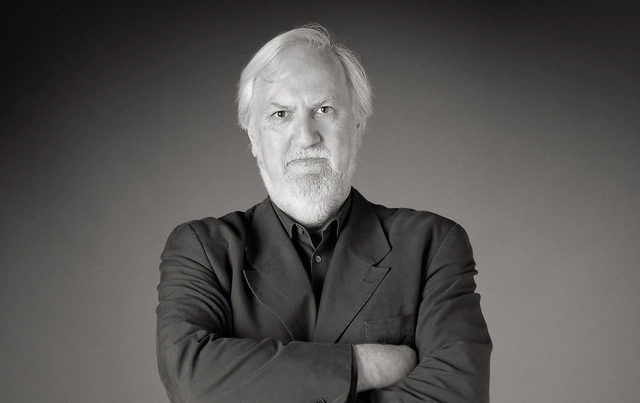
Romullo Baratto is an architect with a PhD from FAUUSP and Managing Editor of ArchDaily. He previously coordinated the editorial team of the 11th São Paulo Architecture Biennial and served as Managing Editor of ArchDaily Brasil, where he led the platform to win the FNA Award—the first time the honor was granted to a media outlet. He collaborated on the editing of the book "Concrete Jungle", published by gestalten, and has curated architecture exhibitions in Brazil, Chile, Denmark, and Italy, as well as delivered lectures and moderated debates in Spain, the United States, and Portugal. His doctoral thesis investigates the urban landscapes of São Paulo through cinema. His work spans academic research and editorial practice, communicating architecture through texts, interviews, lectures, curatorship, and photography. Follow him on Instagram @romullobf.
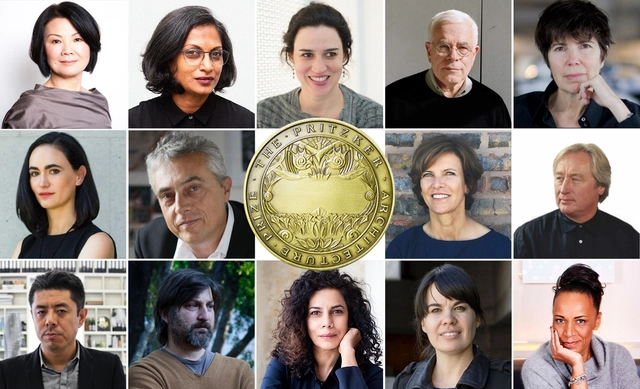
As part of our yearly tradition, we have asked our readers who should win the 2024 Pritzker Prize, the most esteemed accolade in the realm of architecture.
Established by Jay Pritzker and administered by the Hyatt Foundation in the United States, the Pritzker Prize honors living architects, irrespective of nationality, whose architectural contributions "have produced consistent and significant contributions to humanity through the art of architecture."
No País dos Arquitectos is a podcast created by Sara Nunes, who is also responsible for the architectural film production company Building Pictures. The podcast aims to get to know the professionals, projects, and stories behind leading contemporary Portuguese architecture. With just over 10 million inhabitants, Portugal is a highly intriguing country when it comes to this professional field, and its architectural output far outstrips its population or territorial scale.
In this episode of the sixth season, Sara talks with architect Helena Roseta about the future of housing. Listen to the conversation and read part of the interview below.
Cortesia de Programa Rolex de Mestres e Discípulos
Born in Brazil and educated in Paraguay, Gloria Cabral is an architect who early on learned that home can be many places—or none at all. Guided by a comprehensive understanding of the geography, culture, and social conditions of the places she designs, she has left her mark on buildings and artistic installations constructed in various locations, from Asunción to Venice.
Besides her interest in the specificities of the places where she operates, Gloria focuses on resource economy and material reuse — a trending theme that Gloria has championed for over fifteen years. We had the opportunity to speak with the architect about her experiences in Paraguay and Brazil, some of her works involving recycled brick, and her insights into architecture and sustainability.
No País dos Arquitectos is a podcast created by Sara Nunes, who is also responsible for the architectural film production company Building Pictures. The podcast aims to profile the professionals, projects, and stories behind leading contemporary Portuguese architecture. With just over 10 million inhabitants, Portugal is a fascinating country regarding this professional field, and its architectural output punches far above its population or territorial scale.
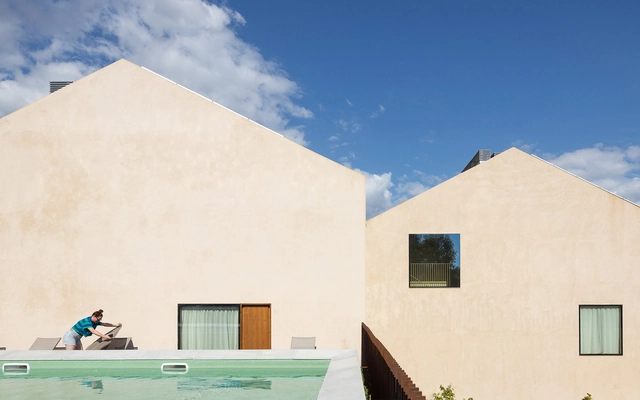
In this episode of the sixth season, Sara talks with architects Susana Leite and Luís Barbosa e Silva, from the firm Arquitectos Aliados, about the design for the Hotel Apartamento e Sala Espetáculos - M.OU.CO. Listen to the conversation and read an excerpt of the interview below.
No País dos Arquitectos is a podcast created by Sara Nunes, who also heads the architectural film production company Building Pictures. The podcast aims to profile the professionals, projects, and stories behind leading contemporary Portuguese architecture. With just over 10 million inhabitants, Portugal is a highly fascinating country within this professional field, and its architectural output punches far outstrips what its population or territorial scale might suggest.
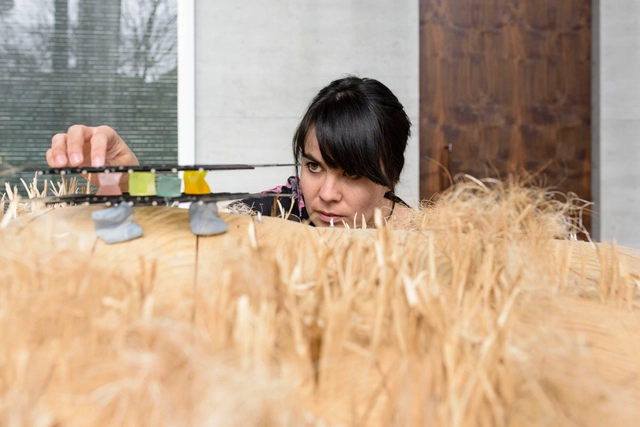
In this episode of the sixth season, Sara talks with architects Matilde Cabral and Francisco Adão da Fonseca, from the firm Pedrêz, about the studio's experimental practice. Listen to the conversation and read an excerpt of the interview below.
In a moment in history when some seek alternatives on other planets and others find refuge in virtual worlds, paradoxically, the future seems to be Earth. This may be one of the significant lessons that 2023 has taught architecture. Understanding this also implies becoming aware that our planet is depleting before our eyes—and a generous portion of this responsibility belongs to the production chains involved in architecture and construction.
If there is still something that can be done to mitigate the climate and environmental crisis in which we find ourselves, it will necessarily involve a revision of all the paradigms that define the industry. It is necessary to change focus and seek other narratives on which to sustain the ways of making architecture on a planetary scale. These ideas resonated in many voices this year, and, at the same time as the possibility of a future for the planet was debated, equal attention was given to the scale, values, and local cultures. The selected interviews here tell stories about the community, environment, cities, practices, and new narratives for architecture in 2023 and beyond.
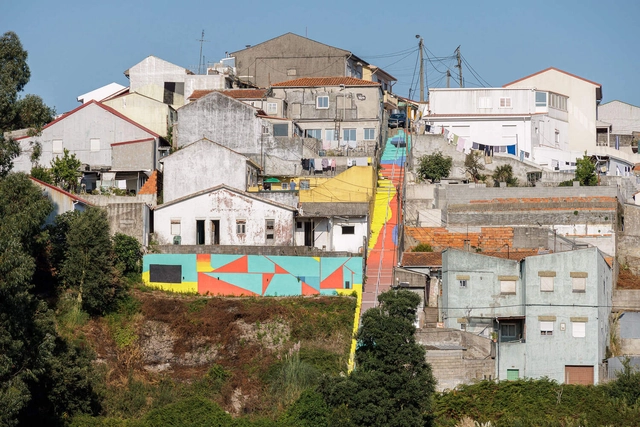
As tragic as they may be, crises often foster adaptability and resilience. In architecture, they challenge professionals to adapt their production to smaller and less frequent orders. That is the case of Diogo Aguiar Studio, a Portuguese studio based in Porto founded in 2016, in the recovery from a profound economic crisis, which, since its emergence, has been forced to reinvent ways of operating within the field of architecture.
Interested in varied scales and typologies, the studio works between the fields of architecture and art, carrying out small-scale architectural projects and spatial installations, temporary or not, for public spaces. Formed by Diogo Aguiar, Daniel Mudrák, Adalgisa Lopes, João Teixeira, Cláudia Ricciuti, and Marta Bednarczyk, the studio bases its practice on the belief that "there are no small projects and, above all, that there are no smaller projects." The ability to respond inventively to diverse demands and contexts earned the studio a place on ArchDaily's 2023 Best New Practices list.
Architect, researcher, and architectural theorist Anthony Vidler passed away last night, on October 20, 2023, at the age of 82, according to Princeton University School of Architecture. Vidler had a distinguished career at the prestigious institution, where he served as the inaugural director of the Doctoral Program in History and Theory. His passion for architecture, nurtured in Essex, England, led him to earn both an undergraduate and a master's degree in architecture at the University of Cambridge. Later, he obtained a doctorate in Architectural History and Theory from Delft University of Technology. His influential career spanned over 50 years, leaving a profound impact on architectural research and education.
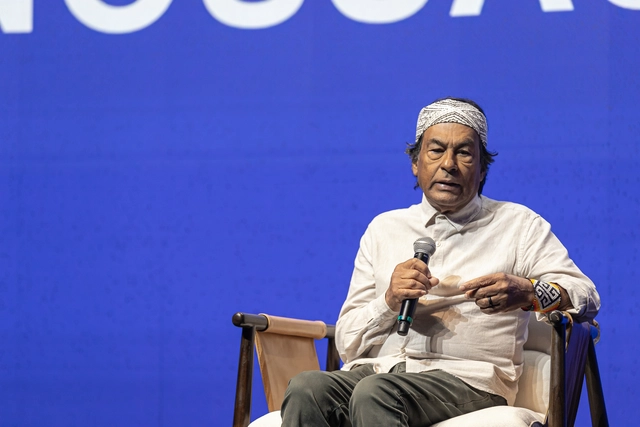
Krenak has a unique talent for transforming his life experiences into profound concepts, which he conveys through oral and poetic language. His worldview blurs the boundaries between landscapes, human beings, animals, rivers, and mountains. He strongly advocates for a reassessment of our lifestyle, emphasizing the importance of 'breaking up the ground to allow the channeled waters to resurface.' On September 5th, he participated in a discussion in São Paulo during the Archtrends Summit 2023, organized by Portobello. During this event, he shared his insights on topics such as cities, forests, and the future of our planet.
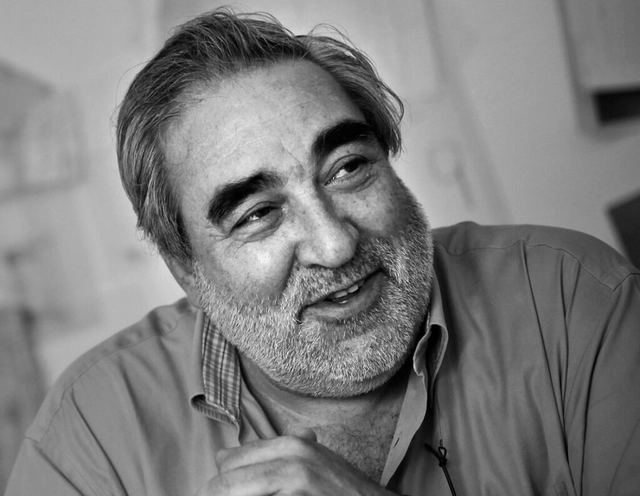
Eduardo Souto de Moura. Image via CAU/BR, divulgação
The Portuguese architect Eduardo Souto de Moura will receive yet another international recognition for his career. On October 20th, the Circle of Fine Arts of Madrid or Círculo de Bellas Artes de Madrid (CBA) will award the architect the Gold Medal, its highest distinction. This tribute not only adds to Souto de Moura's extensive list of accolades, which includes the 2011 Pritzker Prize and the 2013 Wolf Prize, among others but also represents an expression of appreciation from the world of culture and the arts for a career and body of work that transcend architecture and "reach the dimension of poetry through the acceptance of the technical demands of buildings
With a population of a little over ten million people, of which almost two-thirds are living in urban areas, Portugal is still one of the most rural countries in Europe to this day. A significant part of the population is distributed along the Atlantic Ocean coast, concentrated mainly in Lisbon and Porto, which account for almost half of the country's residents, resulting in a large and sparsely populated inland area with predominantly rural characteristics.
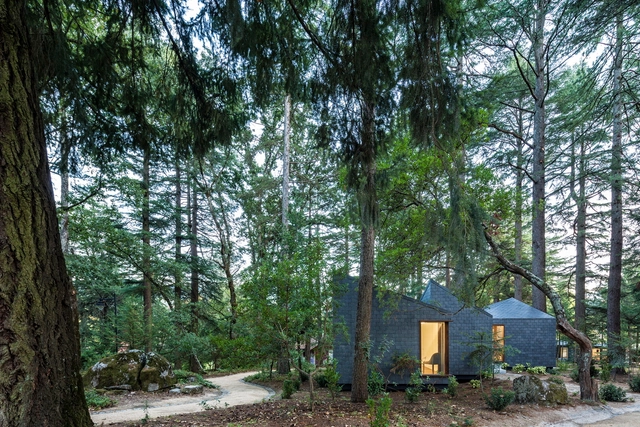
Despite the low density and the countryside atmosphere, these regions are not lacking in quality architecture. Many buildings - mostly residential - stand out for their ability to blend into the landscape, repurpose old structures, or pay homage to local vernacular techniques. The following 15 country houses are examples of this:
Architect, critic, and curator Jean-Louis Cohen passed away at the age of 74 yesterday, August 7. Recognized for his extensive research in the field of modern architecture and urban planning, he held the Sheldon H. Solow Chair of Architectural History at New York University since 1994.
Cohen served as a curator for various prestigious exhibitions, including some held at the Museum of Modern Art, the Canadian Centre for Architecture, the Centre Georges Pompidou, the Cité de l'Architecture et du Patrimoine, and the MAXXI. More recently, alongside Brazilian researcher Vanessa Grossman, he curated the exhibition "Geografias Construídas: Paulo Mendes da Rocha," which opened in May at the Casa da Arquitectura in Portugal.
No País dos Arquitectosis a podcast created by Sara Nunes, who also runs the architectural film production company Building Pictures. The podcast aims to profile the professionals, projects, and stories behind leading contemporary Portuguese architecture. With just over 10 million inhabitants, Portugal is a fascinating country within this professional field, producing architecture that far exceeds its small population and territorial scale.
In the first episode of the fifth season, Sara talks to the architects of fala atelier about the Casa Garagem project. Listen to the conversation and read part of the interview below.
The 35th Bienal de São Paulo – choreographies of the impossible, organized by the Fundação Bienal de São Paulo and curated by Diane Lima, Grada Kilomba, Hélio Menezes, and Manuel Borja-Villel, presents the complete list of participating artists and collectives. The exhibition design for this edition is by the São Paulo-based office Vão.
The announced list consolidates the extensive research carried out by the curators into urgent issues of the contemporary world, revealing a diversity of forms, movements, and interpretations under the theme "choreographies of the impossible." Featuring 120 confirmed names, the list embraces voices from the diasporas and indigenous peoples, fostering a broader local and international dialogue.
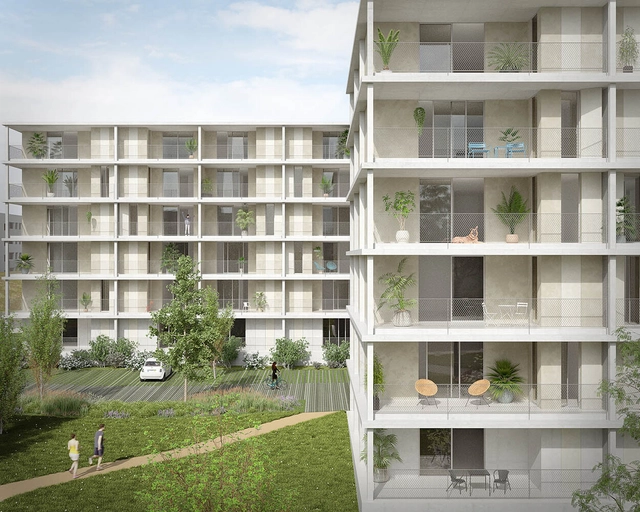
Conjunto habitacional Avenida Joaquim Campos em Setúbal . Image Cortesia de Branco del Río, Arquitectos
No País dos Arquitectosis a podcast created by Sara Nunes, who also runs the architectural film production company Building Pictures. The podcast aims to profile the professionals, projects, and stories behind leading contemporary Portuguese architecture. With just over 10 million inhabitants, Portugal is a highly compelling country regarding this professional field, and its architectural output punches far above its demographic or territorial scale.
In this episode of the fifth season, Sara talks with architects Paula del Rio and João Branco, from the firm Branco del Río, Arquitectos, about collective housing. Listen to the conversation and read part of the interview below.
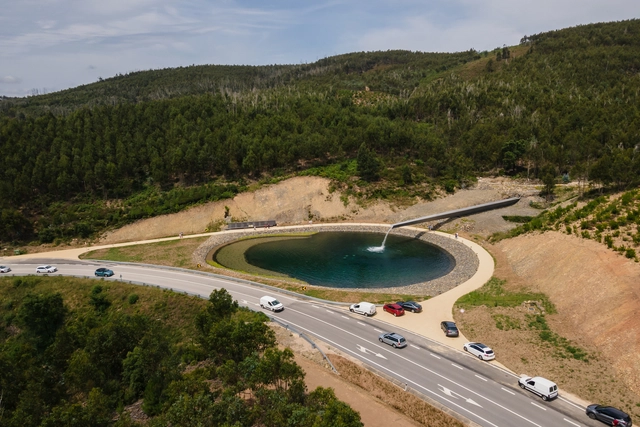
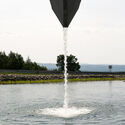
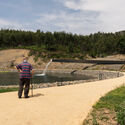
Pedrógão Grande, a Portuguese municipality located approximately 55 kilometers from Coimbra, inaugurated the Memorial in Homage to the Victims of the 2017 Forest Fires last week. This tragic event resulted in the loss of 66 lives and left 253 injured. The monument was designed by architect Eduardo Souto de Moura, winner of the 2011 Pritzker Prize.
The work, initiated by Infraestruturas de Portugal (IP) two years ago, cost approximately 1.8 million Euros. According to IP, the monument features a framing lake spanning about 2,500 square meters in area. The lake is supplied by a 60-meter-long gargoyle and bordered by a strip of plants, including white water lilies, lilies, and ranunculus. Additionally, the project incorporates a wall with the name of each victim inscribed on it, according to IP.
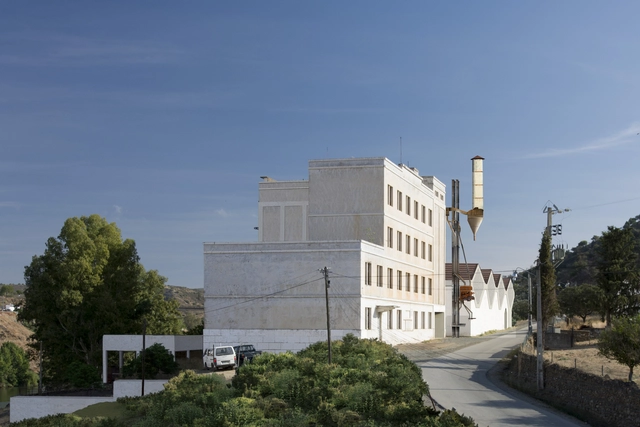
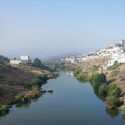
No País dos Arquitectosis a podcast created by Sara Nunes, who also runs the architectural film production company Building Pictures. The podcast aims to profile the professionals, projects, and stories behind leading contemporary Portuguese architecture. With just over 10 million inhabitants, Portugal is a fascinating country in this professional field, and its architectural output far exceeds what its population or territorial scale might suggest.
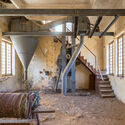
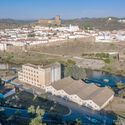
In this fifth-season episode, Sara talks with architects Teresa Novais and Jorge Carvalho from aNC arquitectos about the Biological Station and Gallery of Biodiversity in Mértola. Listen to the conversation and read an excerpt of the interview below.
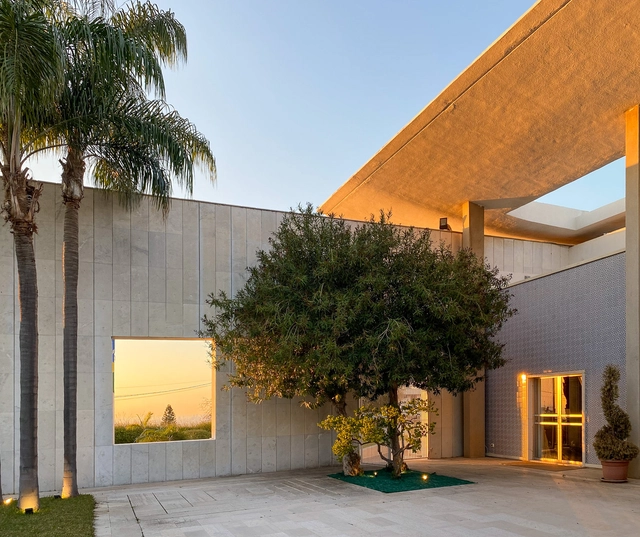
More than ten thousand kilometers away from the capital Brasilia, a jewel of Brazilian modern architecture overlooks the Mediterranean Sea. Located in another Brasilia, a district in Beirut named after the Brazilian capital, the Residence of the Ambassador of Brazil in Lebanon, designed by Olavo Redig de Campos, combines tropical modernism with elements of Middle Eastern culture.
For the first time, the house will be open to the public through guided tours focused on historical heritage. Geared towards architecture, design, and art professionals and students, the visits will be guided by Dr. George Arbid, director of the Arab Center for Architecture, a renowned institution in modern architecture in the region.