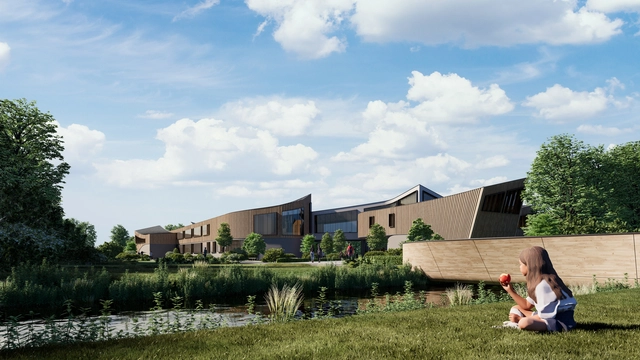
Virtual reality has given architects alternative ways to work. Paired with real-time visualization software, it offers a robust tool with endless capabilities for your design workflow. It can help develop the design, address needs, and win over clients. Here are four key reasons why you need to implement VR into your design workflow.
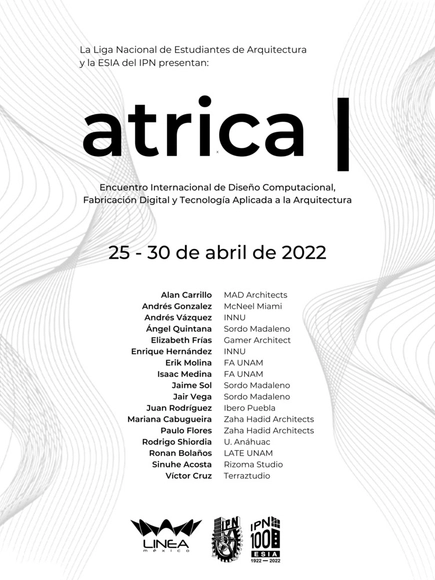
The National League of Architecture Students (LINEA Mexico) and the Higher School of Engineering and Architecture present the 2022 edition of the International Meeting on Computational Design, Digital Fabrication, and Technology Applied to Architecture, better known as Atrica. The event will take place from April 25 to 29, 2022, at ESIA Tecamachalco in Mexico.
Videos
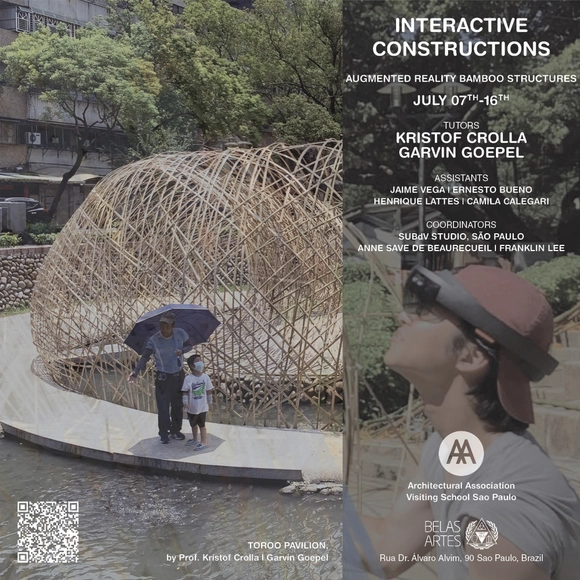
TOROO Pavilion, by Kristof Crolla and Garvin Goepel
Set within a Mixed Reality (MR) context, the AA Visiting School São Paulo 2022 will utilize Augmented Reality (AR) technology to develop complex geometries constructed from bamboo. This year, the design and fabrication of these parametric structures will be led by architects Kristof Crolla and Garvin Goepel, employing both analog and digital techniques. Projects will be developed using Rhinoceros, Grasshopper, Kangaroo, and Karamba, and constructed with the aid of Fologram, holographic devices (Microsoft HoloLenses), and smartphones.
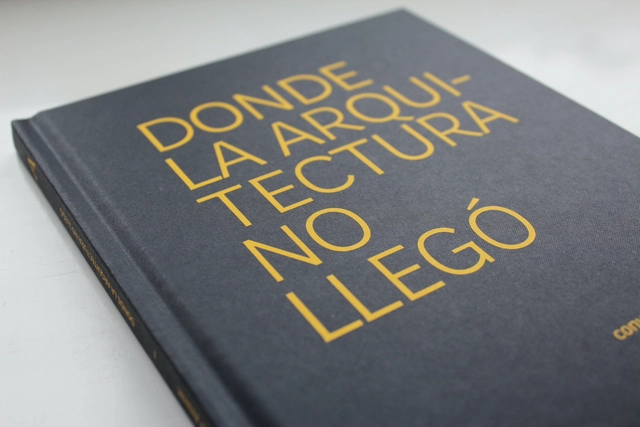
“Donde la Arquitectura No Llegó / Where Architecture Did Not Reach” is the first book (Spanish/English) in our “Open Conversations” series. In it, América al Cuadrado discusses with Grupo Talca their trajectory in creating architecture outside of conventional settings.
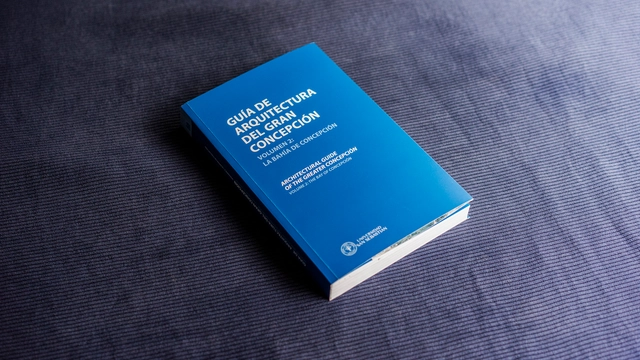
This second volume in the Gran Concepción Architecture Guide collection presents 74 architectural works from one of the most significant territories in Chilean history: the Bay of Concepción, located on the coast of the Concepción province in the Biobío region.
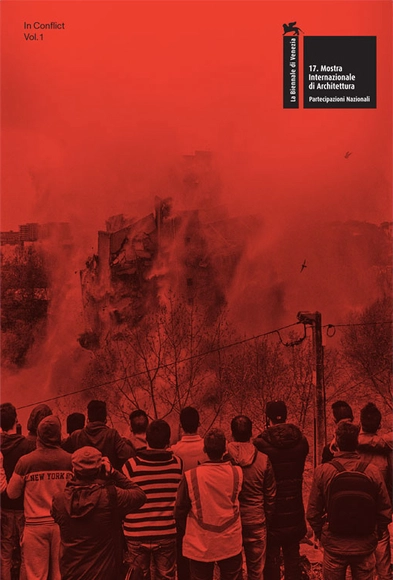
«In Conflict Vol. 1», published by Circo de Ideias and edited by depA architects, Carlos Azevedo, João Crisóstomo, Luís Sobral, and Miguel Santos, presents the research conducted for the Portuguese representation at the 17th International Architecture Exhibition of the Venice Biennale. The book responds to the question posed by Hashim Sarkis, general curator of the 2021 Biennale Architettura: ‘How will we live together?’, by revisiting a selection of Portuguese architectural processes in democracy, shaped by broad public debate between political power, the press, and civil society.
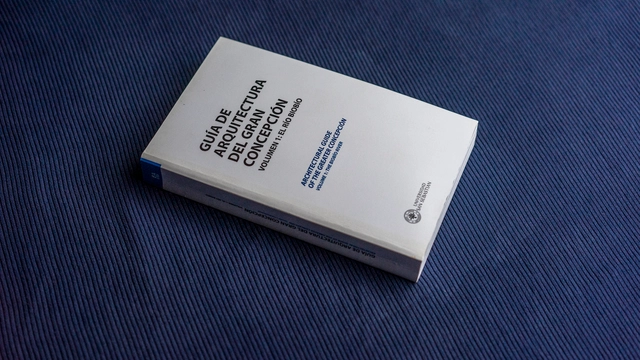
This publication is a collaborative effort between researchers and students, featuring a selection of ninety-four architectural works built in the municipalities of Concepción, Hualpén, San Pedro de la Paz, and Chiguayante between 1850 and 2017.
“From the perspective through which we conceive and carry out our work, architectural projects convey sensations to some and ideas to others, with each observer or user decoding them to engage with and assimilate them. Hence the impetus behind editing a book that seeks, for the first time, to establish a convergence between dialogue and the built work.
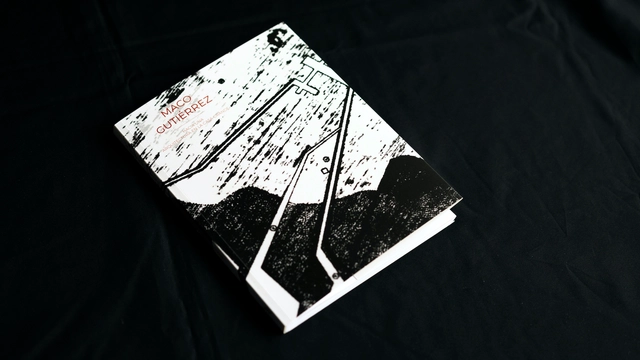
This work offers a panoramic record of the life and work of architect Javier Lisímaco Gutiérrez (1928–1972), spanning Chile, Cuba, and Bolivia. Most of the material is previously unpublished, gathered through the collaboration of institutions and numerous individuals who have generously shared their memories and experiences.
«Bande à part» is the title of a 1964 feature film directed by Jean-Luc Godard, with a narrative centered on a relational triangle. In one of the film's most memorable scenes, the three characters run through the Louvre Museum in Paris at high speed, setting an ironic record for the visit. In this spirit, the «Bande à Part» series, published by Circo de Ideias, is a three-volume theoretical project by Nuno Brandão Costa focusing on triptychs of architectural works in Europe designed by European architects. For distinct reasons and contexts, these works became relevant to the author, serving as objects of fascination and influencing his path as an architect and professor from his training to the present day.
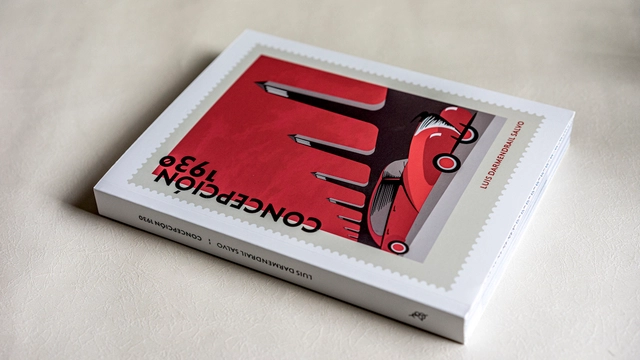
These pages document a journey through the various layers of a city that is now largely lost to time or imagination, weaving a narrative that spans an era nearly a century removed from our own.
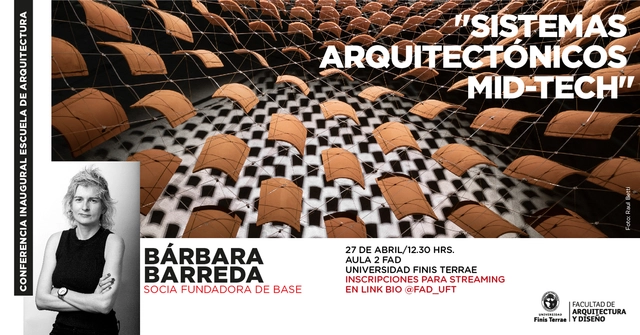
Through her firm, Base Studio, architect Bárbara Barreda develops a methodology for architectural design rooted in systemic thinking and unconventional geometric, material, and spatial formulations. By combining the potential of digital design with local, artisanal construction processes, she generates versatile and adaptable architectural systems.
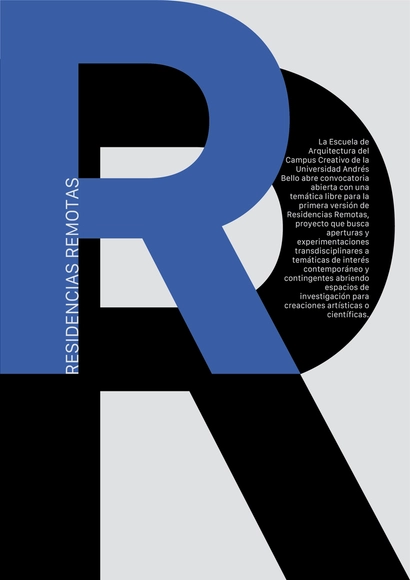
The School of Architecture at the Creative Campus of Universidad Andrés Bello is opening a call for applications for the first edition of Remote Residencies. This project seeks to foster transdisciplinary openings and experiments regarding contemporary and contingent themes of interest, formulating questions that interrogate the state of things while opening spaces for research and free creation. The work will be conducted remotely, followed by implementation through a collaborative effort between the resident and interns from the School of Architecture at the Creative Campus of Universidad Andrés Bello, Viña del Mar campus.
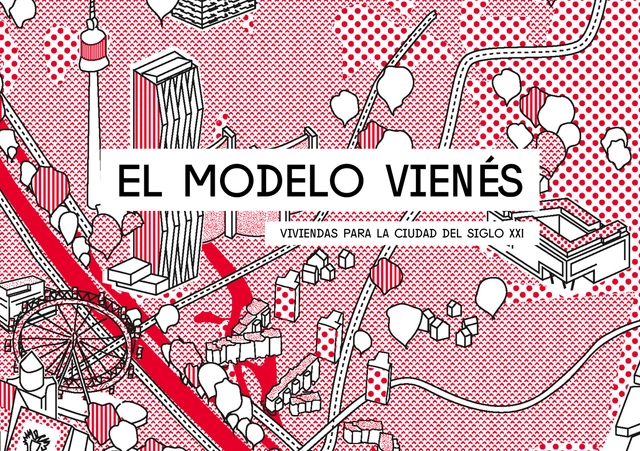
The exhibition The Vienna Model - housing for the twenty-first-century city opens on Thursday, May 5, at the Official College of Architects of Madrid (COAM). The exhibition is organized as part of the AHA (Affordable Housing Activation) UIA International Forum 2022.
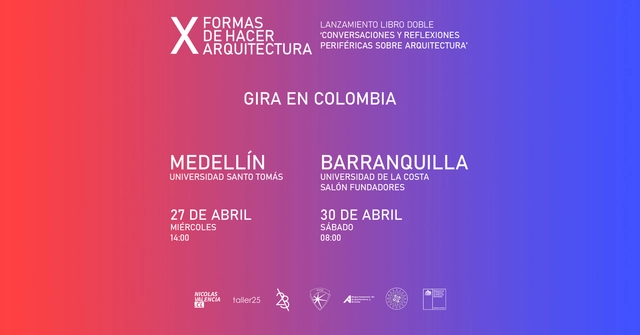
Published by Dostercios Editorial, '#XFORMAS: Conversaciones y reflexiones periféricas sobre arquitectura' is the first two-volume book by Chilean architects Nicolás Valencia, Fabiola González, and Yair Estay, co-founders of X Formas de Hacer Arquitectura (#XFORMAS).
Published by Dostercios Editorial, ‘#XFORMAS: Conversaciones y reflexiones periféricas sobre arquitectura’ is the first double book by Chilean architects Nicolás Valencia, Fabiola González and Yair Estay, co-founders of X Formas de Hacer Arquitectura (#XFORMAS).
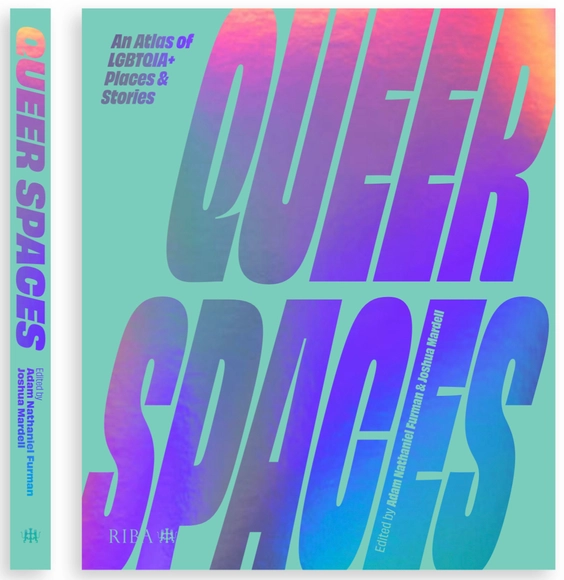
A queer independent bookshop in Glasgow; an ice cream parlour in Cuba, where strawberry is the queerest choice; a cathedral in ruins in Nicaragua, occupied by the underground LGBTQIA+ community. Queer people have always found ways to exist, gather and celebrate and will always continue to. Therefore, there will always be a need for queer spaces.