
CBCA resumes in-person RoadShows addressing the dialogue between steel structures and modular construction
CBCA resumes in-person RoadShows addressing the dialogue between steel structures and modular construction
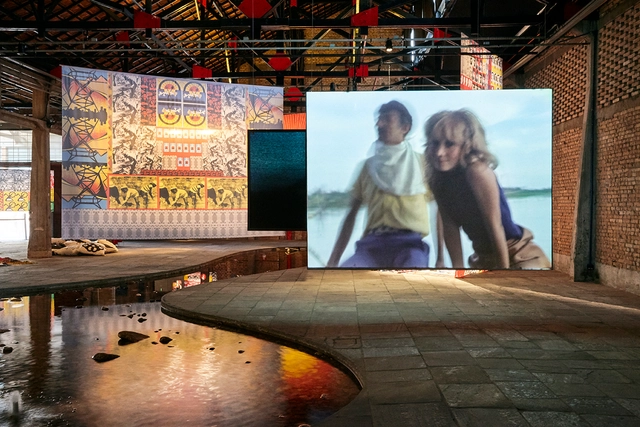
with Helena Cavalheiro and guests
online course
14 SESSIONS
APRIL 25 and 28
MAY 02, 05, 09, 12, 16, 23, and 30
JUNE 06, 13, 20, and 27
JULY 04
Mondays, 7:00 PM to 9:30 PM
Thursdays, 7:00 PM to 9:30 PM (Thursday sessions occur only during the first three weeks, given the theoretical nature of the course's beginning)
R$1,700.00 in up to 8 interest-free installments


In the early days of the pandemic, MOMA curator Paola Antonelli and London-based design commentator Alice Rawsthorn started an Instagram Live series called Design Emergency. It documented the more phenomenal design solutions emerging from the Covid crisis – those tackling pressing health and societal needs with unprecedented focus, clarity and speed, often in a very local way. May sees the launch of the book that evolved from the conversations they had with the problem-solving protagonists and moves those conversations on to the next focus for the design world: how to build on the experience and be the agent of change. It’s apt then, as New York’s design shows, the International Contemporary Furniture Fair (ICFF) and WantedDesign Manhattan return to their regular springtime slot from 15 to 17 May, at the Jacob K. Javits Convention Center, that Antonelli’s is a voice we will hear in the key talk 'Design Emergency: Building a Better Future'.

Organized by the Center for Studies of Contemporary Architecture, with an introduction by Juan José Cruces, Rector of UTDT, the keynote lecture by Jorge Silvetti will take place.
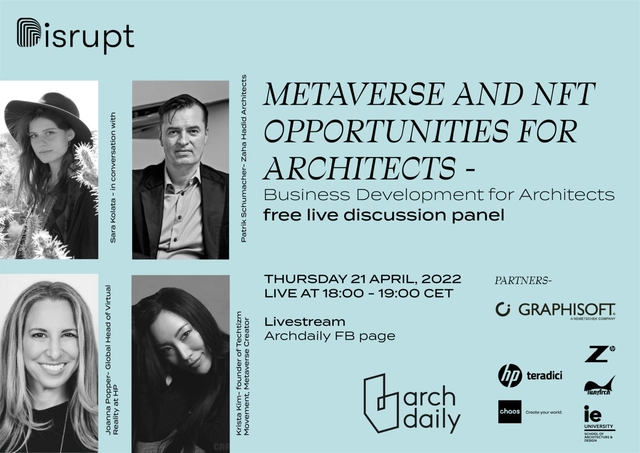
This week for the final Archdaily roundtable host Sara Kolata is being joined by Zaha Hadid Architects Principal Patrik Schumacher, Founder of the Techism Movement Krista Kim and an award-winning Hollywood and Silicon Valley media executive Joanna Popper to discuss ways Architects can benefit and profit from new digital opportunities in the Metaverse.

This spring I bring you the first edition of Disrupt- The Business of Architecture Symposium.
This is the first of its kind event at this scale.
What makes it different from any other bigger business-oriented events you might have attended in the past?
Here you learn from C-level leaders, partners, directors, founders, and editors-in-chief of some of the most prominent and largest architecture businesses in the world.
The event is organised under the tagline: “Success leaves clues”

Following the success of the first edition of the Jaime Lerner Scholarship in 2021, the IAAC, in partnership with the Uruguayan firm Gómez Platero Arquitectura & Urbanismo, is launching the second edition of the Jaime Lerner Scholarships. This year, the scholarship is offered to professionals from all Latin American countries to pursue our Online Master in Cities: The Proximity Urbanism for the 2022/2023 academic year. In doing so, the sponsors reinforce their commitment to supporting early-career architects in their efforts to specialize and effectively contribute to better cities in their respective countries.
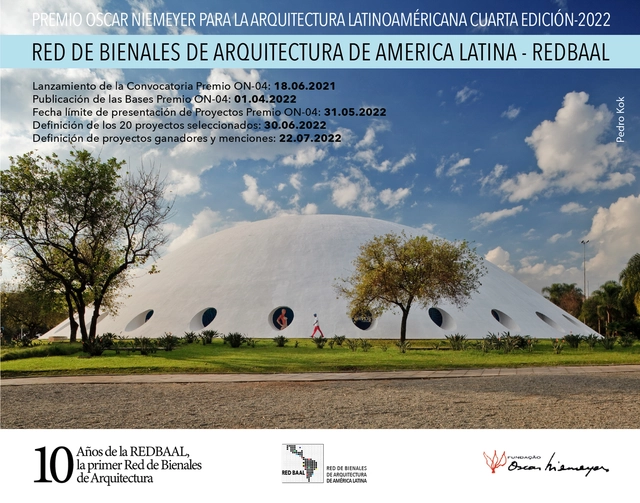
In November 2022, REDBAAL will mark its first 10 years of fruitful existence, celebrating the milestone by announcing the Fourth Edition of the Oscar Niemeyer Award for Latin American Architecture, the grand ON-04 Award.
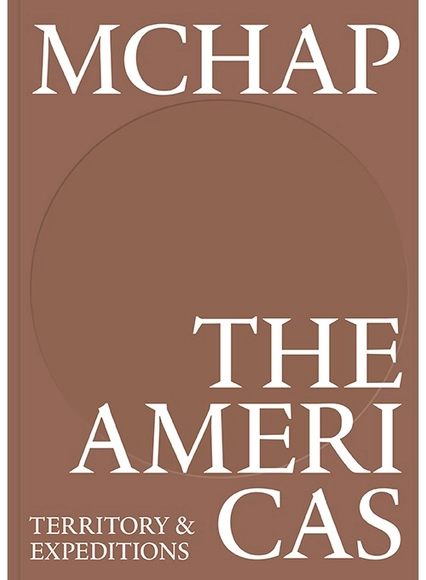
The Mies Crown Hall Americas Prize (MCHAP), directed by Dirk Denison from within the Illinois Institute of Technology (IIT), promotes an academic award that is given to the best architecture built in the American continent during a specific period.
“MCHAP The Americas 2, Territory & Expeditions,” is inspired on the discussions held during the second cycle of the prize, which took place in 2016.
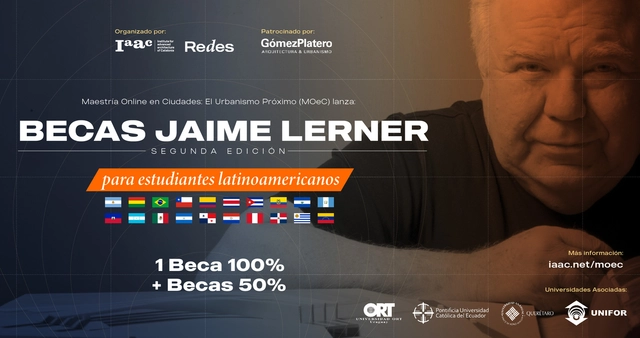
Following the success of the first edition of the "Jaime Lerner Scholarship" in 2021, IAAC, in collaboration with the Uruguayan firm Gómez Platero Arquitectura & Urbanismo, is launching the second edition of the Jaime Lerner Scholarships. This year, the scholarship is open to professionals from all Latin American countries to study our Online Master in Cities: The Next Urbanism for the 2022/2023 academic year. Through this initiative, the sponsors reinforce their commitment to supporting local architects in their efforts to specialize and effectively contribute to improving the cities in their respective countries.
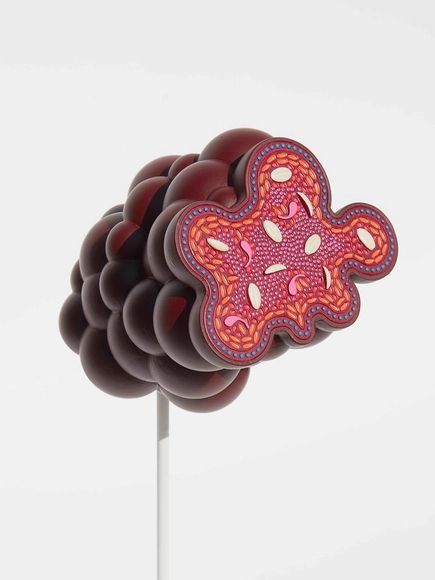
The 27th edition of BIO Ljubljana (BIO27), the oldest and one of the leading design biennials in the world, opening on 26 May under the curatorship of Jane Withers, brings together forward-thinking and environmentally conscious designers, architects, thinkers and researchers from around the globe.
The theme for BIO27, Super Vernaculars, explores a growing and ambitious movement that takes inspiration from vernacular architecture and design intelligence to shape a more resilient and equitable future.
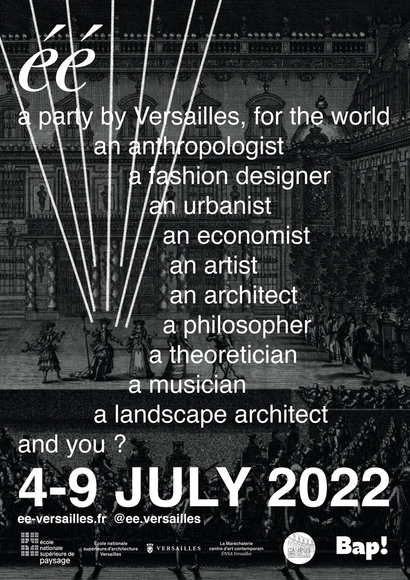
Book now for Versailles summer school !
From July 4 to 9, Versailles will host its summer school and welcome the world !
An unprecedented and unique event which is part of the Île-de-France National Biennale of Architecture and Landscape.

Back in person this September, BEX Asia is the premier platform for the built environment industry that connects solution providers, distributors and sellers with decision makers, developers, architects, interior designers, landscape architects, consultants and buyers to generate successful business connections and leads across Asia.

What are your plans for this summer? If you like to test your passion for environmental design, one of the top summer programs could just change your life.
The College of Environmental Design at UC Berkeley is excited that its Summer Programs are back on campus this year. UC Berkeley faculty and leading innovators of the San Francisco Bay Area are looking forward to in-person and hands-on instruction.
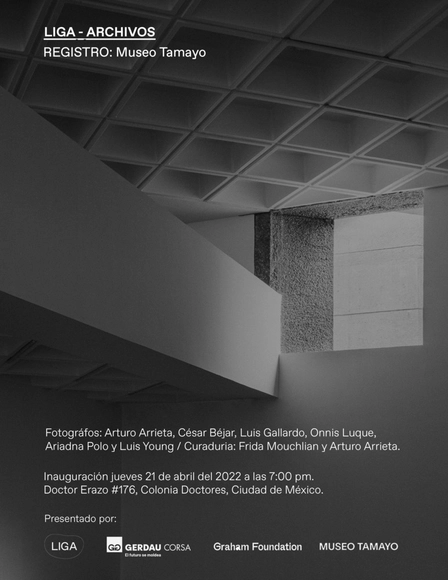
REGISTRO: Museo Tamayo
Participate in the #DesafíoMODhabitar, an initiative driven by CTeC that seeks to design prototypes in the Antofagasta Region that meet high thermal and environmental standards, focusing on four key aspects: modular, sustainable, replicable, and scalable housing.
The Pacífico, Huérfanos, and España galleries are among the more than fifteen that will make up the "Foundational Center Gallery System" tour, led by architect and Universidad Finis Terrae School of Architecture professor Víctor Villalobos. This event is open to the public and will take place on Monday, April 18, at 3:00 PM. The meeting point will be the rear entrance of the National Library (Moneda Street).
This activity is part of the Atravieso Urbano (Urban Traverse) series, organized by the same institution, which includes four walking tours through different sectors of the capital during the first semester of 2022. Each tour is led by an architect and architecture professor who discusses the history and heritage value of each location.

The commemorative program for the 25th Anniversary of the Center for Traditional Architecture Research (CIAT) consists of three lines of action, aimed at expanding and diversifying the many educational and research activities that have been developed since 1996.