Content Editor at ArchDaily Mexico. Architect by UNAM (2018). Her interests focus on exploring the relationship of the body with architecture through dance. She has collaborated with different international choreographers who explore dance and architecture as an event. Twitter / Instagram: @monicarellano_
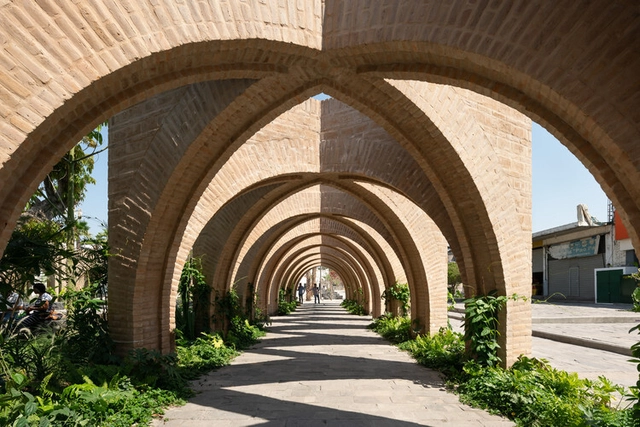
In its sixth edition, the Erich Mendelsohn Brick Architecture Award—organized triennially since 2008 by the Bauen mit Backstein Initiative—seeks to recognize and highlight the finest brick buildings. The award's primary goal is to identify and honor the most outstanding projects across four categories, presenting them to the general public. The competition invites architects and planners to showcase the architectural potential of this material, which is both traditional and innovative. The result is high-profile, intensive public relations for one of Germany's most prestigious architectural awards.
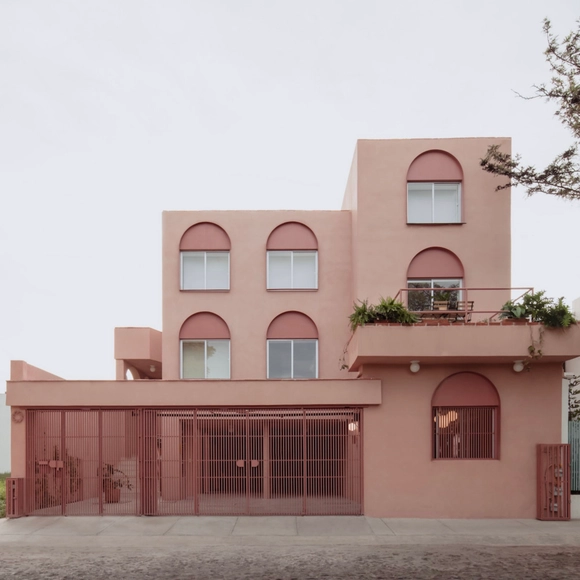
One way to employ color is through monochrome, a design technique that involves using a single tone or color in a space. In architecture, monochrome is a powerful tool where different shades can be created through the play of lights and shadows, generating spaces that offer unique experiences to their inhabitants.
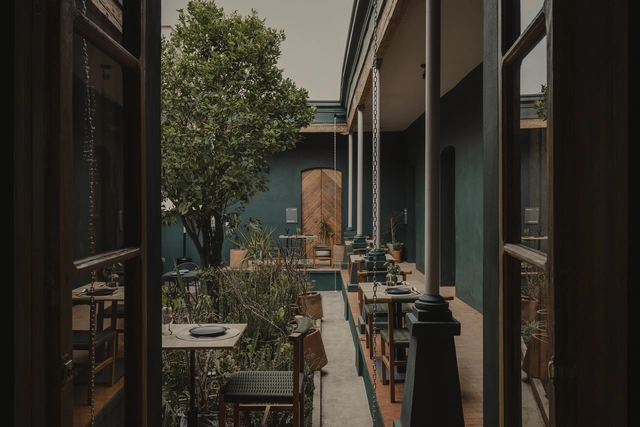
As part of a new project by the architecture firm WORC, "Moradores" emerges: a space located just steps from Jardín Zaragoza in Toluca, State of Mexico. Housed within a 342-square-meter residence with nearly a century of history, it is one of the few surviving structures from the evolution of a representative neighborhood in the city's historic center. The studio, directed by Ricardo Martínez and Camila Ureña, describes the space as a “public house” comprising a restaurant, art exhibitions, and a community gathering point.
Yucatán is a state located in the southeastern part of Mexico on what is known as the Yucatán Peninsula, bordered by the Gulf of Mexico, Quintana Roo, and Campeche. Within this state, there are 4 magical towns: Izamal, Maní, Sisal, and Valladolid. The architecture of this region is a blend of indigenous, Hispanic, Mexican, French, Italian, and American influences.
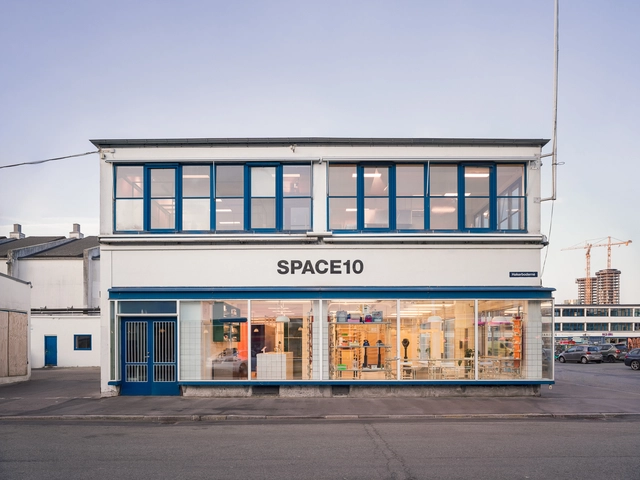
Sede de Copenhague – Fotografía de Hampus Berndtson . Image Cortesía de SPACE10
Ten years ago, SPACE10 was born as a pioneering platform ushering in a novel approach to corporate innovation, consolidating itself for its ability to be open, democratic, driven by a playful purpose, and community-oriented. Composed of a small core team of around 23 people based in Copenhagen, their efforts have focused on combining the power of creativity, science, and technology to find solutions that address the accelerated climate crisis and social injustices.
The city of San Miguel de Allende is located within the state of Guanajuato, in the central-northern region of Mexico, geographically bordering the states of Zacatecas, San Luis Potosí, Querétaro, Michoacán, and Jalisco. It covers an area of 43.6 hectares and is one of the most populated regions in its state. In 2008, it was declared a World Heritage Site by UNESCO and is characterized by its baroque and Spanish architecture. It is part of the list of magical towns in Mexico. Additionally, in this city, you will find the Parish of San Miguel Arcángel, built with the pink quarry stone typical of the region.
The relationship between architecture and music has existed throughout history and can be observed in various aspects. The way architectural spaces are designed can affect the sound quality and auditory experience of a musical piece. The acoustics of a place, determined by its shape, size, and materials used in its construction, can influence how sounds and music are perceived. That's why architecture plays an essential role in the design of auditoriums and concert halls. The aspects to consider include space distribution, seat placement, the shape of the venue, and acoustics to ensure an optimal sonic experience.
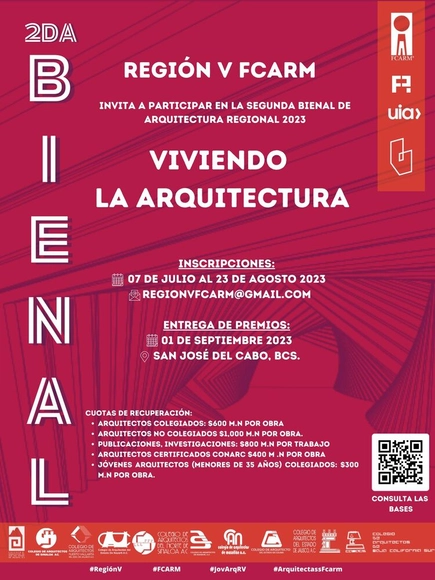
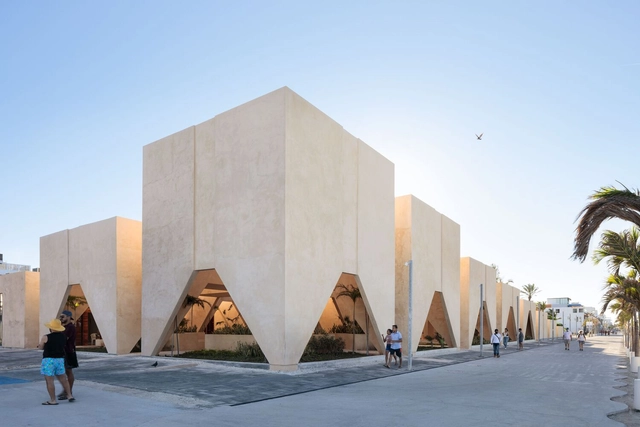
The Region V association of the Federation of Colleges of Architects of the Mexican Republic (FCARM) invites entries for the "Second Biennial: Living Architecture." The goal is to identify, recognize, and promote the best architectural works, publications, research, and theses by architects in Region V, which comprises the states of Baja California Sur, Nayarit, Jalisco, Sinaloa, and Colima.
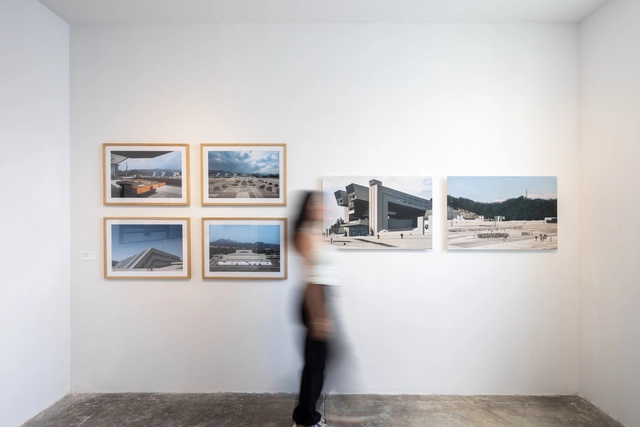
As part of the cultural programming of LIGA, Espacio para arquitectura in Mexico City, the exhibition "Architecture for Gods" ("Arquitectura para dioses") opened in late June. It offers a contemporary record of the Heroico Colegio Militar building, designed by Agustín Hernández Navarro and Manuel González Rul in 1976—an iconic work of Mexican architecture of its era.
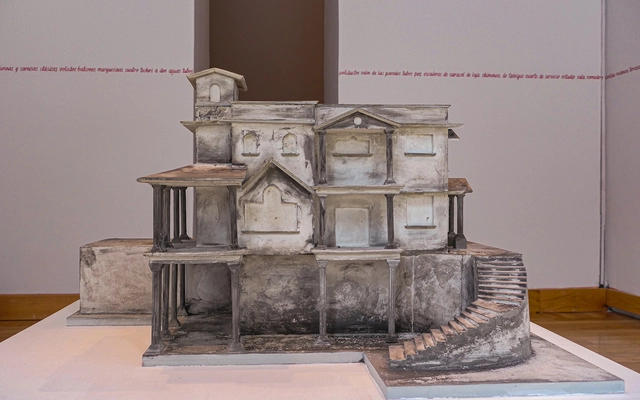
As part of the cultural program of the Centro Cultural España en México, the exhibition "Copias del abandono" is presented as a collaboration between Mexican artist Sandra Calvo and migrant communities from Tlaxcala. It is an investigation that began in 2016 comprising a film, archives, architectural plans, and testimonials. This research—which was presented at the 17th International Architecture Exhibition of the Venice Biennale in 2021—reflects on an architecture born from migratory processes between Mexico and the United States, focusing on the architectural parallels between the houses where migrants work in the US and the homes they build with remittances in their hometowns.
Despite apparent progress and setbacks, migration in North America continues to unfold under conditions of inequality and violence. To this day, the Mexican population continues to make up the largest percentage of migrants residing in the United States, and the cultural bridges between communities are increasingly evident.
A popular saying goes, "Mexico is many Mexicos," a reality that manifests in various ways. The country's multiculturalism is highly pronounced; since pre-Columbian times, it has been clear that while there were commonalities linked to general human traits, material availability, and regional influence, architectural discourse and needs varied distinctly according to the geographical conditions of where it was built.
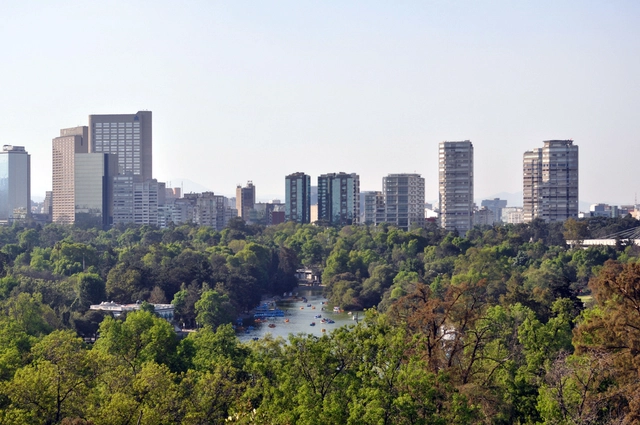
In Mexico City, the federal government has launched its final major cultural project of this administration, after allocating most of the sector's investment funds to improvements in Chapultepec Forest. On June 15, the National Institute of Fine Arts and Literature (INBAL) issued the first call for bids for the "La Mariscala" project, which aims to develop seven vacant lots totaling 5,043 square meters in the Historic Center, located between the Palacio de Bellas Artes and Garibaldi.
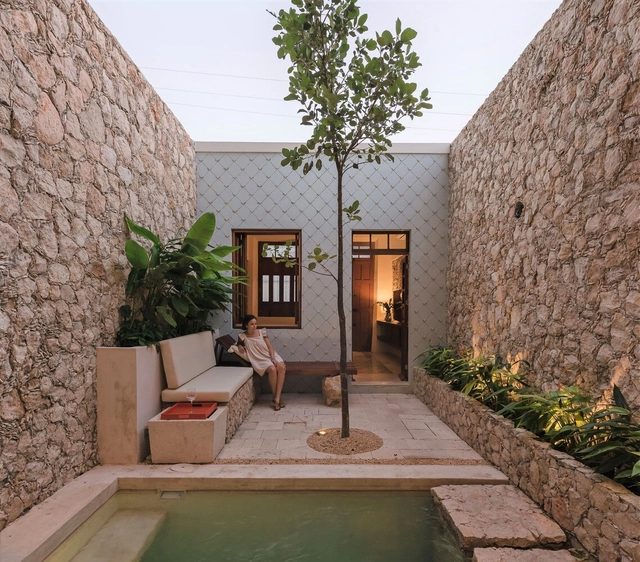
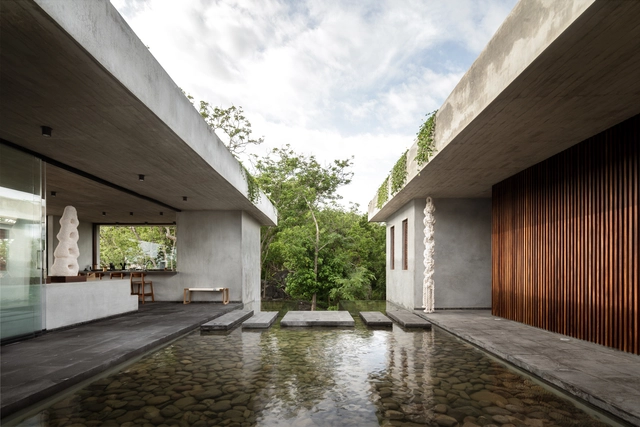
The city of Mérida, the capital of the state of Yucatán in Mexico, has experienced a significant architectural boom in recent years due to emerging talent that has gained recognition through awards and biennials across the country. With its tropical climate, the architecture in this region responds to specific geographical conditions, making it one of the most visited destinations. Mérida is a city that was built upon the remnants of the Mayan city called T'Ho and is composed of a rich culture that combines different moments in history. As a result, the contemporary architecture of this region incorporates traditional elements such as vaults, lattices, and sustainable traditional finishes that are reinterpreted to create a new language that reflects the present moment in which they were constructed.
The Royal Academy has honored Shane de Blacam at the 2023 Royal Academy Architecture Awards, alongside announcing the finalists for the Royal Academy Dorfman Award—an accolade that celebrates global architecture, looking toward the future of the discipline and architectural practice. The finalists are COMUNAL (Mexico), Taller Gabriela Carrillo (Mexico), H Arquitectes (Spain), and Tropical Space (Vietnam).
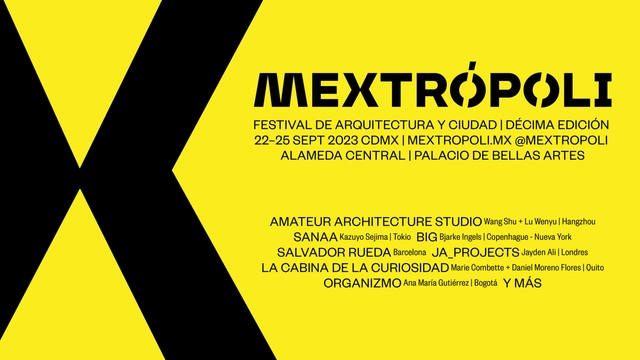
For the past ten years, the MEXTRÓPOLI Architecture and City Festival has established itself as an event that promotes a space to think about, celebrate, and reflect on the city through architecture. The festival brings together specialists, students, citizens, public officials, artists, journalists, and more for a gathering across various locations and through diverse activities, aiming to delve into, discuss, and enjoy one of humanity's greatest inventions: cities.
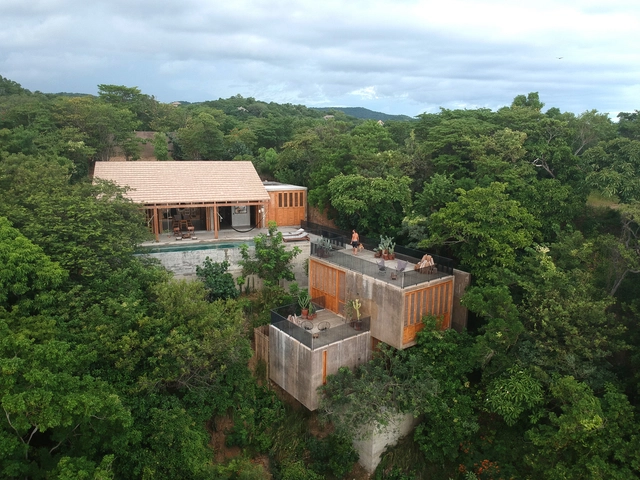
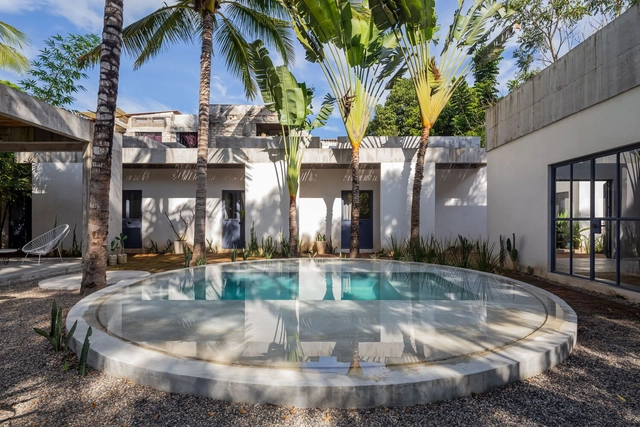
Sayulita is a small beach town in Nayarit, a state located in the western region of Mexico. It is a locality of about 3,390 inhabitants that has grown significantly in the last decade due to tourism, mainly from the United States and Canada, who are attracted by the landscapes and waves that have made it one of Mexico's main surfing destinations.
Water and architecture are closely related in habitat design, encompassing both functional and aesthetic aspects. The best option is to take this into account from the beginning of the design process, as implementing appropriate technologies and systems will determine water consumption. Currently, it is our responsibility as professionals to think about how we can reduce and recycle water consumption within our own homes. There are various ways to address these needs, such as installing low-flow devices in faucets and showers, dual-flush toilets, and efficient irrigation systems for landscaping. In addition, rainwater collection and reuse systems can be implemented for irrigation or house cleaning, which contributes to its conservation.
![Paola Masera + Campos Studio and [H] Arquitectos, among the winners of the Region V / FCARM 2023 Architecture Biennial - Featured Image](https://snoopy.archdaily.com/images/archdaily/media/images/64ef/815f/5286/7b4f/7ea0/5523/slideshow/ganadores-de-la-ii-bienal-de-arquitectura-de-la-region-v-de-la-federacion-de-colegios-de-arquitectos-de-la-republica-mexicana-ac_2.jpg?1693417830&format=webp&width=640&height=580)