Content Editor at ArchDaily Mexico. Architect by UNAM (2018). Her interests focus on exploring the relationship of the body with architecture through dance. She has collaborated with different international choreographers who explore dance and architecture as an event. Twitter / Instagram: @monicarellano_
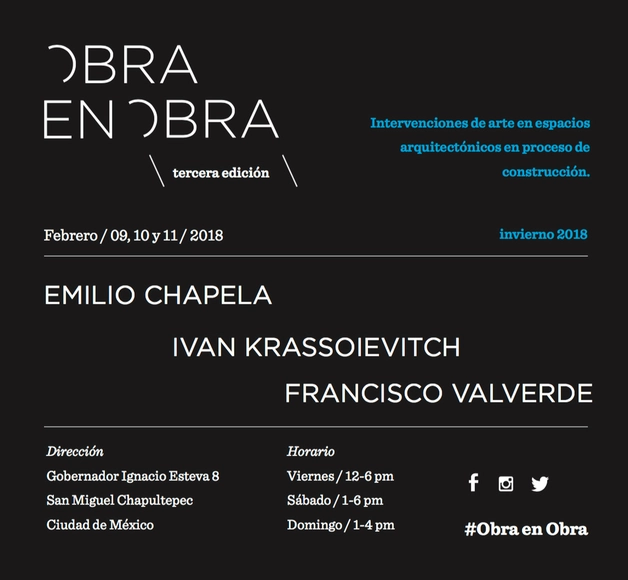
During the most important week of the contemporary art calendar in Mexico City, Obra en Obra is located at Gobernador Ignacio Esteva 8, in the San Miguel Chapultepec neighborhood, next to the Kurimanzutto Gallery, one of the most renowned contemporary art galleries in the country.
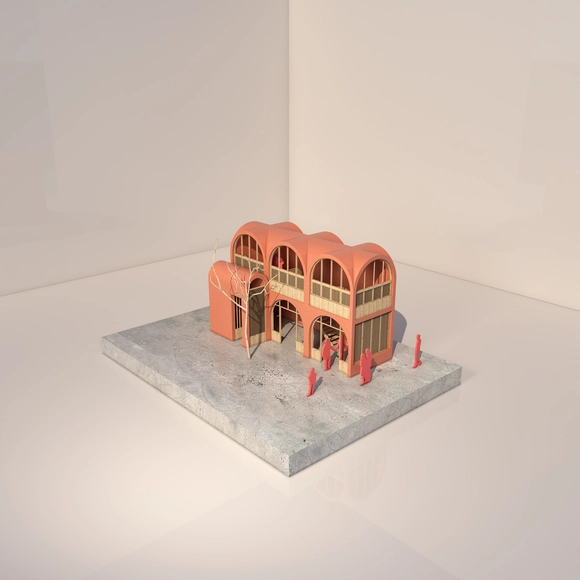
This exhibition invites architects, urban planners, designers, and multidisciplinary creative teams to submit proposals focused on improving the environment and quality of life in our capital. Participation in the exhibition is open via a public call for project submissions or by direct invitation from the curatorial committee. Proposals may consist of unrealizable utopian concepts that are purely fictional, or feasible solutions to concrete challenges with real-world application potential. The projects' narrative covers a wide range of themes, including housing, public space, mobility, the environment, heritage preservation, neighborhood revitalization, and urban infrastructure. They address the architect's mission beyond merely building objects, instead integrating a responsibility toward a sustainable environment that builds better communities, based on the principle that good design is holistic.
For ITESO, the Jesuit University in Guadalajara, architecture is its flagship program, thanks to the impact of its students, faculty, and alumni in our city, our country, and the world, as well as the university's enrollment statistics. The responsibility inherent in these facts is not only historical but lived. As architects from the Jesuit University, we are committed and passionate about our causes, a product of a tradition passed down since the day of its founding with architect Enrique Nafarrate.
Av. Paseo de la Reforma #105, Col. Tabacalera C.P. 06030
Price
6,000
Render Training is a professional development program designed to help you build skills in architectural visualization, product visualization, and 3D design. The tools we will use throughout the process are designed to streamline your workflow, enabling you to achieve stunning, high-impact results.
Agencia Social de Paisaje is a Mexico City-based practice driven by the conviction that landscape is a vital tool for designing new horizons. Drawing on logical and natural systems, they create coherent, functional, and holistic environments that foster a deep connection to place and its inhabitants. They are part of ArchDaily's Best New Practices of 2023.
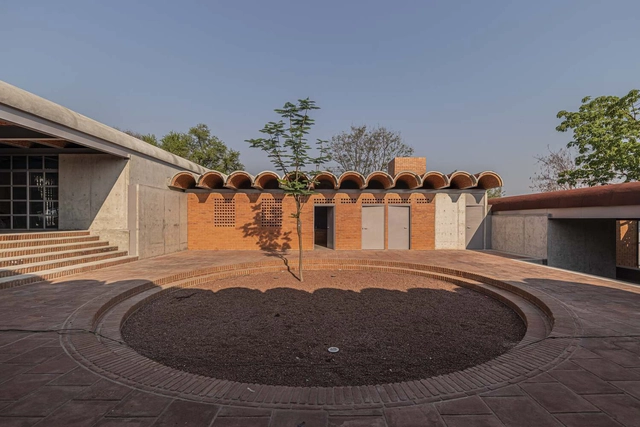
The architecture of cultural centers in Mexico has gained relevance in recent years. There has been a growing interest in providing spaces for recreation and education, transforming them into urban landmarks that attract visitors from all over the country year after year.
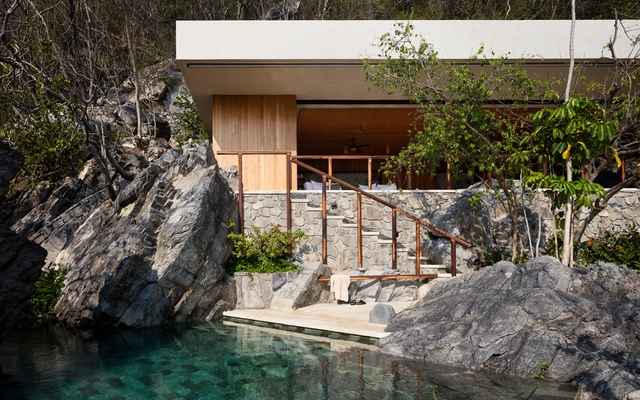
Due to their aesthetic, sustainable, durable, and resistant qualities, stone materials have accompanied the disciplines of architecture and engineering since their origins. As is known, in Mexico, stone has been a fundamental element in pre-Hispanic constructions where experimentation was done with vaults, ashlars, masonry, etc.
However, the industrialization of this material, the perfection of techniques, and experimentation with its various applications have allowed buildings erected today to continue using it in different ways and various regions of the country, specifically in wooded areas. For this reason, we have compiled a selection of projects that include houses, haciendas, hotels, restaurants, and terraces to continue inspiring you.
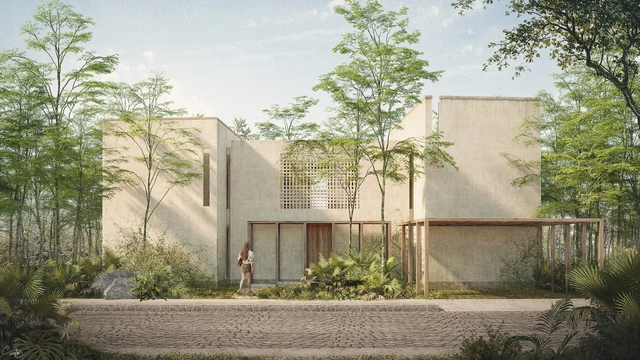
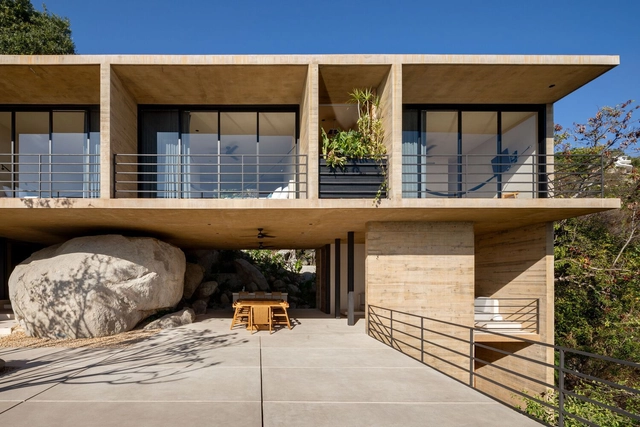
Mexico City- and Guadalajara-based firm Estudio AMA debuts with its "Riviera Ka’an Residencias" project, located in Xpu Ha, a town in the state of Quintana Roo, Mexico, situated south of Playa del Carmen and north of Tulum on the Caribbean coast. Estudio AMA presents itself as a creative space encompassing all fields of design: architecture, interiors, graphic design, and art.
The heritage of Mexico City is extremely rich and diverse due to a long history that overlays like layers above the urban fabric since pre-Hispanic times. Currently, it is one of the largest cities in the world, and its heritage is reflected in its architecture, museums, historical sites, cultural traditions, protected sites, gastronomy, and much more. This chronology has been evidenced through various historical records. However, contemporary recording is essential in moments where we are writing history immediately with different digital tools.
The "Brutalism in Mexico" exhibition provides a critical documentation of architectural production in the country that, in various ways, falls under the designation of "Brutalist Architecture," situating these works within their cultural and political context—both national and international—over time.
The winning project of the Oscar Hagerman Prize International Architecture Competition has been announced. Established in 2017 to honor the career of architect Oscar Hagerman, the biennial competition recognizes social architecture concepts, encouraging participants to utilize regional materials while prioritizing user needs.
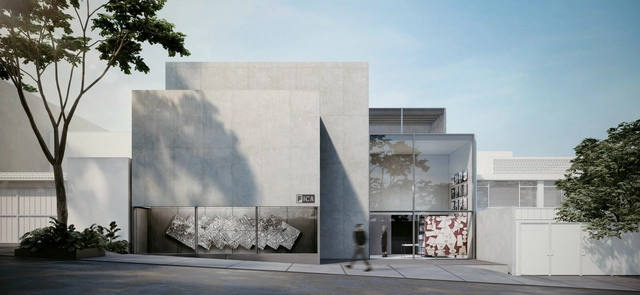
The Fundación ICA presents the initiative to establish the ICA Center for Education, Research, and Training (CENFICA), which will consolidate ICA's historical mission and vision for the professional development of new generations of professionals and the continuous training of its employees. Drawing on academic program experiences and the creation of innovation laboratories for construction and prefabrication processes, ICA promotes CENFICA through Fundación ICA—a non-profit civil association founded in 1986—aiming to expand its institutional outreach across three core areas: Education, Research, and Training.
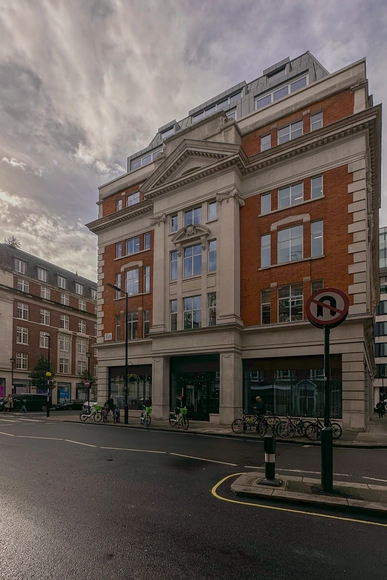
Mexican firm Sordo Madaleno Arquitectos has announced the opening of its new office in the heart of London. This strategic move for its global practice will establish an international presence in a global capital, bringing the firm closer to its clients worldwide.
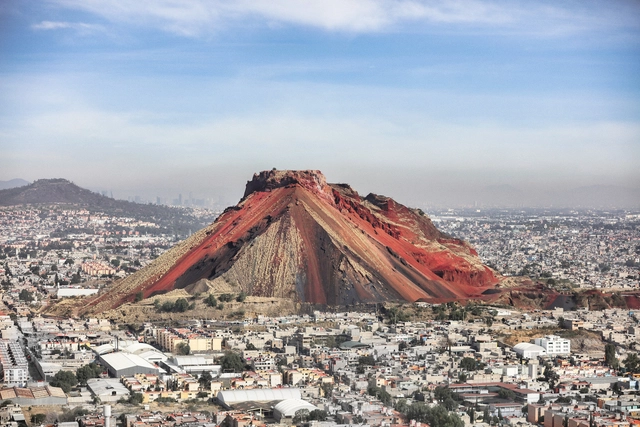
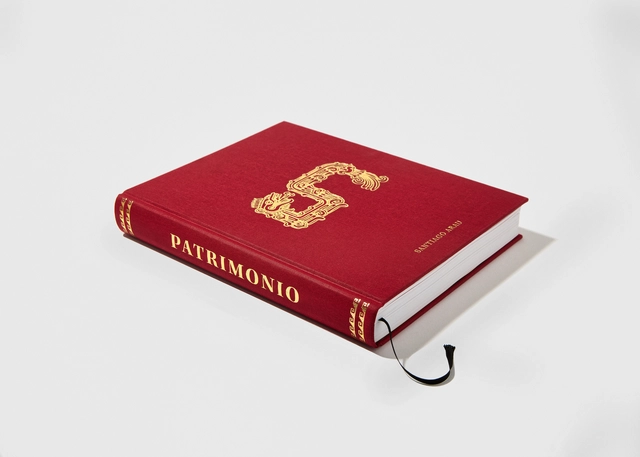
The project consists of approximately 200 photographs taken between 2015 and 2023, aimed at exploring the heritage of the Valley of Mexico—its geography and culture—and representing the current state of that heritage. The narrative begins with the volcanoes of a city surrounded by and built upon them. Beyond featuring well-known peaks like Popocatépetl, this personal quest led Santiago to discover others that have been assimilated into the urban environment. The images reveal craters that now house soccer fields, farmland, landfills, and even dwellings.
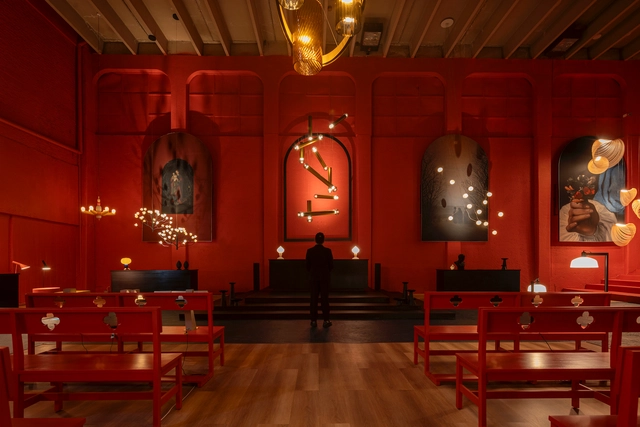
Yesterday, November 8, as it does every year, Diez Company presented the fifth edition of the Maison Diez Company project to both Mexican and international audiences. This space, dedicated to lighting design, brings together designers, creatives, architects, interior designers, business partners, lighting experts, and international brand representatives to celebrate light. Following the success of its previous annual editions since 2018, Maison Diez Company is showcasing its latest offerings in a historic mansion in the San Miguel Chapultepec neighborhood.
The Royal Academy has named Mexican architect Gabriela Carrillo as the overall winner of the Royal Academy's Dorfman Prize 2023, an award that rewards architecture from around the world, looking towards the future of architecture and architectural practice. Taller Gabriela Carrillo was selected in recognition of the clarity and precision of her work.
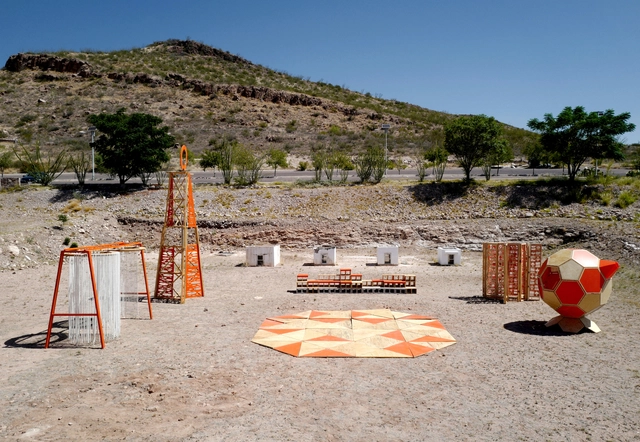
As part of an initiative by the ISAD School of Architecture and Design in Chihuahua, the Taller del Desierto (Desert Workshop) has been running for several years, fostering various projects to stimulate student learning. For this edition, a pavilion was built, conceived as an assembly of pieces with a theatrical narrative. This pavilion was created as a collaboration between ISAD and Teatro Bárbaro, a local independent cultural forum led by Luis Bizarro. Consequently, the pavilion was designed to serve as a traveling venue for performances created or adapted specifically for this space, which consists of pieces designed during the four-week summer workshop in 2023.
.jpg?1538684823&format=webp&width=640&height=580)
.jpg?1534278486&format=webp&width=640&height=580)