Mónica Arellano

Content Editor at ArchDaily Mexico. Architect by UNAM (2018). Her interests focus on exploring the relationship of the body with architecture through dance. She has collaborated with different international choreographers who explore dance and architecture as an event. Twitter / Instagram: @monicarellano_

BROWSE ALL FROM THIS AUTHOR HERE

Vitrina: A New Exhibition Space Opens Its Doors in Mexico City

Description courtesy of the project team:

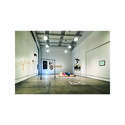
Located in the heart of this neighborhood, at Marsella #59, Vitrina was born from the desire to create a design-focused exhibition space that goes beyond commercial interests. Inspired by the window displays of early 20th-century department stores, the space fosters a dialogue between designers, pedestrians, and the neighborhood, exploring recent trends in the design scene and how each creator expresses their vision.

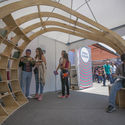
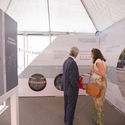
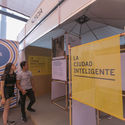
What to do in CDMX during the World Design Capital 2018 celebration?

What to do in CDMX during the World Design Capital 2018 celebration? - Imagem 1 de 4What to do in CDMX during the World Design Capital 2018 celebration? - Imagem 2 de 4What to do in CDMX during the World Design Capital 2018 celebration? - Imagem 3 de 4What to do in CDMX during the World Design Capital 2018 celebration? - Imagem 4 de 4What to do in CDMX during the World Design Capital 2018 celebration? - More Images+ 4

With Socially Responsible Design as its central theme, the World Design Capital CDMX 2018 program proposes an agenda to establish a forum for connection, reflection, and dialogue on design as a force that shapes material life and ideas to build a livable city.

The agenda for the coming months (April–June) of World Design Capital CDMX 2018 includes official events, academic, cultural, and design activities. The official events, organized under the guidelines of the World Design Organization (WDO), will take place in April; meanwhile, the local program—highlighting the Interuniversity Circuit and the cultural agenda—will run throughout the year.

Notably, the exhibitions, conferences, urban interventions, and educational projects are guided by six cross-cutting themes: inhabitants, mobility, identity, environment, public space, and creative economy. 

After 19S: 'House for Axel' / PALMA

Subscriber Access | 
After 19S: 'House for Axel' / PALMA - Featured Image
© PALMA

After 19S: 'House for Axel' / PALMA - Image 1 of 4After 19S: 'House for Axel' / PALMA - Image 2 of 4After 19S: 'House for Axel' / PALMA - Image 3 of 4After 19S: 'House for Axel' / PALMA - Image 4 of 4After 19S: 'House for Axel' / PALMA - More Images+ 7

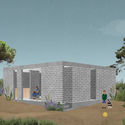
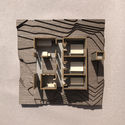
The 'House for Axel' project by PALMA arose in response to the events of September 19, 2017 (19S), when an earthquake centered in Morelos shook various parts of the country. In response, organizations like Reconstruir México, Pienza Sostenible, and Échale a tu Casa stepped in to support affected families by proposing long-term sustainable solutions. One of the guiding principles behind these initiatives was that demolishing to rebuild from scratch was not the solution. Instead, efforts focused on promoting the reuse of existing materials and structures, allowing for diagnostic assessments of the damage to prevent future disasters.

The 5 most visited products from the ArchDaily Mexico materials catalog

The 5 most visited products from the ArchDaily Mexico materials catalog - Imagen 1 de 4The 5 most visited products from the ArchDaily Mexico materials catalog - Imagen 2 de 4The 5 most visited products from the ArchDaily Mexico materials catalog - Imagen 3 de 4The 5 most visited products from the ArchDaily Mexico materials catalog - Imagen 4 de 4The 5 most visited products from the ArchDaily Mexico materials catalog - More Images+ 2

As the end of the year approaches, and after celebrating six years in Mexico, we would like to thank you all once again for making 2018 our best year yet. Thanks to your ongoing support and our close connection with our readers, we are now reaching many more architects worldwide to inspire them to create better urban environments for everyone.

We Are an Event: Thinking Cities through Architectural Fictions

Subscriber Access | 

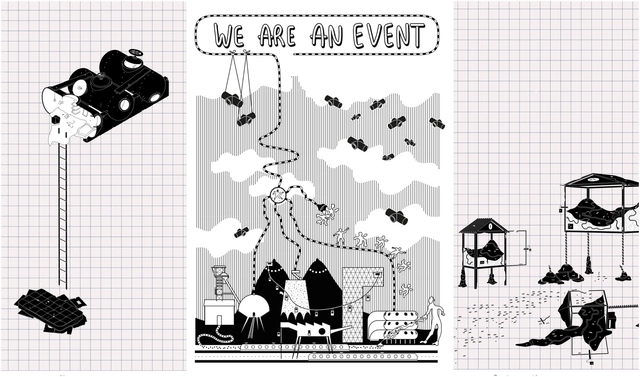
'We Are an Event' is a fictional persona born from the collaboration of Quentin Laurens-Berge and Lambert Moiroux, both of French nationality. The true moral and visual identity of this project was created to address questions about the city where it is based. This character serves as a sphere of exchange and a tool for creating distance from the work produced. Quentin and Lambert's work questions the modes of architectural production within the discipline, describing their projects as an oscillation between porno-chic and class struggle, as the aesthetics of their representation allow for a deeper exploration of themes like the Saint-Étienne International Design Biennale.

Currently, 'We Are an Event' is based in the tentacular—as they choose to call it—Mexico City, where they continue their practice with a social, moral, and cultural focus that addresses urban and spatial needs. Faced with a new territory, their goal is to deepen the practice of a different architectural discipline: real-time architectural performance.

Mexican duo Lake Verea presents architectural portraits for the 2018 Venice Biennale

Mexican duo Lake Verea presents architectural portraits for the 2018 Venice Biennale - Image 1 of 4Mexican duo Lake Verea presents architectural portraits for the 2018 Venice Biennale - Image 2 of 4Mexican duo Lake Verea presents architectural portraits for the 2018 Venice Biennale - Image 3 of 4Mexican duo Lake Verea presents architectural portraits for the 2018 Venice Biennale - Image 4 of 4Mexican duo Lake Verea presents architectural portraits for the 2018 Venice Biennale - More Images+ 16

Lake Verea is composed of Francisca Rivero-Lake Cortina (Mexico City, 1973) and Carla Verea Hernández (Mexico City, 1978). They have worked as a duo since 2005. Their practice focuses on experimenting with photographic techniques and formats to achieve a personal and intimate perspective. They live and work in Mexico City and around the world. Their research interests center on the portraiture of architecture and the architecture of portraiture, the search for modern ruins, and the emotional interpretation of the spatial journey.

Their latest contribution is a series commissioned by Gabriela Etchegaray for the 16th International Architecture Exhibition of the Venice Biennale. Featured in the Mexican Pavilion, “Echoes of a Land,” they conceive architectural portraits through an intimate approach, using fragments to compose a narrative where the architectural subject is personally reinterpreted.

Solid Red: Shuli Sade's First Exhibition in Mexico

Solid Red: Shuli Sade's First Exhibition in Mexico - Image 1 of 4Solid Red: Shuli Sade's First Exhibition in Mexico - Image 2 of 4Solid Red: Shuli Sade's First Exhibition in Mexico - Image 3 of 4Solid Red: Shuli Sade's First Exhibition in Mexico - Image 4 of 4Solid Red: Shuli Sade's First Exhibition in Mexico - More Images+ 14

On Thursday, February 1, Solid Red opened, marking multidisciplinary artist Shuli Sade's first solo exhibition in Mexico. The show features various digitally altered photographic pieces and will remain open to the public until April 26, 2018.

Pabellón del Eco 2018: Campanario by TO

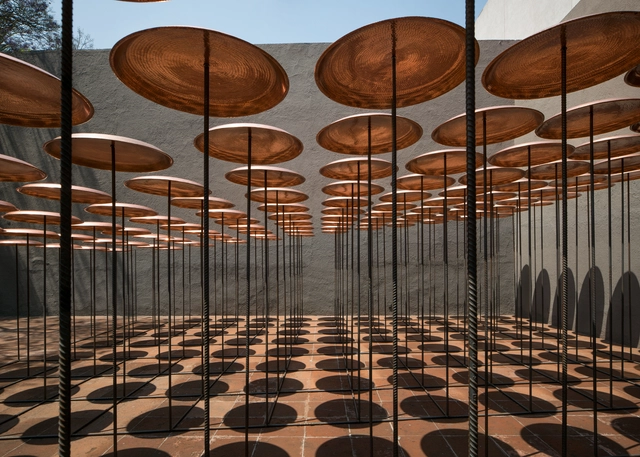
The Eco Pavilion 2018 is the eighth edition of a competition that, since 2010, has served as a space for reflection on architecture through temporary construction inside the courtyard of the Museo Experimental el Eco. This year's edition was framed around the concept of "pure architecture," based on a premise proposed by architect Isaac Broid.

Meet the top three winners of the 2018 CEMEX Pavilion Competition

The 2018 CEMEX Pavilion competition was established to offer Guadalajara's student community an opportunity and a platform to express their aspirations, interests, concerns, and critiques of the architectural profession. This is materialized through an intervention in the courtyard of a heritage home in the city's historic center, which currently serves as both a workshop and a cultural center.

Supported by CEMEX and the Arq. Marcelo Zambrano Scholarship, the first edition of the 2018 CEMEX Pavilion competition was launched. Aimed at the student community of the Guadalajara Metropolitan Area, the competition invited participants to intervene in a heritage property in the city's downtown core, aiming to provide students with a fresh platform to express their concerns and passions about the profession through a built work, bridging the gap to professional practice.

Joel Escalona presents his new 'Balance' series

Joel Escalona presents his new 'Balance' series - Featured Image

Description provided by the design team:

Ten pieces made of different materials challenge the laws of balance. Using the same typology at different scales, each composition in the Balance collection explores the equilibrium between technique, people, and the ideas that inspire us. Each piece was produced using various traditional crafts, artisanal techniques, and Mexican industrial technologies that Joel has explored at different points in his career.

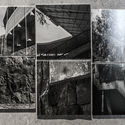
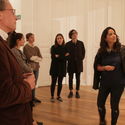
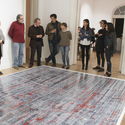
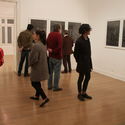
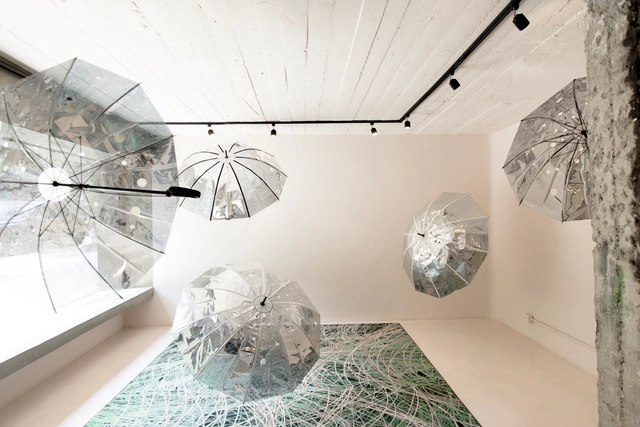
Vitrina opens the exhibition 'Rifletutti' by Inside Outside / Petra Blaisse

Located in the heart of this neighborhood, at Marsella #59, Vitrina arose from the desire to create a design-focused exhibition space that goes beyond commercial interests. Inspired by early 20th-century department store window displays, this exhibition fosters a dialogue between designers, pedestrians, and the neighborhood regarding recent trends in the design scene and how each designer expresses their vision.

Vitrina features a 1.60m x 3.60m street-facing window and a 35-square-meter area enclosed by a 2.30m-high curtain, aiming to serve as a transitional space between the street and the interior, design and the user, and the pedestrian and the city. Every six weeks, the work of two designers or collectives will be presented, fostering a dialogue or a conceptual confrontation. 
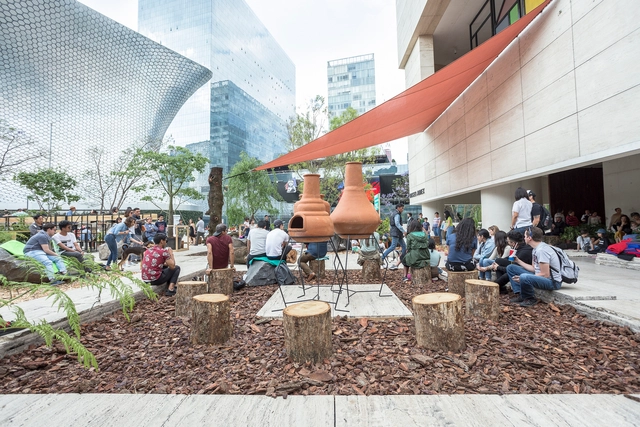
Fritz Haeg & Nils Norman: 'Proposals for a Plaza' is a way to reveal and critique the existing conditions of public space.
Subscriber Access | 

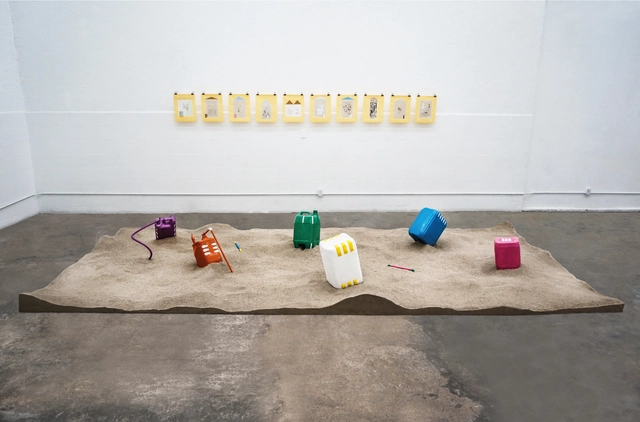
Museo Jumex presents 'Propuestas para una plaza', a collaborative project by artists Fritz Haeg (United States, 1969) and Nils Norman (United Kingdom, 1966). This temporary installation, commissioned as part of the series 'Ágora: un anteproyecto para la utopía', will invite the public to imagine and participate in an alternative vision of the museum's plaza.

HXQ Linear Park: The proposal seeking to integrate the parks of the State of Mexico

Subscriber Access | 

HXQ Linear Park: The proposal seeking to integrate the parks of the State of Mexico - Image 1 of 4HXQ Linear Park: The proposal seeking to integrate the parks of the State of Mexico - Image 2 of 4HXQ Linear Park: The proposal seeking to integrate the parks of the State of Mexico - Image 3 of 4HXQ Linear Park: The proposal seeking to integrate the parks of the State of Mexico - Image 4 of 4HXQ Linear Park: The proposal seeking to integrate the parks of the State of Mexico - More Images+ 5

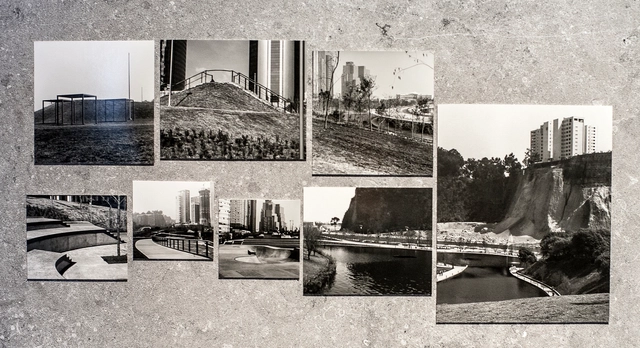
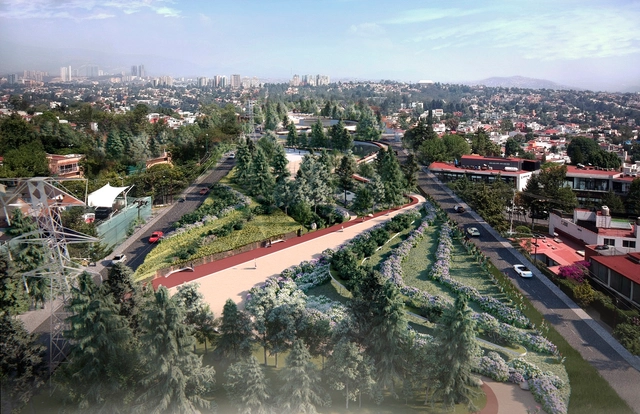
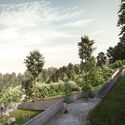
Designed by the Mexican firm RA!, the HXQ Linear Park project is an urban intervention located on the eastern side of the municipality of Huixquilucan, State of Mexico, where three parks are currently fragmented by ravines, streets, and underutilized spaces. The park is divided into three distinct zones—Tecamachalco, La Herradura, and Bosques de Minas—all connected by the high-voltage power lines around which the parks were originally created. Over time, rugged topography and busy roadways have isolated these areas, turning them into desolate, unsafe, and neglected spaces. 

9 Must-Visit Venues to Keep Celebrating Museum Day in Mexico

Subscriber Access | 

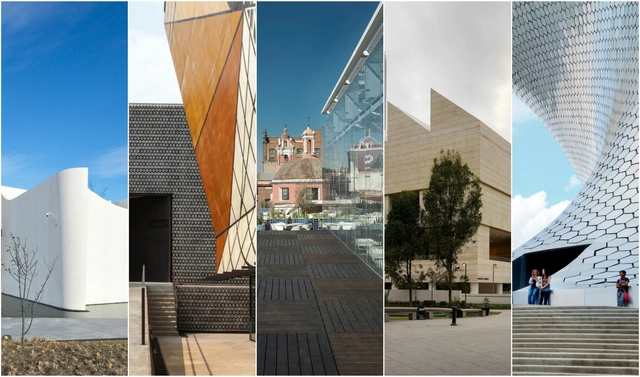
Museums are vital sources of knowledge, housing some of the most significant works of architecture in history and bringing learning closer to the curious minds who experience them. On May 18, International Museum Day was celebrated with various activities taking place across some of Mexico's most representative venues. Because the country's cultural wealth deserves ongoing celebration, we have compiled a selection of iconic museums where art and architecture merge to define unique spaces. What are your favorite museums in your city?

What is the character of urbanization in Mexico City? We Are An Event

What is the character of urbanization in Mexico City? We Are An Event - Imagem 1 de 4What is the character of urbanization in Mexico City? We Are An Event - Imagem 2 de 4What is the character of urbanization in Mexico City? We Are An Event - Imagem 3 de 4What is the character of urbanization in Mexico City? We Are An Event - Imagem 4 de 4What is the character of urbanization in Mexico City? We Are An Event - More Images+ 9

We Are an Event is a fictional character born from the collaboration between Quentin Laurens-Berge and Lambert Moiroux, both French nationals. Created to address questions about the city in which they reside, this character acts as a sphere of exchange and a tool to establish distance from the work produced. As seen in their recent work, Quentin and Lambert belong to a generation of young architects questioning conventional modes of architectural production through an everyday perspective on aesthetics.

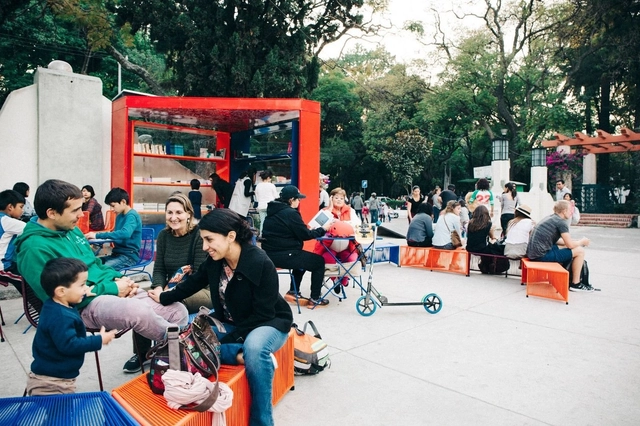
Attend the activities of the 2nd Placemaking Latin America Meeting in Mexico

Placemaking is a dynamic concept that inspires people to collectively reinvent their public spaces, transforming them into destinations, gathering places, and social hubs. It serves as a practical tool to revitalize public life by focusing on key locations—a process of social empowerment that helps build local, everyday democracy from the ground up within the public realm. This paradigm encourages diverse stakeholders to assume shared responsibility in shaping and developing the city. As part of the Placemaking Latin America program, more than 40 activities are scheduled, including a first complete training course in Placemaking to be held in Mexico City, as well as a Participatory Urbanism Forum featuring panels, workshops, project pitches, and networking events.

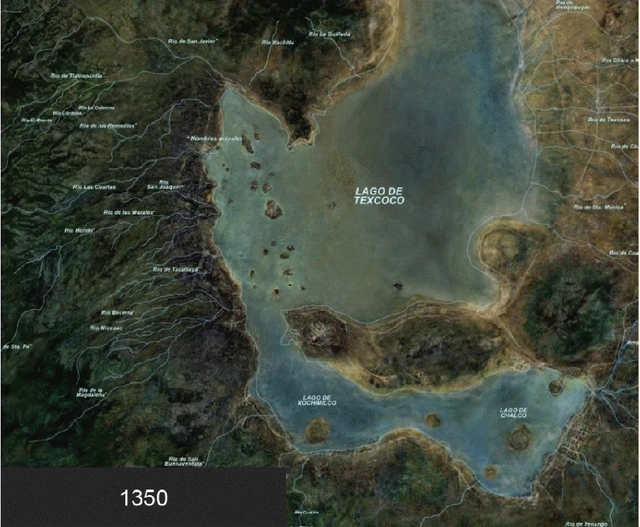
On the droughts and floods of the denied lake of Mexico City

The mismanagement of water in a city built on a former lakebed—as is the case with Mexico City—has become a daily and cyclical struggle over the years. Consequently, various authors have studied different ways to address the cataclysmic impact of denying a site's geographical history. However, Mexico City's water crisis is not limited to constant flooding; it also involves a drinking water supply that is often insufficient and unequally distributed across different areas. This is due to an inefficient underground distribution system, adding further complexity to an issue that remains a constant challenge in urban planning and infrastructure.

This article was originally published as 'Solving Mexico City's cataclysmic cycle of drowning, drying, and sinking' in Quartz.

Discover the 'Metropolitan Landscape' Diploma Program by Tec de Monterrey + Architectural Association

Tec de Monterrey, in collaboration with the Architectural Association (AA), is launching a new certificate program titled Metropolitan Landscapes / Escenarios Metropolitanos. This program combines Tec's commitment to urban development with the AA's experimental tradition, addressing the emergence of a metropolitan discipline worldwide.

Based in Mexico (Mexico City, Guadalajara, and Monterrey) and the United Kingdom (London), the program explores the visionary role that design can play within the so-called "urban age" and "Anthropocene epoch," given the scale of global urbanization processes. To do so, it utilizes the latest urban, critical, technological, ecological, and landscape concepts to shape the discipline.