Content Editor at ArchDaily Mexico. Architect by UNAM (2018). Her interests focus on exploring the relationship of the body with architecture through dance. She has collaborated with different international choreographers who explore dance and architecture as an event. Twitter / Instagram: @monicarellano_
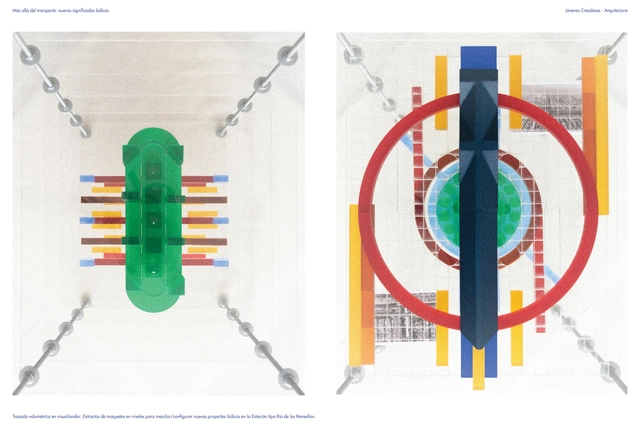
Each year, the National Fund for Culture and the Arts (FONCA), through the National System of Art Creators (SNCA), honors key figures of excellence in national culture through the Young Creators Program. By providing grants, the program supports the creative and educational development of young Mexican artists, fostering favorable conditions for the execution of original, meaningful, and positive creative projects. For this edition, the grant recipients in the “Architectural Design” category were Ruy Berumen, Diego González, Juan José Kochen, Ignacio Pérez, Elsa Ponce, Luca Salas, and Tania Tovar, who worked under the mentorship of tutors Elena Tudela Rivadeneyra, Rafael Ponce Ortiz, and Patricia Ivonne Álvarez De Anda.
Over the centuries, the history of architectural visualization has undergone numerous shifts. Its intrinsic relationship with architecture itself has sparked movements and critiques that, beyond serving as tools to represent the inhabited world, directly shape our perception of it and influence the production of the built environment. At ArchDaily, we have explored the history and evolution of post-digital representation through various articles, a subject that has been deeply explored in Mexico specifically.
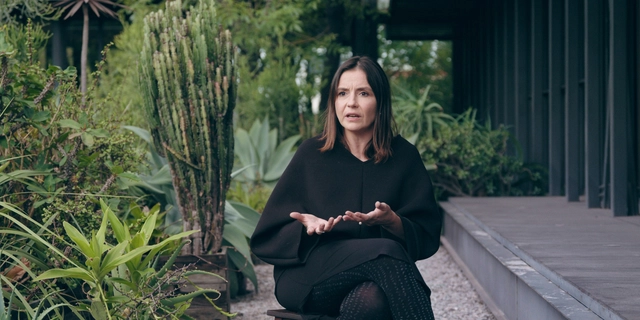
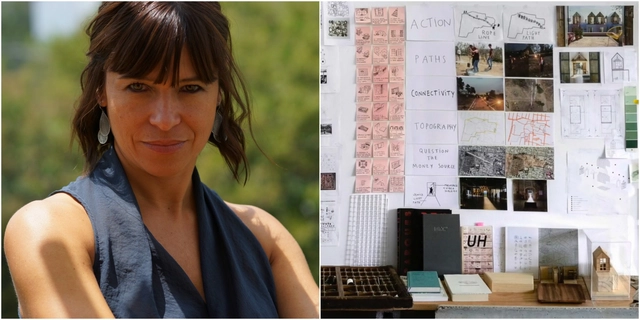
Mexican architect Gabriela Carrillo has forged a distinguished and passionate career centered on the city, the territory, and diversity. Her widely recognized work—initially in collaboration with Mauricio Rocha and subsequently leading her own studio—has become a benchmark for contemporary architecture in Mexico. Her projects manifest global demands, as she constantly strives to recognize the values inherent in the territory and create spaces that elevate their inhabitants. Gabriela Carrillo stands at the intersection of architectural practice, theory, and research. Her approach is oriented toward the everyday, adopting a versatile and dynamic practice that allows her to maintain a balance between her work and personal life.
As part of the activities taking place during the What Design Can Do festival, the Make It Circular Challenge has been launched, with a deadline of January 31. The challenge seeks proposals in the categories of "What We Eat," "What We Wear," "What We Buy," "How We Package," or "How We Build" to help address the devastating effects of overconsumption, waste, and climate change. The Make It Circular Challenge awards a prize of 10,000 euros for the development of circular design projects that help combat the climate crisis in a creative way.
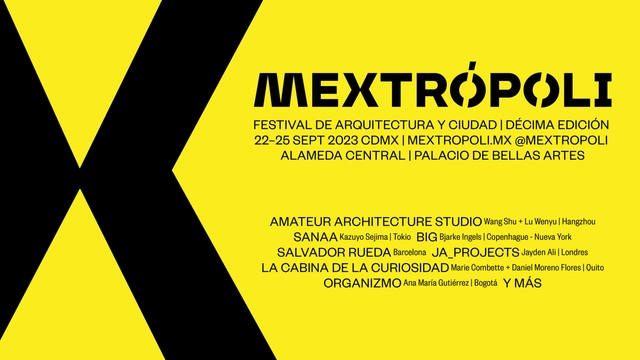
For the past ten years, the MEXTRÓPOLI Architecture and City Festival has established itself as an event that promotes a space to think about, celebrate, and reflect on the city through architecture. The festival brings together specialists, students, citizens, public officials, artists, journalists, and more for a gathering across various locations and through diverse activities, aiming to delve into, discuss, and enjoy one of humanity's greatest inventions: cities.
Design media have always been fundamental in shaping our understanding of what constitutes good design. Beyond their aesthetic value, these publications serve as a source of inspiration, information, and cross-pollination; furthermore, they influence what we value and think about design. Design media have the power to highlight stories they deem important, amplify or silence certain voices, and challenge or reinforce specific ideas.
The "Brutalism in Mexico" exhibition provides a critical documentation of architectural production in the country that, in various ways, falls under the designation of "Brutalist Architecture," situating these works within their cultural and political context—both national and international—over time.
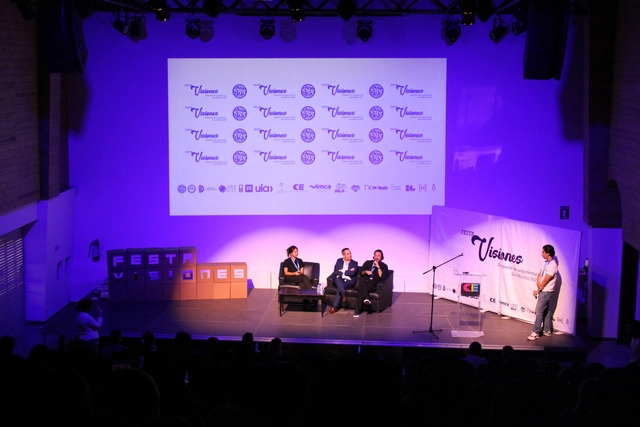
On April 26, 27, and 28 of this year, the "FESTA Visiones" architecture festival took place in Los Mochis, Sinaloa, marking the return of in-person activities and the revitalization of events. To this end, the Architecture Committee of the Tecnológico Nacional de México Campus Los Mochis and the Colegio de Arquitectos del Norte de Sinaloa joined forces to resume the region's most important educational event, once again inviting students to learn from national leaders in the profession.
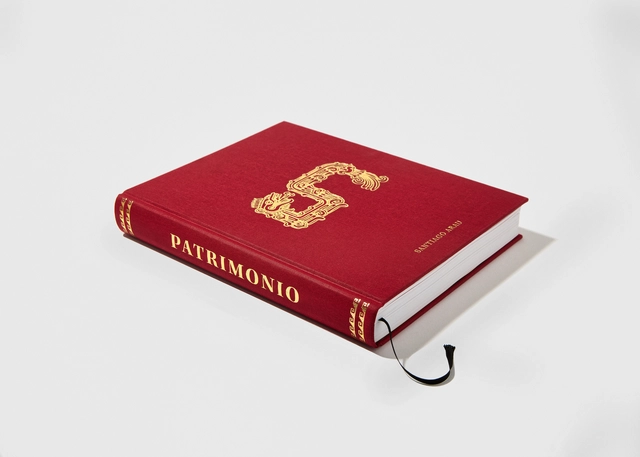
The project consists of approximately 200 photographs taken between 2015 and 2023, aimed at exploring the heritage of the Valley of Mexico—its geography and culture—and representing the current state of that heritage. The narrative begins with the volcanoes of a city surrounded by and built upon them. Beyond featuring well-known peaks like Popocatépetl, this personal quest led Santiago to discover others that have been assimilated into the urban environment. The images reveal craters that now house soccer fields, farmland, landfills, and even dwellings.
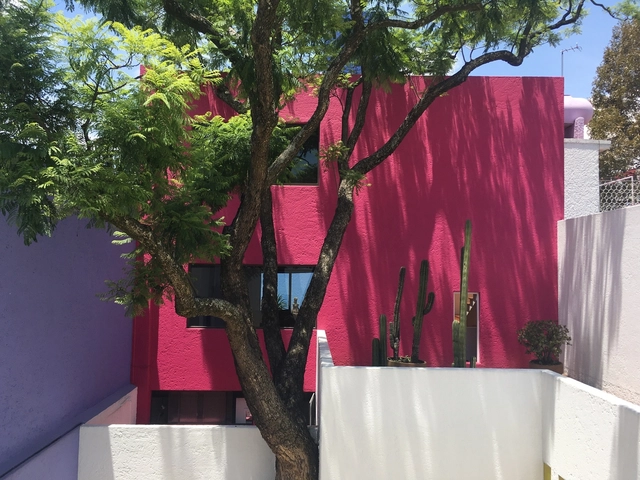
On Thursday, September 6, ArchDaily México celebrated its sixth anniversary. The exclusive event took place in one of the country's most significant architectural gems: Casa Gilardi, designed by Luis Barragán, the only Mexican architect to receive the Pritzker Prize. The venue served as the setting for some of today's most influential architects to connect with the ArchDaily México team.
In addition to the national pavilion, Mexico will have a presence in the main exhibition with the participation of Rozana Montiel (Rozana Montiel Estudio de Arquitectura) as one of the 71 participants invited by the artistic directors.
In this interview, the Mexican architect shares what her participation in the exhibition will entail, the overall outlook of Mexico's presence in alignment with the 'Freespace' theme, and how her career and recent projects inform and influence the piece that will be presented from May 26 to November 25, 2018, at the Venetian Arsenale.
Globally recognized for promoting and manufacturing some of the design world's most iconic pieces, Herman Miller, Inc. launched its new Cosm chair by Studio 7.5—a sophisticated design engineered to instantly respond to body movement and posture to provide complete balance and support.
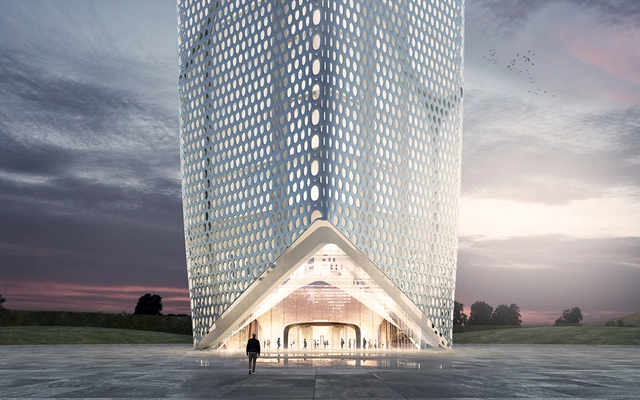
To mark this launch, Herman Miller Mexico organized a competition to design a building facade based on the core features of the new Cosm chair. The facade design was required to take into account the following characteristics: Auto-Harmonic Tilt, Intercept Suspension, Flexible Frame, and/or the wide palette of available colors.
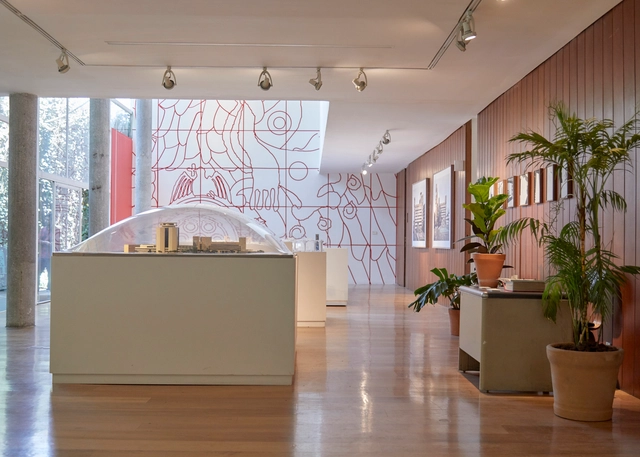
Titled Archivo(s) Centro SCOP reclaims the memory of the former SCOP Center (opened in 1954 and currently the headquarters of the Ministry of Communications and Transportation, or SCT) as well as the future of its artistic and architectural heritage following the September 19 earthquakes. In the mid-1950s, the SCOP Center was one of the most ambitious and iconic public architectural projects of the "Mexican Miracle." Clad in 6,000 square meters of murals and sculptural ensembles by prominent artists such as Juan O'Gorman, José Chávez Morado, and Rodrigo Arenas Betancourt, the building crystallized the ambitions and aspirations of its era, under the direction of architect Carlos Lazo, who led the SCOP from 1952 until his untimely death in a plane crash in 1955.
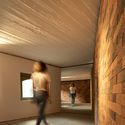
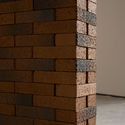
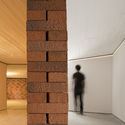
Within the framework of Gallery Weekend, which took place from September 20 to 23, Dosa Studio presented an installation at the joségarcía, mx gallery that represents a synthesis of the Casa Palmas project, located in Texcoco, State of Mexico.
In the heart of the Santa María La Ribera neighborhood, this installation—composed of two walls embracing a sunken space within the house where the gallery is located—decontextualizes the design gestures developed in Casa Palmas to shape a new space. This environment transports visitors to that original, 40-year-old home, which was transformed to improve its residents' quality of life through a spatial experience that weaves a close relationship with its context.
On Friday, November 17, 2017, in the presence of Felipe Jesús Gutiérrez Gutiérrez, Secretary of Urban Development and Housing, and Xóchitl Gálvez Ruiz, head of the Miguel Hidalgo borough, Mayor Miguel Ángel Mancera inaugurated the Cuernavaca Railroad Linear Park by Gaeta-Springall Arquitectos, which will provide public space for residents and visitors in the Ampliación Granada, Cuauhtémoc Pensil, Modelo Pensil, Dos Lagos, and Granada neighborhoods.
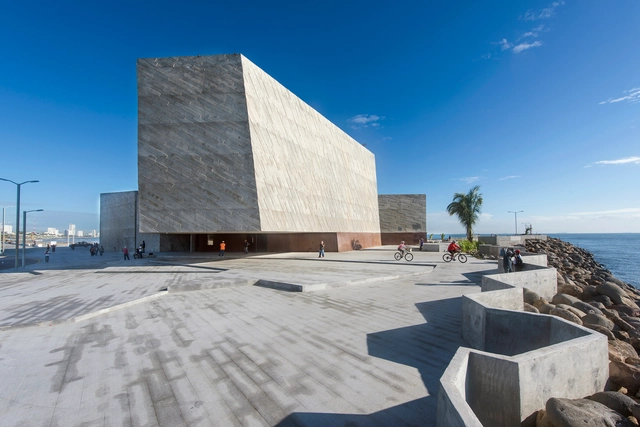
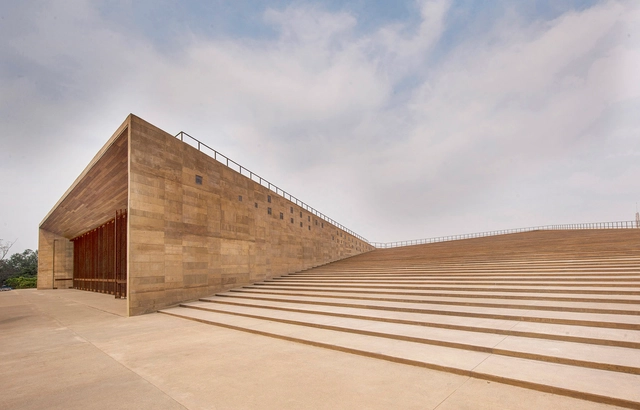
The year 2018 has been filled with achievements and surprises for the architectural community. As the year draws to a close, we reflect on the crucial role competitions play in reinforcing the global image of each region or country. Mexico was no exception, securing nearly 18 international recognitions (including grants, competitions, nominations, etc.) that showcased its key interests and goals for the coming years to the rest of the world. This selection highlights the prominent participation of Mexican architects Frida Escobedo and Rozana Montiel—both invited and recognized on multiple occasions at some of the industry's most prestigious events—as well as outstanding projects like the Teopanzolco Cultural Center by Isaac Broid + Productora, which received several national and international awards.
The second edition of Living Places - Simon Architecture Prize is a competition organized in collaboration with prestigious international architecture firms, featuring 145 projects from 12 European countries and Mexico. Although European in scope, this edition of the prize includes Mexico as a special guest. The award is presented in two categories: Personal Places and Collective Places, with a €10,000 prize for the winner of each.
The jury comprised various professionals, including renowned Mexican architect Frida Escobedo, founder of her eponymous studio, the youngest designer of a Serpentine Pavilion and recently awarded a RIBA International Fellowship; Davide Rapp (Milan), an architect and filmmaker who created the film “Elements” for the 2014 Venice Biennale as the introductory video to the central exhibition; Cecilia Tham (Hong Kong, Barcelona), founder of the creative community MOB Makers of Barcelona; and Ricardo Flores (Buenos Aires, Barcelona) of Flores & Prats Arquitectos, one of the winners of the prize's previous edition.