Content Editor at ArchDaily Mexico. Architect by UNAM (2018). Her interests focus on exploring the relationship of the body with architecture through dance. She has collaborated with different international choreographers who explore dance and architecture as an event. Twitter / Instagram: @monicarellano_
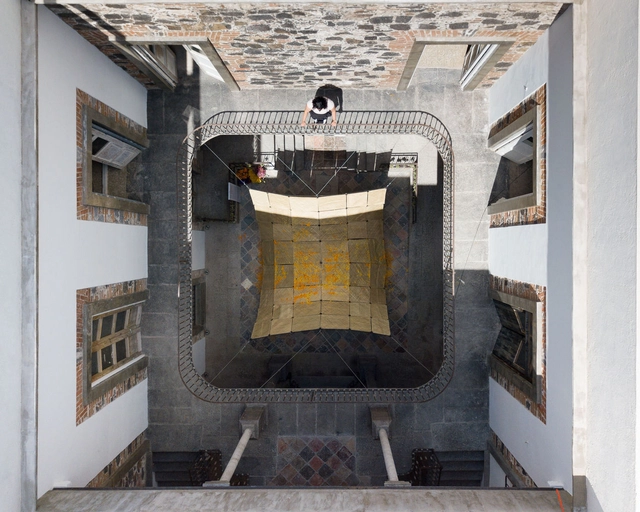
Following an invitation from the Municipal Government of Puebla, Mexico, through the Office of the Historic Center and Cultural Heritage, "Patio Efímero, the festival of contemporary art, architecture, and heritage," better known as "Patio Efímero," will represent Puebla at Berlin Design Week 2023. This year's central theme is resilience; accordingly, the Puebla-based collective responsible for organizing the festival will address the September 19, 2017 earthquake and the COVID-19 pandemic—events that have shaped all three editions of the project.
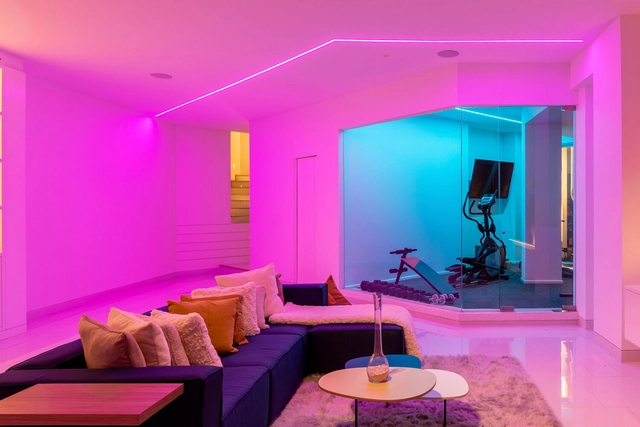
The history of light has undergone various transformations over the centuries; its intrinsic relationship with architecture itself has sparked expressions and critiques that, beyond serving as a tool to illuminate the inhabited world, directly influence how we perceive it and how the built environment is produced. Every lighting project is directly tied to its own understanding of quality, class, interpretation, intention, and meaning.
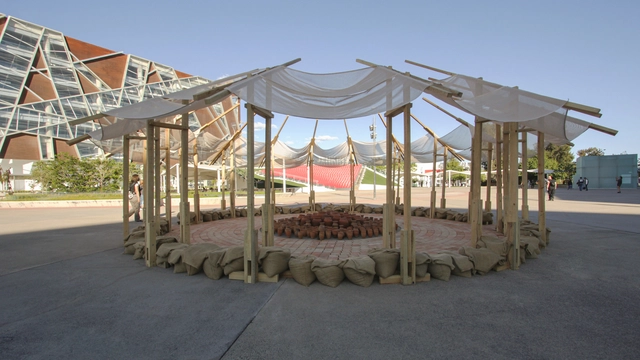
The TEMA Pavilion Competition was established to give young architects and students from the University of Guadalajara community the opportunity to design ephemeral projects that express ideas beyond the typical demands of an architecture or design school.
As part of a new collaboration between Mexican firms Dellekamp Arquitectos and Rojkind Arquitectos, Casa Roca is presented in Puerto Los Cabos, San José del Cabo, Mexico. Inspired by the rock formations at the site's summit, the project features a radial layout carefully organized in response to its topography. Sited on a 5,000 m² lot, the 1,200 m² house organizes its program along the natural landscape, minimizing its footprint and establishing a close relationship with nature as the core living experience.
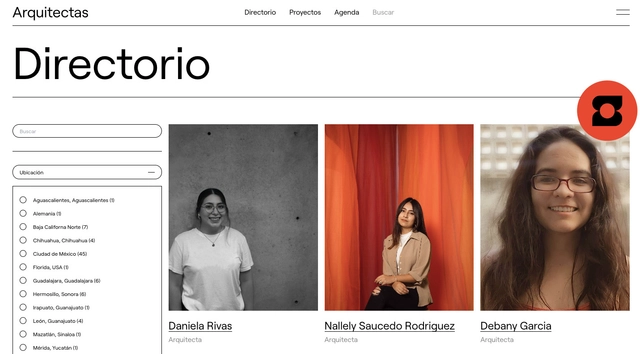
Nearly three years ago, the platform arquitectas.mx was launched as an initiative by Mexican architects Mónica Suberville and Laura A. Gómez. Born from the desire to find ways to support, mobilize, and bring visibility to women in architecture, the platform offers a gathering space for professionals across different practices within the field, aiming to steer the profession toward inclusion, equity, and the improvement of cities through a gender perspective.
Agencia Social de Paisaje is a Mexico City-based practice driven by the conviction that landscape is a vital tool for designing new horizons. Drawing on logical and natural systems, they create coherent, functional, and holistic environments that foster a deep connection to place and its inhabitants. They are part of ArchDaily's Best New Practices of 2023.
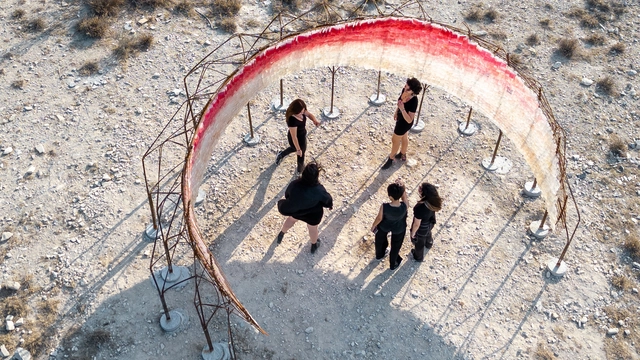
The Centro de Estudios Superiores de Diseño de Monterrey (CEDIM) presented "Cámara Clara," an installation that seeks to dialogue with the sun within the semi-arid landscape of the northern city of Monterrey, Mexico. This ephemeral installation, created by CEDIM students, does not fight against the sun, as architecture so often does, but rather celebrates its presence and orbital rhythms, allowing viewers to contemplate it through its skin from a precise central vantage point within the structure.
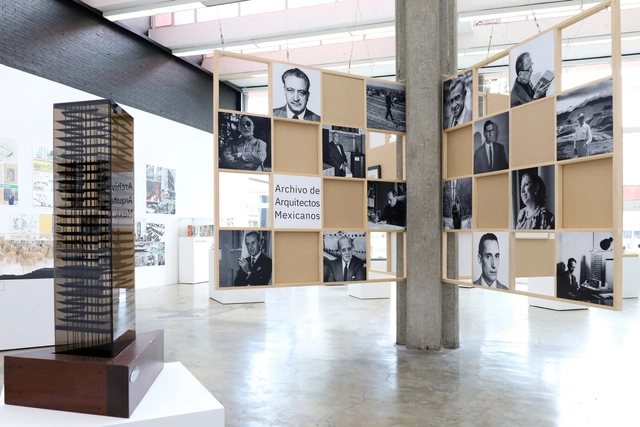
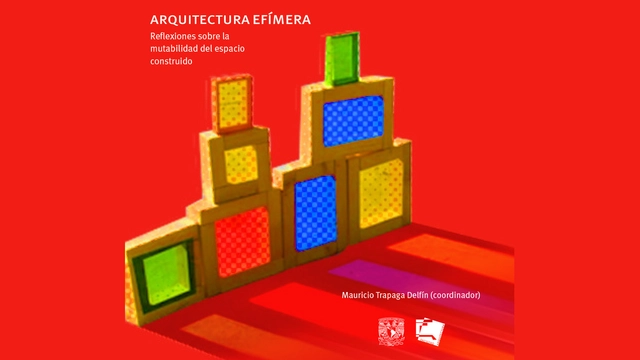
An interdisciplinary group of professors, mostly from UNAM, founded the Permanent Seminar on Ephemeral Architecture in January 2019, aiming to formalize the work carried out on the subject since 2010. Now, drawing on the reflections and papers presented at the colloquium "Ephemeral Architecture: Reflections on the Mutability of Built Space"—held at the UNAM Faculty of Architecture—the eponymous publication has been released and is available for free download at this link.
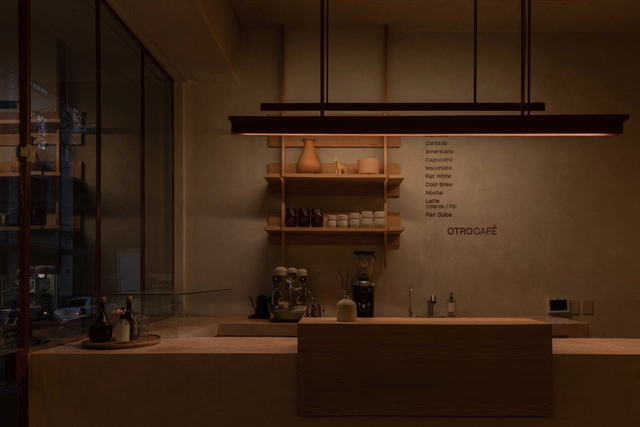
OTROCAFÉ is located on the ground floor of the iconic YWCA building, in the heart of Mexico City's Historic Center—a space steeped in over a century of history. The project was conceived as an integrated architecture and design proposal, a vision reflected in its creative framework. The cafe's design combines several key elements: subtle red accents, wood featured in both the custom furniture and as a continuous envelope wrapping the space, raw walls pigmented with a lime-based plaster, and soft, warm lighting that completes the atmosphere.
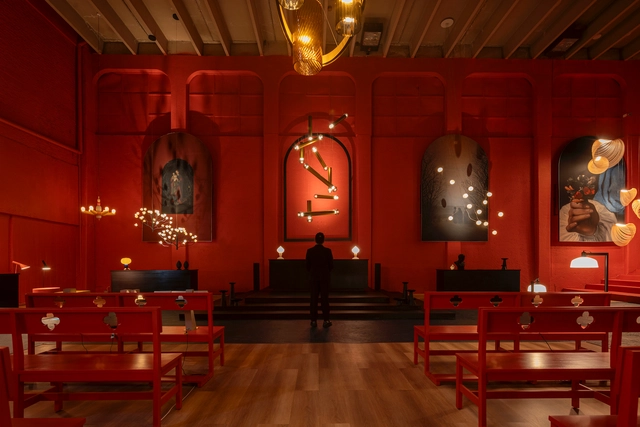
Yesterday, November 8, as it does every year, Diez Company presented the fifth edition of the Maison Diez Company project to both Mexican and international audiences. This space, dedicated to lighting design, brings together designers, creatives, architects, interior designers, business partners, lighting experts, and international brand representatives to celebrate light. Following the success of its previous annual editions since 2018, Maison Diez Company is showcasing its latest offerings in a historic mansion in the San Miguel Chapultepec neighborhood.
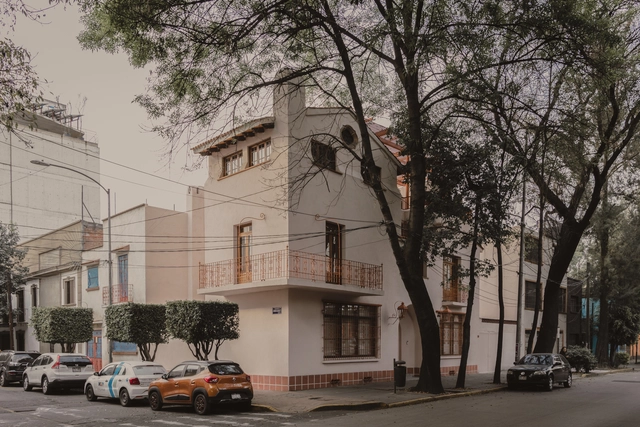
A new space has opened its doors in a 1930s house in the San Miguel Chapultepec neighborhood of Mexico City. This cultural enterprise, named ARCO, merges art, design, and architecture to create a collaborative venue housing the architecture firm WORC and the furniture-focused design studio VETA.
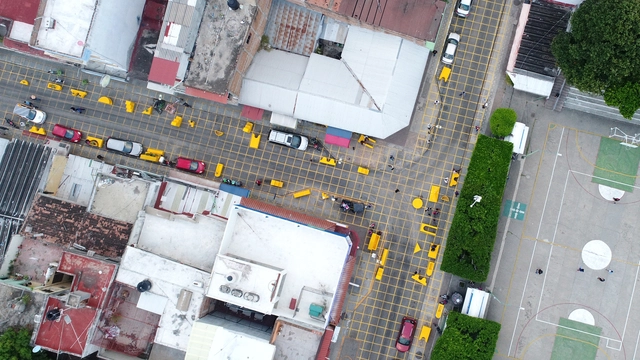
dérive LAB, a multidisciplinary laboratory founded in Mexico, presents "Shared Streets" ("Calles Compartidas")—a project that seeks to spatially transform streets from spaces regulated by traffic control devices to those governed by human relationships. It reminds us that streets are not merely corridors for transit and transport, but places that host a myriad of other social, economic, and cultural activities.
Dérive LAB is a multidisciplinary laboratory based in Santiago de Querétaro, Mexico, that seeks to explore, understand, and inspire other (new) ways of living and thinking about city life. Through research, design, and action, they have focused on developing projects in art, architecture, urban design, and other disciplines that impact three specific scales: public life, the built environment, and everyday objects.
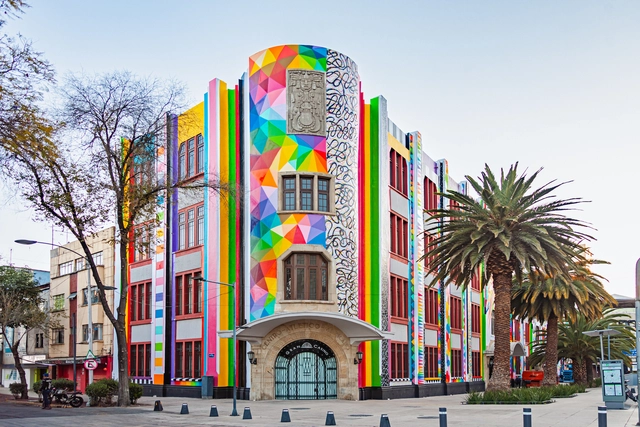
As part of the Mexico City Art Week lineup, a monumental mural was unveiled on Wednesday, February 1, transforming the facade of Frontón México—a historic downtown building that customer-exemplifies Art Deco architecture in the country, originally designed by architects Teodoro Kinhard and Joaquín Capilla and later renovated by Moyao Arquitectos. The installation was created by Spanish artist Okuda San Miguel in tandem with an immersive experience running inside the venue until March 11.
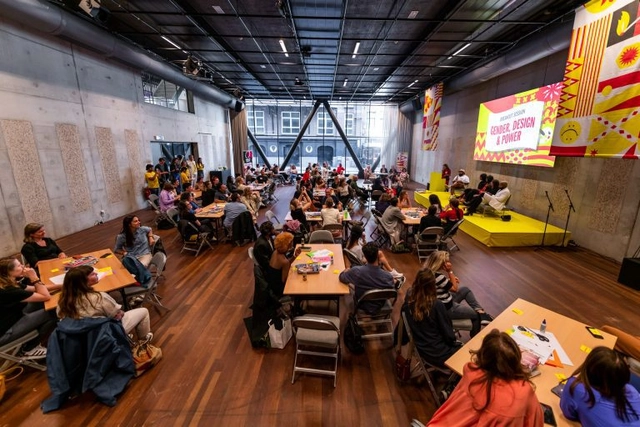
As part of the agenda of What Design Can Do (WDCD)—an international organization that seeks to accelerate the transition to a sustainable and just society using the power of design—a series of events and conferences took place in Amsterdam during 2022, bringing together speakers from all over the world to present their projects and perspectives on the current challenges facing the design community today.
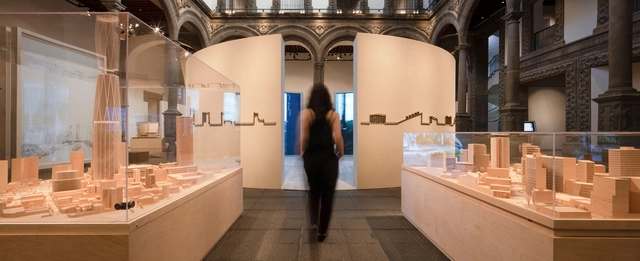
Today, February 17, the exhibition "Urban Transformation: Sordo Madaleno Arquitectos" opens at the Palacio de Cultura Citibanamex - Palacio de Iturbide in Mexico City. Organized in collaboration with the Banco Nacional de México, through Fomento Cultural Citibanamex, A.C., and the Fundación Sordo Madaleno A.C., the exhibition chronicles the firm's 85-year history. It constructs a narrative drawn from more than 450 projects, presenting a curated selection of 62 architectural works built in Mexico and abroad to serve a variety of programs.