Content Editor at ArchDaily Mexico. Architect by UNAM (2018). Her interests focus on exploring the relationship of the body with architecture through dance. She has collaborated with different international choreographers who explore dance and architecture as an event. Twitter / Instagram: @monicarellano_
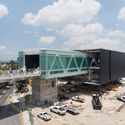
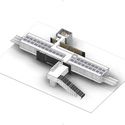
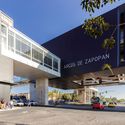
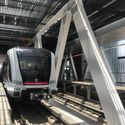
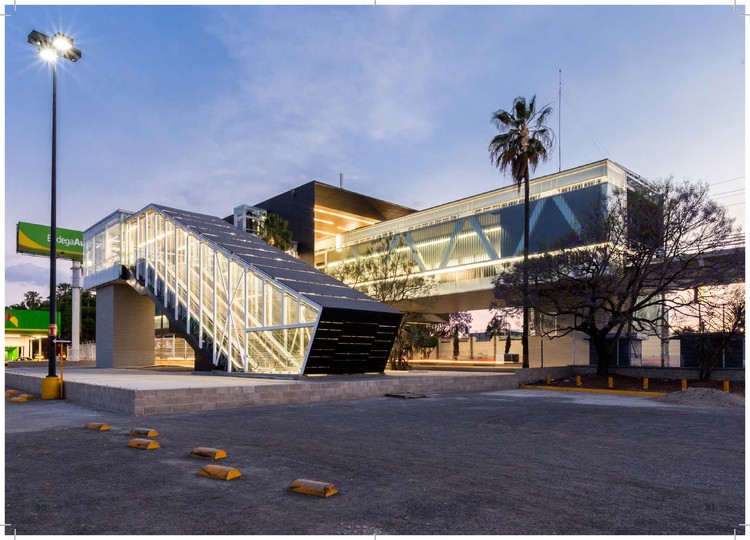
Mi Tren's Line 3 is one of the most significant public transit projects for the Guadalajara Metropolitan Area (AMG), aligning with the Government of Jalisco's commitment to achieving integrated mobility that connects riders quickly, accessibly, and safely. Line 3 will enable travel to the historic centers of Guadalajara, Zapopan, and Tlaquepaque in a single trip. This new light rail system is projected to handle 233,000 trips per day. In addition to serving residential areas, Line 3 is designed to connect key educational, administrative, commercial, and tourist infrastructure.
On Friday, September 25, the first Digital Event organized by ArchDaily took place, sponsored by Crest and Panel Rey for the Mérida-based architectural community. During the event, David Basulto (founder of ArchDaily) and Vanessa Vielma (Director of ArchDaily Mexico) gave a talk on the platform's history and shared relevant data specific to this context.
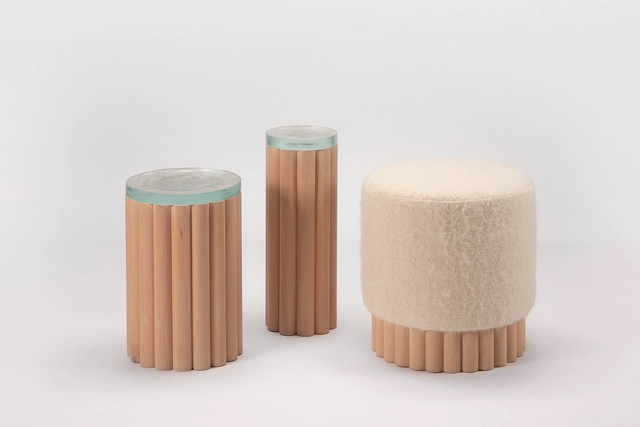
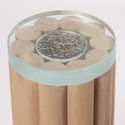
PECA design studio—led by Mexican architect Caterina Moretti—launches its new collection titled "Loto," crafted from beech wood, fused glass, and wool. It features two side tables with tops made of recycled glass fused in Tlaquepaque—providing the transparency needed to appreciate the interior of the pieces—and a pouf upholstered in sheep's wool woven on a backstrap loom in San Juan Chamula, in the Chiapas Highlands, which leaves a minimal portion of its wooden base exposed to highlight the contrast between the two textures.
As part of an initiative by architects and urban planners to mark the 50th anniversary of the founding of Cancun in Quintana Roo, Mexico, two comics have been released to portray the history of Cancun's Foundational Zone. Created by Pablo Landa of Landa + Martínez and David 'El Dee' Espinosa, this work explains the origins of the city's urban layout, as well as the history behind Cancun's Foundational Zone, to help understand its sustainable, pedestrian-friendly origins that promote community life.
On Wednesday, December 16, Panel Rey brought together architects from across Mexico for its fifth annual New Year's toast in Monterrey, Nuevo León. This year, a special recognition was presented to architect Bernardo Hinojosa, who has an impeccable career of more than 46 years in the profession, with more than 1,750,000 square meters of planned projects spanning commercial, office, educational, sports, urban, industrial, and residential architecture.
The state of Michoacán is located in western Mexico, bordered by the states of Jalisco, Querétaro, Guanajuato, Estado de México, Colima, and Guerrero. Covering an area of 58,598.7 km², it faces the Pacific Ocean. Its capital is Morelia, and it is the country's ninth most populous state. Furthermore, it boasts three UNESCO designations: 1) World Cultural Heritage for the Historic Center of Morelia, 2) World Natural Heritage for the Monarch Butterfly Biosphere Reserve, and 3) Masterpiece of the Oral and Intangible Heritage of Humanity for the Day of the Dead celebration.
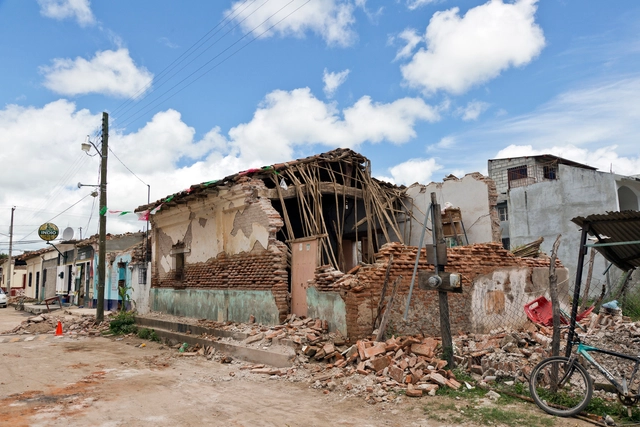
As part of an initiative by the Ixtepecano Committee for the Defense of Life and Territory and the Ixtepec Reconstruction Council, in collaboration with the Universidad de la Tierra de Oaxaca and Comunal: Taller de Arquitectura—who have been working together since 2018—the manual “Reconstrucción Integral del Hábitat en Guendalizaa” (Comprehensive Habitat Reconstruction in Guendalizaa) has been released. The guide is designed to assist families in the process of rebuilding homes affected in Ixtepec, Istmo de Tehuantepec, Oaxaca.
In light of recent developments surrounding COVID-19, the Mexico City government, in conjunction with the Mexico City Reconstruction Commission, announced that the reconstruction plan addressing the September 19, 2017 earthquakes will not be suspended. Instead, health and social distancing measures will be implemented to allow support and construction processes to continue.
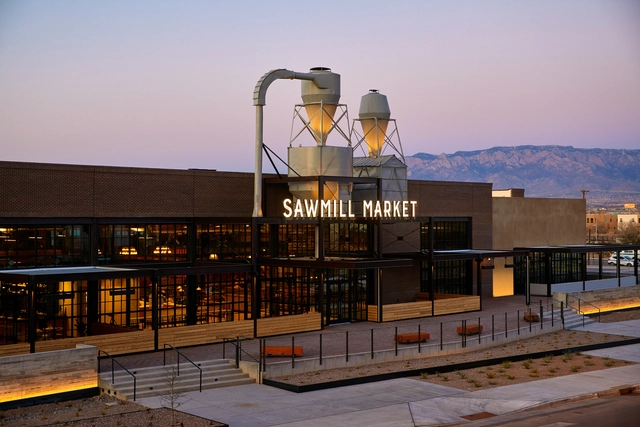
The state of New Mexico is located in the western region of the United States, bordering Colorado, Oklahoma, and Texas (in the US) and Chihuahua (in Mexico). It has the highest percentage of Spanish-speaking population in the United States. As part of Aridoamerica, its landscape is predominantly shaped by cacti and desert species.
Located in southern Mexico, bordering the state of Tabasco and sharing a border with Guatemala, the state of Chiapas is one of the most significant regions for Mesoamerican cultures like the Olmec, Maya, and Chiapanec. Consequently, some of the area's most important tourist attractions are the archaeological zones of Yaxchilán, Palenque, Chinkultic, Toniná, and Bonampak, which are crucial for understanding the construction, structural, and social processes that shaped this territory.
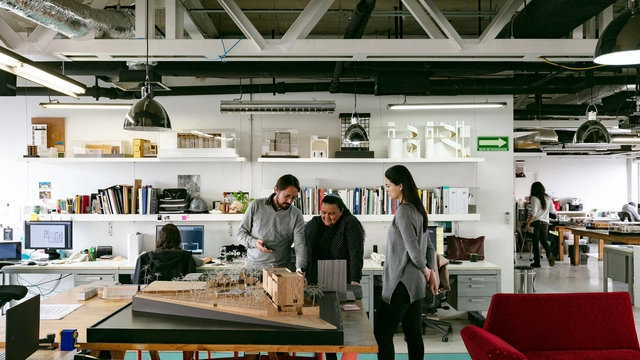
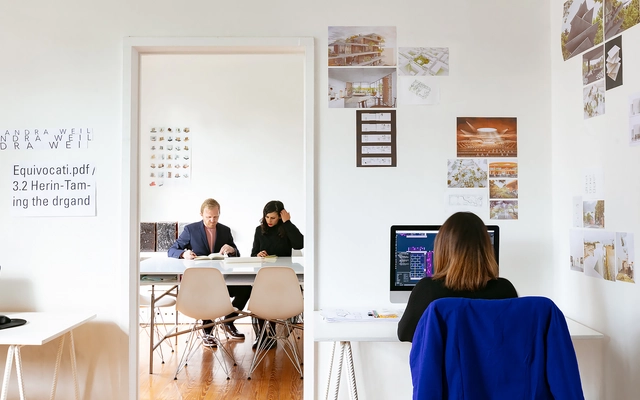
The National Social Distancing Campaign (Jornada de Sana Distancia) in Mexico began on March 23, 2020. However, a couple of weeks earlier, even despite the Federal Government's recommendation to continue activities as normal, social media was already filled with people choosing to replicate the European model and self-isolate. Immediately, some architecture practices decided to close their physical offices and transition to a remote work model, while others took several weeks longer. Yet, this period of social and physical (spatial) distancing is experienced differently in every household. In the months since this pandemic unfolded, it has laid bare not only the inequality in basic needs within dense urban areas but also the fragility of the social order itself. Whether at a macro or micro scale, all these experiences occur within and are influenced by the built environment, making architecture both judge and jury in this equation.
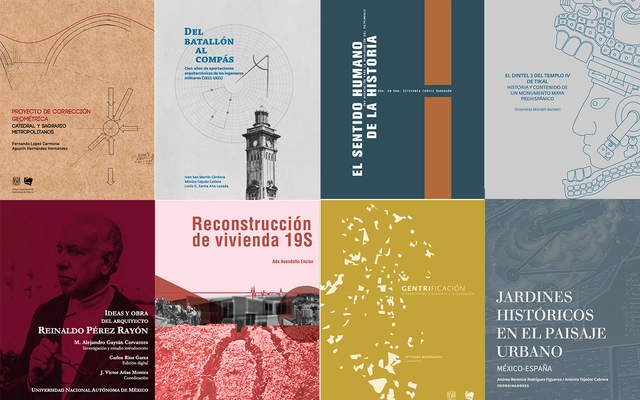
As part of an initiative by the Faculty of Architecture at the National Autonomous University of Mexico (UNAM), the Carlos Obregón Santacilia Bookstore is making a selection of its publications available to the public digitally and free of charge. These texts cover a wide range of topics, including research methods, analyses of administrative processes in the architectural field, theoretical writings by Alberto T. Arai, architectural history across various periods and contexts, structural systems, energy efficiency, urbanism, landscape, heritage, reconstruction, biennials, and guides to support the conception of new architectural projects.
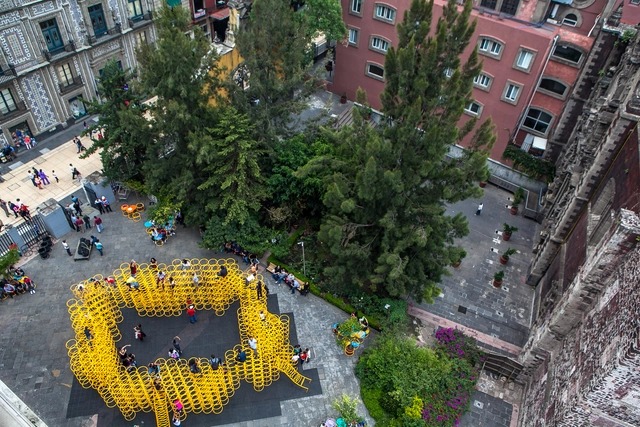
Vacío is a temporary intervention that seeks to redefine the boundaries and experience of the space in which it is located. It is crucial to understand the environmental impact of ephemeral projects. To construct this void, we used four floating curtains made of repurposed sheets of paper collected from other architecture firms, bathed in indigo to erase the drawings, texts, and prints of their previous life. The installation's lightness allows the airflow to constantly reshape the defined geometry of the prism. Inside, the space mutates and interacts with visitors, almost compelling them to move as the floating sheets seem to breathe.
Mexico's National Social Distancing Campaign began on March 23, 2020, but a couple of weeks prior—even as the Federal Government recommended continuing activities as normal—social media was already filled with people opting to mirror the European model and self-isolate. Right away, some architecture firms decided to close their physical offices and transition to remote work, while others took a few more weeks to make the shift. However, this period of social and physical (spatial) distancing is experienced differently in every household. Over the months that this pandemic has unfolded, it has exposed not only inequalities regarding basic needs in dense urban areas, but also the fragility of the social order itself. Whether on a macro or micro scale, all of these experiences occur within and are influenced by the built environment, making architecture both an arbiter and an active participant in this equation.
As one of Mexico's most prominent cities and business hubs, Monterrey is situated within the territory of Nuevo León, a state in the country's Northeast region that borders Texas, defining a significant portion of the US-Mexico border. Covering just over 451.30 square kilometers with an average elevation of 500 meters above sea level, the municipality is bordered to the north by San Nicolás de los Garza and General Escobedo; to the south by San Pedro Garza García and Santiago; to the east by Guadalupe, Juárez, and Cadereyta; and to the west by Santa Catarina and García.
At ArchDaily, engaging with architects through conversations that reveal their working methods, histories, and reflections—both personal and collective, within their teams and the broader professional community—has always been a core priority. This dialogue not only brings knowledge to the professionals building our world, but also provides future generations with tools and experiences as they enter the workforce, always maintaining a critical eye on architectural practice.
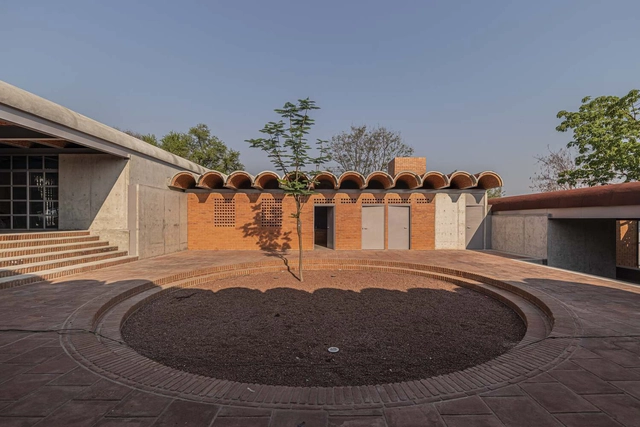
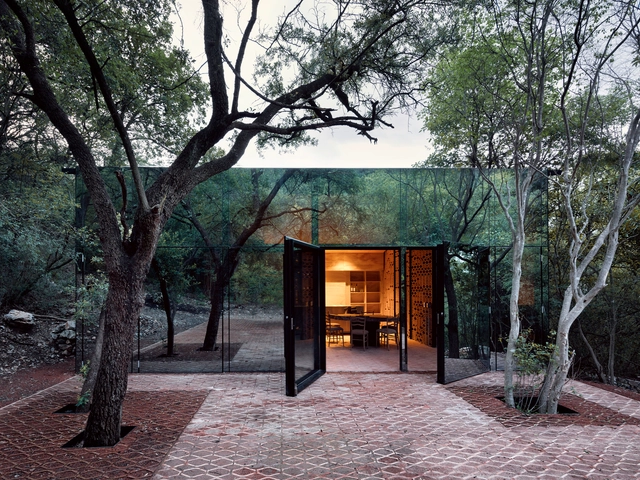
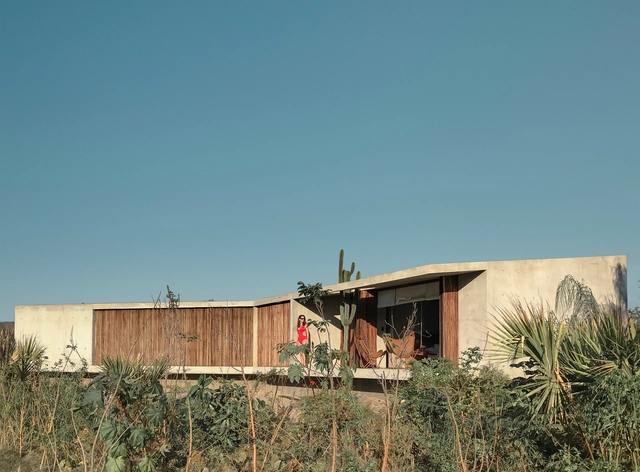
One of the most critical factors in architectural design is local climate. While extreme conditions can pose challenges—requiring insulating materials to adapt to changing weather—Mexico's favorable climates work to the designer's advantage, enabling the creation of microclimates and spaces that blur the transition between indoors and outdoors.

.jpg?1601431851 "© Taller Estilo Arquitectura")
.jpg?1601431998 "© Estudio 360")








_10.47.15.jpg?1590076046&format=webp&width=640&height=580)

_-_Art_Gray.jpg?1593480840&format=webp&width=230&height=230&crop=true)

.jpg?1593480863&format=webp&width=230&height=230&crop=true)






Palma_Vacío-8.jpg?1607984631&format=webp&width=230&height=230&crop=true)










.jpg?1600032057&format=webp&width=230&height=230&crop=true)


