Content Editor at ArchDaily Mexico. Architect by UNAM (2018). Her interests focus on exploring the relationship of the body with architecture through dance. She has collaborated with different international choreographers who explore dance and architecture as an event. Twitter / Instagram: @monicarellano_
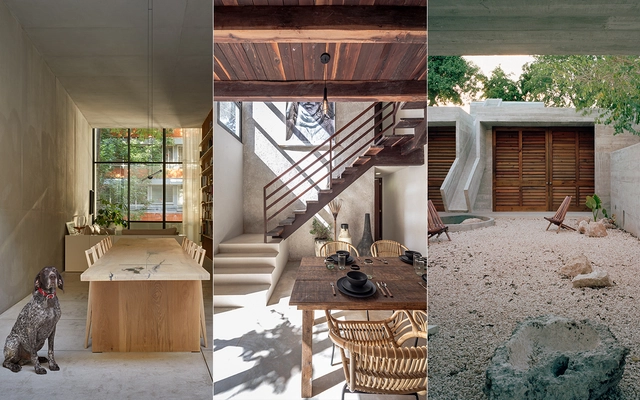
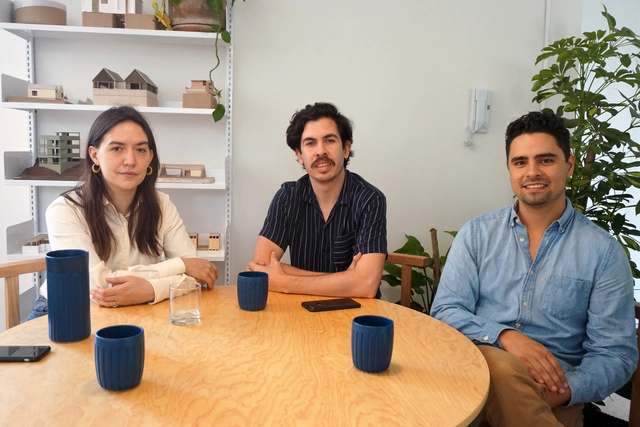
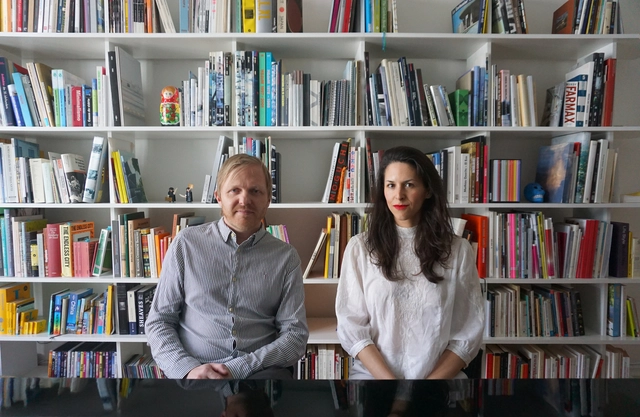
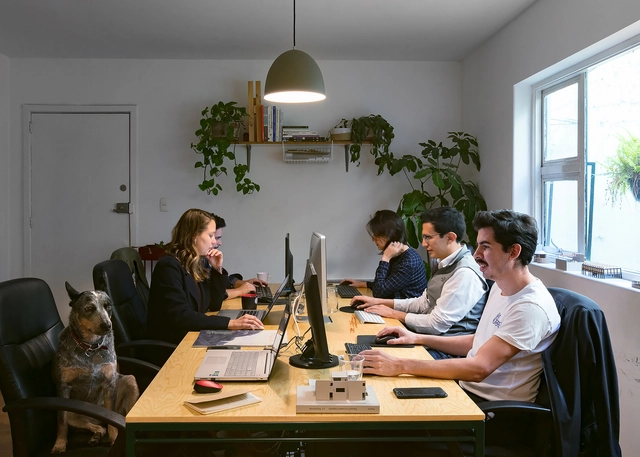
In this exclusive interview with ArchDaily, Ilse Cárdenas, Diego Escamilla, and Juan Luis Rivera—who, along with Regina de Hoyos, make up the firm PALMA—discuss the history of their practice and its evolution over the years, reflecting on how their personal and professional interests shape the way they inhabit and create architecture.
The state of Guanajuato is located in the north-central region of Mexico, bordering the states of Zacatecas, San Luis Potosí, Querétaro, Michoacán, and Jalisco. Covering an area of 30,607 km², it is one of the country's most populous regions. Its most prominent municipalities include León, Irapuato, Celaya, Salamanca, and San Miguel de Allende. The latter, designated a UNESCO World Heritage Site in 2008, is characterized by its Baroque and Spanish architecture. Additionally, this city is home to the Parroquia de San Miguel Arcángel, built from the region's characteristic pink cantera stone.
Tepoztlán is a region located in the state of Morelos, in the south-central part of the country, bordered by the states of Guerrero, Puebla, the State of Mexico, and Mexico City. Spanning an area of 242.646 square kilometers, it is one of the 111 Pueblos Mágicos (Magical Towns) designated to boost tourism by highlighting the unique attributes of each destination.
Videos
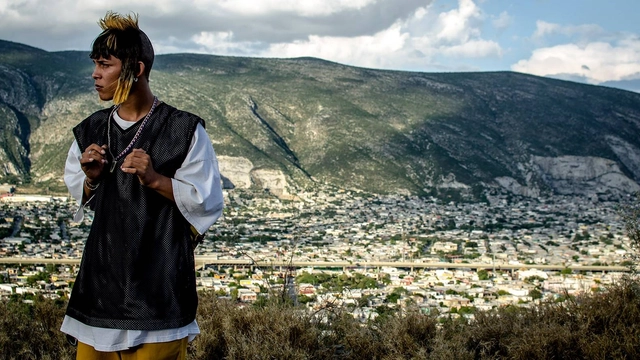
"Ya no estoy aquí" dirigida por Fernando Frías. Image Cortesía de Netflix
Directed by Mexican filmmaker Fernando Frías and winner of the Morelia International Film Festival, “I’m No Longer Here” (“Ya no estoy aquí”) is a film that has been widely discussed across various disciplines. It highlights the specific values and struggles of a territory while transcending borders to showcase the most human and global aspects of our shared world.
Despite UNESCO's recognition of specific World Heritage sites, many of them remain in constant danger of disappearing due to natural phenomena like earthquakes and human factors such as urbanization. By definition, these landmarks are vital to human history, possessing characteristics that reflect the deepest values of diverse civilizations. Nevertheless, much of the global population has never experienced them in person.
In this exclusive interview with ArchDaily, Ingrid Moye and Christoph Zeller, founders of the Mexico City- and Berlin-based firm Zeller & Moye, discuss the history of the practice, as well as how their personal and professional interests have evolved over the years regarding their way of living and making architecture.
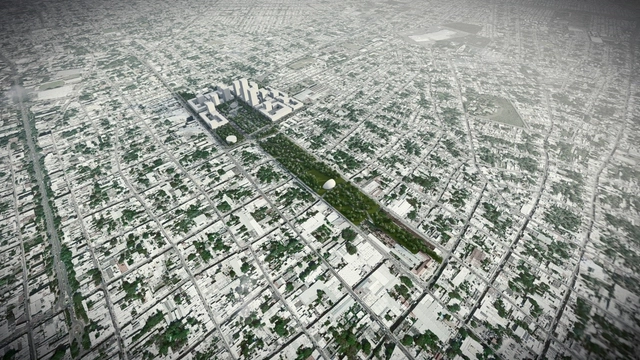
TEN Arquitectos is an architectural firm based in Mexico City, New York, and Miami, founded by Mexican architect Enrique Norten. With 33 years of experience designing from a global perspective, the practice brings a consistent international sensitivity to every new space it creates. This body of work has been recognized with numerous national and international awards, including the Mies van der Rohe Award for Latin American Architecture, honors from the national American Institute of Architects (AIA) and various US chapters, Architectural Record, Architect Magazine, Architizer, and Biennials in Mexico, Argentina, and Ecuador, as well as the Royal Institute of British Architects (RIBA), among others.
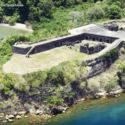
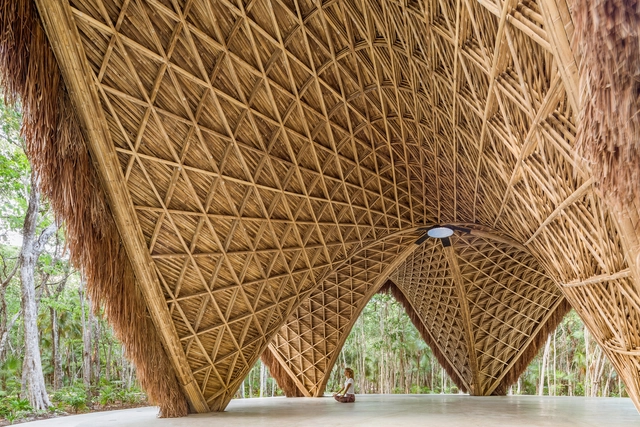
Tulum is a region located in southeastern Mexico, within the geographic boundaries of the state of Quintana Roo. Situated along the Caribbean coast, it forms part of the Riviera Maya. Historically, Tulum was a walled city, which is the origin of its name—meaning "wall" in Mayan, a term coined when the settlement was already in ruins.
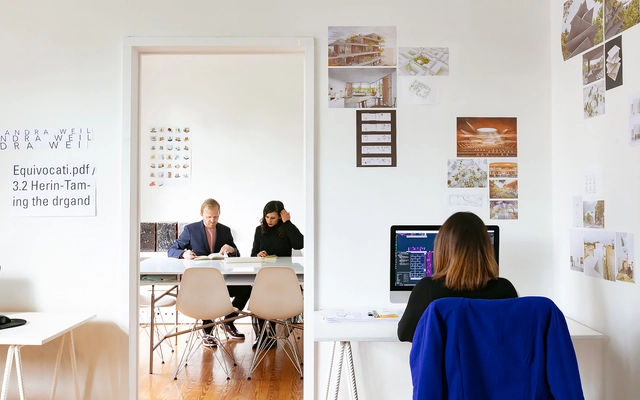
The National Social Distancing Campaign (Jornada de Sana Distancia) in Mexico began on March 23, 2020, but a couple of weeks prior—even as the Federal Government recommended continuing normal activities—social media users were already opting to replicate the European model and self-isolate. Right away, some architecture firms made the decision to close their physical offices and transition to a remote work model, while others took a few more weeks to do so. However, this period of social and physical (spatial) distancing is experienced differently in every household. Over the months that this pandemic has unfolded, it has exposed not only the inequality regarding basic needs in dense urban areas, but also the fragility of our established social order. Whether at a macro or micro scale, all these experiences occur within and are influenced by the built environment, making architecture both arbiter and active participant in this equation.
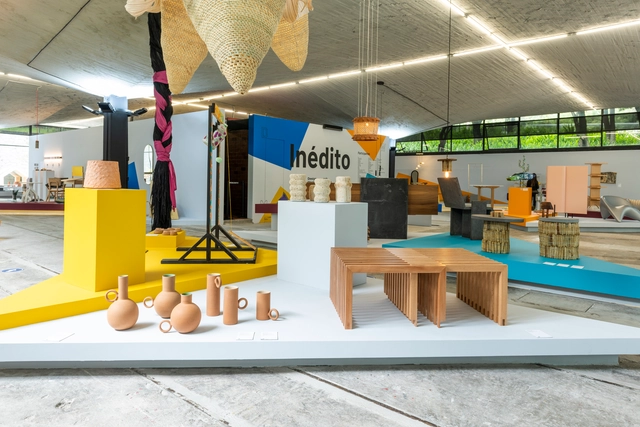
As part of the annual collaborative efforts of the Design Week team in Mexico City, the "Inédito" exhibition opened on October 9 at the Espacio CDMX Arquitectura y Diseño gallery. It marks the sixth consecutive edition of this open call, which aims to support, promote, and showcase utilitarian design projects across several categories: social impact, environmental impact, innovation, function, aesthetics, concept, user experience, materials, and processes. The exhibition is divided into three categories—professional, student, and digital—where, far from competing, participants gain exposure to opportunities in both national and international markets for outstanding design with commercial and production viability.
The National Social Distancing Campaign (Jornada de Sana Distancia) in Mexico began on March 23, 2020. However, a couple of weeks earlier, despite the federal government's recommendation to continue normal activities, people on social media were already choosing to replicate the European model of self-isolation. Some architecture firms immediately decided to close their physical spaces and transition to remote work, while others took a few more weeks. Still, this period of social and physical (spatial) distancing is experienced differently in every household. The months of this pandemic have exposed not only inequality regarding basic needs in dense urban areas, but also the fragility of our social order. Whether at a macro or micro scale, all these experiences are shaped and influenced by the built environment, making architecture both a judge and a party to the equation.
In 2014, a group of friends from Ciudad Juárez, Chihuahua, driven to contribute to their city's resilience and recovery, came together to dialogue and share ideas for reclaiming streets, plazas, and parks through sociocultural projects and urban interventions in public space. This gave rise to Nómada Laboratorio Urbano. Ciudad Juárez is an industrial city located on the northern border with the United States, directly adjacent to El Paso, Texas. Over the years, Juárez's economy has been dominated by the maquiladora industry; the city was also once considered one of the most violent in the world due to a wave of crime between 2008 and 2012.
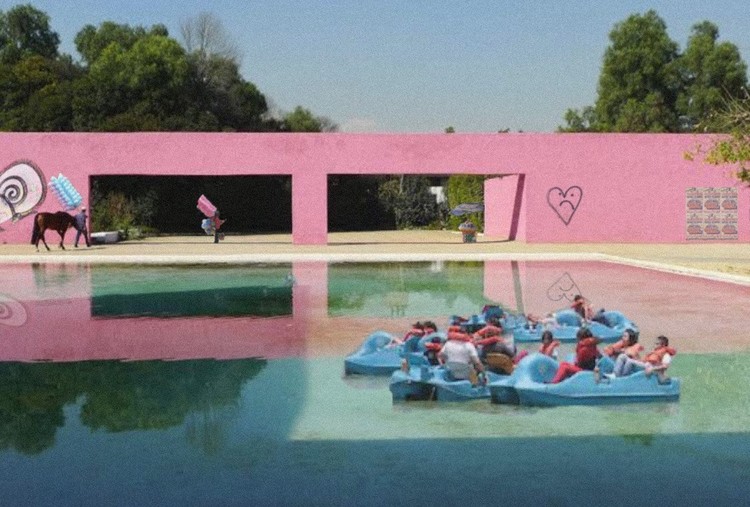
For a long time in Mexico and around the world, the architecture of pioneering Modernist architects like Luis Barragán and Juan O'Gorman, among many others, has been presented as sacred and untouchable to ensure its preservation over time.
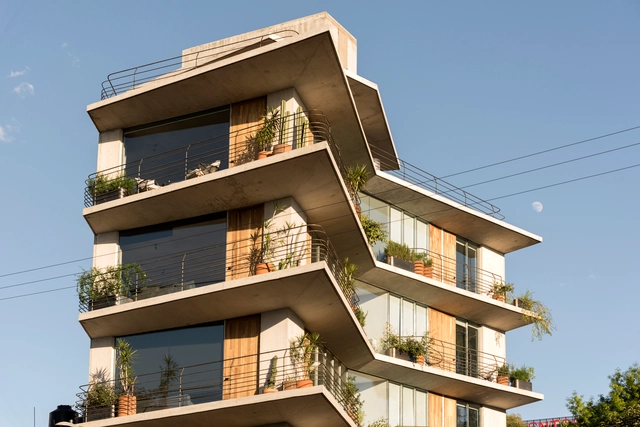
One of the most critical factors in architectural design is the site's specific climate. While this can present challenges in extreme conditions—requiring insulating materials to adapt to shifting environments—Mexico's privileged climate works in the architects' favor. It allows them to create microclimates and spaces that blur the boundary between indoors and outdoors.
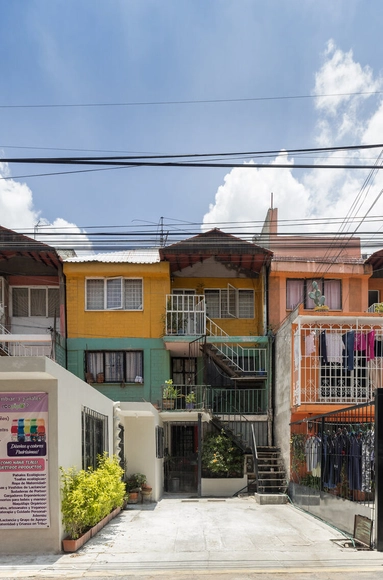
Periferia: Ecatepec de Morelos is a project by emerging photographer Zaickz Moz created to document the transformation of Mexico City's edges, while drawing attention to the aesthetics emerging in areas like Chalco, Nezahualcóyotl, and Naucalpan. Projects such as Soy de Azteca have focused on these forgotten territories, seeking to redefine the expressions of community and identity within Mexico City's periphery—a region that is increasingly blurred and constantly spilling over its geographic boundaries.
In a year defined by physical distancing, social media has taken on an even greater role in how we connect and stay informed. Our Instagram accounts have surpassed all previous reach records, bringing our audience the very best of what we publish on our website: projects, articles, interviews, and news from the architectural world, inspiring new ideas and tools for a better future for our cities.
Founded in 2013 in Mexico City, David Pompa is a studio comprising designers, engineers, and makers based in Mexico and Austria. David Pompa grew up in both countries and studied product design in London. Over time, the studio has shown a strong interest in traditional materials and techniques, maintaining a commitment to Mexican culture since its inception, which is reflected in its creation of aesthetic and accessible design objects.


.jpg?1599092292&format=webp&width=640&height=580)
.jpg?1599092292)

_11.44.10.jpg?1595954667&format=webp&width=640&height=580)



_11.44.10.jpg?1595954667)

.jpg?1591798247 "2000 Ocean. Image © TEN Arquitectos")








.jpg?1589245986 "Kaspé House / Zeller & Moye. Image © Dane Alonso")












.jpg?1594917129&format=webp&width=230&height=230&crop=true)