Content Editor at ArchDaily Mexico. Architect by UNAM (2018). Her interests focus on exploring the relationship of the body with architecture through dance. She has collaborated with different international choreographers who explore dance and architecture as an event. Twitter / Instagram: @monicarellano_
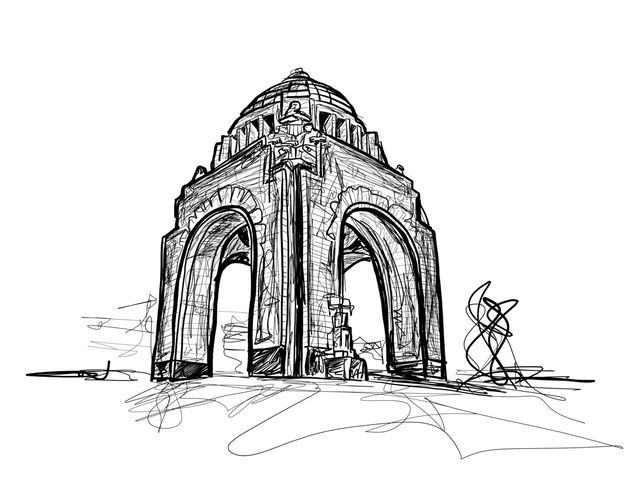
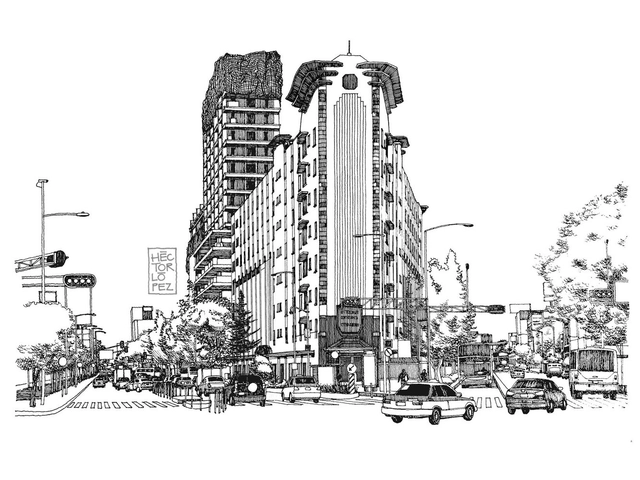
Croquis CDMX is an initiative led by Héctor López, founded eight years ago to foster and strengthen the connections between the eye, the brain, and the hand. The project seeks to portray life in Mexico City through freehand sketches. While architectural education is geared toward training professionals to design and construct buildings, Héctor—who studied at the Faculty of Architecture of the National Autonomous University of Mexico—views university education as “the axis of all elements: I already knew how to draw, and in school I became interested in construction, history, and theory. That was where drawing became disciplined. I would encourage students to draw, regardless of whether they think they can or not, because you discover things that you don't understand when drawing with software.”
Various authors such as Michel Foucault, Maurice Merleau-Ponty, and contemporary thinkers Marina Garcés and Judith Butler have brought the body to the forefront of global philosophical discussions. This has gradually permeated different disciplines where the body is the focus of study, and even some where this relationship seems less obvious.
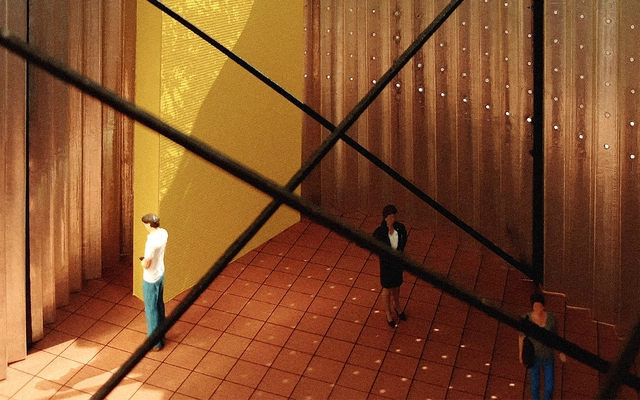
Vacío is a temporary intervention that seeks to redefine the boundaries and experience of the space in which it is located. It is crucial to understand the environmental impact of ephemeral projects. To construct this void, we used four floating curtains made of repurposed sheets of paper collected from other architecture firms, bathed in indigo to erase the drawings, texts, and prints of their previous life. The installation's lightness allows the airflow to constantly reshape the defined geometry of the prism. Inside, the space mutates and interacts with visitors, almost compelling them to move as the floating sheets seem to breathe.
The call for entries for the Third Edition of the Oscar Niemeyer Award for Latin American Architecture, presented by the Network of Architecture Biennials of Latin America, has successfully concluded. A total of 101 works from 12 Latin American countries are participating, with Mexico represented by 30 high-quality and diverse projects—all clear examples of outstanding contemporary architectural production.
Currently, the volume of projects produced within universities in Mexico is immense, and we believe it is the perfect time to showcase some of their best work. Many undergraduate theses, also known as final graduation projects, address highly interesting and valuable topics for the country; unfortunately, the vast majority end up stored on library shelves or in a computer folder, missing the opportunity to drive real change in our cities and how we inhabit them.
As part of an event held for the thirteenth consecutive year, a showroom opened in October featuring spaces designed by various architects and designers to showcase the new ColorLife TRENDS 2021 palettes by the Comex brand. Participants included Adrián Marfil, Alexia Ulibarri, Andrés Gutiérrez, Arlette Salas, Cristina Grappin, Jorge Ballina, Luis H. Muñoz, Mauricio De la Garza, Moisés Hernández, Penélope De la Madrid, and Rodrigo Noriega.
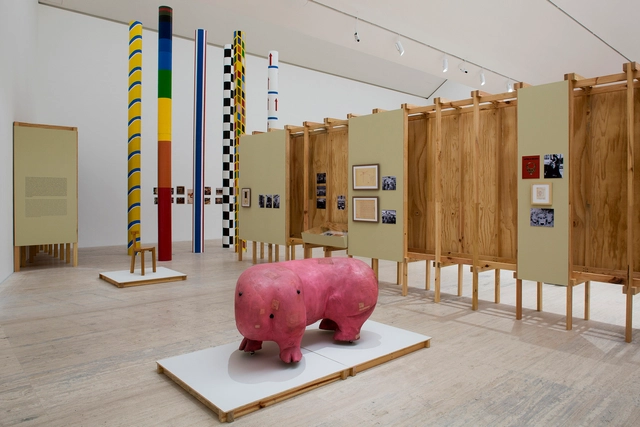
Art Week kicks off today in Mexico City, with more than 210 galleries opening their doors to host diverse programs showcasing the work of artists from 26 countries. Our featured lineup ranges from the recently opened exhibition "Habitat" by Lina Bo Bardi at Museo Jumex to the internationally renowned ZⓈONAMACO art fair, as well as the well-known exhibitions organized by guadalajara90210 that blend art and architecture.
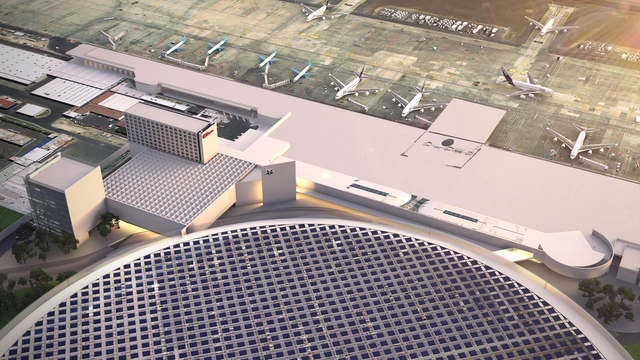
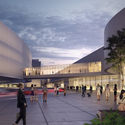
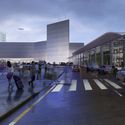
As part of a call for entries launched in 2019 by GAP (Grupo Aeroportuario del Pacífico) for the remodeling of facades, as well as the expansion of the public concourse and parking lot of Guadalajara Airport's Terminal 1, the proposal by Bosco Arquitectos (Bosco, Lázaro, and Sebastián Gutiérrez Cortina), Andrés Casillas de Alba, and Lucio Muniain et al has been announced as the winning design.
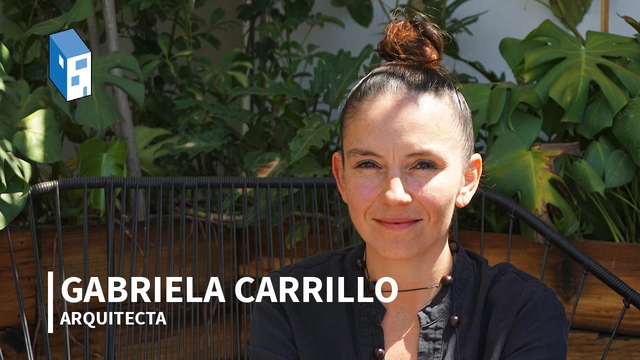
The professional career of Mexican architect Gabriela Carrillo reveals an impeccable and relentless commitment to recognizing the values of the territory in order to provide spaces that dignify their inhabitants. This approach has shaped her practice for 19 years, nine of which she spent as a partner at Taller de Arquitectura Mauricio Rocha + Gabriela Carrillo. Her work has been recognized with numerous awards, including the Gold Medal from the French Academy of Architecture.
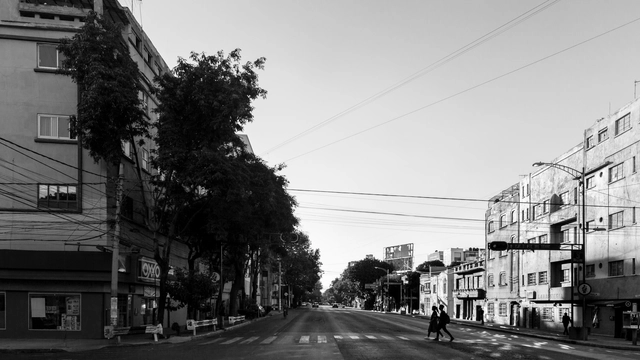
Mexico's National Social Distancing Campaign began on March 23, 2020, but a couple of weeks earlier, even as the federal government recommended continuing normal activities, social media was already filled with people choosing to self-isolate and replicate the European model. Some architecture firms immediately decided to close their physical offices and transition to a remote work model, while others took several weeks longer. However, this period of social and physical (spatial) distancing is experienced differently in every household. Over the months that this pandemic has unfolded, it has exposed not only the inequality regarding basic needs in dense urban areas, but also the fragility of the established social order. Whether at a macro or micro scale, all of these experiences occur within and are influenced by the built environment, making architecture both judge and jury in this equation.
As part of the annual CEMEX Awards, the recipient of the Arq. Marcelo Zambrano Scholarship has been announced, reaffirming the commitment to the development of architecture in Mexico. CEMEX awards the Arq. Marcelo Zambrano Scholarship in honor of the exemplary professional dedication and leadership of Architect Marcelo Zambrano, aiming to support young Mexicans in pursuing postgraduate studies at prestigious international universities.
"Traveling Without Leaving Home" is a project by artist and designer Jorge Cejudo, also known as “Cejas.” Over the course of seven months, he shared a pandemic-born series of over 200 drawings on his Instagram account @soyelcejas, reconnecting with his followers after the emergency lockdown by inviting them to join him in imagining journeys through various cities around the world.
The Eco Pavilion 2020 marks the tenth edition of this competition, which, since 2010, has served as a space for architectural reflection through temporary construction inside the courtyard of the Museo Experimental el Eco. This year's edition was structured around Mathias Goeritz's "snake" concept, under an approach proposed by architect Javier Senosiain.
Isaac Michan Daniel of Michan Architecture, as well asLuis Beltrán del Río García and Andrew Sosa Martínez of the Mexican firm VRTICAL, have been recognized with the 2020 Architectural League Prize. Established in 1981 to recognize exemplary and provocative work by young practitioners, the Architectural League Prize is an annual competition organized by The Architectural League and its Young Architects + Designers Committee. This year's jury was comprised of the Young Architects + Designers Committee—Kutan Ayata, Mira Henry, and Kevin Hirth—alongside Lucia Allais, Paul Lewis, Anna Puigjaner, and Nanako Umemoto.
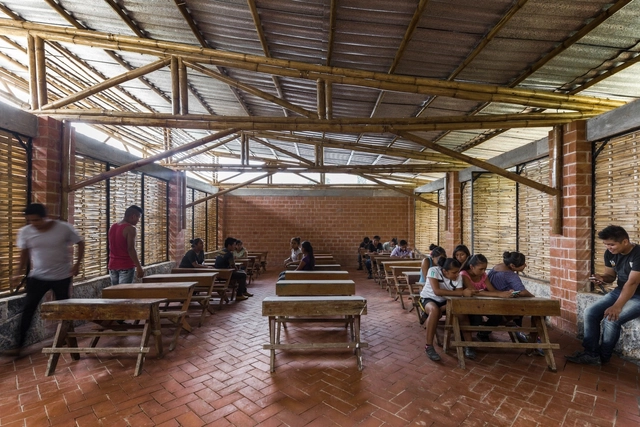
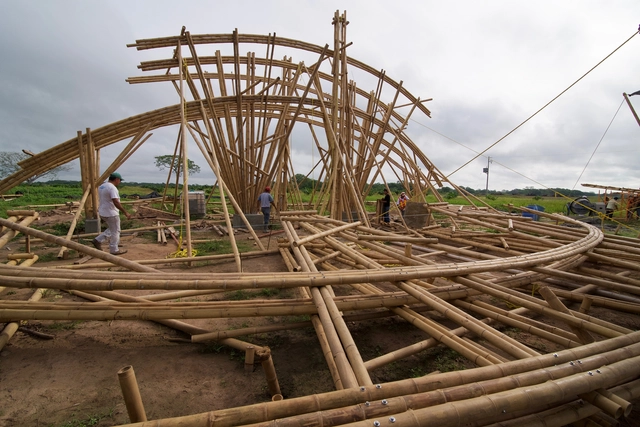
Bamboo is a building material that has been used since antiquity in various structures, demonstrating its superiority over modern materials like plastic and steel due to its myriad benefits—not to mention an incomparable aesthetic appeal that has positioned it as one of today's leading architectural trends.
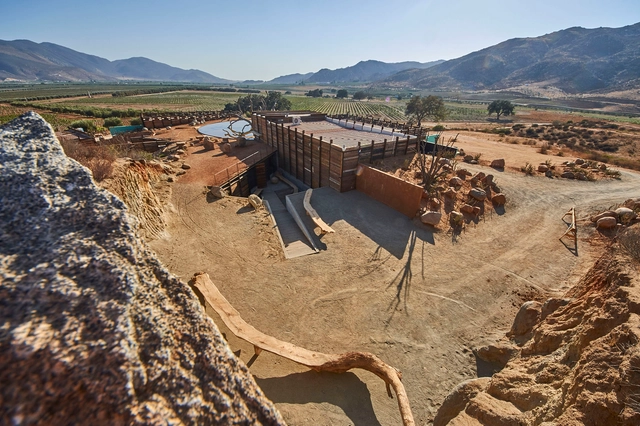
Given its diverse climate and geography, Mexico's wine production has steadily gained recognition in states such as Aguascalientes, Baja California, Baja California Sur, Chihuahua, Coahuila, Durango, Guanajuato, Nuevo León, Puebla, Querétaro, Sonora, and Zacatecas. In these regions, vineyards are increasingly in the spotlight, alongside wine festivals and curated experiences that offer visitors an immersive look into the various stages of production.
The state of Puebla is located in the central highlands of Mexico, bordering the states of Tlaxcala, Hidalgo, Veracruz, Oaxaca, Guerrero, Morelos, and the State of Mexico. Covering an area of 34,251 km², it is one of the country's most densely populated states. Its capital is Puebla de Zaragoza, and it is one of the leading landlocked states for tourism, featuring 9 "Pueblos Mágicos" (Magical Towns) and 3 UNESCO World Heritage Sites.
Roma 212 is a multidisciplinary studio dedicated to architectural design, ephemeral installations, interiors, and urban planning. Its philosophy centers on experimenting with new materials, forms, and processes, aiming to renew and rethink architecture as a cultural catalyst.






Palma_Vacío-8.jpg?1607984631 "© Luis Young")