Content Editor at ArchDaily Mexico. Architect by UNAM (2018). Her interests focus on exploring the relationship of the body with architecture through dance. She has collaborated with different international choreographers who explore dance and architecture as an event. Twitter / Instagram: @monicarellano_
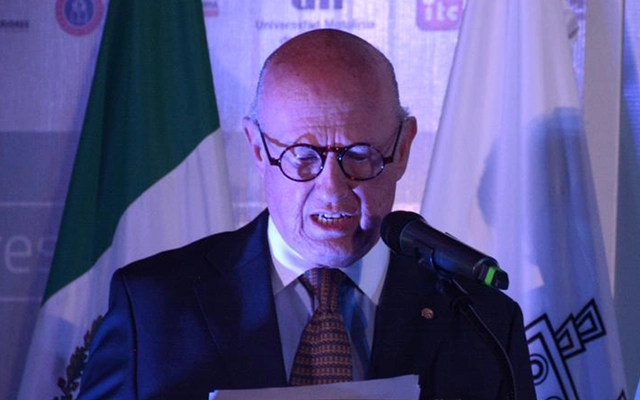
Today, April 28, 2020, the Colegio de Arquitectos de la Ciudad de México announced the passing of architect Augusto F. Álvarez Fuentes, son of architect Augusto H. Álvarez. A graduate of the Universidad Iberoamericana, where he studied architecture, he later earned a Master of Science in Urban and Regional Planning with a specialization in Urban Geography from the London School of Economics in England.
During October of this year, the Photography and Architectural Image Workshop took place, aiming to introduce students from the University Center of Art, Architecture, and Design (CUAAD) of the University of Guadalajara to photography. This approach ranged from the retrospective analysis of the image and shooting with digital or analog tools to an introduction to the basics of post-production. Through the perspectives of various guest speakers and practical exercises, students had the opportunity to develop the sensitivity to enter the world of photography. The workshop instructors were César Béjar, Misael Covarrubias, Rafael Palacios, Carlos Irigoyen, AVEH Estudio, Ernesto Gutiérrez, Joel Alavez, and Daniel Mendoza. Read on to see the results.
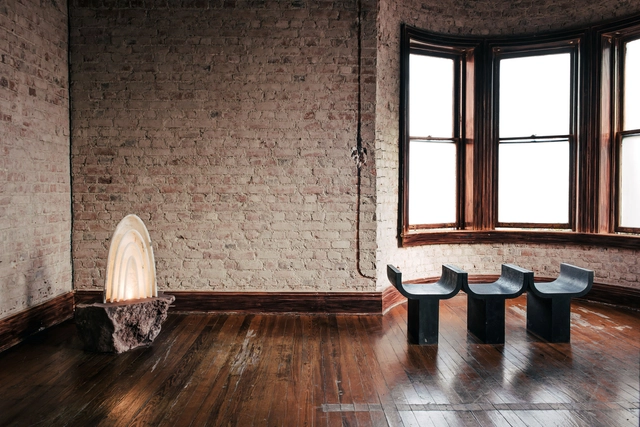
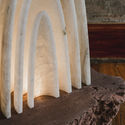
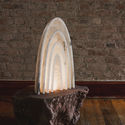
The Mexico City-based design studio, founded in 2017 by Manu Bañó, Age Salajõe, and Héctor Esrawe, has launched its new piece titled “Aura,” a lighting fixture that continues the studio's exploration of religious elements, objects, and places of worship in Mexican culture. Following this approach, the piece emerges as an aura built from four geometric, half-moon shapes that evoke the arches of colonial-era altars and churches.
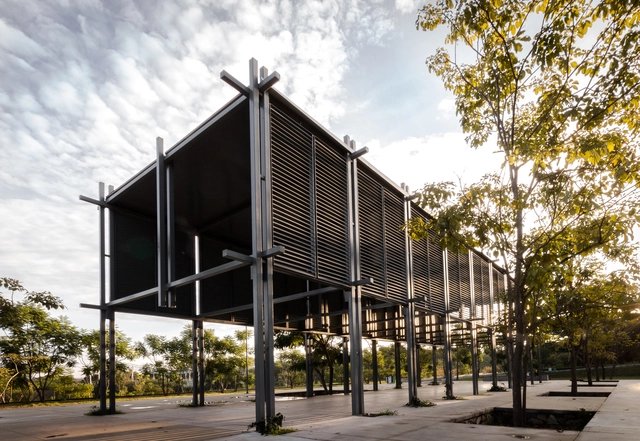
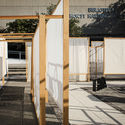
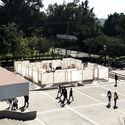
The TEMA Pavilion 2019 competition was established to give architecture and design students from the University of Guadalajara the opportunity to showcase their knowledge, aspirations, and interest in space through an intervention in a shared social space on the CUAAD campus. The initiative is organized by TEMA Diseño y Contexto, a group made up of students from the University Center of Art, Architecture, and Design (CUAAD) at the University of Guadalajara. The winners of the TEMA Pavilion 2019 Competition were recently announced, comprising first, second, and third place, excluding honorable mentions.
As part of an initiative by ArchDaily and the Abierto Mexicano de Diseño, a call for entries was launched this year, inviting architects, urban planners, landscape designers, industrial designers, graphic designers, floral designers, and any creative discipline that understands public space as a place for fostering collaborative encounters in cities. Published in September, the call sought unpublished or previously published projects in the form of written essays, research papers, visual essays, lectures, or other digital communication formats that offered a personal or collective reflection aligned with the theme 'Public Space.'
As part of the 2020 program, and inspired by MUTEK Montreal’s Edition 21—which aligned two network cities in a simultaneous edition and used virtual convergence to expand activities and connect global digital art communities—comes the joint MUTEK MX & MUTEK JP Edition 17+5, featuring a series of hybrid events.
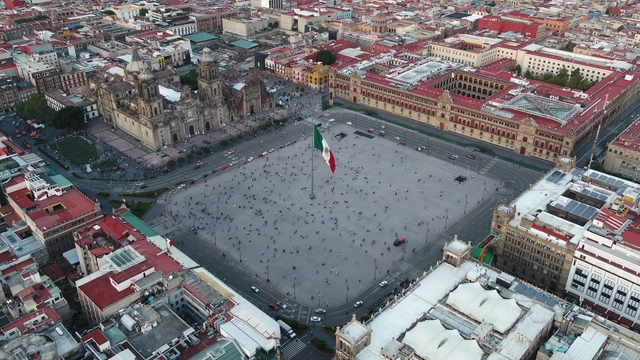
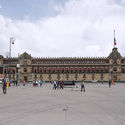
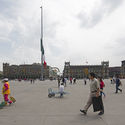
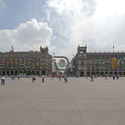
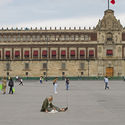
The remodeling project for the Plaza de la Constitución (El Zócalo) in Mexico City was completed in 2018. The design is the result of a competition launched by the Government of Mexico City and the Ministry of Public Works of Mexico City, covering an area of 46,800 square meters.
For years, Mexico City has been what many authors call a "living organism"—built day by day and choreographed in diverse ways. In recent years, the work of Mexican photographer Santiago Arau has portrayed a city where time passes, a city built by its inhabitants, spanning from aerial shots to the daily perspective of a commuter on public transit. Yet, what has happened over these past few months as the COVID-19 pandemic swept across the globe?
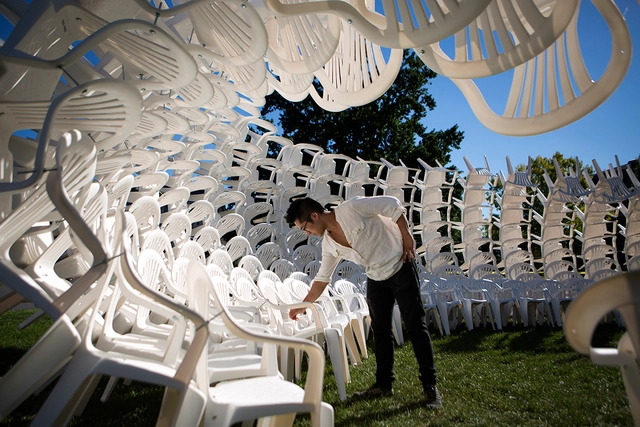
As seen throughout architectural history, ephemeral installations and pavilions are key elements for addressing specific architectural moments and social manifestations in an almost immediate way. While some pavilions have proven so significant that they transcended their temporary nature to become permanent, exemplary expressions of a historical moment—such as the Barcelona Pavilion, designed by Ludwig Mies van der Rohe and Lilly Reich for the Barcelona International Exposition in Montjuïc—others remain documented in photographs, plans, and experiences, to be rewritten in future projects.
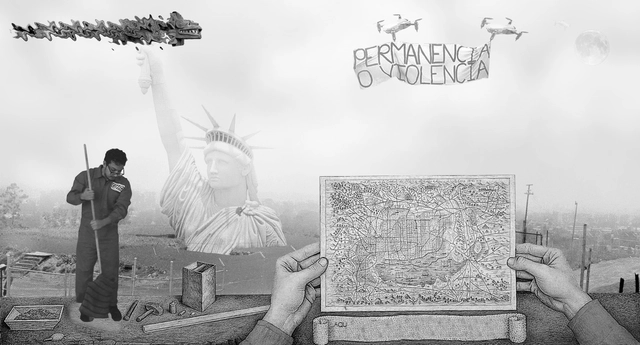
This interview is part of a collaboration with the digital magazine Hysteria.mx. It was originally published on January 24, 2020, under the title "Stories from the US-Mexico Border" as part of Issue No. 31, titled "Bodies and Territories," and was conducted by Tadeo Cervantes.
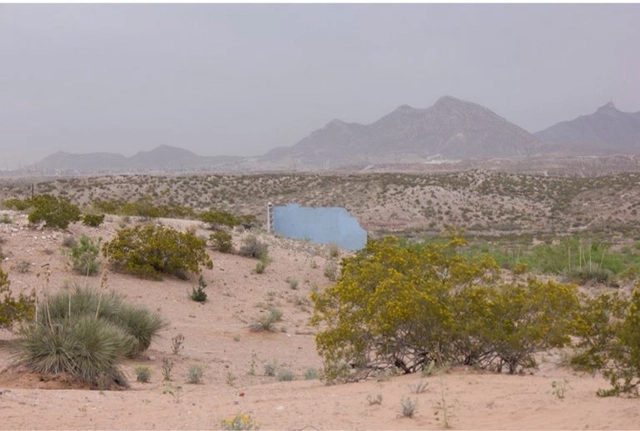
Alejandra Aragón is a visual artist, photographer, documentarian, and activist from Ciudad Juárez, Chihuahua—a city on Mexico's northern border infamous for the cases of femicide recorded from the early 1990s to the present. From this vantage point, Aragón narrates various aspects of daily life for women in a territory shaped by violence, conflict, and complexity.
In Latin America, the concept of emergency architecture refers to spaces that serve as temporary shelter in the face of adverse circumstances, such as earthquakes, floods, and migration. Various countries, including Mexico, Chile, Colombia, Ecuador, Uruguay, and Panama, have faced events that required redefining emergency housing according to each nation's specific needs.
The state of Querétaro is located in the north-central region of Mexico, bordered by the states of San Luis Potosí, Guanajuato, Hidalgo, Estado de México, and Michoacán. Covering an area of 11,684 km², it is one of the most expansive regions in the country. Its capital is Santiago de Querétaro, which is also the state's most populous city. Among its most popular Pueblos Mágicos (Magical Towns) are Bernal, Tequisquiapan, Jalpan de Serra, Cadereyta de Montes, San Joaquín, and Amealco de Bonfil. Additionally, the state boasts four UNESCO World Heritage sites and one entry on the Intangible Cultural Heritage list: the Historic Monuments Zone of Santiago de Querétaro, the Franciscan Missions of the Sierra Gorda, the Otomí Chapels, and the living traditions of the Otomí-Chichimeca culture, respectively.
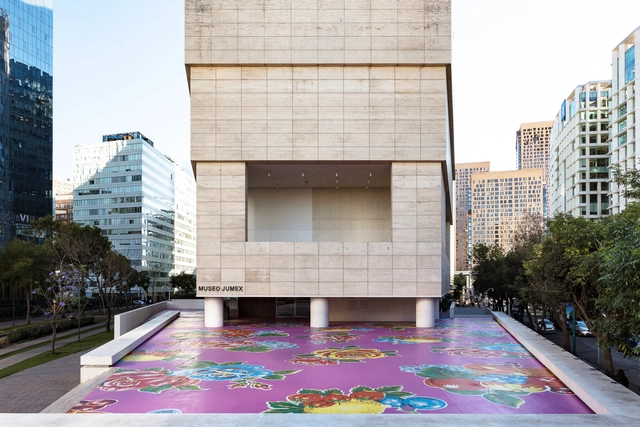
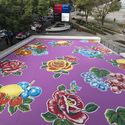
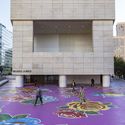
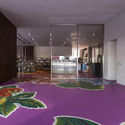
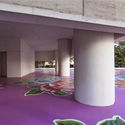
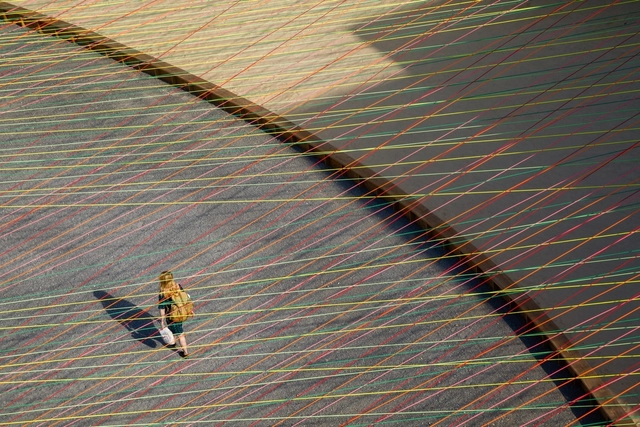
As part of this year's cultural agenda, Museo Jumex inaugurated the large-scale work Mariposa B1-09 by artist Michael Lin on February 4. The piece consists of a hand-painted floor spanning over 1,300 m2, temporarily covering the plaza and the building's ground floor.
The Guadalajara region in Mexico is home to one of the country's most prominent cities, ranking as one of the most populous urban areas alongside Mexico City, Tijuana, the State of Mexico, and Monterrey. However, the exponential growth experienced by cities in the 20th century resulted in an urban sprawl that expanded far beyond traditional geographic boundaries. The capital of the state of Jalisco was no exception, ultimately leading to the definition of the Guadalajara Metropolitan Area, which integrates the key municipalities surrounding the capital.
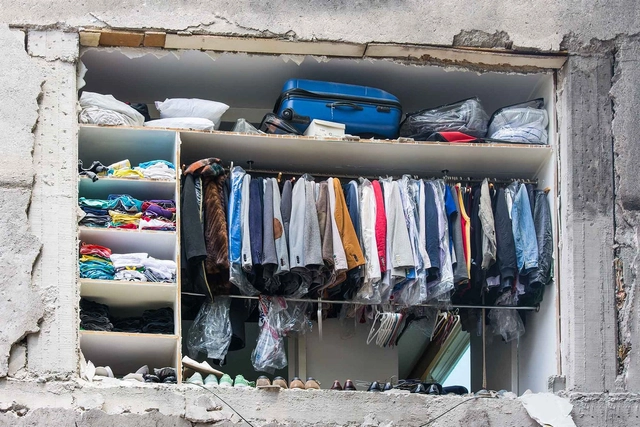
The National Social Distancing Campaign in Mexico began on March 23, 2020. However, even a couple of weeks prior—despite the federal government's recommendation to continue daily activities as normal—social media users were already choosing to replicate the European model of self-isolation. Some architecture firms immediately decided to close their physical spaces and transition to remote work, while others took several weeks to adapt. Ultimately, this period of social and physical (spatial) distancing is experienced differently in every home. The months of this pandemic have exposed not only the systemic inequalities regarding basic needs in dense urban areas, but also the fragility of our established social order. Whether at a macro or micro scale, these experiences are shaped by the built environment, positioning architecture as both a witness to and a defining factor in this equation.
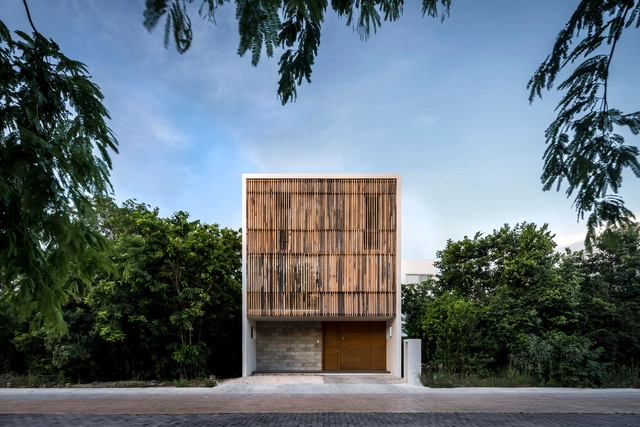
As one of Mexico's most internationally renowned tourist destinations, Cancun is a city founded just 50 years ago. Since then, it has woven a unique narrative, both in its urban layout and in the culture and heritage that residents actively seek to elevate to foster a shared historical consciousness. While primarily known for its massive resort complexes and nightlife, Cancun is much more than that. Several emerging practices, such as Warm Architects and TAFF Arquitectos, are constantly striving to promote a regional architecture that responds to the unique ways of living in this tourism-driven area.
PRODUCTORA is a Mexico City-based architecture studio founded by Abel Perles (1972, Argentina), Carlos Bedoya (1973, Mexico), Víctor Jaime (1978, Mexico), and Wonne Ickx (1974, Belgium). The firm is characterized by its emphasis on precise geometries in an effort to generate legible projects with clear gestures, as well as its pursuit of timeless material and spatial resolutions.

.jpg?1592952477 "© Pilar de Ario")








_22.43.53.jpg?1595216773&format=webp&width=640&height=580)
.jpg?1595384588 "Izaskun Chinchilla Unveils ‘Organic Growth’, a Recycled Pavilion Funded via Kickstarter. Image © Sergio Reyes")







.jpg?1602009335&format=webp&width=230&height=230&crop=true)