Content Editor at ArchDaily Mexico. Architect by UNAM (2018). Her interests focus on exploring the relationship of the body with architecture through dance. She has collaborated with different international choreographers who explore dance and architecture as an event. Twitter / Instagram: @monicarellano_
As part of our ongoing effort to highlight the outstanding academic work being produced in universities, we launched an open call last January, inviting Mexican architects to share their graduation projects. We sought theses and academic research addressing critical issues in the Mexican context—projects that typically remain on paper but deserve national recognition.
In Mexico, the official Jornada de Sana Distancia (National Social Distancing Campaign) began on March 23, 2020. During this period, various firms, businesses, and universities reached a turning point where it became necessary to discuss the present and future impacts of the COVID-19 pandemic on operations at different levels. A few weeks ago, ArchDaily launched a series of interviews with Mexican firms reflecting on their organizational and operational experiences when transitioning from in-person to remote work. But what about universities? What happens to the new generations experiencing this shift in their schools? How is spatial thinking affected after nearly two months of social distancing? What lies ahead for educational models, and especially for university spaces?
The Eco Pavilion 2020 is the tenth edition of this competition, which, since 2010, has served as a space for reflection on architecture through temporary installations in the courtyard of the Museo Experimental el Eco. This year's edition was structured around Mathias Goeritz's idea of "the serpent," based on a concept proposed by architect Javier Senosiain.
As the philosopher Byung-Chul Han states: every age has its signature afflictions. These illnesses have represented some of the most significant challenges in human history, bringing drastic changes not only to the healthcare sector but also to economic and political spheres, revealing humanity as a complex network negotiating its daily existence through actions that have reshaped our ways of living and relating to one another.
Mexico's National Social Distancing Campaign began on March 23, 2020. However, a couple of weeks prior—even in the face of the federal government's recommendation to continue normal activities—social media users were already opting to mirror the European model and self-isolate. Architecture firms immediately began closing their physical spaces to transition to remote work, though for others, the shift took several weeks. Yet, this period of social and physical (spatial) distancing is experienced differently in every household. Over the months of this pandemic, we have witnessed not only the inequities in access to basic needs in dense urban areas, but also the fragility of the social order itself. Whether at a macro or micro scale, all of these experiences occur within and are shaped by the built environment, positioning architecture as both an active participant and a critical arbiter in this equation.
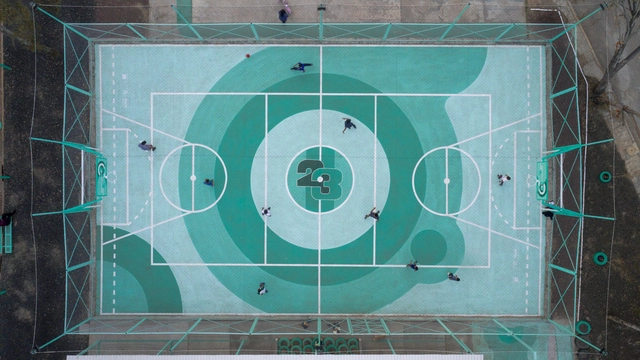
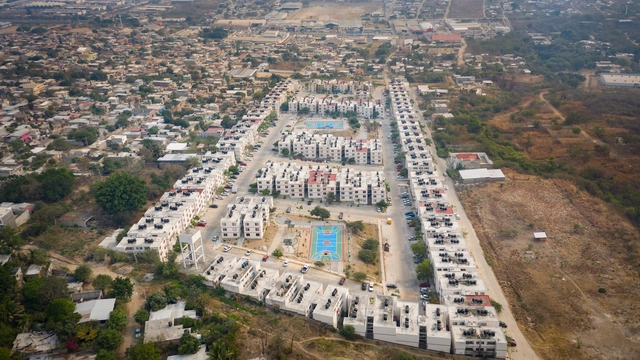
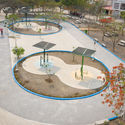
The “Xico-Parque Sur 23” project by the Mexican firm All Arquitectura grew out of the success of “Cancha La Doce,” which was developed in collaboration with love.fútbol and sponsored by the Pincus Family Foundation. Drawing on insights gained from previous projects on-site, the design and research process built upon an existing understanding of local needs and opportunities.
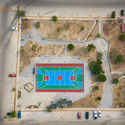
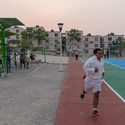
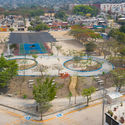
As part of an initiative by Infonavit to drive the recovery of three neighborhood parks in the city of Tuxtla Gutiérrez, Chiapas—“San Juan,” “Las Torres,” and “Canteras”—these housing developments lacked efficient infrastructure, resulting in a deteriorated urban image, high crime rates, and a complete lack of community ownership over public spaces. In response, T+E Arquitectos and Fracciona Arquitectura joined forces to transform these spaces, addressing the distinct requirements of each site.
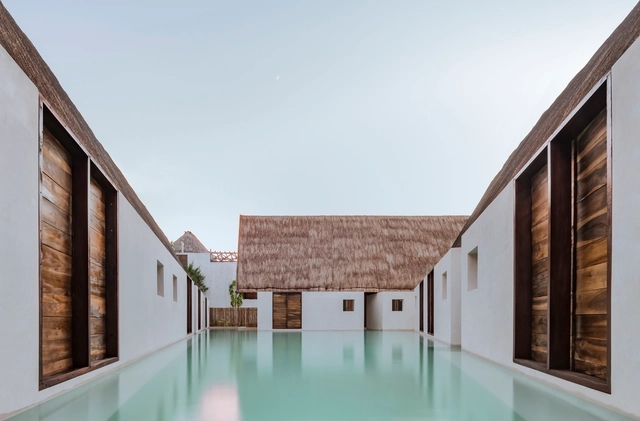
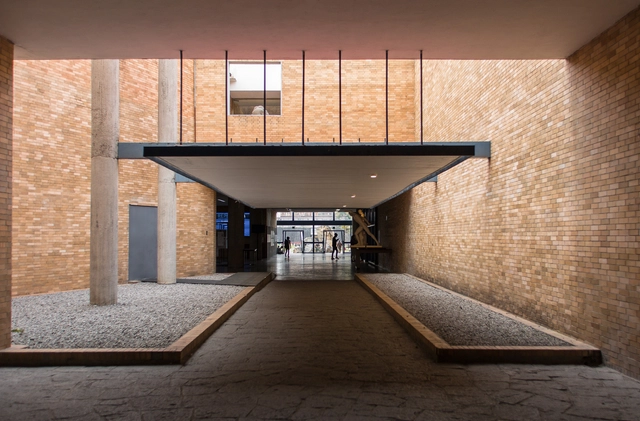
One of the most important factors in design is the site's specific climate. This can pose a challenge in extreme weather, where insulating materials are required to adapt to changing conditions. However, in the case of Mexico and its privileged climate, this factor works to the architects' advantage, allowing them to create microclimates and spaces that blur the transition between indoors and outdoors.
This article is part of a collaboration with the website coolhuntermx. It was originally published on February 2, 2020, under the title "Un parque moderno para Guadalajara" and written by David Lozano Díaz.
In 1971, architect Fernando González Gortázar, at 29 years of age, was commissioned to build González Gallo Park. This commission served a dual purpose: to commemorate the late former governor José de Jesús González Gallo and to provide a substantial new public space for the developing neighborhoods in eastern Guadalajara.
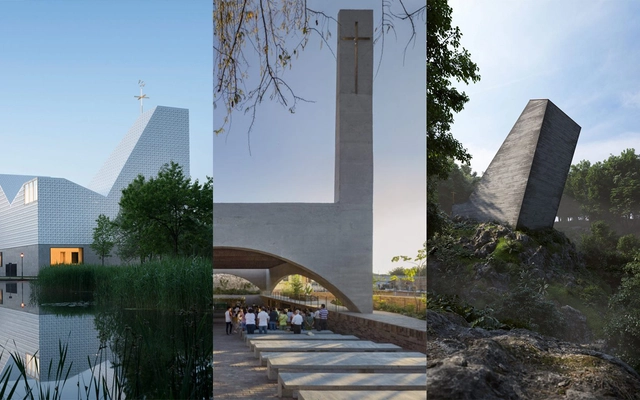
For the seventh time, the Frate Sole Foundation has launched the 2020 edition of the International Sacred Architecture Award, open to all professionals who have designed a church over the last decade (since October 4, 2010) within Christian denominations.
Located on the Mexican border as the southern gateway to the United States, Ciudad Juárez encompasses a territory that blends multiculturalism, migration, and resilience. Together, these elements form a phenomenon of hybrid roots that, over decades, has shaped “border culture.”
Since 2008, the National Chamber of the Iron and Steel Industry CANACERO has joined forces with the Latin American Steel Association ALACERO through initiatives such as the ALACERO Steel Design Competition for Architecture Students and the CANACERO National Steel Award for Architecture Students, aiming to encourage the use of steel in construction among architecture students in Latin America.
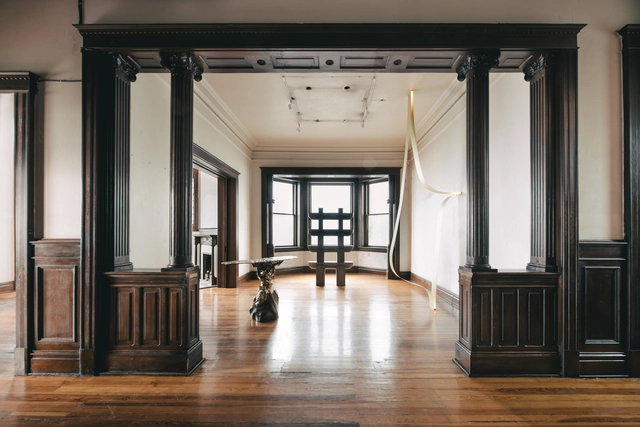
As part of the cultural programming of the Mexico City-based art gallery, MASA presents the exhibition Recover / Uncover, a space featuring unique and limited-edition pieces by designers and artists whose work seeks to challenge labels. In doing so, MASA celebrates contradiction as a reflection of an ongoing process of self-definition and evolution over time, presenting objects as tools for life and contemplation.
In early October, a new space opened in Mexico City under the name Design House at Público Coworking, showcasing a series of interventions that integrate disciplines such as design, architecture, and interior design. Over the past ten years, Design House has presented cutting-edge concepts from more than one hundred participating firms across various venues, collaborating with showrooms on the Design Route (Ruta del Diseño) that provide the pieces and accessories featured in the diverse installations.
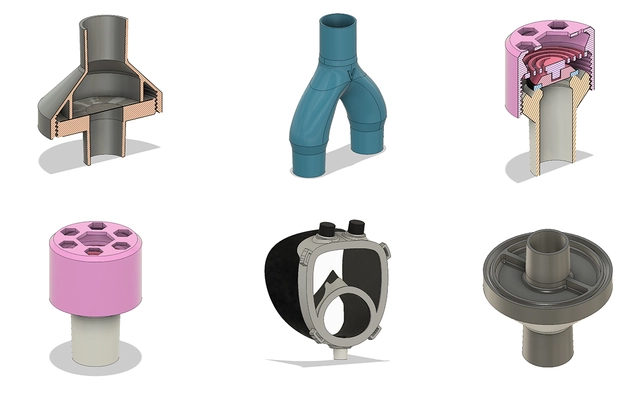
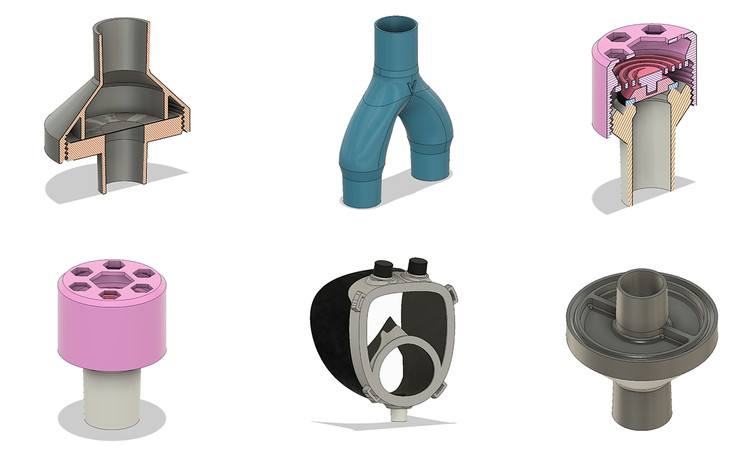
As part of an initiative by Makers México, a group of nearly 300 creative professionals from various fields continues to come together to address the COVID-19 pandemic. Architects such as Juan Carlos Baumgartner and Michel Rojkind, along with designer Ariel Rojo, have joined this effort to contribute in various ways, creating 3D-printed parts to be donated to hospitals across the country. Currently, they are working on a splitter—which allows two patients to be connected to a single ventilator in the event of a shortage—protective masks for doctors and patients, as well as other components to complement their operation.
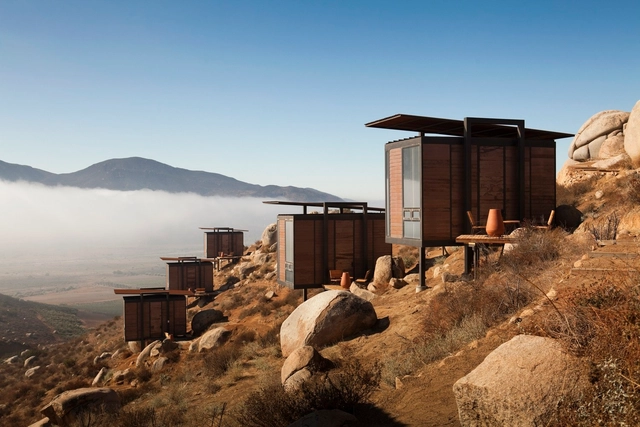
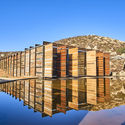
Located in the country's northwestern region, the state of Baja California Norte borders California (in the United States), Sonora, and Baja California Sur (in Mexico). Along with Baja California Sur, these are the only two Mexican states flanked by the Pacific Ocean to the west and the Sea of Cortez to the east, harboring some of the most breathtaking landscapes and coastlines in the country.
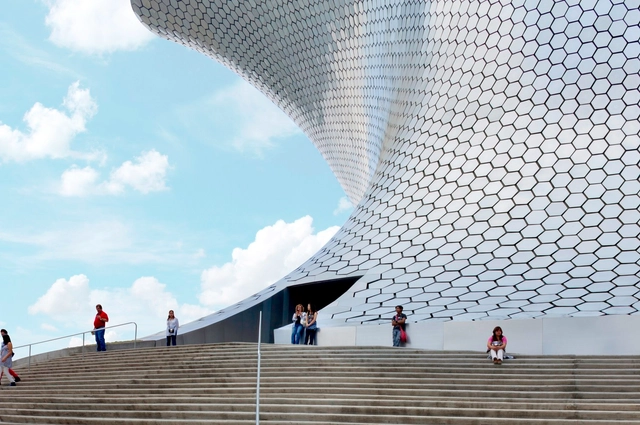
Soumaya Museum / FR-EE / Fernando Romero Enterprise. Image
While virtual reality is not a new tool, its adoption across various industries has been gradual. In the architecture and cultural sectors, virtual tours have become increasingly common, offering a much broader perspective of spaces and—in the case of art—their relationship with the exhibited works. Various efforts have been made to promote this spatial mapping, closing the gap between cities, countries, and continents. A prime example is the Google Arts & Culture project, which features a library of 4,500 institutions that can be explored virtually.
As part of the cultural program of LIGA, Space for Architecture in Mexico City, the Brazilian quartet Terra e Tuma—comprising Danilo Terra, Fernanda Sakano, Pedro Tuma, and Juliana Terra—presents a project that reflects their architectural practice: a process of copying and repetition. As announced on LIGA's official website, the opening scheduled for Wednesday, March 18, was canceled due to recent developments surrounding COVID-19 in Mexico City. Nevertheless, digital publications like this one aim to share the project to foster dialogue and reflection on the world of architecture.
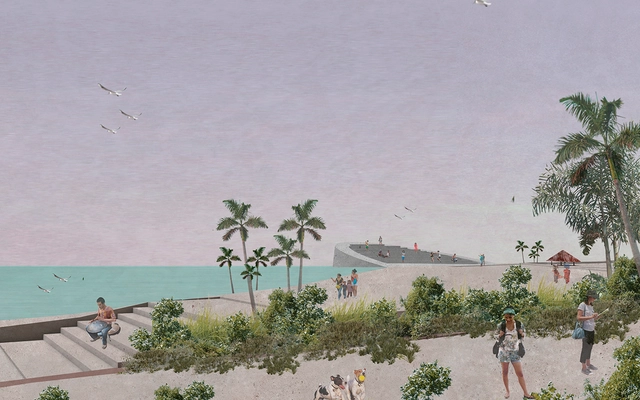



_22.43.53.jpg?1597908512&format=webp&width=640&height=580)

_22.43.53.jpg?1597908512)