Content Editor at ArchDaily Mexico. Architect by UNAM (2018). Her interests focus on exploring the relationship of the body with architecture through dance. She has collaborated with different international choreographers who explore dance and architecture as an event. Twitter / Instagram: @monicarellano_
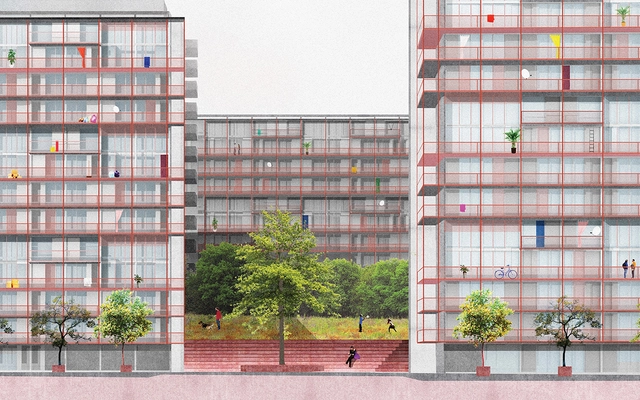
LafargeHolcim—the world's most significant competition for sustainable design—has announced the results for the Next Generation category, which recognizes the most visionary and bold concepts by young professionals and students. In the European competition region, the jury selected four winners to receive Next Generation awards.
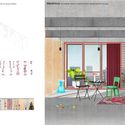
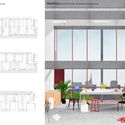
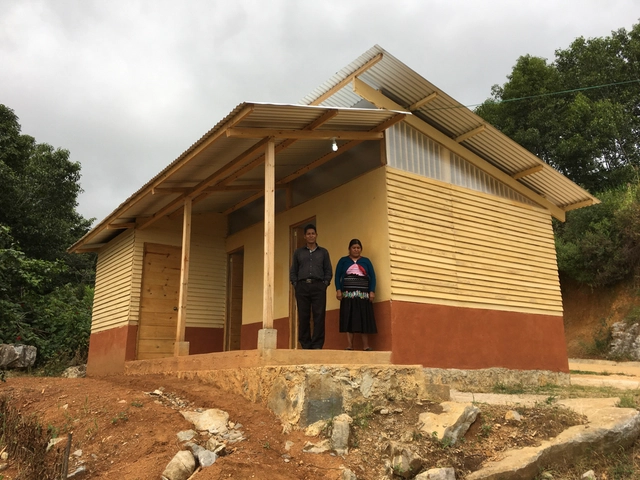
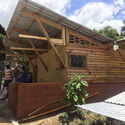
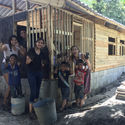
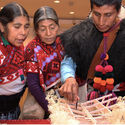
Since 2015, the Taller Vertical Proyectos de Incidencia (Vertical Workshop for Impact Projects) at the Department of Architecture of the Universidad Iberoamericana in Mexico—coordinated by Juan M. Casillas in collaboration with Daniela Luján and Karen Poulain—has operated as an academic space for reflection and action regarding the role of architects in today's context. This initiative will be part of the projects presented at the Mexican Pavilion during the 17th International Architecture Exhibition of the Venice Biennale 2021.
March 9 marks the birth anniversary of one of the most globally significant Mexican architects, a pioneer of the Modern Movement in Mexico whose work has transcended geographical boundaries to be studied by generations of architects who have rewritten his teachings to make them their own. Luis Barragán, the Guadalajara-born architect and 1980 Pritzker Prize laureate, left a timeless legacy that continues to pave the way for new research and discoveries today.
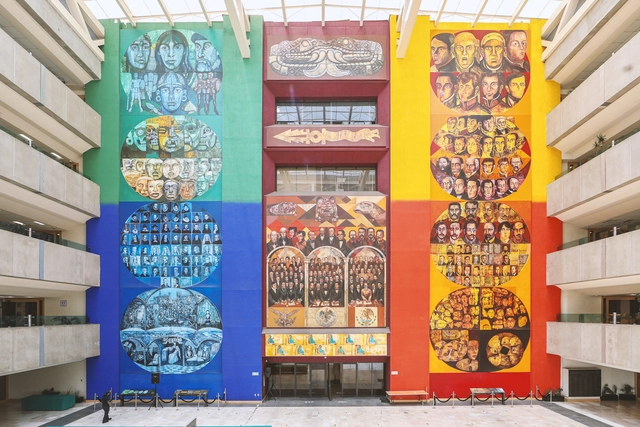
With the growing interest in virtual tours driven by recent public health conditions, access to these experiences has become increasingly common. While not a new technology, it is rapidly evolving to engage art and architecture enthusiasts. With this in mind, a project titled "San Lázaro 40 (X) 5 / 40 years, 5 murals" was launched to showcase one of the most iconic spaces designed by architect Pedro Ramírez Vázquez: the San Lázaro Legislative Palace.
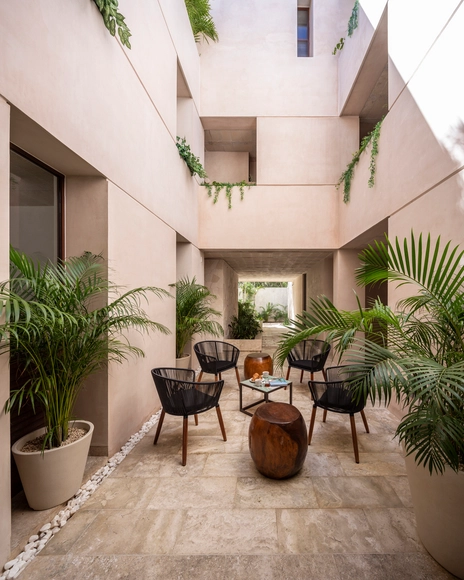
The results of the XIII Yucatecan Architecture Biennial have been announced. A total of 28 awards were presented across 15 categories, including 1 Gold Medal winner, 14 Silver Medal winners, and 13 honorable mentions. The jury was composed of architects Alejandro Ibarra, Carlos Rodríguez, Miguel Rivera, and Elías Cisneros. Read on to discover the winners.
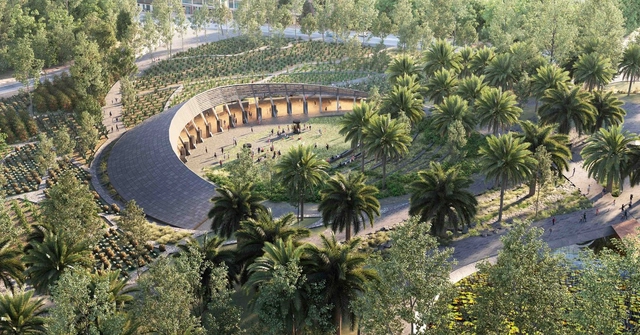
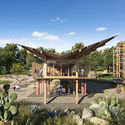
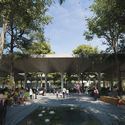
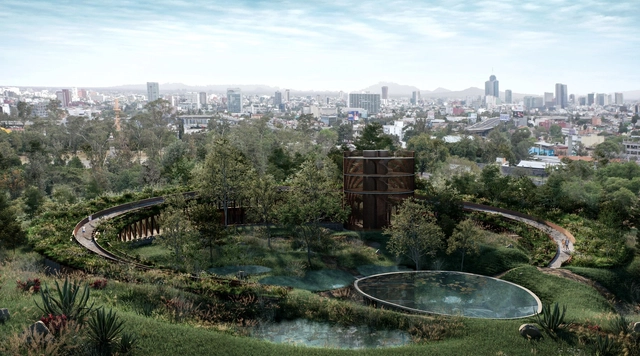
The Ministry of the Environment of Mexico City announced the winning project of the National Thematic Garden-Ethnobotanical Garden, Environmental Culture Center Competition in the Second Section of the Chapultepec Forest, which will form part of a master plan for the “Chapultepec Forest: Nature and Culture.” Upon completing the analysis and deliberation of the projects, the jury members highlighted the quality and high standard of the participants across the five submitted proposals. The first, second, and third-place winners are listed below. Read on to discover the winning project and the four finalist proposals.
As part of a new initiative to merge architecture with cinematic storytelling, the series Arquis recently premiered on HBO Max. The show offers an intimate portrait of the lives and work of six of the most renowned architects in Mexico and Latin America, including Alejandro Aravena, Mauricio Rocha, Alberto Kalach, Simón Vélez, Carla Juaçaba, and Isay Weinfeld.
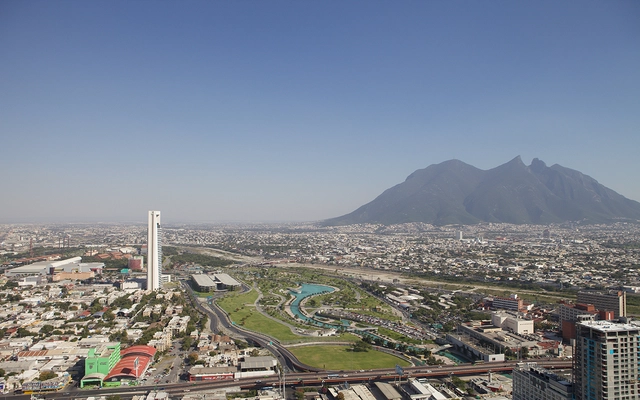
As part of an initiative to document the history of Monterrey, Nuevo León, Mexico, REGIOPOLIS emerged as a documentary video series narrated from the perspective of the city's creators, aiming to leave an architectural record of the Monterrey metropolis. Each episode showcases some of the most significant works that laid the foundation for its urban fabric, exploring the historic and emblematic architecture built to this day.
Querétaro is a state located in the north-central region of Mexico, bordering the states of Guanajuato, San Luis Potosí, Hidalgo, the State of Mexico, and Michoacán. Covering an area of 11,684 km², it is the fifth-smallest state in the country. Its capital and largest city is Santiago de Querétaro; other notable localities include Tequisquiapan, Cadereyta, Jalpan de Serra, San Joaquín, and Bernal.
As part of the annual collaborative efforts of the Design Week team in Mexico City, the "Inédito" exhibition opened on October 14 at the Espacio CDMX Arquitectura y Diseño gallery. This showcase is part of the seventh consecutive edition of the open call, which aims to support, promote, and disseminate utilitarian design projects in the categories of social impact, environmental impact, innovation, function, aesthetics, concept, user experience, materials, and processes. Divided into three categories—professional, student, and limited edition—the exhibition, rather than fostering competition, opens up opportunities in both the domestic and international markets for exceptional design with commercial and production viability.
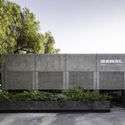
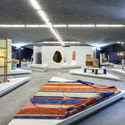
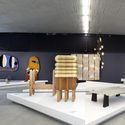
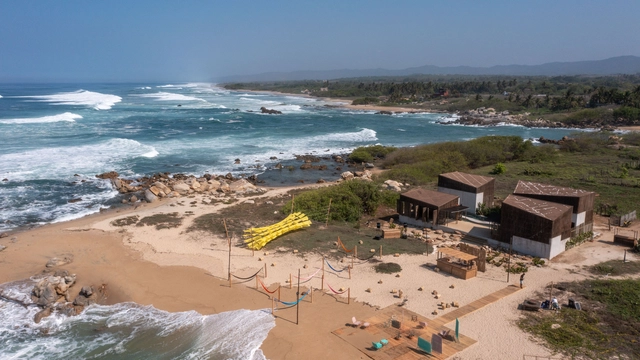
In late May 2021, Puerto Escondido, Oaxaca, hosted the inaugural edition of MDF Mexico Design Fair, an emerging platform born out of a desire to discuss, exhibit, and celebrate the Mexican design scene. Its primary objective is to promote the acquisition of contemporary Mexican design, strengthening its position by understanding and transcending the goals of the international market.
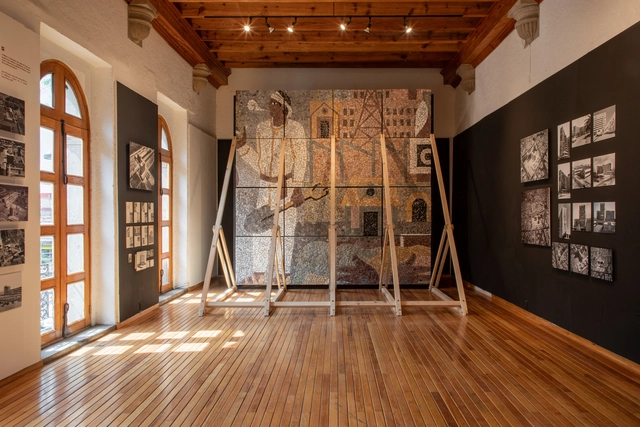
On July 28, the Azcapotzalco Borough opened the exhibition “O’ Gorman O’ Gorman 1905 - 1982” at the Casa de Cultura Azcapotzalco in Mexico City, curated by Sofía M. Provencio and Juan José Kochen. This exhibition is the result of an open call held in July 2020, which invited visual artists, designers, and architects to submit works and perspectives offering a contemporary view of the renowned Mexican artist and architect's work.
Criticism of academia in architecture is a persistent issue, raising various questions about how the discipline is taught and learned. This debate gained significant momentum during the pandemic, when traditional education made a massive leap toward 100% online learning, changing how we experience the spaces and platforms that guide higher education students. Yet this shift is not exclusive to universities; professional practices have also had to reinvent their working methods and their participation in international events and exhibitions to reflect on the relationship between academia and professional practice.
It is well known that Frederick Law Olmsted, designer of Central Park in New York; André Le Nôtre, designer of the gardens of the Palace of Versailles; and Alan Titchmarsh, among others, pioneered modern landscape architecture by breaking the mold of traditional practices. Nonetheless, Mexico has developed a remarkable body of work in this field that deserves recognition.
Campeche is a state located in southeastern Mexico on the Yucatán Peninsula, bordering the states of Yucatán, Quintana Roo, and Tabasco, and facing the Gulf of Mexico. Additionally, Campeche is one of the three states that define the political border with Guatemala. Covering 57,924 km², it is the third least-populated state in the country. Its capital and most populous city is San Francisco de Campeche.
As part of an initiative by the National League of Architecture Students (LINEA) Mexico, ArchDaily invites you to a lecture series featuring several winners of the renowned Building of the Year (ODA) award. The event will take place from May 17 to 24 in a digital format and is free of charge; simply register via the link below. See the full schedule (GMT-5) below.
Climate change is an issue that has gained increasing traction in public and professional discourse over recent years, driven by a clear urgency to research, document, and mitigate environmental damage through multidisciplinary strategies that raise awareness of our current reality. Organizations such as the UN have issued a global call to action to adopt measures that end poverty, protect the planet, and ensure that all people enjoy peace and prosperity.
Oaxaca is one of Mexico's thirty states, renowned for a rich culture that has shaped a territory celebrating its roots. Located in the country's southeastern region, it borders the Pacific Ocean and is known for its indigenous communities, where Zapotec and Mixtec cultures predominate. In addition, Oaxaca is home to a vibrant public life where streets, pedestrian walkways, and plazas frame a diverse range of political, religious, and popular activities. This has drawn the attention of various projects and research initiatives seeking to highlight this social effervescence.

-42.jpg?1620251875 "Cortesía de Juan Casillas")

.jpg?1615263768&format=webp&width=640&height=580)


.jpg?1615263768)





.jpg?1624313332 "Music Palace / Alejandro Medina Arquitectura + Reyes Ríos + Larraín arquitectos + Muñoz arquitectos + Quesnel arquitectos. Image © Onnis Luque")



.jpg?1628181990&format=webp&width=640&height=580)


.jpg?1628181990)
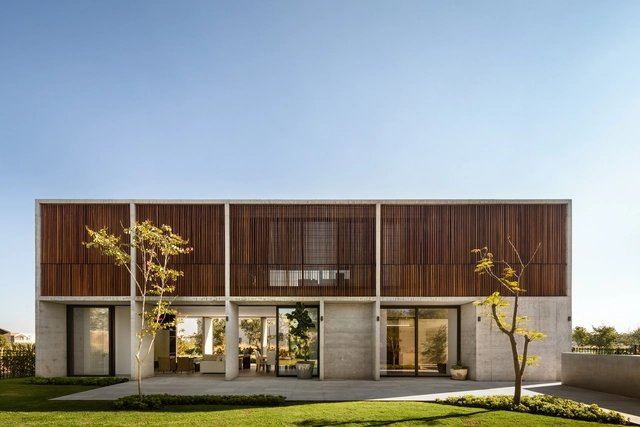
.jpg?1613658867 "Rivera House / Taller de Arquitectura Miguel Montor. Image")














.jpg?1624381640&format=webp&width=230&height=230&crop=true)