Content Editor at ArchDaily Mexico. Architect by UNAM (2018). Her interests focus on exploring the relationship of the body with architecture through dance. She has collaborated with different international choreographers who explore dance and architecture as an event. Twitter / Instagram: @monicarellano_
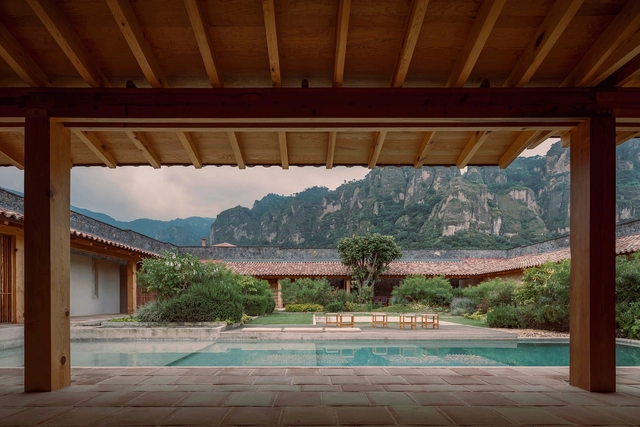
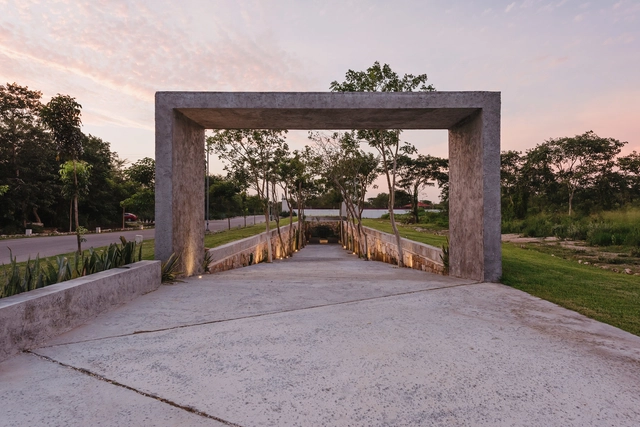
La Hacienda Jardín / Práctica Arquitectura. Image via DNA Paris Design Awards
The DNA Paris Design Awards have announced the winners of the 2022 edition in the categories of architectural design, interior design, landscape design, product design, and graphic design. The results were announced at the end of June, and the awards ceremony will take place in Paris in September 2022.
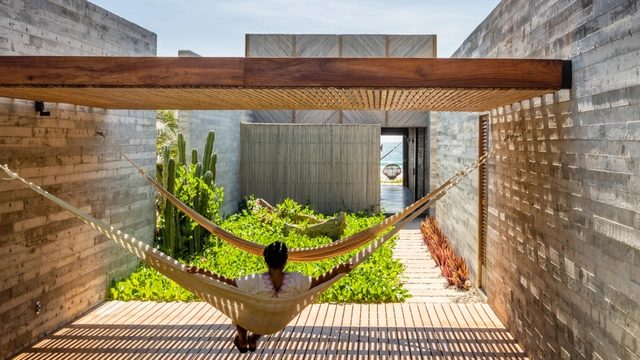
One of the most representative non-fixed elements of the tropical zones of Mexico are the hammocks, as they are part of the history and daily life, representing an important piece of furniture in the houses. Although it is true that the hammock is not originally from Mexico, it is thought that it may have arrived in the Yucatan Peninsula and was adopted throughout the southeast of the country in areas whose temperature and humidity require a kind of floating bed. In the case of the Mayan region, hammocks were initially made of Hamack tree bark. Later, both in the Mexican region and in the rest of Central America, the sisal plant, with softer and more elastic fibres, began to be used.
The history of Mexican photography has helped shape Mexico's global presence. Photographers like Elsa Medina, Lola Álvarez Bravo, Graciela Iturbide, Maya Goded, and Juan Rulfo have masterfully captured the life of buildings, homes, and streets in a rapidly developing nineteenth-century Mexico. As a result, the contemporary Mexican photography scene has become an essential tool for architecture, contributing to a deeper visual understanding of the works that rise day by day.
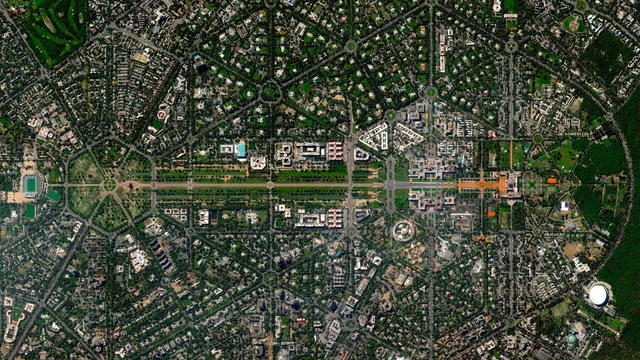
Today, technology is increasingly ubiquitous in major cities, driven by the rapid pace of capital-driven movement. A popular term to describe the relationship between urbanism and technology is “Smart Cities,” which centers on leveraging data to enhance building connectivity. However, widespread access to these new technologies has revealed how our unique experiences as citizens—driven by a strong desire to document urban environments—allow us to map and experience cities from alternative perspectives.
The results of the XIV Yucatan Architecture Biennial have been announced. A total of 17 accolades were awarded, including 1 gold medal, 6 silver medals, and 10 honorable mentions across 15 different categories. The jury comprised architects Edgar Herrera, Manuel Herrera, Felipe Leal, and Carlos Rodríguez. Read on to discover the winners.
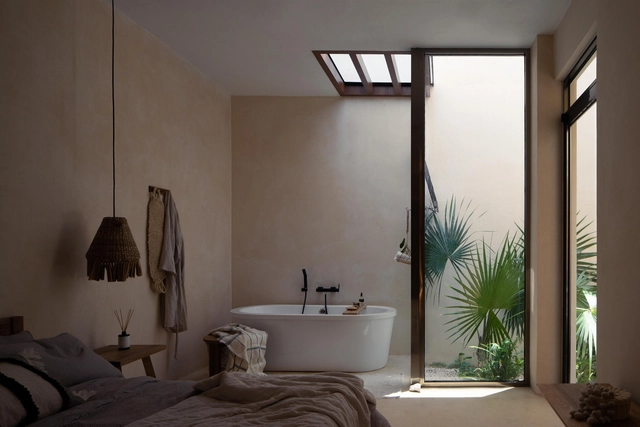
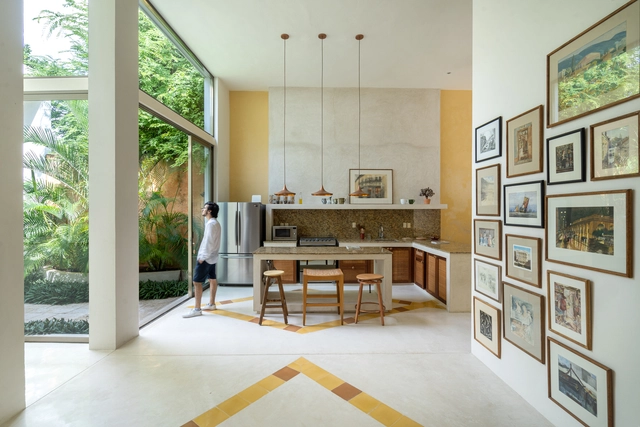
Over the years, interior design has evolved according to the needs that arise, but above all according to the experiences it seeks to evoke in the user. In the last two years we have witnessed a radical change and a special interest in this subject because the pandemic forced us to pay specific attention to the configuration of the places we inhabit. This brought about much more holistic designs that seek to address the wellbeing of the user, combining colours, sensory experiences, technology and natural elements that promote health.
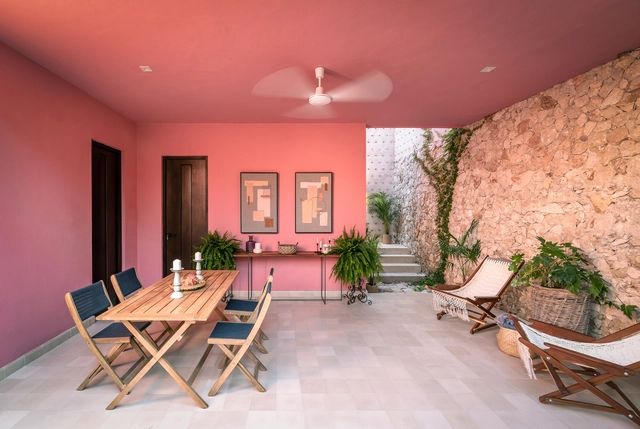
Casa Maca / Workshop, Diseño y Construcción. Image
Over the years, interior design has evolved according to the needs that arise, but above all according to the experiences it seeks to evoke in the user. In the last two years we have witnessed a radical change and a special interest in this subject because the pandemic forced us to pay specific attention to the configuration of the places we inhabit. This has brought about much more holistic designs that seek to address the wellbeing of the user, combining colours, sensory experiences, technology and natural elements that promote health.
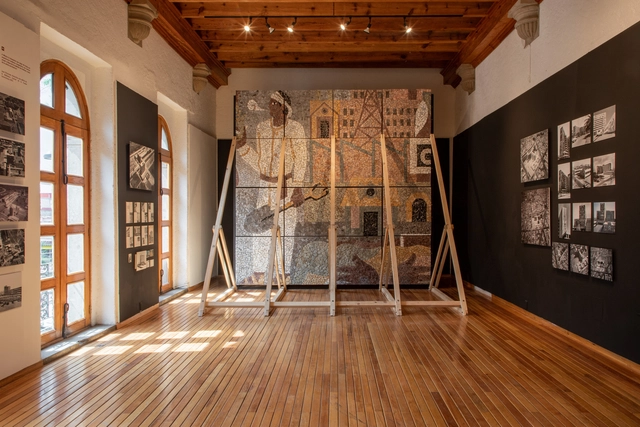
On this day 117 years ago, Juan O'Gorman—the first Mexican functionalist architect—was born, whose work marked a turning point in the architectural production of his era. He trained at what was then the National School of Architecture, where he completed and integrated his studies in architecture and engineering. Considered the father of modern architecture in Mexico, O'Gorman trained in the style of Le Corbusier and the stripped purism of Villagrán, eventually evolving toward the "New Mexican Baroque" movement. His works were characterized primarily by the use of reinforced concrete, asymmetric exteriors, and a constant search for air and light.
At the end of June, the exhibition marking the end of the First Stone program opened at the National Coach Museum in Lisbon, Portugal. Initiated in 2016 by the cultural association experimentadesign, the program involved 36 architects and designers from 15 different countries, including Michel Rojkind, Álvaro Siza, Amanda Levete, Bijoy Jain, Carla Juaçaba, Eduardo Souto de Moura, Elemental, João Luís Carrilho da Graça, Manuel Aires Mateus, Mia Hägg, Paulo David, Studio MK27, Vladimir Djurovic, Claudia Moreira Salles, Estudio Campana, Fernando Brízio, Frith Kerr, Ian Anderson, Jasper Morrison, Jonathan Barnbrook, Jonathan Olivares, Jorge Silva, Michael Anastassiades, Miguel Vieira Baptista, Pedro Falcão, Peter Saville, Philippe Starck, R2 Design, Ronan & Erwan Bouroullec, Sagmeister & Walsh, Ai Weiwei, Alexandre Farto aka Vhils, Carsten Höller, Fernanda Fragateiro, Julião Sarmento, and Marina Abramovic.
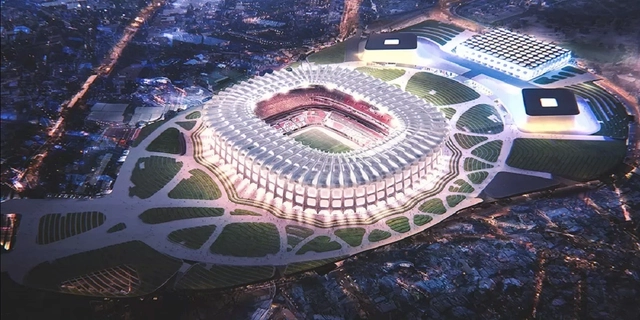
As part of the preparations for the 2026 FIFA World Cup—co-hosted by Mexico, the United States, and Canada—the remodeling proposal for Mexico City's Estadio Azteca has been unveiled. The historic venue has hosted countless milestone events over the decades and remains one of the capital's premier event spaces.
Stand Up for the Seas! is an installation designed by Rozana Montiel Architecture Studio for the exhibition Terre! Land in Sight of the Cité de l'architecture et du patrimoine in the framework of the 2nd Edition of the Biennale d'Architecture et du Paysage d'Île-de-France (Bap, 2022) in Versailles. The piece is made of recycled materials (steel, nets and soil) and invites you to walk inside a seine fishing net to experience what it feels like to be trapped. Stand Up for the Seas! is presented as a stand against the conflict of pollution of the seas.
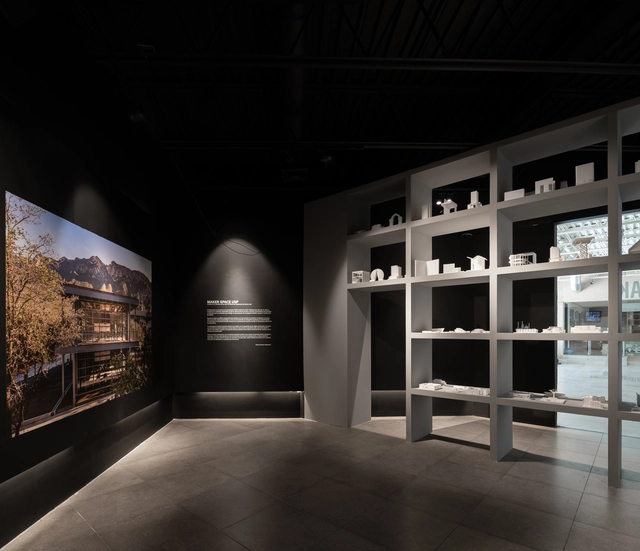
The Colegio de Arquitectos de Nuevo León presents "Folio 3" of the CANL Architecture Exhibitions, featuring the project awarded the Gold Medal at the XXI Architecture Biennial: "Maker Space," designed by architects Edna Garza and Darío Camisay of Garza Camisay Arquitectos.
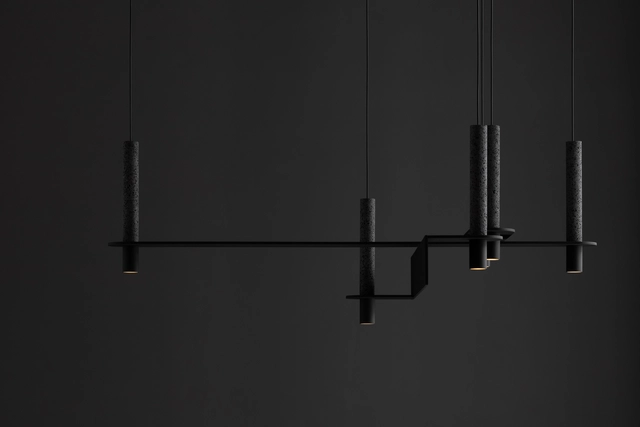
Founded in 2013 and based in Mexico City, David Pompa is a studio comprising designers, engineers, and makers established in Mexico and Austria. David Pompa grew up in both countries and studied product design in London. Over time, the studio has shown a strong interest in traditional materials and techniques, maintaining a commitment to Mexican culture since its inception—a dedication reflected in the creation of aesthetic and accessible design objects. On this occasion, they are presenting a new collection for Milan Design Week 2022 on Via Simone Saint Bon as part of Fuorisalone from June 5 to 12.
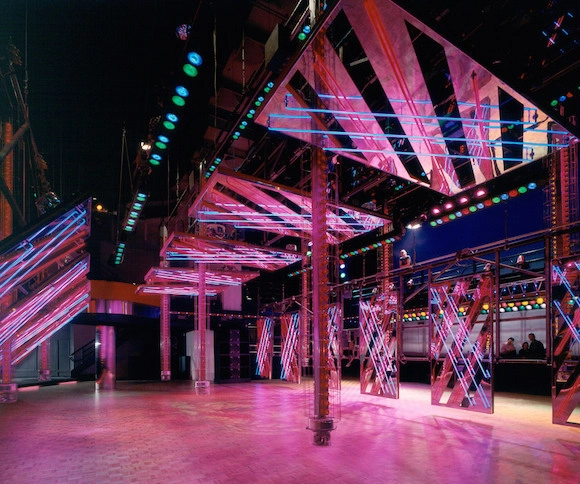
The 1970s shaped many social landscapes that endure to this day. Avant-garde design, fashion, and music are cultural hallmarks that remain in the collective imagination, none more so than the disco scene. However, when speaking of a benchmark that combined these elements and elevated them to their ultimate expression, one must inevitably talk about Studio 54.
Over the years, interior design has evolved according to the needs that arise, but above all, according to the experiences it seeks to evoke in the user. Over the last two years, we have witnessed a radical change and a special interest in this subject because the pandemic forced us to pay specific attention to the configuration of the places we inhabit. This brought about much more holistic designs that seek to address the wellbeing of the user, combining colours, sensory experiences, technology and natural elements that promote health.
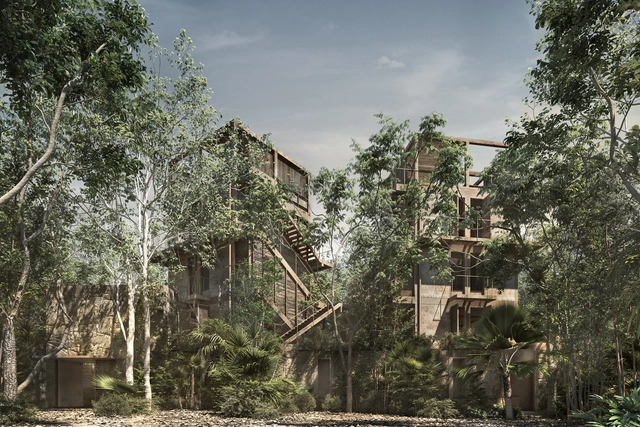
Tulum is a region located in southeastern Mexico, within the state of Quintana Roo, specifically on the coast of the Caribbean Sea, and is part of the Riviera Maya. Historically, Tulum was a walled city; its name, which means "wall" in Mayan, arose when the settlement was already in ruins.
The exhibition "Intervención / Intersección," curated by Su Wu at the Rockefeller Center, reflects on the history of intellectual and creative porosity between Mexico and elsewhere. This is MASA's first exhibition in New York, featuring functional works by prominent Mexico-based designers, architects, and artists alongside canonical artworks that themselves suggest what artists have long sought in the country.
The results of the Design Educates Awards 2022 have been announced. These annual awards recognize the best projects that address complex social and environmental contexts while offering educational value. The awards seek out designs that will have a lasting impact on users and the environment, highlighting the world's best ideas and realizations that can educate.
sandra_pereznieto.jpg?1653274351&format=webp&width=640&height=580)


.jpg?1653495822&format=webp&width=640&height=580)
