Karina Zatarain

BROWSE ALL FROM THIS AUTHOR HERE

CEMEX Announces 2017 Mexican Premio Obras Finalists

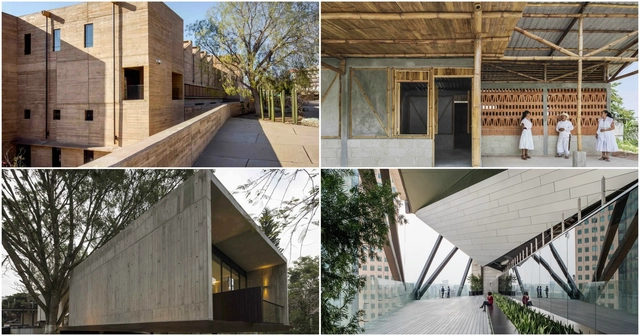
Held annually, the CEMEX Building Award honors the best architecture and construction both in Mexico and abroad. Yesterday the cement company announced the finalist projects located in Mexico, and in categories ranging from social housing to infrastructure. Each project will be evaluated by a jury convened by CEMEX; the qualities to be evaluated include integrated sustainability, architectural design, structure and innovation in the construction process.

Below see the full list of finalist projects located in Mexico. 
Mexican Cultural Heritage and New Technology Come Together in Interactive Chair

Subscriber Access | 

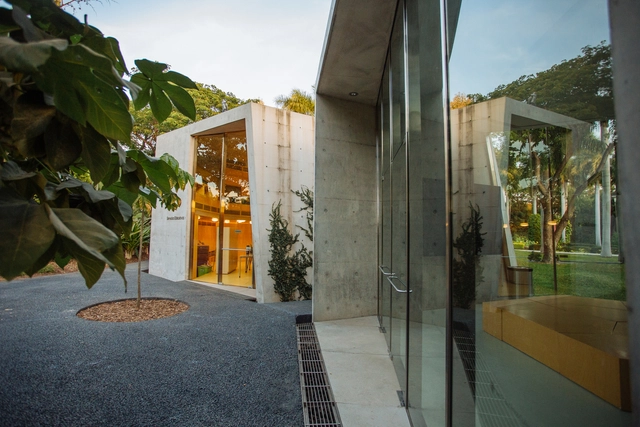
The most recent Project by Okubo Studio is the Fulgar Chair, mixing traditional Mexican design with interactive technology and design to create a new piece of furniture with lights and personality. The Acapulco chair is emblematic of Mexican culture, which radically transforms not just its materials but its utility and environment.

A Success Story of Architecture and Art in One of Mexico's Most Violent Cities

Subscriber Access | 

What becomes of public space once violence is normalized in a city? Though it is naive to believe that architecture by itself can present absolute solutions to complex social and political issues, it is also important to explore and understand its possibilities as an agent of social change, however small.

7 Abandoned and Deteriorating Latin American Architectural Classics

Subscriber Access | 

How many lives does a great work of architecture have? The first begins when it is built and inhabited, judged based on the quality of life it provides for its residents. The second comes generations later when it becomes historically significant and perhaps its original function no longer suits the demands of society. The value of such buildings is that they inform us about the past and for that reason their conservation is necessary.

However, in Latin America, there are countless cases of buildings of great architectural value that are in tragic states of neglect and deterioration. Seven such examples are:

Are Luis Barragán's Ashes More Important Than His Life's Work?

Subscriber Access | 

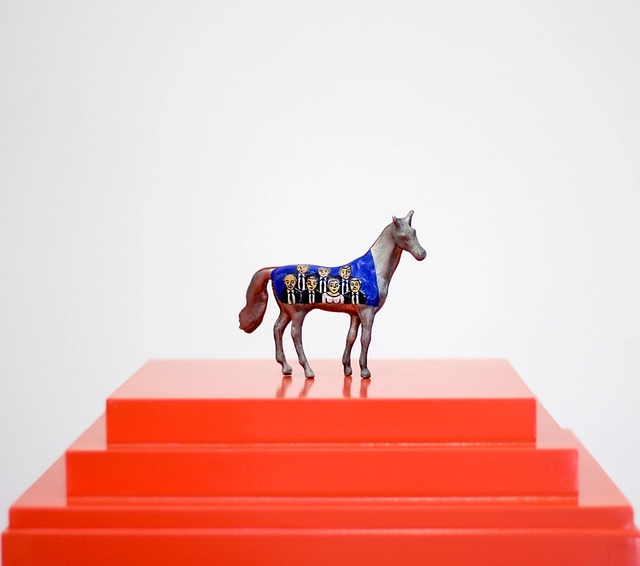
In a somewhat poetic proposal, Jill Magid, the American artist, offered Federica Zano, owner and archivist of the Barragan Foundation in Switzerland, a two-carat diamond ring made from ashes from Barragan’s cremation, in exchange for returning Barragan’s professional archive to Mexico.

This gesture was the pinnacle of an art project that “posed fundamental questions about the consequences and implications of converting cultural legacy into private corporate property.” Magid’s work, titled “A Letter Always Arrives at its Destination,” held an exhibition at the University Museum of Contemporary Art at the UNAM.

Biking Through Denmark: Highlights of Copenhagen's Architecture Festival

Subscriber Access | 

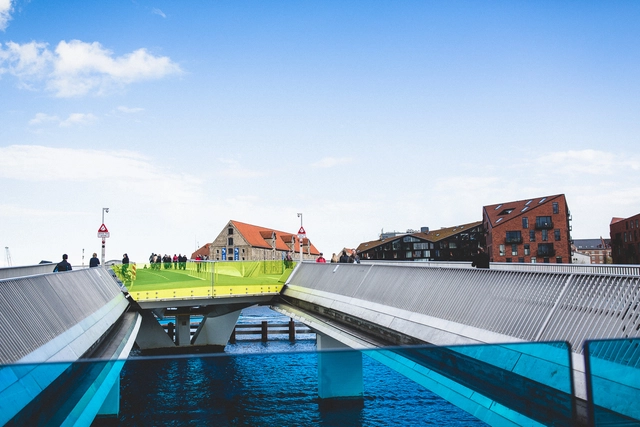
This year's Copenhagen Architecture Festival (CAFx) offered a wide range of activities, from film screenings to exhibitions on the future of social housing. The festival's fourth edition took place over 11 days and featured more than 150 architectural events in Copenhagen, Aarhus, and Aalborg.

Festival Director Josephine Michau explained that since its first edition, the intention behind CAFx was to bring many local agents together in order to build new dialogues around architecture. As a society, how do we identify with architecture? What values do we ascribe to it? These questions were part of this edition's overarching theme: "Architecture as identity."

BIG Changes on the Horizon for Bjarke Ingels and His Firm

“The greatest thing about being an architect,” pronounced Bjarke Ingels, “is that you build buildings.”

What can Latin America Learn From WOHA's Green Skyscrapers?

Subscriber Access | 

WOHA's first exhibition in Latin America, Garden City Mega City: WOHA's Urban Ecosystems presents over two decades of WOHA's international designs. With its inauguration at the Museum of the City of Mexico during the MEXTRÓPOLI International Festival of Architecture and City, the exhibition proposes the introduction of biodiversity and lively public spaces into vertical, climate-sensitive highrises within megalopolises.

The exhibition features sixteen intricate architectural models, an immersive video installation and large-scale drawings and images that show WOHA's proposals for vertical communities in the tropical megacities. PLANE-SITE documented the exhibition's opening along with the points of view of various MEXTRÓPOLI contributors and city officials.

WOHA On Why High-Density Living Doesn't Mean Sacrificing Nice Things

Subscriber Access | 

As part of the MEXTRÓPOLI festival in Mexico City early last month, Singapore-based firm WOHA debuted their first exhibition in the Latin America, GARDEN CITY MEGA CITY. WOHA's architecture introduces biodiversity into public spaces, turning high-rise courtyards and hallways into teeming community assets. In this exhibition, the architects show how their work has addressed both climate change and the social challenges that occur as a result of rapid (upward) urban development.