Videos
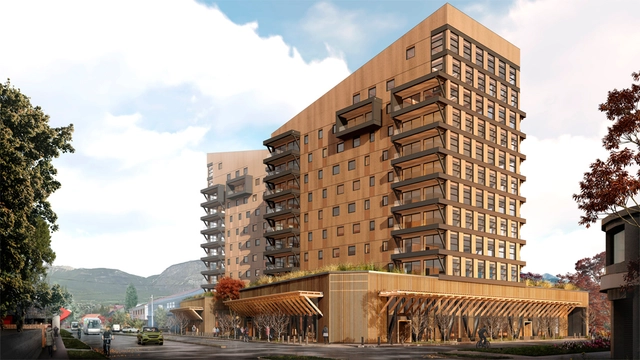
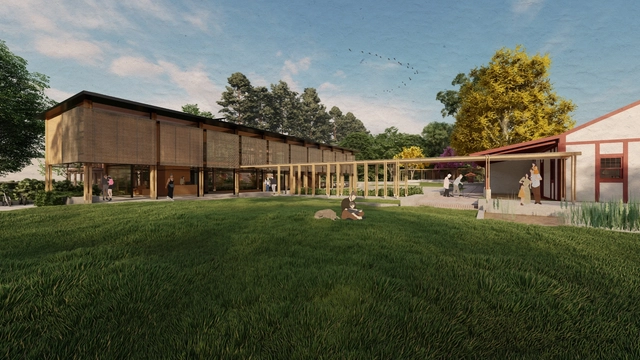
‘Proyecto Tamango’ de Tallwood Architects, un ejemplo de los desafíos y oportunidades de la construcción en madera en Chile. Image Cortesía de Tallwood
The recent arrival of the Minergie certification in Chile is overseen by EBP Chile. This effort includes training Chilean professionals in this Swiss low-energy building standard, alongside the recent granting of provisional certification to the Covarrubias Hernández House in Lliu Lliu, Limache, designed by Murillo+Toro Arquitectos, and the Burgos Net Zero Building, developed by Cristián Izquierdo together with Tecton Inmobiliaria.
https://www.archdaily.com/1135914/the-swiss-sustainable-building-certification-minergie-advances-in-chile-through-4-projectsArchDaily Team
Architects and urban planners across the country will participate in a national election this Monday and Tuesday, October 16 and 17. More than 200,000 professionals in the field are set to choose 402 state councilors for the Councils of Architecture and Urbanism of the States and the Federal District (CAU/UF) and 28 federal councilors for the Council of Architecture and Urbanism of Brazil (CAU/BR) – one from each Federative Unit plus one representative of Higher Education Institutions (IES).
https://www.archdaily.com/1135934/cau-election-vote-to-choose-your-representatives-on-the-council-of-architecture-and-urbanismArchDaily Team
Casa da Arquitectura and Hinterland are organizing the Por Exemplo meeting on October 13, bringing together 10 practices of young Portuguese and Spanish architects aged 45 and under for an exchange of ideas, methods, and work processes.
There is a generation of young architects who have been developing their work in a stimulating international context, driven by the pressure of the tourism market. Despite their brief experience, these professionals have mastered digital tools, but they navigate a highly competitive and continuously accelerating world.
https://www.archdaily.com/1135980/for-example-event-brings-together-ten-young-practices-from-portugal-and-spain-at-casa-da-arquitecturaArchDaily Team
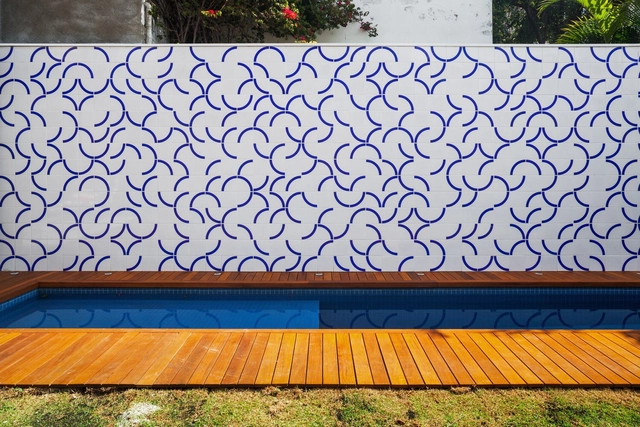
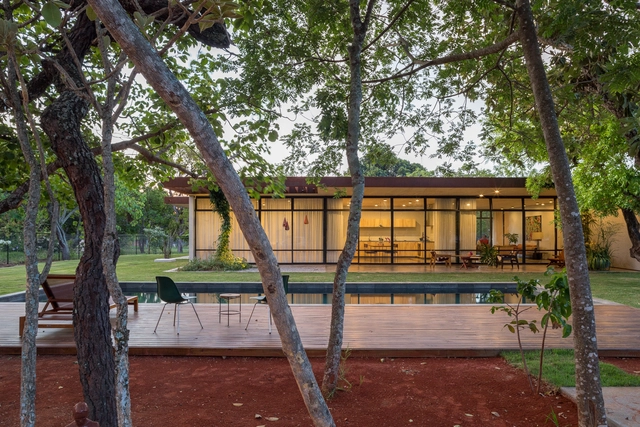
The word "deck" originated in the English language to refer to a ship's deck. Today, the term is used to describe outdoor surfaces made of wooden planks that may or may not surround pools, hot tubs, and soaking tubs. These design options can be highly diverse—so much so that a new approach has emerged in the market as a growing trend: the wet deck.
https://www.archdaily.com/1136255/wet-decks-innovating-pool-architectureArchDaily Team
More and more, the field of architecture is shifting its focus towards revitalizing existing spaces. This shift is motivated by various factors, including concerns about sustainability, cost constraints, and the scarcity of available land in rapidly expanding urban areas. It presents an opportunity not only to renovate buildings but also to engage with the layers of time. This intricate task involves fostering a dialogue between contemporary and historical materials, acknowledging traditional construction techniques, and even uncovering hidden aspects of history and geography within the built environment to create truly unique architectural experiences.
https://www.archdaily.com/1007028/architecture-with-history-7-brazilian-houses-that-respect-the-layers-of-timeArchDaily Team
Sesc 14 Bis. Photo: Matheus José Maria/Courtesy of Sesc
The Social Service of Commerce (Sesc) offers a wide range of activities in culture, sports, leisure, education, health, and social assistance. Since 1946, the institution has also played a fundamental role in architecture, delivering buildings with innovative approaches that prioritize community integration. Renowned architects like Lina Bo Bardi and Paulo Mendes da Rocha have designed iconic projects like the Pompeia and 24 de Maio centers, demonstrating how spatial design can transform and revitalize urban areas while establishing cultural and social landmarks. São Paulo will welcome 12 new centers over the next decade, the first of which—Sesc 14 Bis—opens this week.
Besides denoting a show of careful thought, in architectural terms, the word ‘considerate' also suggests an emotional and perhaps even empathetic approach. And why shouldn't it?
Good architecture can and should be considerate—in all the varied ways the word embodies. While it could start off with the motivation to do good and require an initial moral approach, this sensibility, combined with a meticulous knowledge of individual/communal needs and transparent communication, generates a well-adapted, and accessible built environment that can promote growth.
https://www.archdaily.com/989415/good-architecture-is-considerateArchDaily Team
Living in a tropical country means cherishing outdoor experiences, whether feeling the gentle breeze, connecting with nature, or basking in the sunlight. We have grown up with a cultural tradition of playing in our yards, gathering with family and friends on balconies, enjoying barbecues, or simply admiring the beautiful landscape. Numerous Brazilian residences integrate wooden decks for these purposes. They are versatile spaces that fulfill various functions.
In Porto Alegre, the building of the Iberê Camargo Foundation; in the city of Porto, the office of Álvaro Siza, the architect and author of the celebrated project for the institution's headquarters, inaugurated in 2008. Throughout 70 minutes, the documentary "Paisagem Concreta" or Concrete Landscape navigates between these two ports.
https://www.archdaily.com/1007293/concrete-landscape-alvaro-sizas-documentary-is-available-for-streaming-nowArchDaily Team
The results of the National Wood Architecture Prize - PNAM’23 have been announced. In its seventh edition, the award recognized a winning project and two honorable mentions in “Sustainability and Circular Economy” and “Material Typology.”
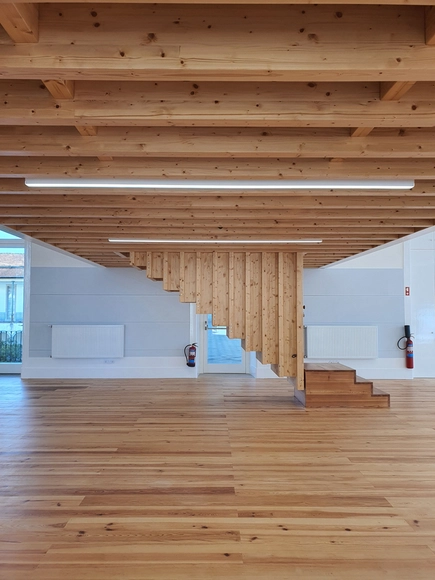
The top prize was awarded to the renovation of Sala Projeto I - Colégio das Artes at the University of Coimbra, designed by architect Paulo Providência, with carpentry by Veiga Lopes, S.A., Carpinlux, and Brito Móveis. The University of Coimbra was the institution responsible for executing the project.
https://www.archdaily.com/1136007/meet-the-winners-of-the-national-wood-architecture-award-pnam23ArchDaily Team
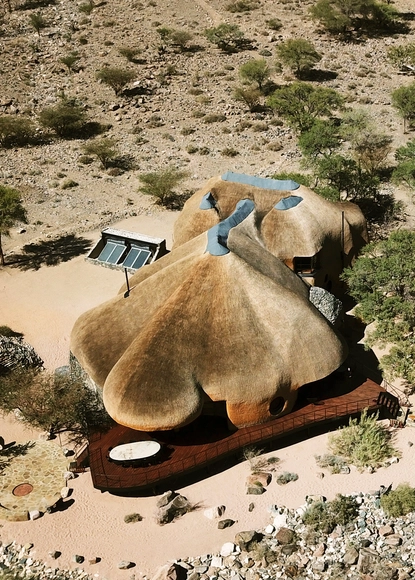
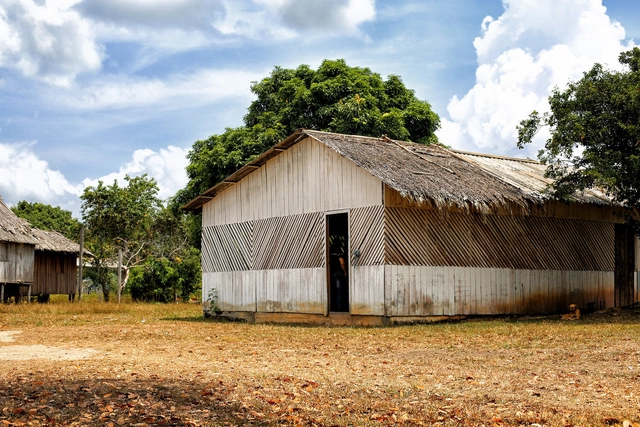
Nowadays, when we imagine enclosed spaces, concrete slab roofs often come to mind. However, the use of concrete in construction now raises concerns due to its documented contributions to climate change and environmental harm. In response, it is necessary to incorporate vernacular and traditional techniques into our architectural toolkit. In this context, natural coverings emerge as an excellent solution. Despite their alignment with numerous desirable project attributes, these materials, which have sheltered humans for centuries, are still underutilized in contemporary construction. Natural roofs offer biodegradable materials, making them a more sustainable option with an aesthetic appeal and enhanced thermal comfort.
Conceição do Igarapé do Lago do Maracá Quilombo - Amapá 09/17/2017 - Meeting and dining space for the community. Photo: Anderson Menezes/Amazônia Real. Via Flickr. CC BY 2.0 License
Applications are now open for the Heritage Education Projects call launched by the National Institute of Historic and Artistic Heritage (Iphan). The initiative will provide R$ 2 million to establish partnerships between Iphan, civil society organizations, and public entities at all levels of government, which can submit proposals ranging from R$ 200,000 to R$ 250,000. Applications are open until September 25.
https://www.archdaily.com/1135988/iphan-launches-reais-2-million-call-for-proposals-for-cultural-heritage-education-projectsArchDaily Team
The firm Solss Arquitetura was awarded first place in the national competition Iconicidades, organized by the State Government of Rio Grande do Sul and launched in April this year. The initiative sought to select the best proposals for transforming public spaces into hubs that foster the creative economy in the cities of Pelotas, Rio Grande, Santa Maria, Cachoeirinha, and São Leopoldo.
The firm won the competition in São Leopoldo, which aimed to choose the best revitalization project for the Casa da Feitoria and the Immigrant Museum, preparing the site for the bicentennial celebrations of German immigration in Brazil. Discover the project below:
https://www.archdaily.com/1136008/solss-arquitetura-wins-competition-for-the-requalification-of-casa-da-feitoria-and-the-immigrant-museum-in-sao-leopoldoArchDaily Team
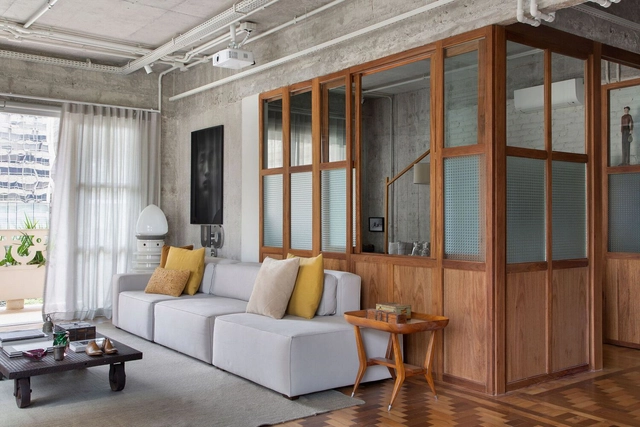
Today, we are increasingly aware of the environmental harm caused by building with concrete. One approach to using it more sustainably is to repurpose existing buildings, exposing their structural elements and integrating concrete into the surface. While concrete can sometimes give off an austere or overly cold vibe for a residential space, wood provides an alternative to soften this impression, transforming what might seem industrial into a warm and inviting home environment. By doing so, they can impart distinct qualities to the same space through the interplay of their textures and colors, evoking different sensations in occupants. There are various ways to explore the interaction between these materials, and we illustrate some of these possibilities through six Brazilian apartment examples.
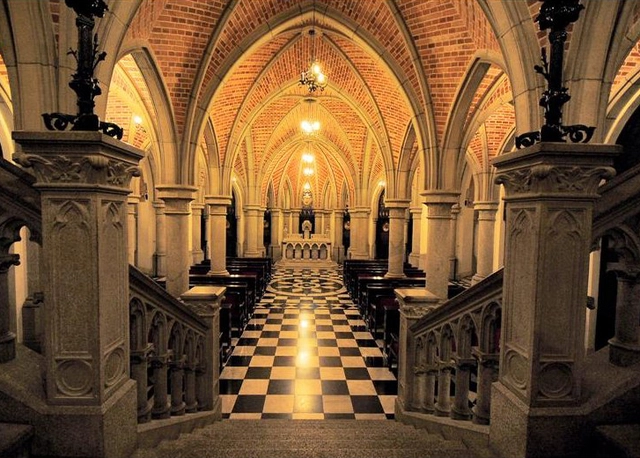
Crypt of the São Paulo Metropolitan Cathedral. Image: Tatiana Sapateiro from São Paulo, Brasil, CC BY 2.0 , via Wikimedia Commons
Pointed arches, ribbed vaults, stained glass, finials, rose windows, and intricate decorative details. These are some of the elements that define Gothic architecture, a movement that emerged and flourished in Europe from the 10th to the 15th centuries. In Brazil, these features were adopted much later, within a revivalist context known as Neo-Gothic. This historical revival is primarily reflected in grand churches and select historic buildings. While the tropical nation does not boast as many works as the European continent, architecture expressing these ideals can be found from north to south.
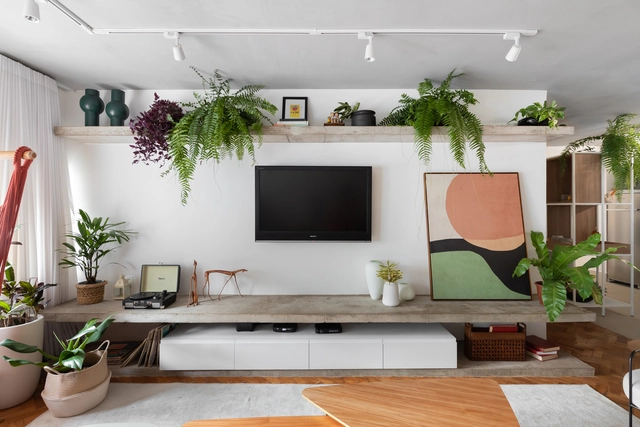
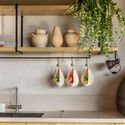
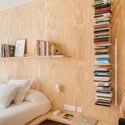
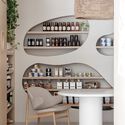
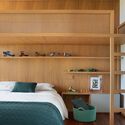
Shelves are incredibly versatile furniture items that are vital in organizing, decorating, and maximizing efficiency in various spaces, including homes, businesses, and industries. Crafted from a wide range of materials and available in numerous designs, shelves enhance compact environments by adding flexibility and easy access. With this in mind, we've compiled suggestions to elevate these ubiquitous solutions — temporary additions or integrated architectural features — into prominent elements within interior design.
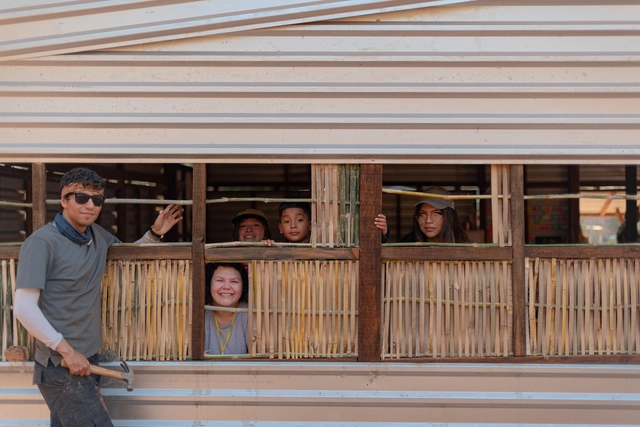
Between April 2 and 16, students from Latin America, together with architects, worked on the analysis, design, and construction of public infrastructure for the city of Suchitoto in El Salvador, within the framework of the XIX Latin American Social Workshop (TSL).
Since its first edition held in Barranquilla in 2002, the TSL has annually brought together public and private entities, university students, architects, professors, and members of Latin American civil society to develop practical architectural exercises with a strong community and local focus. This year, the XIX TSL was led by the Latin American Coordinator of Architecture Students (CLEA) and the local organization, the National Association of Architecture Students of El Salvador (ANEA).
The following is the work produced by the workshops led by architects from El Sindicato, Taller Bugambilias, Taller de Tierra, Colectivo Hormiga, ACCIÓN, Laborateca, Sen Sos Hábitat, Alejandro Alcázar, and Coonvite:
https://www.archdaily.com/1136241/discover-the-four-projects-built-at-the-latin-american-social-workshop-el-salvador-2023ArchDaily Team
Earthy tones, from those used in traditional vernacular constructions to contemporary interior design trends, are instrumental in crafting inviting, organic, and harmonious environments. These tones encompass a spectrum of shades reminiscent of natural elements such as earth, clay, sand, and stone, fostering a deep connection with nature. They are readily available in various construction materials, paints, and coatings, allowing for captivating texture combinations. In the following section, you'll find inspiring projects that exemplify the potential of these color palettes.