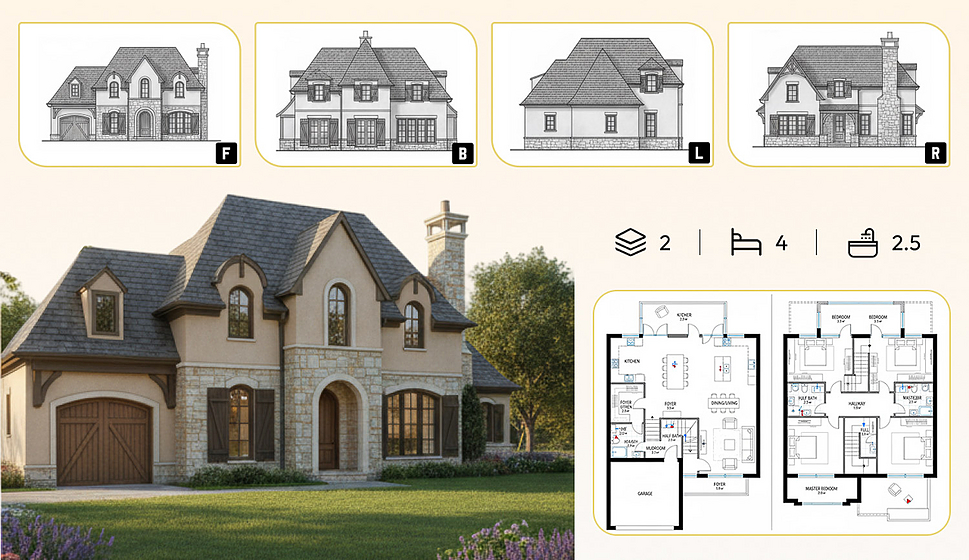
This guide covers a workflow that moves from project parameters to generated floor plans, 3D perspective views, exterior design exploration, and site context visualization, using AI tools in place of preliminary CAD and rendering work.
This guide covers a workflow that moves from project parameters to generated floor plans, 3D perspective views, exterior design exploration, and site context visualization, using AI tools in place of preliminary CAD and rendering work.
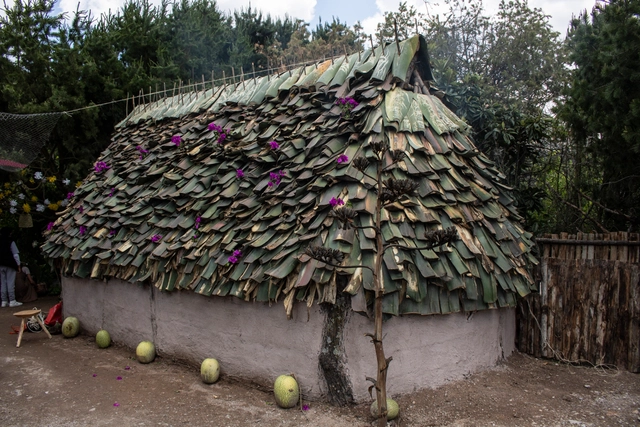
Today, understanding the properties of materials used in vernacular construction is essential to ensuring a better quality of life and spatial habitability, both of which have evolved alongside new technologies in the market. Spatial design now represents a commitment to the natural environment and, consequently, to improving quality of life.
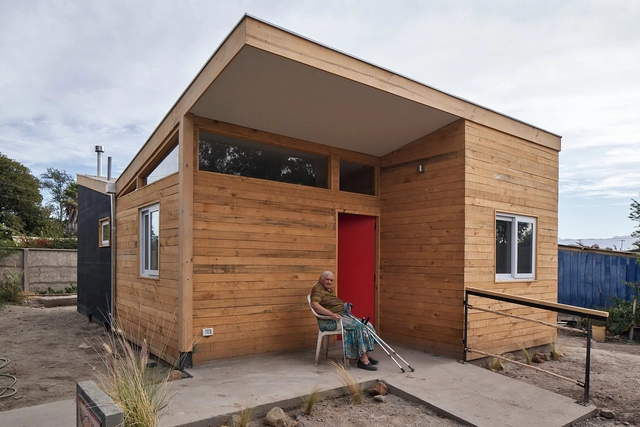
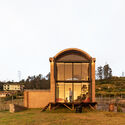
Throughout its history, CHC has participated in and supported social projects that improve the quality of life of their residents, while constantly seeking to establish new and better standards that contribute to the construction of spaces. In this particular case, the project led by architect Jaime Ovando integrates public funds through Chile's Habitabilidad Program and the Illustrious Municipality of Paine, along with private contributions from building material companies, the architecture firm, and the construction company, including CHC.
Thinking about the present and future of older adults is essential to improving the population's quality of life. According to the United Nations study on world population prospects, by 2050, it is estimated that 32% of Chile's population will be over 65 years old. According to data from the 2017 National Socioeconomic Characterization Survey (CASEN), 22.1% of older adults in the country live in multidimensional poverty. The connection between architecture and social commitment develops a strategy to combat vulnerability in this demographic.
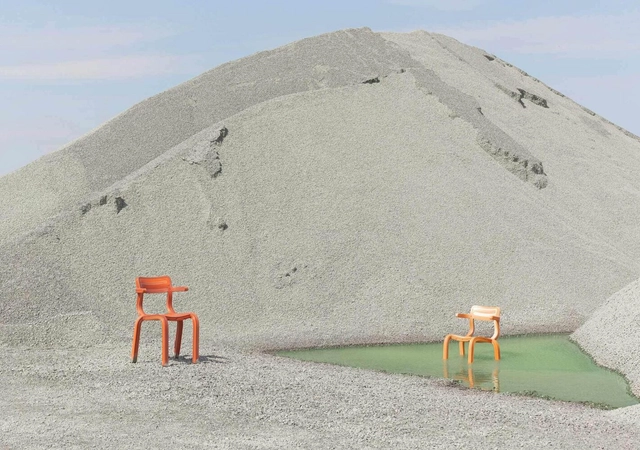
The construction industry is one of the largest producers of pollutants and waste globally in its daily operations. To put this into perspective, in the mid-1990s in Great Britain, construction processes generated nearly 10 million tons of post-industrial waste. Approximately a decade ago, over 3.5 billion new bricks were used annually, while around 2.5 billion were demolished; of that total, only about 140 million were reused, with the rest sent to landfills.
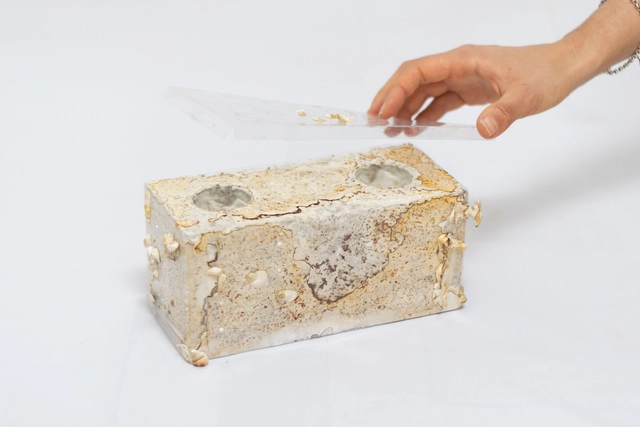
Although the construction industry has spent years making strides in new fields such as biomaterials, nanotechnology, and 3D printing, it simultaneously remains one of the slowest to adopt new technology. Many of these innovations never progress past the experimental stage. How can this situation be reversed?
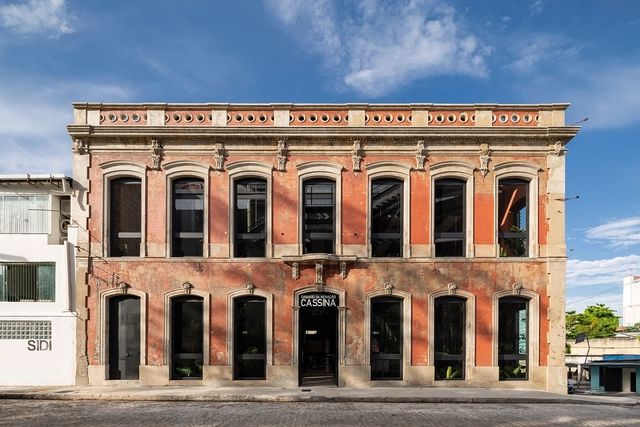
In November 2022, the Network of Latin American Architecture Biennials REDBAAL will mark its first ten fruitful years, celebrating this milestone by launching the Fourth Edition of the Oscar Niemeyer Award for Latin American Architecture, the prestigious ON-04 Prize. This August, the jury's decision was announced, revealing the top three winners and recognizing the work of architects from Brazil and Mexico.
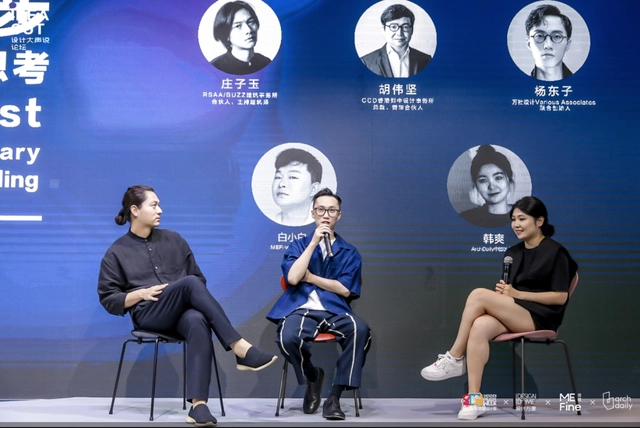
The 2022 Shenzhen Creative Home Design Week (hereinafter referred to as "Design Week") has successfully concluded. Against the ongoing backdrop of the pandemic, ArchDaily partnered with MEFine to present a themed design forum, "One Step Ahead: Contemporary Reflections on Dwelling." Hosted as part of "Design Out Loud"—a forum series dedicated to design and creativity curated by Design Dome—the event has successfully come to a close, leaving behind a wealth of memorable insights.
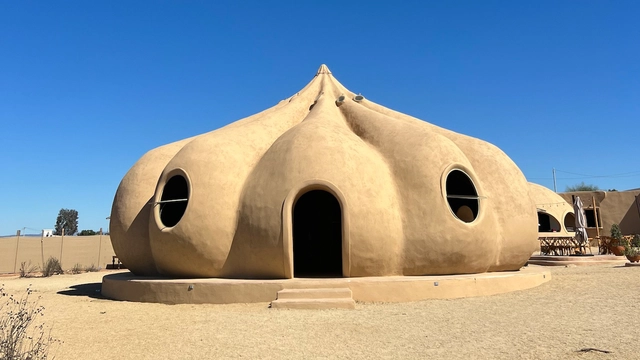
Featuring a spectacular amorphous structure, Bloodlust Wine Bar is located in Ejido El Porvenir, in the heart of Valle de Guadalupe, Baja California, Mexico. Its origins date back to late 2019, conceived by the vision of Juliette Cheanne, Poncho Muriedas, and Yuri Muriedas—three highly creative minds with a single shared mission: to bring to life a gastronomic space that, in addition to featuring an inimitable architectural facade designed by surrealist illustrator Jaime Zuverza, would offer an immersive auditory and visual experience to all who visit.
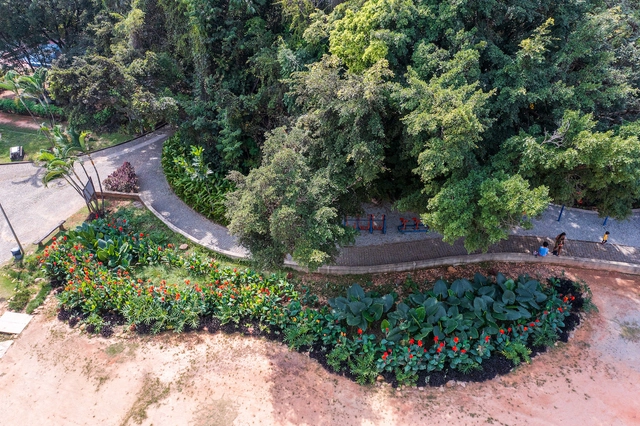
Nature-based solutions (NBS) have become widely recognized as efficient approaches for adapting cities to the climate crisis and mitigating increasingly frequent disasters. Projects such as rain gardens, linear parks, hillside restoration, and urban agriculture help make cities more resilient to extreme weather events, while generating additional benefits for society, the economy, and the environment.
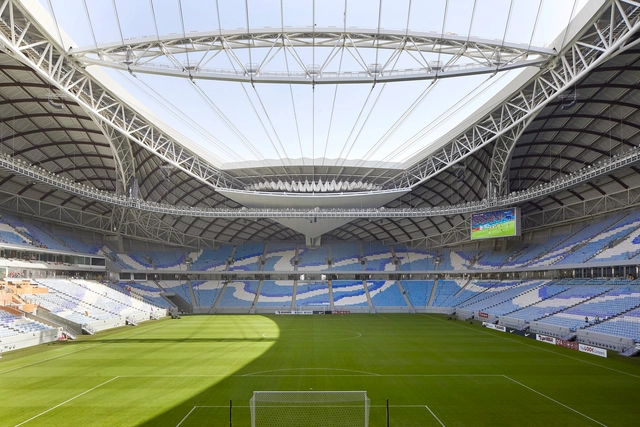
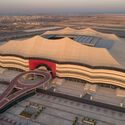
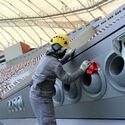
The World Cup will take place between November and December. This scheduling is due to the fact that average temperatures in the host nation, Qatar, can soar to 40 to 50°C during June and July.
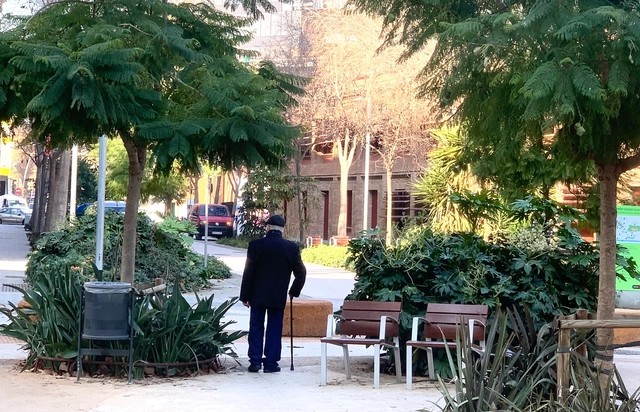
CityMakers is working with ArchDaily to publish a series of articles, conversations, and interviews with the various actors in urban co-production behind the CityMakers Barcelona Lab 2022, an event taking place from November 14 to 18. For this edition, Víctor Torres, an architect with a Master's in Territorial Planning and Environmental Management from the University of Barcelona, presents his article "Renaturalizing the City from the Smallest Scale: The Neighborhood."
“Domingos Libro” is presented by Carmelo of Enorme Studio, where he delves into forgotten architectural publications, books, and architectural magazines from the 60s, 70s, and 80s, which harbor the most fascinating backstories.
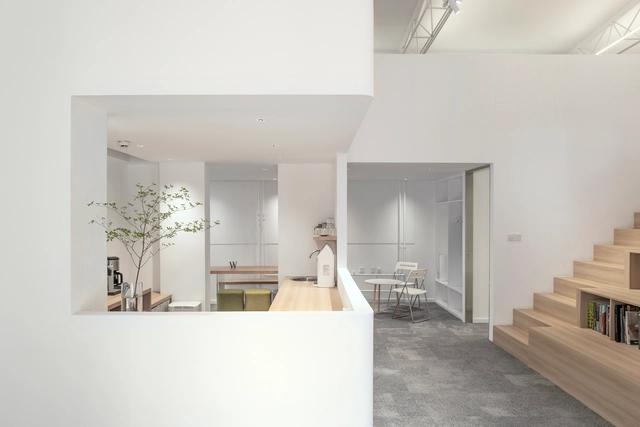
weico is a high-profile, emerging design practice founded by a group of highly experienced architects. Its scope of work encompasses architectural design, interior design, urban planning, project programming, and engineering consultancy, with a particular focus on the cross-disciplinary integration of design with technology, industry, economics, and the humanities. Led by principal architect Sun Wei (former partner of HENN China), weico, within less than a year of its inception, has secured and undertaken projects including the T3 Headquarters, Hengli International Headquarters, Hongqi High-End Customization Center, and the Phase II consultancy for the Hong Kong University of Science and Technology (Guangzhou). It has also been shortlisted for the CGN Scientific Research Base and the Bay Area University projects, garnering significant attention within the domestic industry.
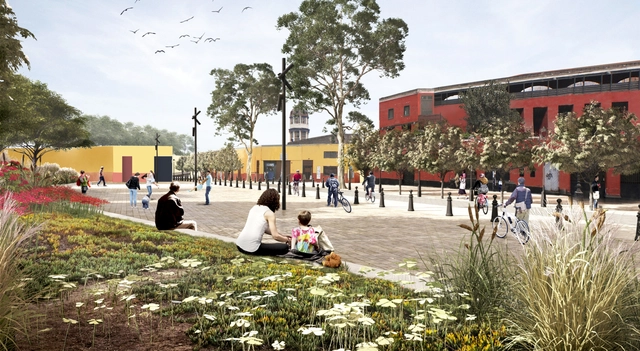
Within the context of the comprehensive recovery of the Historic Center of Lima, the Rímac River Special Landscape Project (PEPRR) is developing a proposal for the regeneration of the iconic Alameda and Plazuela de Acho. This project—together with the other 50 interventions proposed in the PEPRR master plan—aims to spark a multidimensional recovery of the riverfront and heritage environment, while simultaneously defending and strengthening the civic qualities of Lima's public spaces through a systemic approach that coordinates mobility, the urban environment, heritage, and landscape.
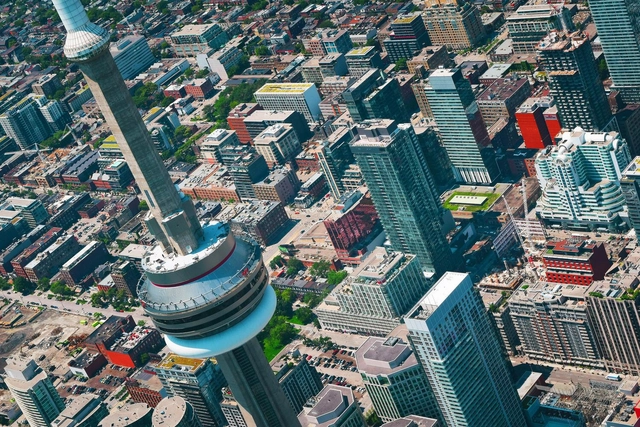
Brazil has steadily advanced the implementation of public-private partnership initiatives. The Radar PPP platform currently monitors more than 3,400 PPP and concession projects across various sectors, compared to just 625 in 2015. While public-private partnerships typically bring to mind PPP and concession contracts for public services, they are not limited to these models. A prime example is the Business Improvement District, or simply BID.
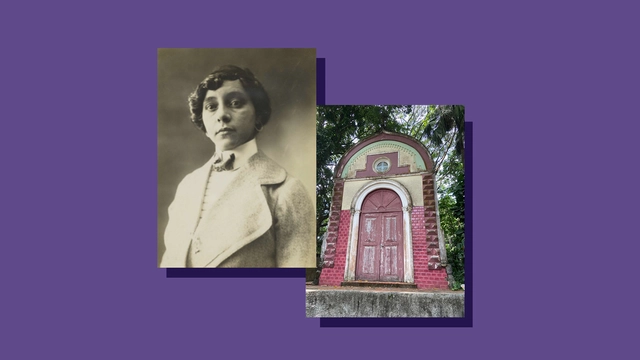
For decades, the history of Brazilian architecture has crowned male figures as its primary representatives. In recent years, however, we have seen a growing body of work dedicated to identifying female figures in this field. “Where are the women in the history of architecture in Brazil?” was, and still is, one of the questions most frequently encountered by architectural and urban historians. Often, the answer points to Lina Bo Bardi and Carmen Portinho—fundamental references, to be sure, but we might still wonder: how many other figures built their careers in this field?
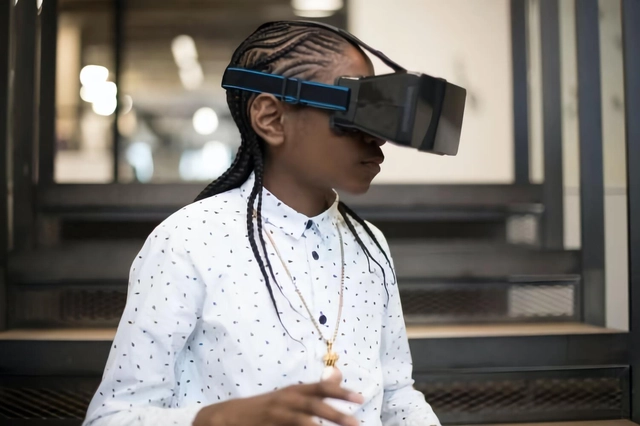
Ever since Meta CEO Mark Zuckerberg renamed his company and announced a larger investment in the so-called “metaverse,” searches for the term have surged considerably. And while it is not a new concept, the technological topics surrounding the subject have exploded in recent years.
Cryptocurrencies, NFTs, and the overall creation of a virtual economy help illustrate how the metaverse is cementing its place in our daily lives. Yet, the opportunities extend far beyond financial shifts: the metaverse is also proving to be an important space for engineers and architects alike.
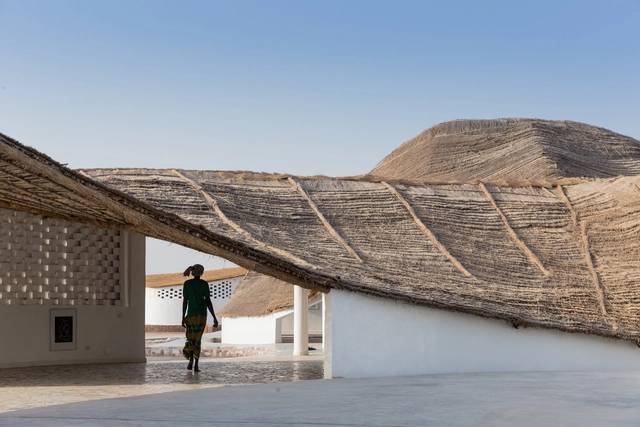
The FIFA World Cup is one of the world's largest events, bringing together fans of all nationalities. Having previously been hosted across various continents, this year's tournament will take place in Qatar, a country on the Arabian Peninsula with a population of about 2.7 million people, the majority of whom are Muslim. Alongside the host nation, 31 other countries will compete for the title of world champion.
Beyond its status as a sporting event, the World Cup is also an opportunity to observe, learn about, and experience other cultures—especially for the host country. Divided into eight different groups, the first to play, from Groups A and B, will be Qatar, Ecuador, England, Iran, Senegal, the Netherlands, the United States, and Wales. Below, explore some examples of architecture from these countries.

Founded in 2013 in São Paulo, this young transdisciplinary practice focuses on architecture, urbanism, and fine arts. Influenced by visual arts, music, theater, and everyday urban life, the firm translates these lived experiences into projects across diverse scales, briefs, and contexts.
Named after a term with multiple meanings in Portuguese—in architecture, *vão* represents the void or span between structural elements, a space to be occupied and activated by social, political, artistic, and various other interactions—the firm was founded by Anna Juni, Enk te Winkel, and Gustavo Delonero. Throughout its nearly ten-year history, it has maintained a small team, alongside occasional collaborations with friends and colleagues on specific projects.
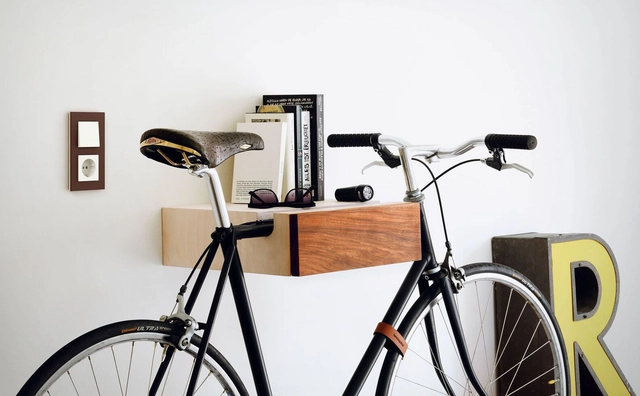
Turning a space's lights on or off is a routine part of daily life. This almost automatic action is made possible by a switch, a device designed to divert or interrupt the flow of electrical current. Given its essential role in everyday life, how can we combine a switch's functionality with aesthetic appeal?
Just as current design trends integrate exposed installations and services into interior design strategies, the new range of light switches combines functionality with an aesthetic diversity tailored to the personality of each space. Adapting to different styles relies on a combination of three factors: the choice of materials, colors, and formats. Below, we look at the available options using the GIRA catalog as a guide.

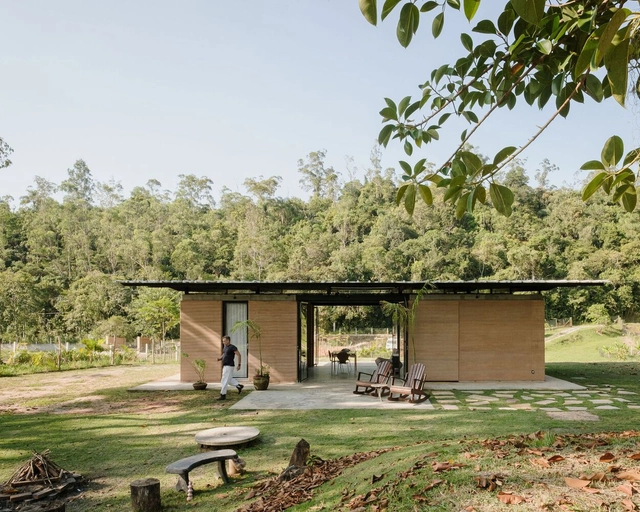
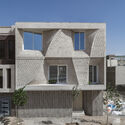
As another year comes to a close, the ArchDaily team gathers the highlights of architecture in a series of retrospectives reflecting on the content featured over the past twelve months. As part of this effort, our curation team turns its attention to one of the most popular categories among our readers, residential architecture, selecting the projects that represent the best of a vast global architectural production, as seen through the eyes of our audience.

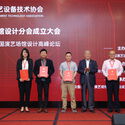
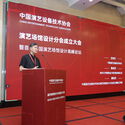
On August 28, the Inaugural Assembly of the Performing Arts Venue Design Branch of the China Association of Performing Arts Equipment Technology and the First China Performing Arts Venue Design Summit Forum were held in Beijing. Co-organized by the Architectural Design and Research Institute of Tsinghua University Co., Ltd. (THAD), the newly established branch is dedicated to fostering the integration of the cultural tourism, performing arts, and architectural design industries. By driving scientific planning, optimizing theater technology, and expanding multifunctional capabilities, the branch aims to enhance the design, construction, and operational quality of performing arts venues across China, contributing to the industry's advancement.
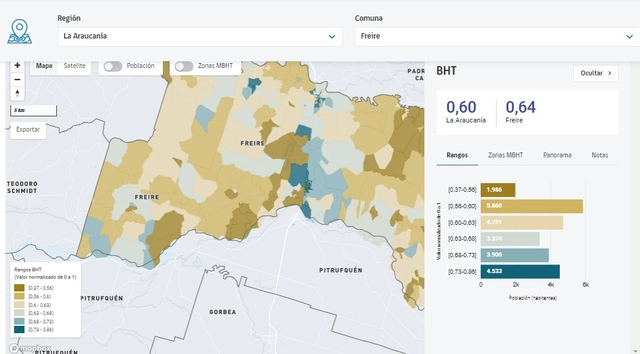
The decentralization process currently underway in Chile represents one of the major social and structural transformations of the political system in a country historically characterized by a highly centralized culture. In May 2021, with the democratic election of Regional Governors, Chile took a major step toward this goal; true decentralization, after all, occurs when decision-making capacity is transferred to local territories, redistributing power from the central government to the regions.
To support a successful decentralization process and strengthen regional governments, the Territorial Human Well-Being Matrix (MBHT) was developed. Designed by the Center for Territorial Intelligence at the Universidad Adolfo Ibáñez Design Lab (CIT.UAI.CL), the initiative is part of the “National Program for Strengthening Regional Capacities” carried out by the Undersecretariat of Regional and Administrative Development (Subdere).
This tool equips decision-making bodies with enhanced capabilities, allowing them to compare different areas, identify patterns, challenges, and opportunities to effectively implement solutions, and pinpoint the gaps and imbalances that need to be addressed.
It is well known that Australia's eucalyptus forests burn periodically. This is how the eucalyptus ensures its reproduction, as its woody fruits, known as gumnuts, feature an insulating layer that breaks open under the intense heat of a fire. Once opened, the seeds blanket the scorched soil, initiating the process of forest regeneration. Australian architect Glenn Murcutt has created a body of work deeply rooted in the country's landscape. He has designed houses engineered to withstand these frequent fires, incorporating elements that contain the flames and minimize damage. In short, these buildings are constructed from highly non-combustible materials and equipped with massive water reservoirs and a "soaking system" that allows the structure and its surroundings to survive a wildfire.
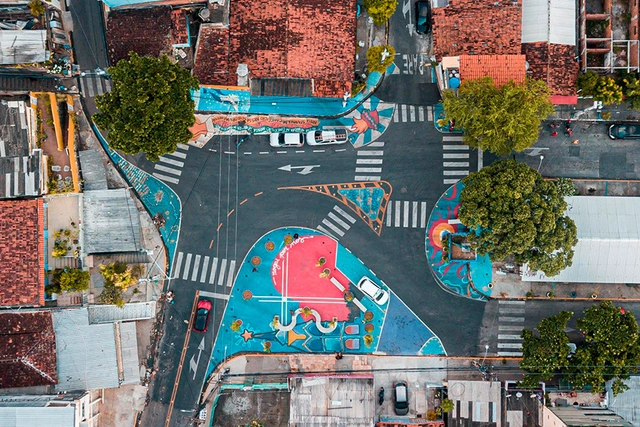
Active design and speed reduction have been transforming cities that adopt this urban planning strategy into safer, higher-quality spaces for people to walk, cycle, practice outdoor sports, and enjoy themselves.
By designing infrastructure that encourages residents of all ages to lead healthier lives, changing how they move around and experience public spaces, active cities positively impact the physical and mental health of the population, increase the appeal of these places and their economic vitality, and reduce environmental and noise pollution.