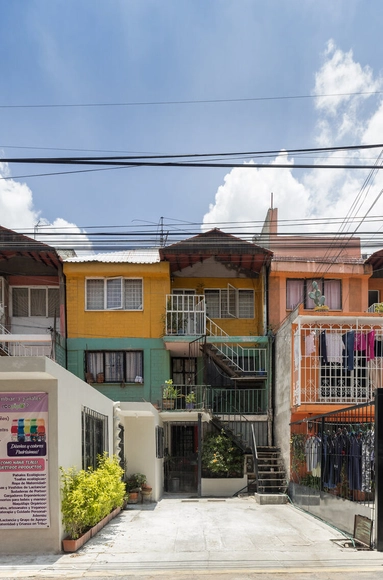
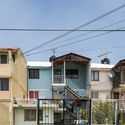
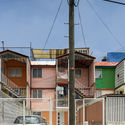
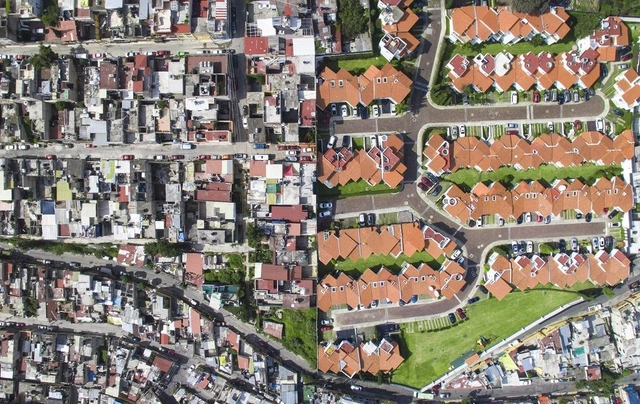
Periferia: Ecatepec de Morelos is a project by emerging photographer Zaickz Moz created to document the transformation of Mexico City's edges, while drawing attention to the aesthetics emerging in areas like Chalco, Nezahualcóyotl, and Naucalpan. Projects such as Soy de Azteca have focused on these forgotten territories, seeking to redefine the expressions of community and identity within Mexico City's periphery—a region that is increasingly blurred and constantly spilling over its geographic boundaries.
In the introduction to the book La casa es una idea, architects Llosa and Cortegana present their professional credo, drawing on several quotes from notable architectural and cultural writers. The tone of this introductory essay persists throughout the brief texts that complement the graphic presentation of 40 houses designed by the firm between 2002 and 2017. All of these were drawn specifically for this publication by José Luis Villanueva, the book's third author, who first explains his analytical work through graphic and three-dimensional representation.
Women gaining a more prominent role in the labor market is an ongoing process, reflecting major historical efforts linked to the struggle for equal rights. While this is a subject of constant discussion and revision—especially considering that the gender spectrum should not be reduced to a simple male-female binary if we are to achieve a coherent and complex understanding of disparity—the relationship between occupation types, earnings, and gender generally continues to point to unfavorable conditions for women.
While governments around the world call for “social distancing” and some of them militarize public space through violence and the shattering of collectivity, the Zapatista Army of National Liberation calls to “raise high the banner of the struggle for humanity,” to not lose human contact, and to keep social struggles alive.
COVID-19 arrived in Latin America just over a month ago. Beyond the immense challenges it presents for healthcare and hospital infrastructure, the regional context of poverty, inequality, extractivism, gender-based violence, and racism is deeply alarming, turning this economic and health crisis into a battle for human rights. If there is one thing on which all countries dealing with the virus for months have agreed, it is that the only way to curb the pandemic is by staying home and washing hands constantly. Yet, under the hashtag #ToStayHomeYouNeedToHaveOne, how can one follow these recommendations without a home for shelter? How can more than 34 million people in the continent who lack access to water wash their hands?
https://www.archdaily.com/1124192/the-pandemic-makes-visible-what-has-always-been-there-inequality-and-individualismMariana Ordoñez y Jesica Amescua
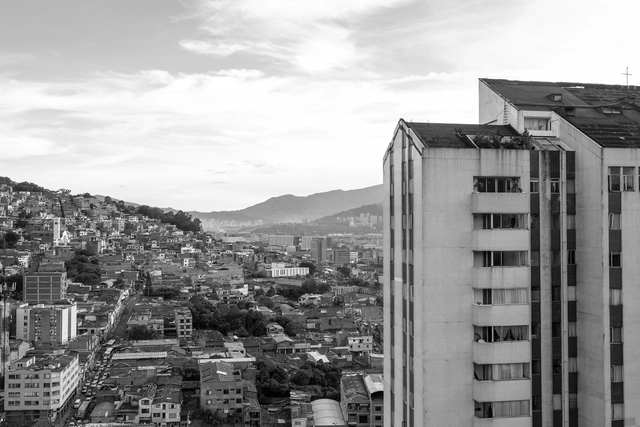
As in most cities, modern architecture left behind landmarks that endure today as exemplary icons shaping the urban landscape and defining each city's identity. One such case is the Torres de Marco Fidel Suárez, designed by architect Eduardo Arango and located in the city of Medellín. Architects and researchers Diego Andrés Agámez Berrio and Daniel Muñetón Muñetón have published a study through the Universidad de San Buenaventura and Editorial Bonaventuriana, investigating the architectural and design compositions of this landmark *paisa* project.
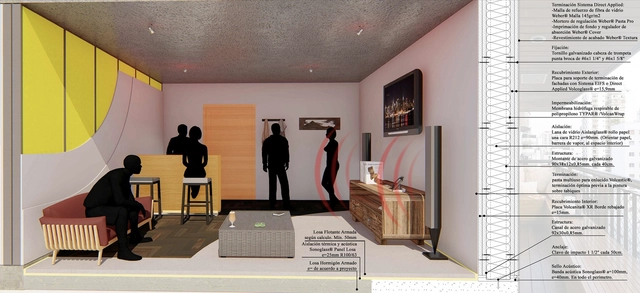
The concern with creating acoustically comfortable environments is not exclusive to concert halls and recording studios. Noise levels generated by various activities can be disruptive, particularly when they occur in our places of rest, potentially even becoming harmful to health.
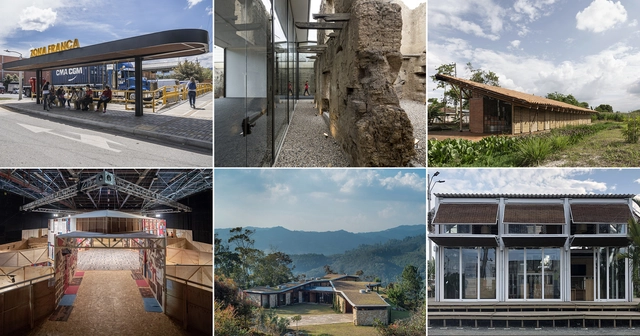
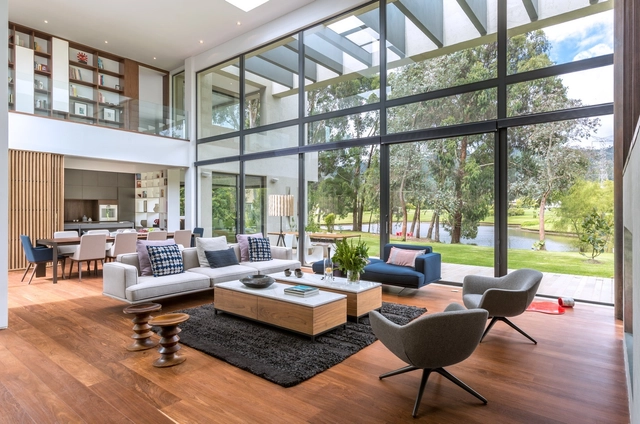
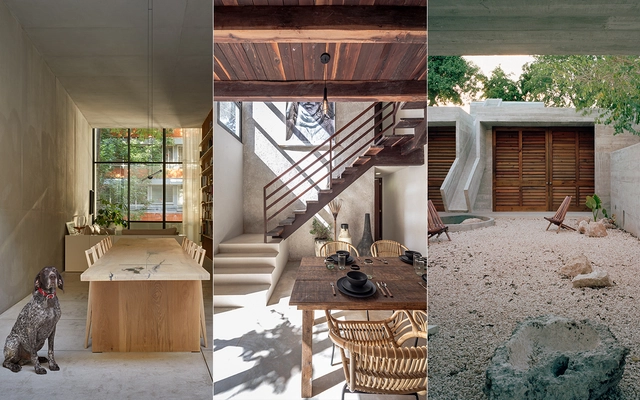
Colombia's most prestigious architectural event has announced the results of this year's selection. The Colombian Society of Architects (SCA) has nominated 118 entries across 9 distinct categories for the XXVII Colombian Biennial of Architecture and Urbanism: Interior and Ephemeral Architecture, Urban Design and Landscape, Publications and Dissemination, Social Habitat, Heritage Intervention, Research and Criticism, Urban and Territorial Planning, Architectural Design, and Single-Family, Duplex, or Triplex Housing. The jury, comprising Enrique Norten, Adib Cure, Gloria Serna, Hernando Vargas Caicedo, Ricardo Navarrete, Hildelgard Vásquez, Alberto Saldarriaga, Gilma Mosquera, and Doris Tarchopulos, will select a winner for each category, from which the National Architecture Prize will be awarded.
The world is changing; it always does, only faster and faster. With it, our profession as architects is also changing, and new market horizons are opening up before us. A new definition of what it means to “be an architect”—one that is both necessary and long-awaited by many—is beginning to take shape, and in this article, I want to help open your eyes so you can join this exciting movement of independent architects.
https://www.archdaily.com/1124194/the-physical-and-digital-future-of-architectsCaterina De La Portilla
Architecture impacts the context in which it is built. However, the user experience ultimately unfolds within interior spaces. Great figures like Rogelio Salmona and Antonio Gaudí conceived their works across the entire architectural spectrum, ensuring that even the finest finish details were integral to the experience.
The latest episode of Arquicast discusses the award-winning and groundbreaking South Korean film Parasite (2019). Director Bong Joon-ho invites us to reflect on the realities and stigmas of a social climate that, despite focusing on a specific culture, is representative of diverse urban contexts, such as those found in South America. Class struggle, after all, is a defining characteristic of modern societies, directly reflected in the spaces they inhabit. In this sense, *Parasite* offers a masterclass on how structural inequalities shape the quality of our built environment.
In a year defined by physical distancing, social media has taken on an even greater role in how we connect and stay informed. Our Instagram accounts have surpassed all previous reach records, bringing our audience the very best of what we publish on our website: projects, articles, interviews, and news from the architectural world, inspiring new ideas and tools for a better future for our cities.
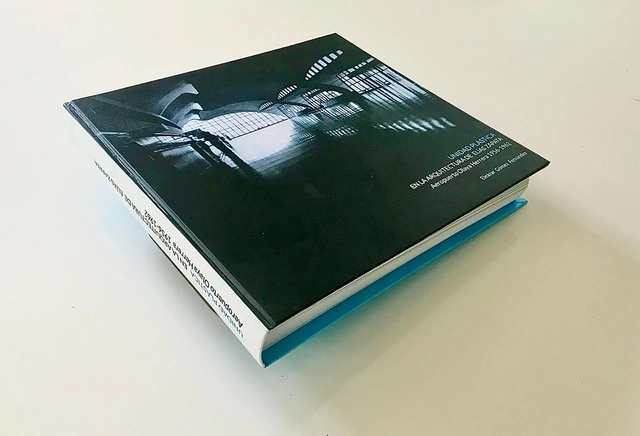
Carátula tesis. Image Cortesía de Eleázar Gómez Fernández
Every architecture school has its canonical local landmarks. For students in Colombia, one of the most easily recognized is the Olaya Herrera Airport in Medellín by Elías Zapata Sierra, an undeniable yet understudied icon. Architect Eleázar Gómez Fernández (Universidad Nacional de Colombia) presents this master's thesis, published in the Digital Library of the Universidad Nacional de Colombia.
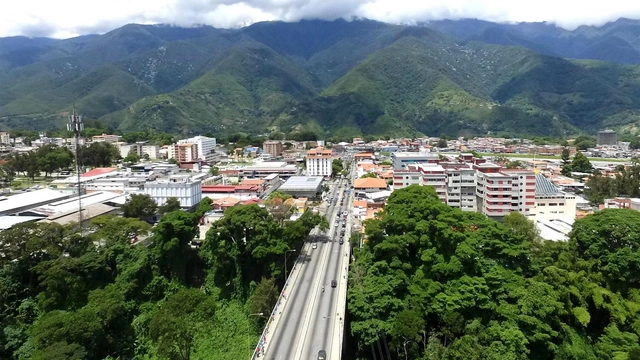
On Friday, September 25, the first Digital Event organized by ArchDaily took place, sponsored by Crest and Panel Rey for the Mérida-based architectural community. During the event, David Basulto (founder of ArchDaily) and Vanessa Vielma (Director of ArchDaily Mexico) gave a talk on the platform's history and shared relevant data specific to this context.
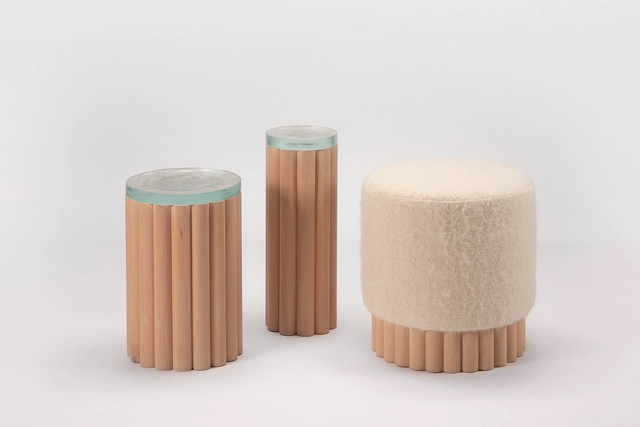
PECA design studio—led by Mexican architect Caterina Moretti—launches its new collection titled "Loto," crafted from beech wood, fused glass, and wool. It features two side tables with tops made of recycled glass fused in Tlaquepaque—providing the transparency needed to appreciate the interior of the pieces—and a pouf upholstered in sheep's wool woven on a backstrap loom in San Juan Chamula, in the Chiapas Highlands, which leaves a minimal portion of its wooden base exposed to highlight the contrast between the two textures.
As part of an initiative by architects and urban planners to mark the 50th anniversary of the founding of Cancun in Quintana Roo, Mexico, two comics have been released to portray the history of Cancun's Foundational Zone. Created by Pablo Landa of Landa + Martínez and David 'El Dee' Espinosa, this work explains the origins of the city's urban layout, as well as the history behind Cancun's Foundational Zone, to help understand its sustainable, pedestrian-friendly origins that promote community life.
The moniker of having “built half the city” is often an exaggeration when discussing architects with a large volume of work. However, in the case of Julio de la Peña, the claim is not so far-fetched. This is true not only because of the sheer number of his projects, but also due to how iconic they are for Guadalajara.
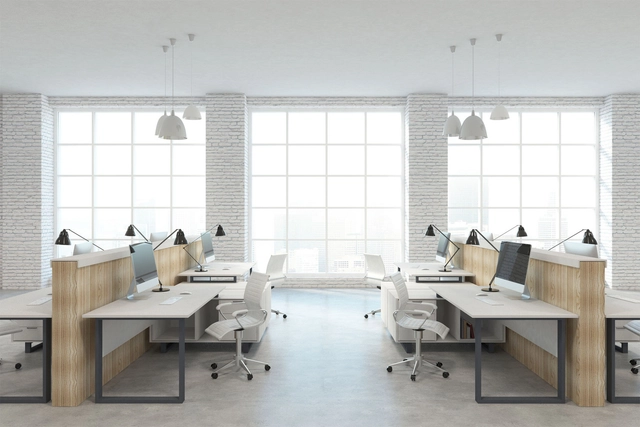
COVID-19 will likely change the way we live and work for an extended period. In this landscape, organizations have been seeking short-, medium-, and long-term solutions to guarantee their staff a safe return to work. Protecting the health of employees exposed to contact in the workplace requires implementing biosecurity strategies, social distancing, occupancy limits, cleaning, and disinfection. This article explores preventive measures recommended by HID Global, based on the application of identification technologies.
With the emergence of COVID-19, we have had to adapt to living differently than we were used to, which has been directly reflected in our working style. Where and how do we work today? A large portion of the workforce has transitioned to working from home, where feasible. While comfortable for many, for others it has meant a radical shift, bringing new spatial and resource requirements. For architects, engineers, builders, and contractors, this challenge has been particularly complex, as much of their work involves handling large, high-cost devices.
In this article, we present 3 innovative solutions that replace the traditional, bulky plotter, allowing us to print in large formats from our own homes.
Water is one of the non-architectural elements most frequently used to complement design, harmonizing atmospheres and the overall experience of living. This can be achieved through reflecting pools, basins, fountains, or swimming pools. In tropical climates, it becomes a key tool that consolidates the architectural program, gathering spaces together and inviting residents to socialize around the pool.
Suba- Nuestro Jardín-NerioGuevara. Image Cortesía de Bicistema
In large Latin American cities, marked by deep class polarization, insecurity becomes one of the direct outcomes of a lack of inclusive planning. In Bogotá, socioeconomic classes are divided into strata from 1 to 6—with 1 representing the most vulnerable population and 6 the most privileged. Bicistema has carried out four interventions in the localities of Kennedy, Suba, Teusaquillo, and Tunjuelito at public space points critical to women's safety.
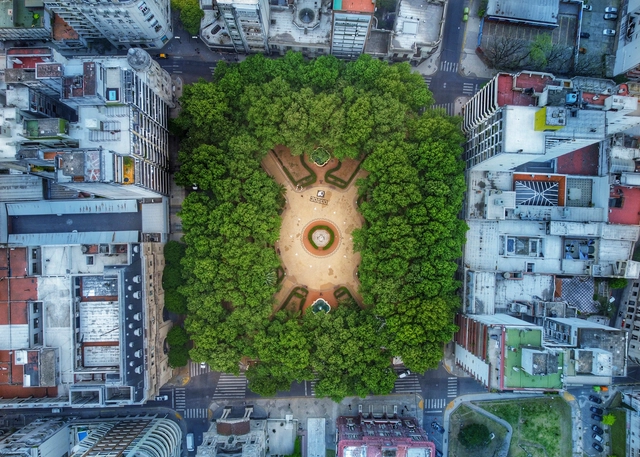
With an average of 12 square meters of green space per inhabitant, the city of Rosario was declared Argentina's "greenest" urban enclave in a recent report published by the Inter-American Development Bank's (IDB) Emerging and Sustainable Cities Initiative. This figure aligns with the standards set by the WHO, which recommends between 10 and 15 square meters of green space per person to ensure a decent quality of life for all citizens. The creation of new parks in recent years, combined with the upgrading of over 70 existing ones through the addition of amenities and technology, highlights the significance of green spaces for the people of Rosario.
Five years after our first encounter with the hidden substructure of Viaduct #2 in Albarregas Park, in the city of Mérida, Venezuela—and more than ten years since its reclamation by a growing community of skateboarders and street artists—this cultural hub continues to endure, an endogenous space driven by the momentum of its own effervescence.
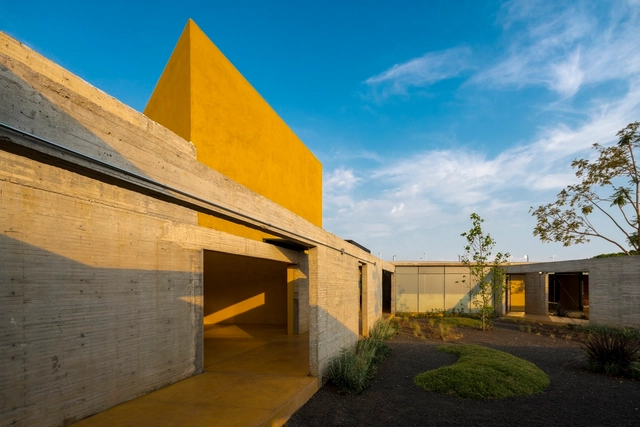
The state of Michoacán is located in western Mexico, bordered by the states of Jalisco, Querétaro, Guanajuato, Estado de México, Colima, and Guerrero. Covering an area of 58,598.7 km², it faces the Pacific Ocean. Its capital is Morelia, and it is the country's ninth most populous state. Furthermore, it boasts three UNESCO designations: 1) World Cultural Heritage for the Historic Center of Morelia, 2) World Natural Heritage for the Monarch Butterfly Biosphere Reserve, and 3) Masterpiece of the Oral and Intangible Heritage of Humanity for the Day of the Dead celebration.
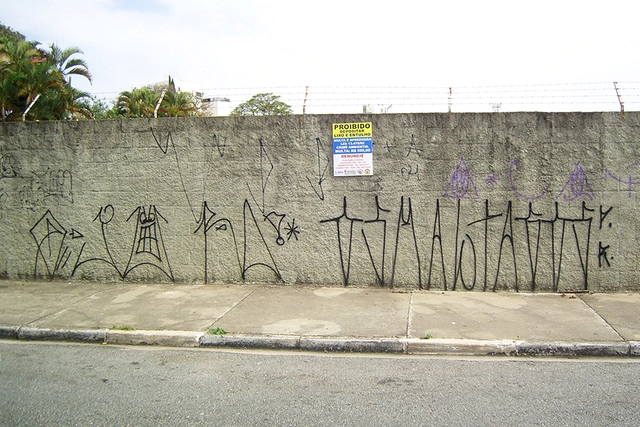
Since the second half of the twentieth century, Brazil has become globally recognized for urban insecurity. Since then, the problem has intensified, with extraordinarily high homicide rates—comparable, in many cases, to countries at war. In 2018, 17 Brazilian cities ranked among the 50 most dangerous cities in the world.
https://www.archdaily.com/1123980/how-urban-violence-shaped-brazilian-citiesPaulo Sa Vale








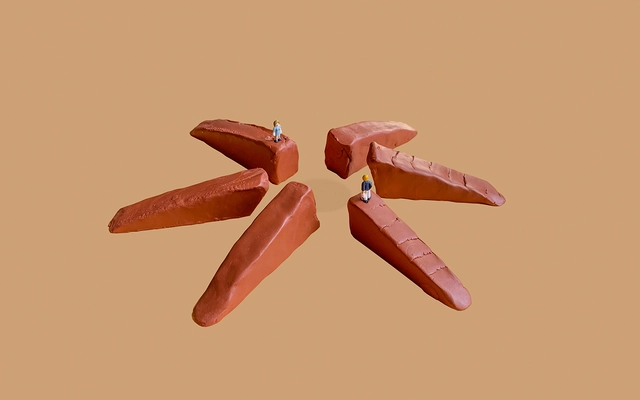
.jpg?1601431851 "© Taller Estilo Arquitectura")
.jpg?1601431998 "© Estudio 360")