Since the second half of the twentieth century, Brazil has become globally recognized for urban insecurity. Since then, the problem has intensified, with extraordinarily high homicide rates—comparable, in many cases, to countries at war. In 2018, 17 Brazilian cities ranked among the 50 most dangerous cities in the world.
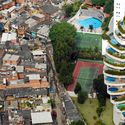
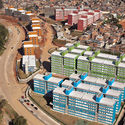



This scenario has reshaped the architecture and urbanism of our cities. Low-walled bungalows, for instance, became the exception. The population, particularly the upper-middle class, began seeking protection from urban violence within veritable fortresses. In peripheral and low-income areas of many cities, this pattern is already repeating, with fences and walls sealing off single-family homes from the streets. Other prominent factors include conflicts in favelas, the urban control exerted by militias, and the stagnation and abandonment of neighborhoods. However, experiences from other cities around the world can guide us toward a different future for the urban reality of Brazilian cities.