Paulo Sa Vale

BROWSE ALL FROM THIS AUTHOR HERE

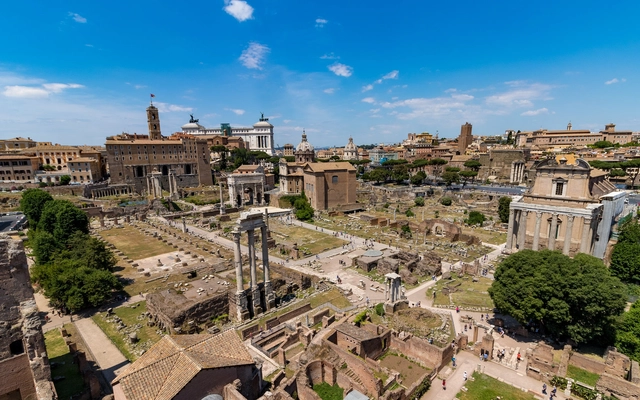
What does Ancient Rome have to teach Brazilian metropolises?

Subscriber Access | 

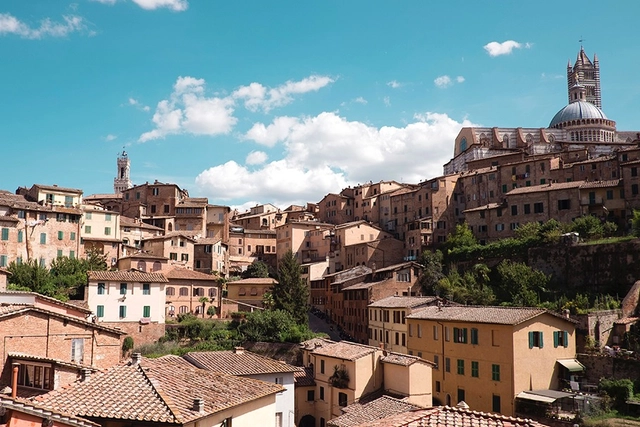
Metropolis is a word derived from the Greek metropolis, a combination of meter (mother or womb) and polis (city). Thus, the metropolis is the mother city, the most important within a context where several interconnected cities depend on one another to fully function. In most cases, metropolises feature conurbations of multiple urban clusters.

After all, why do we still talk about modernism?

Subscriber Access | 

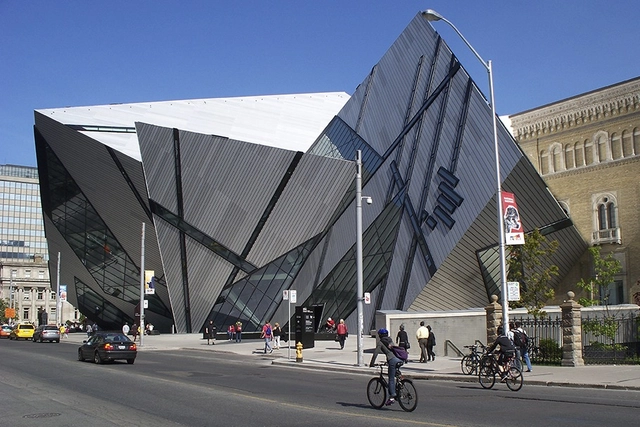
Modernism has ceased to exist as a movement in architecture and urbanism since at least the 1980s. In architecture, movements such as Japanese Metabolism and deconstructivism helped to move past the remnants of modern architecture. In urban planning, figures like Jane Jacobs and Christopher Alexander, as early as the 1960s, helped bury the premises of modern urbanism.

How wars shaped our cities

Subscriber Access | 

When we were still nomads, we fought our first battles with sticks and stones. The reasons for aggression against members of our own species can vary, ranging from securing resources and territory to seeking revenge or even power. Battles between different tribes have accompanied human evolution on Earth. Ever since the creation of cities, warfare and the combat equipment of each era have been important factors to consider in the planning of urban centers. 

How urban violence shaped Brazilian cities

Subscriber Access | 

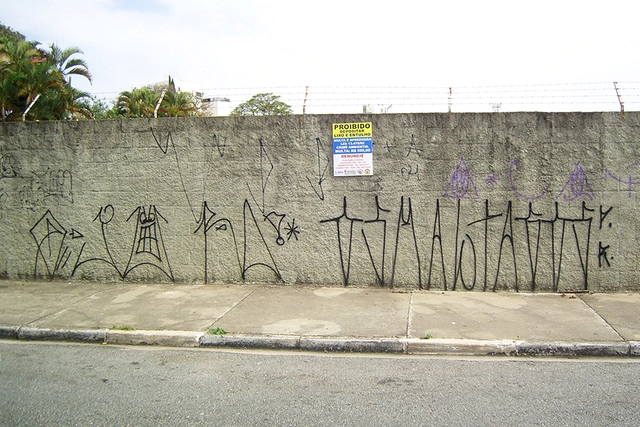
Since the second half of the twentieth century, Brazil has become globally recognized for urban insecurity. Since then, the problem has intensified, with extraordinarily high homicide rates—comparable, in many cases, to countries at war. In 2018, 17 Brazilian cities ranked among the 50 most dangerous cities in the world.