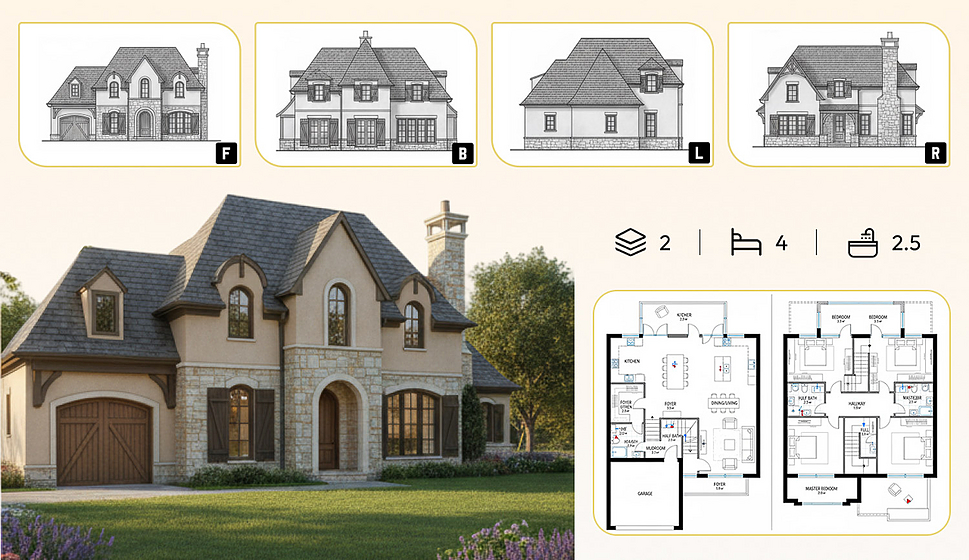
This guide covers a workflow that moves from project parameters to generated floor plans, 3D perspective views, exterior design exploration, and site context visualization, using AI tools in place of preliminary CAD and rendering work.
This guide covers a workflow that moves from project parameters to generated floor plans, 3D perspective views, exterior design exploration, and site context visualization, using AI tools in place of preliminary CAD and rendering work.
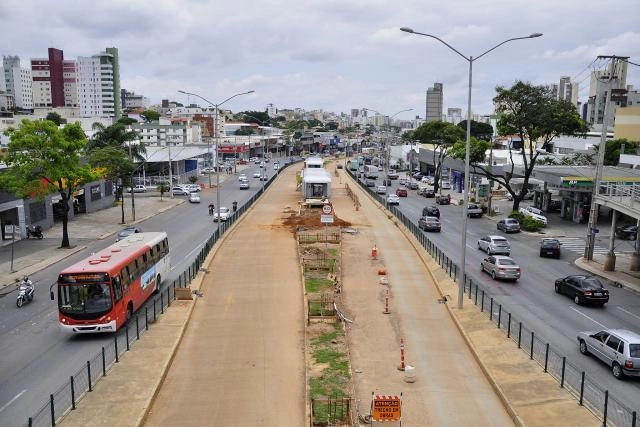
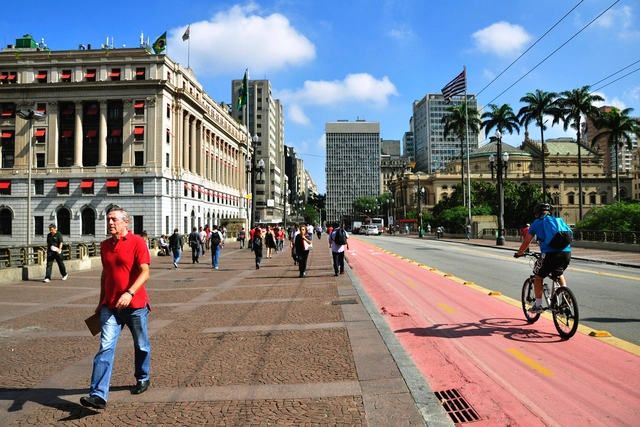
Improving public transit requires close attention not only to vehicles and routes, but to how people access and exit them. All too often, urban planning fails to account for the diverse needs of all individuals and how they navigate a transit system.
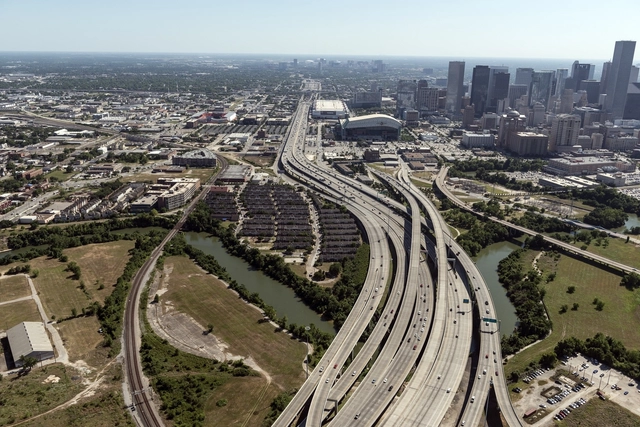
While conventional American urbanism is known to drive excessive sprawl, it is worth remembering that, ultimately, the true extent of a city's horizontal expansion lies far beyond the reach of urban planning controls.
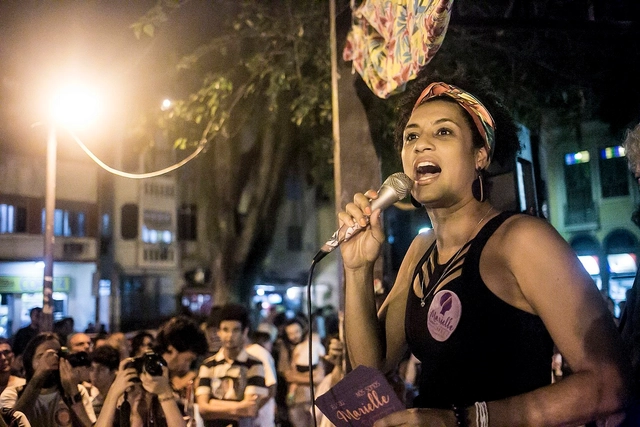
Today marks one year since the brutal assassination of Rio de Janeiro sociologist and city councilwoman Marielle Franco. The week before her death, Marielle took part in a series of debates organized by CAU/RJ called "Architecture - Feminine Noun," aimed at strengthening mobilizations for International Women's Day.
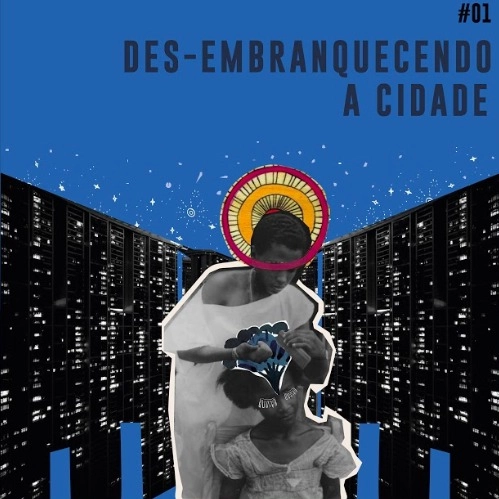
The “De-whitening the City” Podcast is a space invented from the desire of five Black women residing in Salvador, São Paulo, Rio de Janeiro, and Belo Horizonte to circumvent geographic distance in order to foster and celebrate connection. Emmily Leandro, Gabriela Gaia, Luciana Mayrink, Malu de Barros, and Natalia Alves make up the Terra Preta collective, giving shape and voice to this exercise in creating a shared virtual territory—both a political and aesthetic commitment—now made public for the first time.

The formal configuration of open space systems in Brazilian cities—whether qualified or not—derives a significant contribution from private developments, since public urban planning and design have historically been the exception.

From revitalizing degraded green spaces to hosting collaborative games, events, and workshops, there are numerous volunteer initiatives capable of transforming a city's landscape and the lives of its residents.
In addition to serving as vital forms of social participation, community collectives and volunteer-driven initiatives facilitate dialogue between public authorities and local communities. This collaboration yields numerous benefits, particularly in reshaping how we interact with our cities.
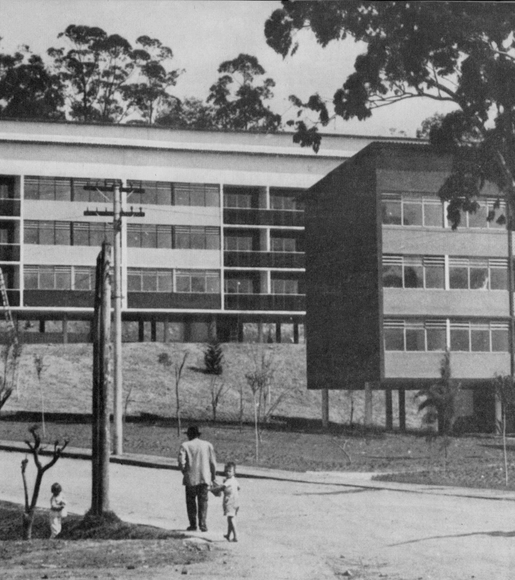
After studying civil engineering at the Escola de Minas de Ouro Preto, Carlos Frederico Ferreira returned to his native city of Rio de Janeiro and enrolled in the Escola Nacional de Belas Artes, graduating in architecture in 1935. In 1939, he was hired by the IAPI as an engineer-architect and soon rose to the position of head of the institute's Engineering Department. By 1943, having overseen the partial completion of the first major housing development, the Conjunto Residencial Operário in Realengo, he was able to begin expanding the model to other locations. The designs for Vila Guiomar in Santo André and Piratininga in Osasco, as well as the apartment building and IAPI Regional Office headquarters in Recife—all designed by him—demonstrate how, through his position, he sought to shape the direction of the institute's future developments.
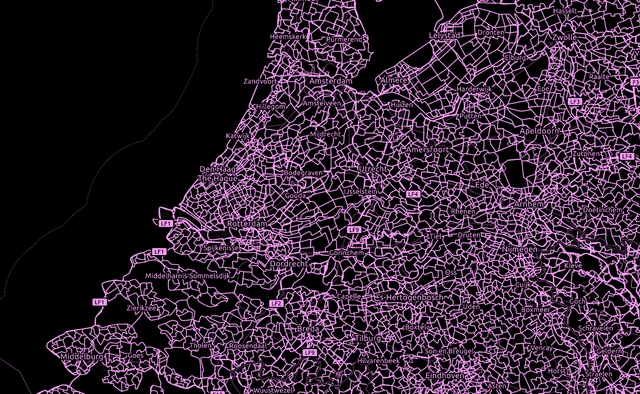
For some time now, cycling infrastructure planning has become a priority for several countries around the world seeking to seriously mitigate the challenges of rapid urbanization. In this regard, it is worth looking at which countries are expanding their cycling networks and understanding the development patterns established for each of them. OpenCycleMap is a project that makes it possible to clearly identify these countries and analyze their networks in great detail.
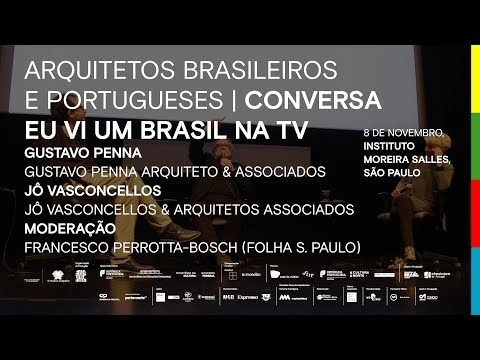

"I Saw a Brazil on TV" was the theme of the debate that, on November 8, 2018, brought together a group of architects participating in the exhibition "Infinite Span - 90 Years of Brazilian Architecture" at the Instituto Moreira Salles in São Paulo.

At least two major avenues (23 de Maio and 9 de Julho) mark the footprint of the 1932 Constitutionalist Revolution in the city. Yet, across the capital's landscape, numerous other sites evoke the memory of an armed conflict that became the defining myth of São Paulo's history, commemorated as a state holiday since 1997.
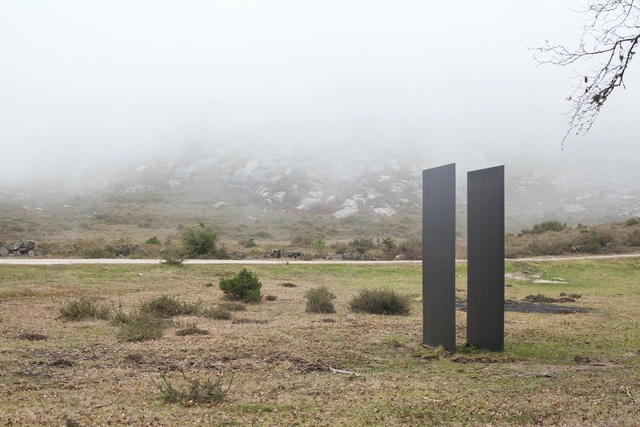
The Alto Minho region in northern Portugal had its landscape transformed by a series of site-specific artistic interventions that were part of the DESENCAMINHARTE program. The initiative aimed to promote artistic creation in the region through a collaborative network designed to foster recognition of its local identity.
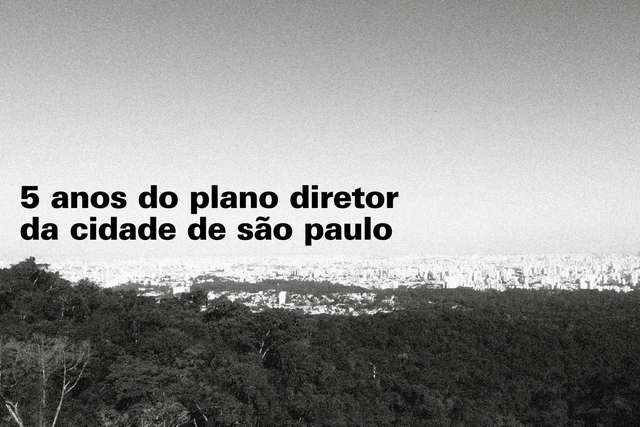
Five years ago, São Paulo approved its Master Plan, a social pact to transform the city by 2029. While a significant portion of the planned actions have been carried out or are currently underway, just as many remain on paper. Assessing this period is essential to achieving the ultimate goal of this entire process: improving the quality of life for its residents, especially those who need it most.
_(Custom).jpg?1559915700&format=webp&width=640&height=580)
C40 Cities, a global coalition of cities, launched a competition to select the best solutions for transforming underutilized urban spaces into resilient, carbon-neutral developments. Named Reinventing Cities, the competition selected 15 innovative ideas poised to "reinvent" the future of cities.
.jpg?1567697293&format=webp&width=640&height=580)
Cities that absorb rainwater and allow it to follow its natural course. It should be simple, yet we chose to channel our waterways, preventing nature from doing its part: absorbing and purifying. For Chinese architect Kongjian Yu, this is the key to solving one of the greatest challenges facing contemporary major urban centers: flooding.
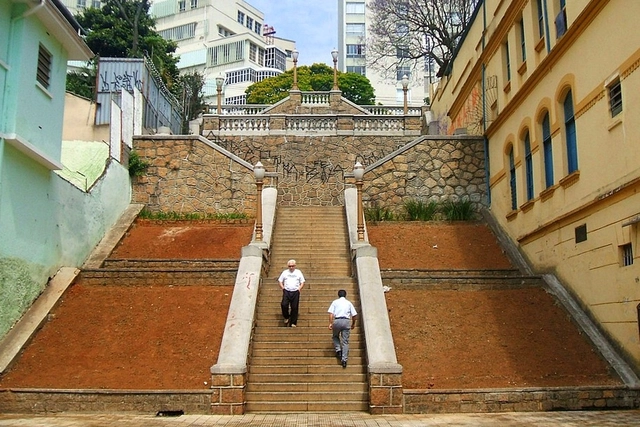
There is no doubt that preserving historical, artistic, and architectural heritage is a fundamental goal for building a just city. It is the right of all citizens, both present and future generations, to know and enjoy our collective memory and culture. However, for this to actually happen, both a discerning eye and a comprehensive vision of the city are essential.
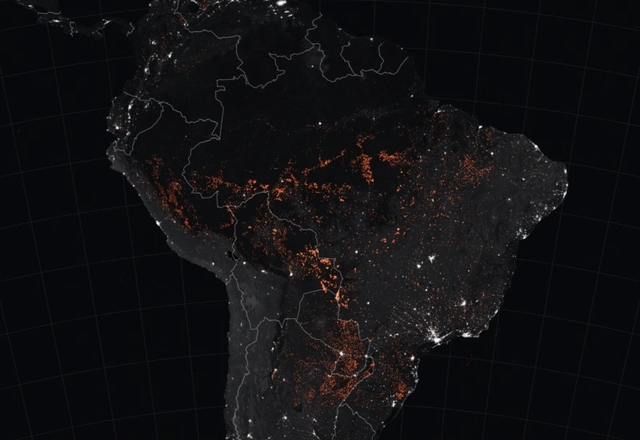
Over the past week, thousands of active fires in the Brazilian Amazon captured global attention in the press and on social media, where the hashtag #PrayForAmazonia was mentioned more than 150,000 times in a single day. But what can satellite data tell us about what is actually happening in Brazil's forests?

In this doctoral thesis, architect Luciano Margotto, advised by Prof. Dr. Mônica Junqueira de Camargo, presents five lessons from architecture: Austerity, Generosity, Freedom, Public, and Spatiality. In his work, the author investigates the works of architects such as Carlos Millan, Marcello Fragelli, Eduardo Souto de Moura, Oscar Niemeyer, Vilanova Artigas, Fábio Penteado, Lucio Costa, Lina Bo Bardi, Paulo Mendes da Rocha, Brasil Arquitetura, Gabriel Guarda, Martín Correa, and Alvaro Siza. Below is the abstract of the thesis defended at FAUUSP in 2016.

Felipe Camus, a photographer who has documented ELEMENTAL's project, shares his reflections on Ochoquebradas.

“On Growth and Form”, written by biologist and mathematician D’Arcy Wentworth Thompson [1860-1948], is considered the greatest work of prose in twentieth-century science, highlighting the role of physics and mechanics in determining the form and structure of organisms. The book immediately became a classic for exploring natural geometries in the dynamics of growth and physical processes. Thompson reveals himself to be a great scientist, sensitive to the fascination and beauty of the natural world, writing in a style that led the specialized press to call his work “as much good literature as science; a discourse on science as if it were a matter of humanity.”
Five Brazilians die in traffic accidents every hour. While highly critical statistics like this can spark positive reactions, they are not always enough to change reality on their own. However, knowing that in the city of São Paulo intersections concentrate more accidents per kilometer, and that these rose by 5% from 2017 to 2018, provides decision-makers with the concrete data needed to implement measures to reduce these numbers. Acting on the most dangerous intersections will save lives.

In the popular imagination, *cortiços* (tenement houses) represented the worst of urban housing in Brazilian cities. Deeply rooted in the national culture and immortalized in Aluísio Azevedo’s classic novel, *cortiços* were depicted as unsanitary, dilapidated dwellings where disease proliferated, the margins of society lived, and landlords exploited tenants with extortionate rents.

A quality public transit system does not depend on buses alone: its overall quality is also directly linked to adjacent elements—such as bus stops. In all cities participating in the QualiÔnibus Benchmarking Group, bus stops were identified by the public as one of the most problematic components. But what can cities do to improve them?

Quacquarelli Symonds (QS) has released the 2019 edition of its annual ranking of the world's top universities in the field of architecture. This year, UCL (University College London) took the lead, a position held by the Massachusetts Institute of Technology (MIT) in the United States for the past four editions.
In Latin America, institutions from Chile, Brazil, and Mexico occupy the top three spots, respectively. See the top 10 below:

Anyone who has ever been to the beaches of Rio de Janeiro has certainly seen vendors selling grilled *queijo coalho* (curd cheese) or grilled shrimp, sweet mate tea, and Globo biscuits—classic snacks of the Rio shoreline. In São Paulo, open-air markets serve sugarcane juice and fried *pastel*, a local adaptation of a dish originally brought by Chinese immigrants and popularized by Japanese immigrants. In Minas Gerais, there is *pão de queijo* (cheese bread) and pastel, also filled with cheese. In Salvador, it is impossible not to mention *acarajé* (with or without hot sauce), which has been declared an intangible cultural heritage asset by IPHAN. The capital of Bahia even has its own Street Food Guide, reflecting the immense culinary diversity found in the city.