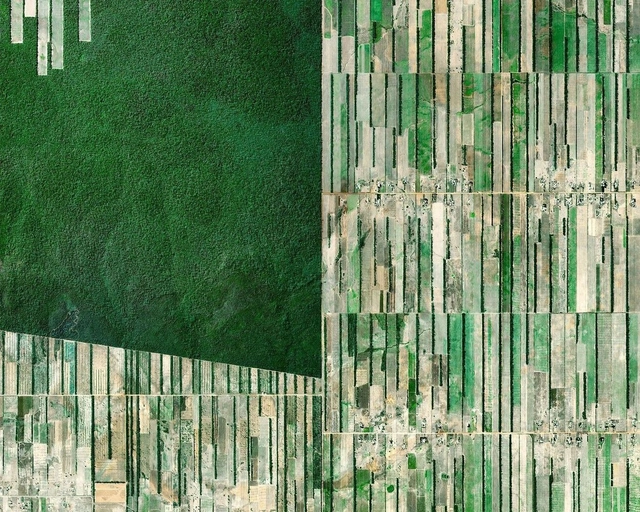
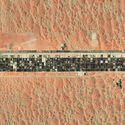
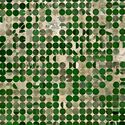
Food cultivation is one of the great historical milestones of our society's development. The knowledge of agriculture was fundamental for the evolution of a nomadic society into a sedentary civilization. Centuries later, agricultural production has become one of the main contributors to the organization of the land. This phenomenon can be seen in the aerial images we have selected below.
The built environment of Far East Asia is challenging the paradigm through urban developments that are centered around principles of sustainability, community, and user-centric design. Following concerns of high-density neighborhoods and compromised landscapes, architects of that region became aware that building for the future means changing their outlook on financially-driven projects with unsustainable strategies, and replacing them with structures that put the user and the environment at the forefront.
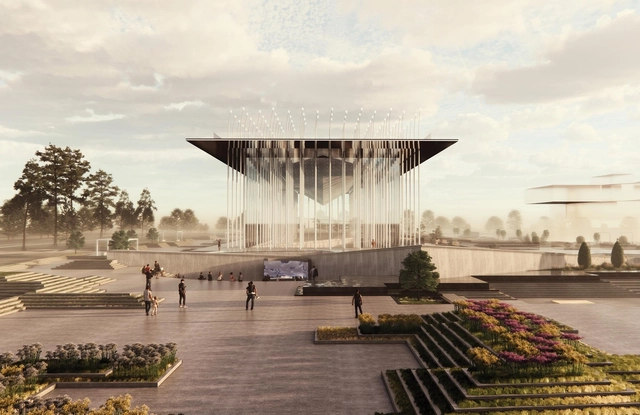
From an all-around panoramic hotel on The Philippines's waterfront to an emotion-provoking memorial inspired by the rain in South Korea, this round up of unbuilt projects showcases how architects merged the Far East's culture, history, and unique geography with contemporary designs, creating state-of-the-art architecture. This round up also includes projects from China, Vietnam, Indonesia, and Hong Kong.
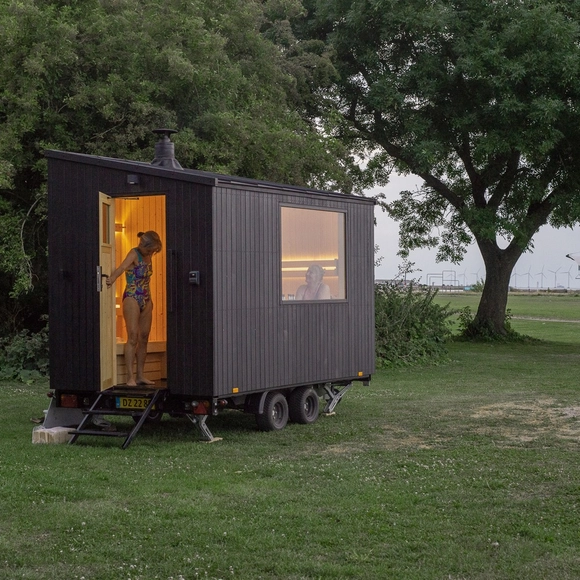
Saunas are inseparable from the culture of Nordic countries and they are increasing in popularity as a result of their many physical and mental health benefits. Their projects are usually quite archetypal, combining efficiency and sobriety.
We spoke with Jakob Gate, co-founder of Native Narrative & Scandinavian Sauna, who has been developing sauna projects that combine the flexibility of being transported anywhere, with the expertise and tradition of Scandinavian design. They work without electricity, heated by wood, while LED lighting is provided by a rechargeable battery. Learn more in the following interview:
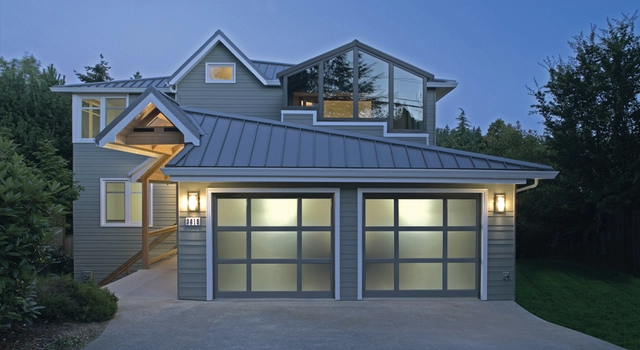
In residential architecture, the garage is a space that is mainly used for storage and car parking. Although the garage door is usually not a very thought-out part of the design of a residential project, it often occupies a large part of the front elevation of a house, and can play an important role in its general curb appeal.
The garage door is typically a large door that is opened manually or by an electric motor, and its size and design are determined by the vehicles that will need to pass through it. Raynor, a North American company that specializes in garage doors, describes several of the most important factors that go into choosing the right garage door.
With walls and ceilings a long way away, often the most practical way to control the placement of a light source and the positioning of light, is to drop it into the exact position where it’s required, with a pendant light.
Even designer pendant lighting can be as simple or as complex as the project’s parameters call for. From the most intricate sculptures of glass or mechanical puppetry to a single bulb on a cord, here are seven types of pendant light, and the purposes and projects for which they’re best suited:
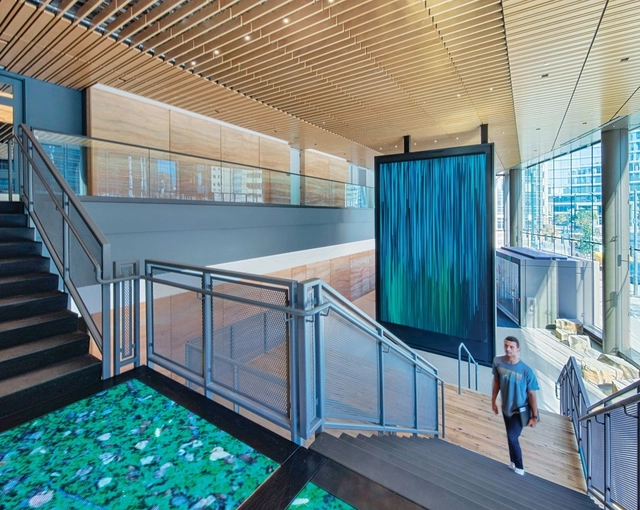
Rapt Studio has recently completed the new headquarters for VF Corporation in Denver, Colorado. With a mission to power active and sustainable lifestyles for the betterment of people and the planet, VF is a diverse collection of global brands. Their new ten-story headquarters brings together several of those brands under one roof, and at the same time, allows each of them to maintain individuality and expression.
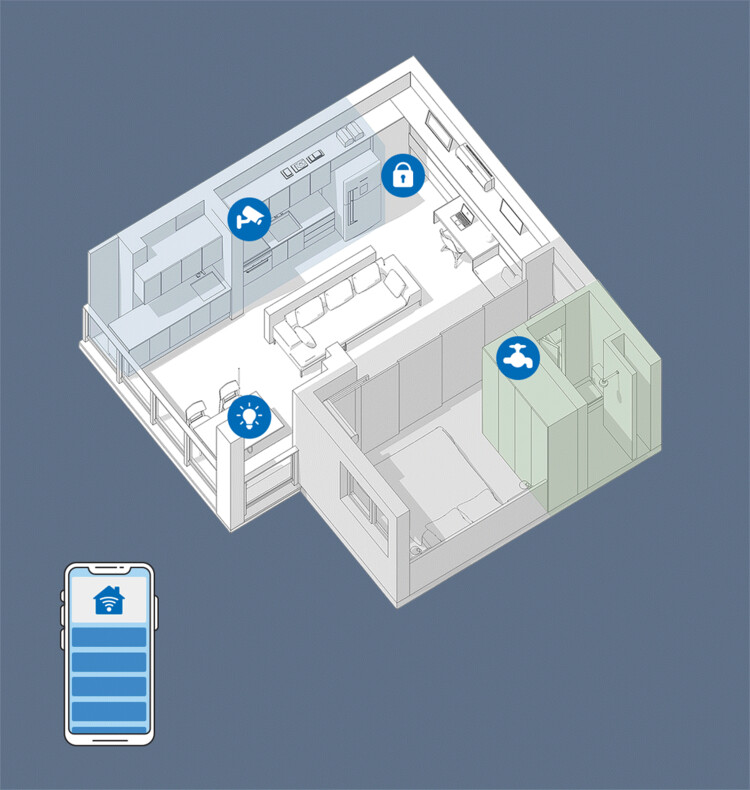
In the future, the Internet of Things (IoT) will play an increasingly profound role in our lives, with devices communicating independently and integrating into our daily routines as smart assistants. As a result, demand for smart home technology is growing in tandem with the range of products on offer. In a recent report, market research firm Statista predicted that this year, approximately 12% of households worldwide will own smart home devices, a figure projected to rise to over 21% by 2025—translating to more than 478.2 million users globally. But which of these devices are actually useful? A selection of outstanding technologies and designs has recently been honored with the 2021 iF Design Award, and here we take a closer look at nine of them.
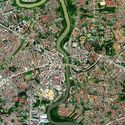
Aare River, Bern, Switzerland. Created by @dailyoverview Source imagery: @maxartechnologies
The Thames, the Danube, the Seine, the Nile, the Hudson—all of these names immediately evoke specific cities. This is because discussing the history of urban planning inherently means exploring the relationship between the city and the river, as waterways are fundamental natural elements around which many cities were founded. This is primarily due to the utilitarian nature of water bodies, which, in addition to defining—and consequently protecting—cities, provided water supply and served to transport raw materials and goods. The river, therefore, functioned as an urban backbone, fostering activity along its banks and driving economic and social development.
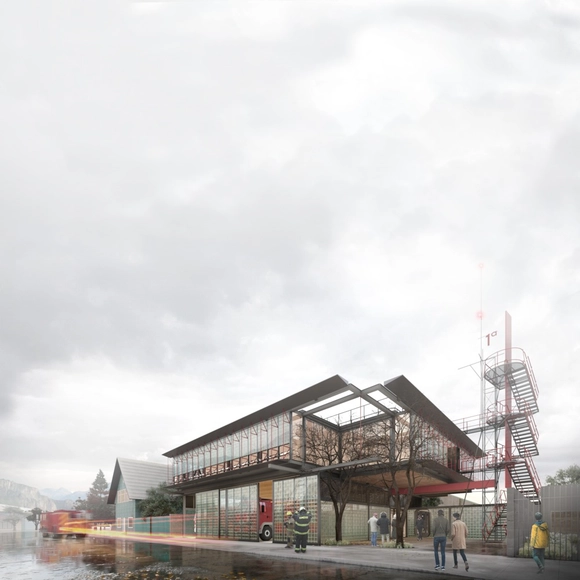
Vista calle. Image Cortesía de Cristóbal Tirado y Sebastián Hernández
The team led by Cristóbal Tirado and Sebastián Hernández won first place in the public competition for the design of the First Fire Company Station of Coyhaique, located in the Aysén Region, Chile. Launched by the Aysén Directorate of Architecture of the Ministry of Public Works (MOP) in conjunction with the Regional Government, the competition aimed to completely replace the town's First Fire Company Station. The design was required to incorporate high energy efficiency standards while enhancing the urban image of the city of Coyhaique.
"Domingos Libro" is hosted by Carmelo from Enorme Studio, where every two weeks, he delves deeply into forgotten architectural publications, books, and architectural magazines from the '60s, '70s, and '80s that carry the most interesting stories behind them.
This latest episode focuses on the 1989 double issue 181/182 of the Catalan magazine QUADERNS, specifically examining an unfinished house by Paco Alonso, an architect from the Madrid School who never completed any of his works and was once dubbed "The Builder of Ruins" by a colleague.
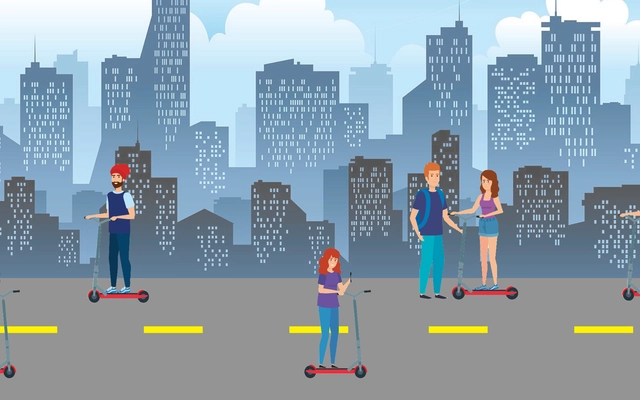
The rise of electric scooter fleets in cities around the globe happened almost overnight. By making transportation fun, they quickly took over a new market share and provided not only an easy way to travel but one that also prides itself in being sustainable. First becoming popular on the West Coast of the United States, scooters migrated eastward, eventually sweeping across Europe as well. Easy to maneuver and a convenient solution to get from place to place, we have to ask- can cities handle the accelerating rise of scooters and other forms of micromobility?
Videos
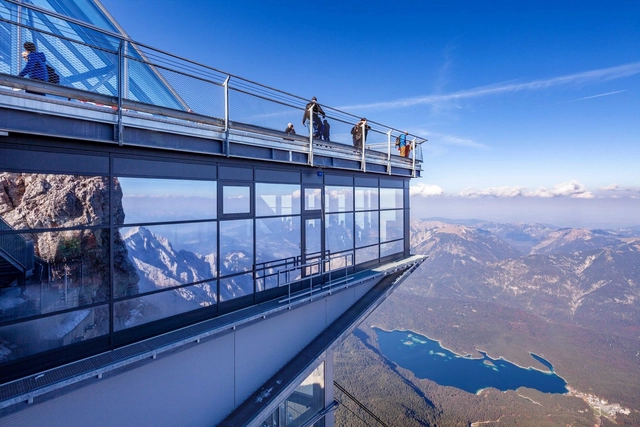
Zugspitze Mountain Station / Eibsee, Germany - Photo by Christoph Seelbach . Image Courtesy of Vetrotech Saint-Gobain
While glass is generally singled out as the weakest part of a building, it is not always true. With technological advances and the continuous innovations of the industry, there is glass that, even while allowing natural light to enter an environment, can protect the building from fire. Beyond fire, there are also other threats such as hot gases, smoke, and heat transmission, which put the safe evacuation of people and the protection of property at risk.
Architecture, by its very definition, involves the construction of structures. Structures that are meant to serve as spaces for work, living, religious devotion, amongst many other purposes. Architectural projects and interventions, however, need land – and it is this intrinsic relationship, between land and architecture, that has massive ramifications not only regarding reducing carbon emissions but more importantly in forming an equitable future rooted in climate justice.
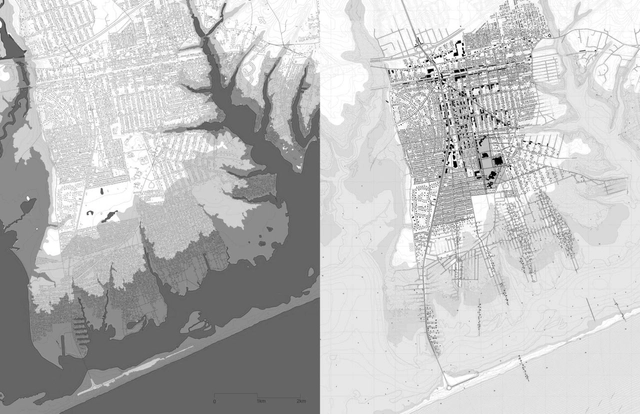
A future flood map of Mastic, New York. Right: A plan for densifying the town’s high, dry ground and retreating from the shoreline. . Image Courtesy of Rafi Segal And Susannah Drake
A lot can happen in the space between a book’s title and subtitle, as A Blueprint for Coastal Adaptation: Uniting Design, Economics, and Policy (Island Press, 2021) demonstrates. Here, in a reversal from the norm, the subtitle assumes the more evocative bent by elevating design to the same status as economics and policy. To some, this might seem a spurious move, but the volume lives its creed: Its editors include two design academics and a business school professor, to say nothing about the myriad backgrounds of its contributors.
Blueprint goes deep into the policy decisions that have shaped the brittle condition of coastal infrastructure. It coalesces into a convincing picture of the wider context in which design operates, with the aim of making the built environment more equitable for those caught on the front lines of certain climate change cataclysm.
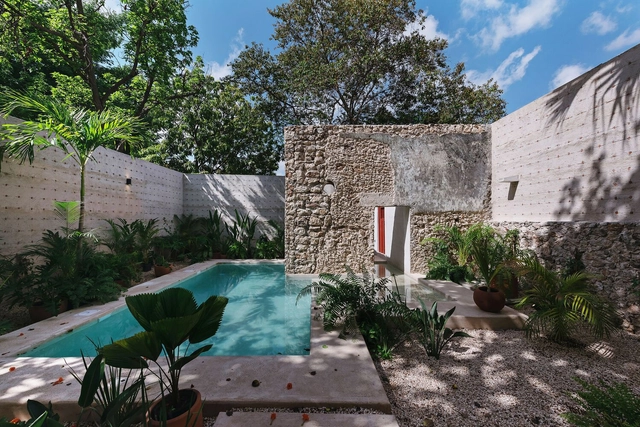
Residential swimming pools have become a staple in housing developments and private homes, particularly in regions where warm weather prevails for most of the year. Sun, shade, and cool water call for a landscape design that fosters harmony in these spaces.
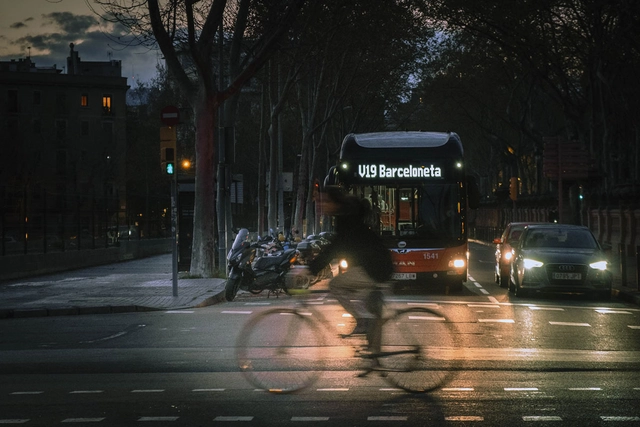
The search for more efficient and sustainable modes of transportation in urban centers has been gaining ground in several cities worldwide. With the pandemic, the benefits of cycling have been proven, and many municipalities have invested in bike lanes and incentives to keep people pedaling, even after the lifting of COVID-19 restrictions.
The use of public transit, another alternative that is more sustainable than private vehicles, becomes safer as vaccination efforts progress. In Barcelona, to further encourage people to abandon their cars—especially older ones—the city administration is offering a free three-year transit pass to residents who get rid of their old vehicles.
The organization Climate Central has developed a series of images and videos simulating how various cities around the world could be affected by rising sea levels if the world fails to meet emissions reduction targets.
Climate Central scientists analyzed where populations are most vulnerable over the next 200 to 2,000 years under different warming scenarios. The findings are alarming:
Out of necessity, various building types have changed their use. Churches converted into libraries, abandoned warehouses turned into cultural centers—and while much has been written on the subject, from N. John Habraken's 1970s Open Building concept to Adamo Faiden's contemporary From Mixed-Use to Diff-Use, today we have, more than ever, an engaging global debate surrounding adaptability in housing. Is it truly necessary to dedicate so many square feet to office space when the pandemic proved that most work can be done remotely? This was one of the central questions during the lockdowns of recent years.
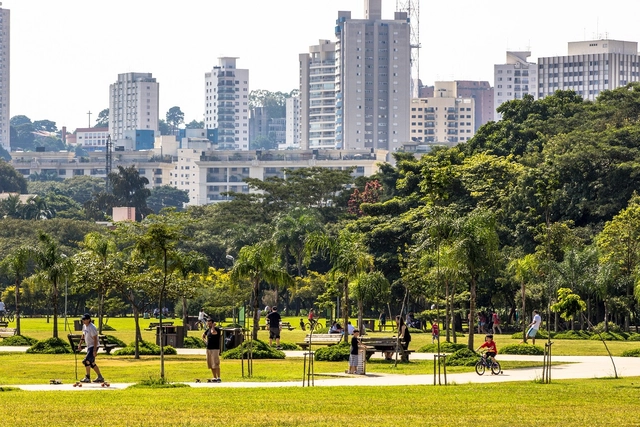
Green areas generate countless benefits and can function as part of the solution for basic infrastructure such as sanitation and drainage. Photo: Alf Ribeiro/shutterstock
Cities are at the center of the crisis caused by Covid-19, once again exposing issues such as the lack of access to housing, transportation, infrastructure, and quality services—especially among low-income populations. The effects of the climate emergency on urban centers are also highly visible and increasingly frequent, as made clear by new evidence in the latest report from the Intergovernmental Panel on Climate Change (IPCC). Brazil currently faces a water and energy crisis, having also recently suffered from torrential rains, floods, and landslides, some of which resulted in fatalities. In the medium and long term, coastal cities will be affected by rising sea levels.
https://www.archdaily.com/1127872/6-strategies-to-unlock-the-green-potential-of-brazilian-citiesHenrique Evers, Laura Azeredo, Bruno Felin e Luiza de Oliveira Schmidt
The Second Studio (formerly The Midnight Charette) is an explicit podcast about design, architecture, and the everyday. Hosted by Architects David Lee and Marina Bourderonnet, it features different creative professionals in unscripted conversations that allow for thoughtful takes and personal discussions.
A variety of subjects are covered with honesty and humor: some episodes are interviews, while others are tips for fellow designers, reviews of buildings and other projects, or casual explorations of everyday life and design. The Second Studio is also available on iTunes, Spotify, and YouTube.
This week David and Marina are joined by Mark Lee, Principal and Founding Partner of Johnston Marklee and Chair of the Architecture Department at Harvard Graduate School of Design to discuss cities, architecture's responsibility to context, the cultural value of iconic architecture and everyday buildings, architectural education, designing for other cultures, working with clients, designing buildings, 'appropriateness' in architecture, and much more.
https://www.archdaily.com/971446/the-second-studio-podcast-interview-with-mark-lee-chair-of-the-architecture-department-at-harvard-graduate-school-of-designThe Second Studio Podcast
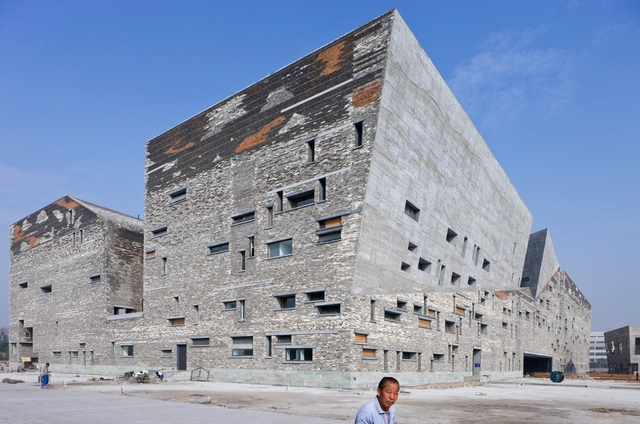
Recycling materials in architecture is not just about pursuing sustainable solutions; it is also about engaging with the past by using discarded materials, defying the construction logic long taught in our discipline. Reusing elements allows historical and cultural contexts to resonate through the materiality and symbolism inherent in each piece, further elevating the project's overall concept.
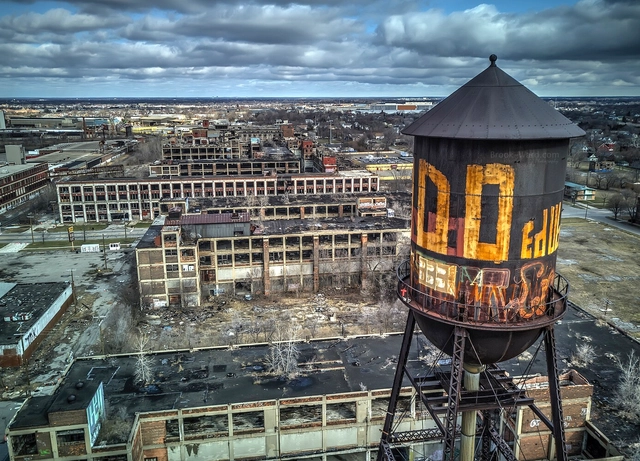
Detroit, Berlin, Seoul, Los Angeles, Sarajevo, New York, and Brasília. We have selected documentaries that showcase the history and development of each of these cities, allowing you to explore the world through cinema without leaving home. Check out our list:
Archivo de Ideas Recibidas is an interdisciplinary research and dissemination project that seeks to document and connect the ideas of individuals who contribute to the contemporary creative ecosystem from the fields of art, design, and architecture. It is built on conversations between the team and various creators, exploring topics related to memory, academia, cultural context, key influences, and working methodologies. On this occasion, they share their interview with designer Mariana Otero, who, alongside Yerko Zlatar, leads the design and interior design studio PUNA, based in Lima, Peru.



























.jpg?1635440394&format=webp&width=640&height=580)