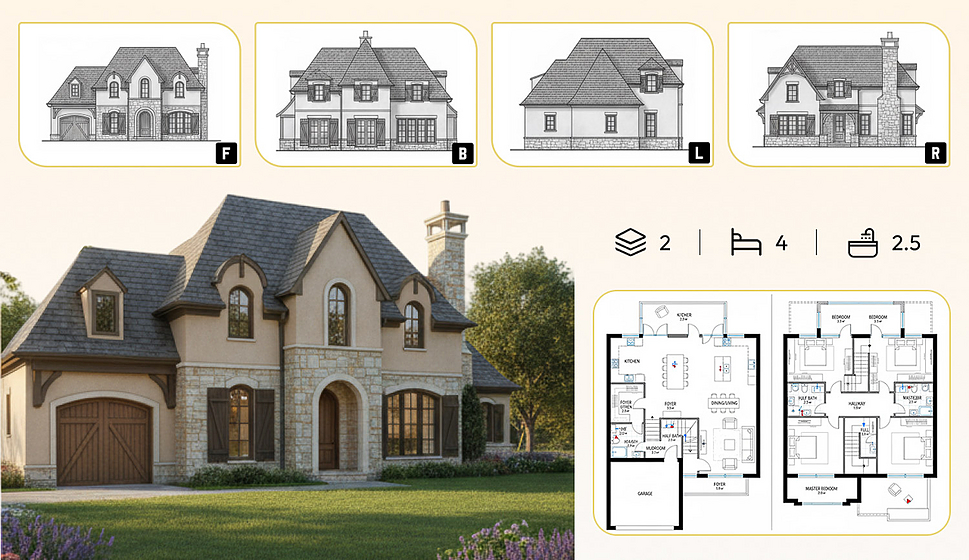
This guide covers a workflow that moves from project parameters to generated floor plans, 3D perspective views, exterior design exploration, and site context visualization, using AI tools in place of preliminary CAD and rendering work.
This guide covers a workflow that moves from project parameters to generated floor plans, 3D perspective views, exterior design exploration, and site context visualization, using AI tools in place of preliminary CAD and rendering work.
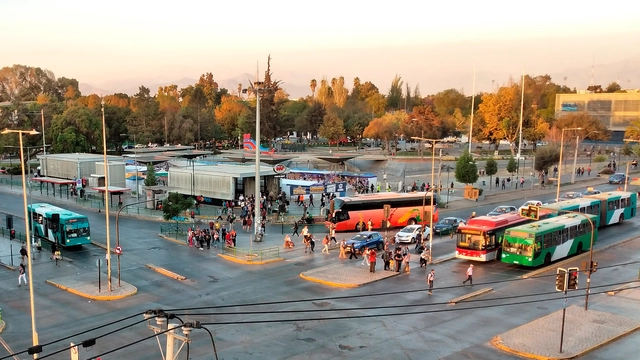
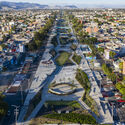
Tomás Vodanovic, mayor of the municipality of Maipú in Santiago, Chile, announced a new measure prohibiting high-rise construction along major thoroughfares, such as Pajaritos, Américo Vespucio, and 5 de Abril, in an effort to foster the aesthetic and sustainable development of the district.
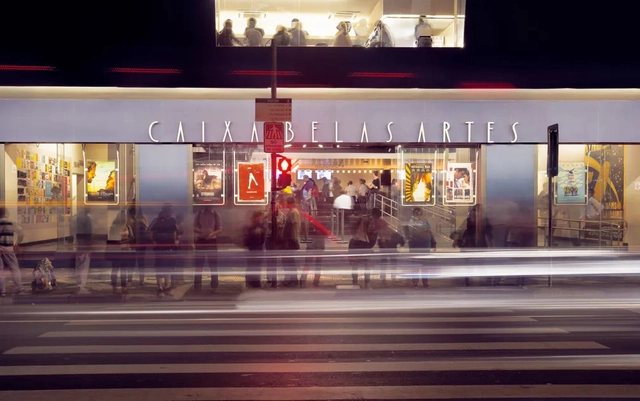
In the 1940s, as director of the Division of Studies and Heritage Listing at IPHAN, Lucio Costa sent his staff into the field to identify the cultural heritage scattered across Brazil, waiting to be discovered.
“Who,” “when,” and “how” were the questions his assistants had up their sleeves. Supposedly, they were meant to reveal the characteristics of the analyzed assets, in order to then categorize them as worthy or unworthy of heritage listing.
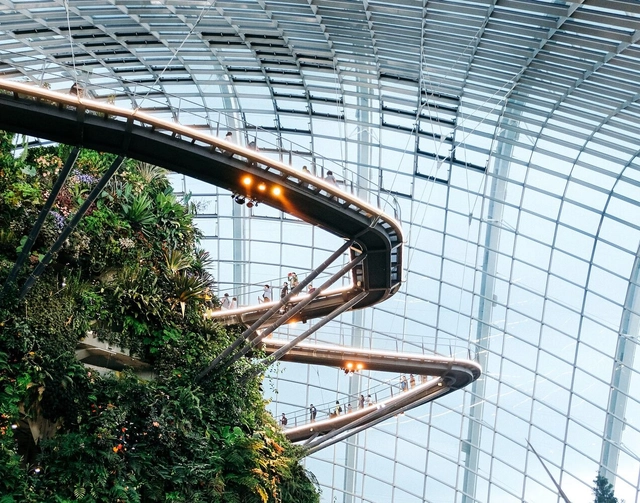
We can define green technology as a set of instruments that enable sustainable production. This means managing product lifecycles more responsibly, always striving for minimal environmental impact.
The production stages span from raw material extraction, manufacturing, and distribution, to end-use and disposal. Consequently, the entire lifecycle can benefit from the application of green technologies, which help reduce environmental impact by using natural resources in a sustainable and conscious manner.

Designated by the United Nations (UN), June 17 was established as the World Day to Combat Desertification and Drought, a date that serves to raise awareness about these phenomena while promoting initiatives to address them. Broadly speaking, desertification refers to the process of land degradation in arid regions, caused primarily by human activities and climatic variations. This phenomenon leads to the loss of vegetation cover, soil erosion, and reduced agricultural productivity, among other negative consequences. Drought, on the other hand, is a prolonged period of abnormally low rainfall resulting in water scarcity, which can have severe impacts on ecosystems, agriculture, and human livelihoods.
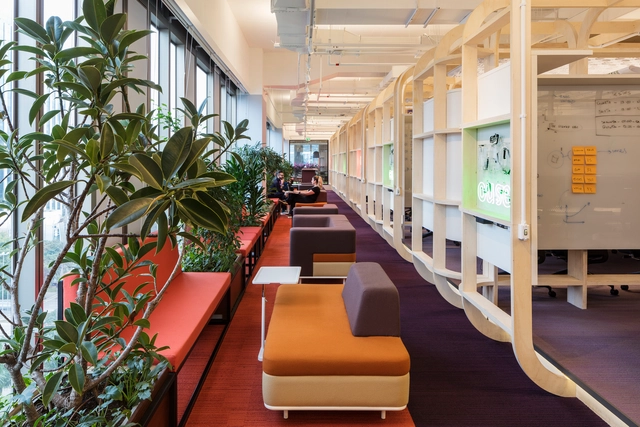
Burnout Syndrome, or professional exhaustion syndrome, is an emotional disorder characterized by extreme exhaustion, stress, and physical depletion resulting from demanding work environments that entail intense competition or high levels of responsibility. Particularly during and after the pandemic—essentially our current reality—burnout rates have surged. Yet, the topic remains under-discussed. Given the significant role of spatial design in the lives of employees, how can neuroarchitecture support quality of life and help mitigate burnout?




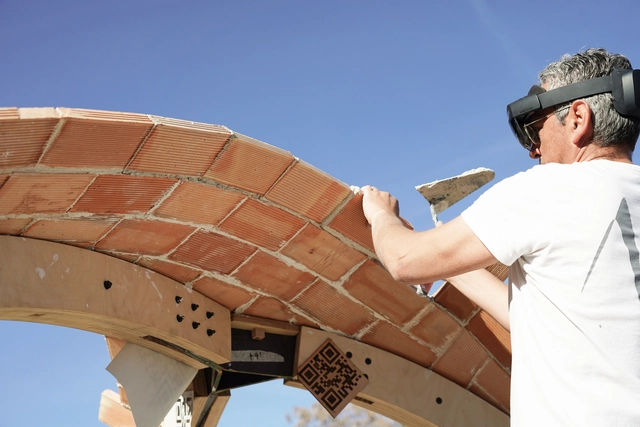
Although the architecture and construction industry has advanced in recent years into new areas such as artificial intelligence (AI), parametric modeling, virtual reality (VR), and other cutting-edge tools, their integration and systematization within the design process remains slow. In an increasingly connected and constantly evolving world, digital tools and emerging technologies are revolutionizing how architects design and build, rewriting the rules and expanding creative horizons. Therefore, it is essential to continue discussing how these tools are being integrated and how their potential can be further unlocked within the discipline.
This July, ArchDaily is exploring the topic of the design process. Within this framework, we want to open up the discussion to hear about your experiences, learn from your successes, challenges, and mistakes—and explore together how these new tools are transforming the practice of architecture.
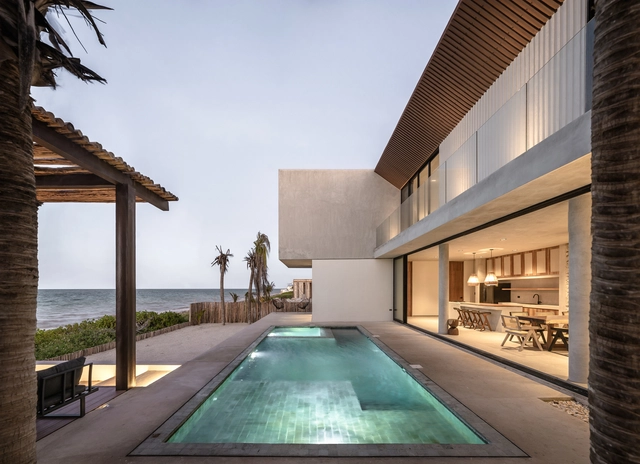
Pool design is an opportunity to create sophisticated, relaxing spaces that complement and enhance their surroundings. When choosing materials, it is essential to look for options that are not only aesthetically appealing but also durable and wear-resistant. One material that meets all these criteria is Sukabumi stone.
This natural stone is quarried in the region from which it takes its name, Sukabumi, Indonesia. In addition to its visual appeal and emerald green color, Sukabumi stone has slip-resistant properties and is highly resistant to erosion. These qualities make it a popular choice for pool projects and decorative accents with a natural aesthetic worldwide.
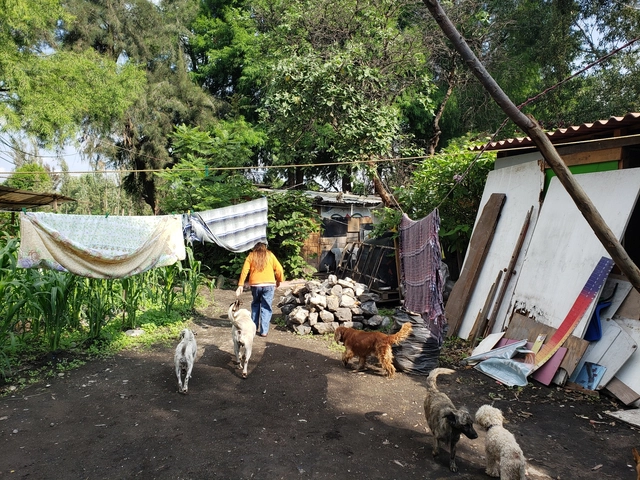
Since the pandemic, urban issues have become more pressing than ever for many people in Latin America. COVID-19 triggered a turbulent shift in the real estate market, driven both by speculation in second-home markets and the influx of “digital nomads” in cities like Medellín, Buenos Aires, and Mexico City.
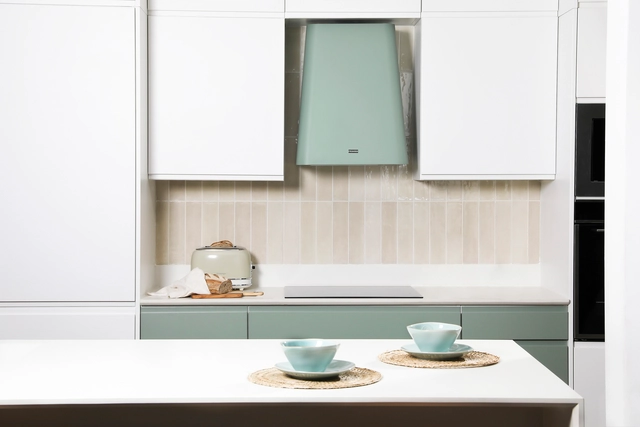
The role of fire in human development is undeniable. Our ancestors leveraged this discovery to cope with low temperatures, protect themselves from predators, and cook food to make it more digestible. Over time, the ritual of cooking evolved from a simple open-air campfire to enclosing fire within chambers. These chambers gradually became more sophisticated over the years, eventually transforming into the complex, modern elements that served as the starting point for the emergence of kitchens as social architectural spaces.
Regardless of its size or layout, the kitchen as a shared space has preserved its ritualistic nature to this day. In ancient times, we gathered around the fire to prepare food and tell stories; today, we meet in our home kitchens to connect with one another. The importance of this space in daily life is enhanced by kitchen furniture lines like Wasser, a brand distributed by CHC that balances aesthetics and functionality, conceiving kitchens as utilitarian and social spaces, with special attention paid to design.
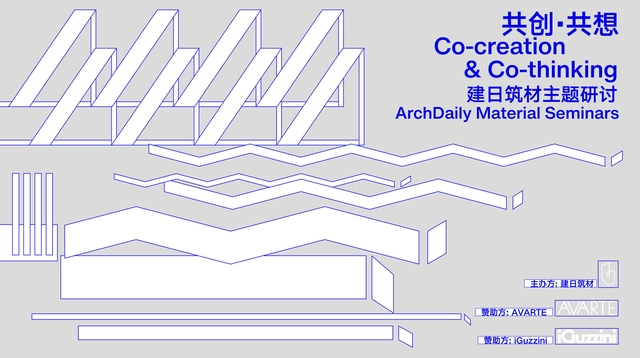
On December 10, 2022, ArchDaily successfully hosted the inaugural "Co-Creation & Co-Ideation" forum for ArchDaily Building Materials (Jianri Zhucai). The event featured seven guest speakers who shared their stories about materials: Libin Chen (Partner at David Chipperfield Architects Shanghai), Jing Lin (Senior Project Architect / Associate Director at SHL Architects), Shuangquan Ni (Marketing Director at Avarte), Yi Yao (Deputy General Manager of the Design Management Department of China Resources Land East China Region), Zhou Qing (Deputy General Manager and Design Director at GOA), Isabel (Residential Project Manager at iGuzzini), and Chunyan Cai (Principal of Atelier Tao+C). Additionally, Shuang Han, ArchDaily China's Editor-in-Chief, introduced our decision to launch a WeChat Mini Program to enter the building materials sector, along with our future plans. We would like to extend our special thanks to China Resources Land for providing the venue, to our sponsors iGuzzini and Avarte for their generous support, and to all the attendees.
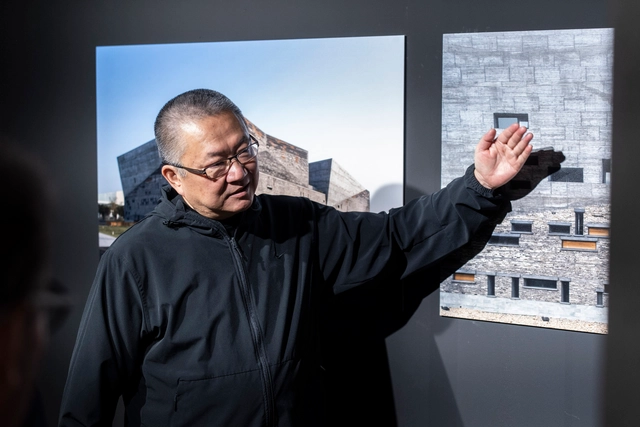
In October 2023, the Mugak International Architecture Biennial of the Basque Country opened its fourth central exhibition in the city of San Sebastián, Spain, the result of a collective dialogue between key figures from the architectural and artistic worlds. Positioned as one of the leading architectural events of the Atlantic Arc, this public meeting point engages with the trends and concerns of our time.
Running through February 2024 with free admission at the Basque Country Architecture Institute, the reflective exhibition "Habitar el Cambio" (Inhabiting Change) is structured around the concepts of "rebuilding, rehabilitating, and rethinking," responding to the current climate of complexity and crisis across economic, health, ecological, and social spheres.
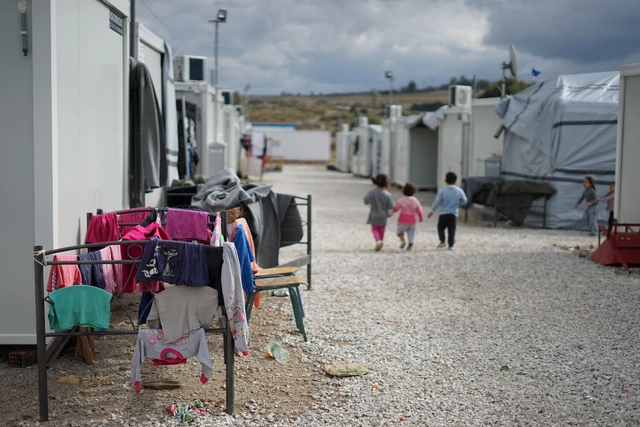
As the climate emergency worsens globally, an ever-larger number of people are forced to flee their homes due to natural disasters, droughts, and other meteorological events. These displaced populations are often referred to as “climate refugees.” This humanitarian crisis demands immediate action, but first we must understand who these individuals are and how the international community can appropriately address this growing issue.
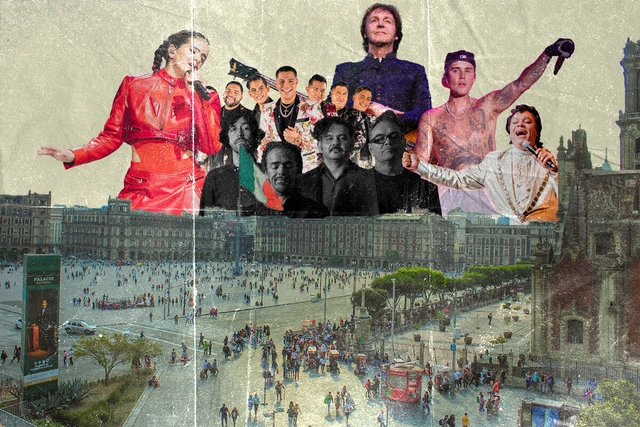
Being present has become the new currency, another way to accumulate symbolic capital, and a new way to validate status. It began with a sudden and rapid surge in museum attendance, alongside the visible crowding of specific areas of Mexico City. This points to an issue currently affecting us: gentrification and forced displacement.
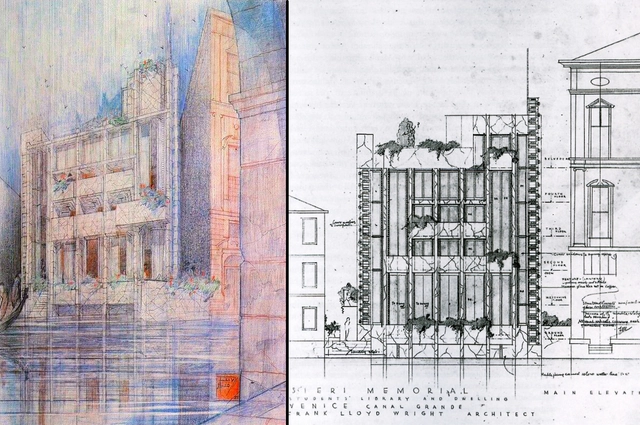
The history of architecture is filled with remarkable unrealized hypotheses, whether due to infeasibility, conceptual radicalism, or other specific factors. Even when conceived by the field's most prestigious minds, these ideas never overcame the inevitable constraints of material reality, nor could they be adapted to make them viable, even partially. Yet, the significance of these projects goes beyond the tangible. Beyond enriching the profession's intellectual heritage, these once-abandoned proposals were—and still are—a catalyst for reflection and a source of inspiration for diverse artistic approaches.
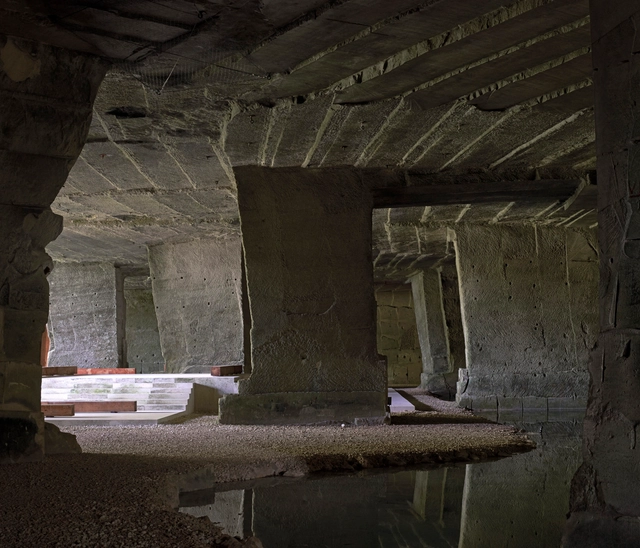
Can we construct buildings using less water? Throughout June, ArchDaily opened the debate on water resources in architecture, inviting our readers to join the discussion.
Global water use data is discouraging, and the construction process accounts for a significant portion of this consumption. It was time to think about how to reduce this impact. The need to design buildings that do not require water offered a unique opportunity to explore innovative and sustainable alternatives to minimize or even completely eliminate water use in construction.
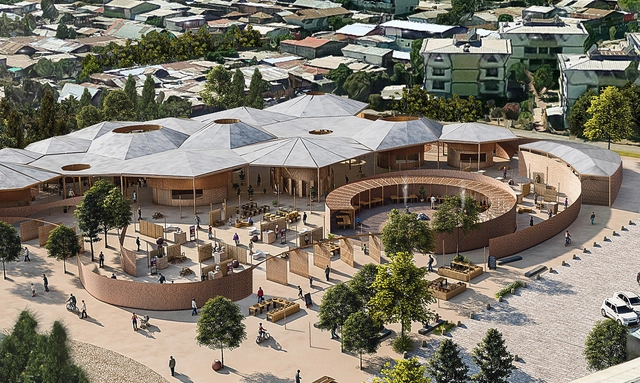
As part of the XXVI Arquisur Congress “Turns of Architecture,” held from October 11 to 13 at the Faculty of Architecture, Design and Urbanism of the University of the Republic of Uruguay, the winners of the 2023 edition of the Arq. José Miguel Aroztegui Award for Architecture Students, the Arquisur Research Award, and the Arquisur Outreach Award were announced.
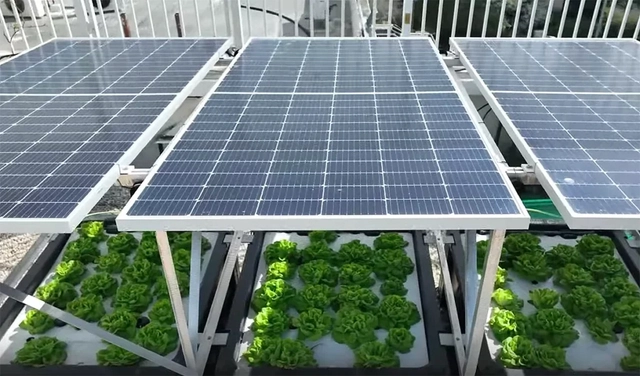
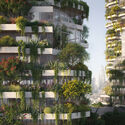
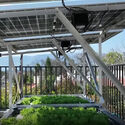
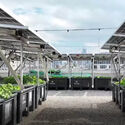
Bringing greenery and, in many cases, vegetable cultivation into urban areas yields countless benefits for city dwellers. Green roofs offer a solution for transforming underutilized areas into true natural oases, helping to mitigate urban heat islands, absorb rainwater, improve air quality, control noise levels, and attract biodiversity.


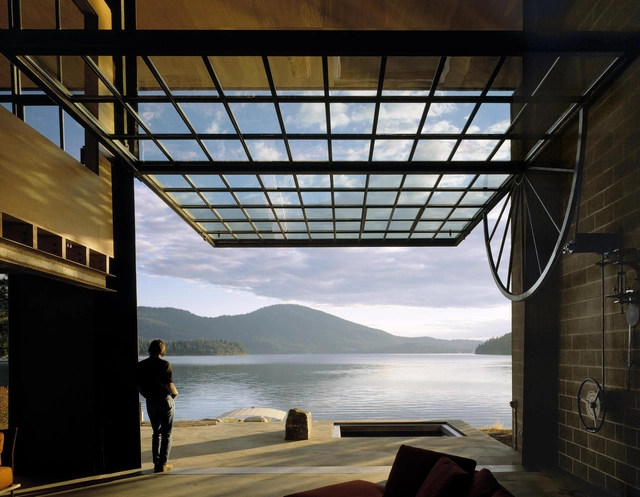
Seattle-based Olson Kundig is a prime example of how a firm's design approach is shaped by geography and culture. Founded by Jim Olson (Jim Olson) in 1966, the firm now comprises hundreds of employees and four other partners, including Tom Kundig. The practice boasts a wide and diverse portfolio. In lectures and interviews, Kundig frequently discusses how his upbringing in a region with a rich history of mining and logging influenced his industrial and rational aesthetic, his use of durable, low-maintenance materials, and his keen focus on craftsmanship. At the same time, an imaginative approach that emphasizes kinetic elements and blurs the boundaries between indoors and outdoors is a hallmark of many of the firm's designs. This is often achieved through the integration of manual, hand-operated devices that allow users to physically activate the building, connecting them to the environment, the architecture, and its kinetic mechanisms.
One of the greatest difficulties when studying is understanding how to apply the concepts presented to us. In structural engineering education, it is common to use symbols and abstractions to understand the forces involved in a structure and how they work. Another major challenge is translating this abstract information into something tangible: the actual building elements.
Engineer Matheus Borges has been creating illustrations on his Instagram to help decode this information. Below, we look at what these support types are and how they behave.
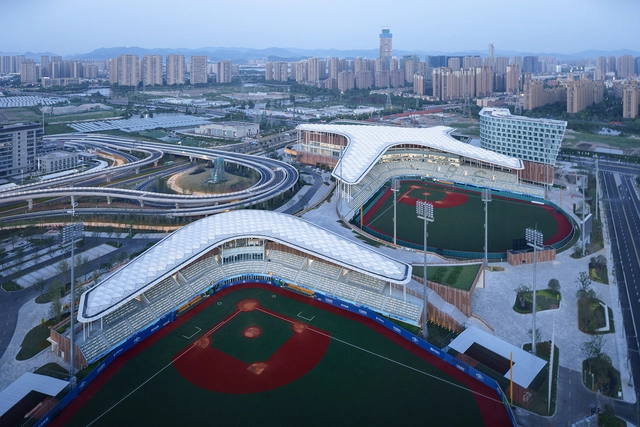
At the recently concluded Asian Games, the Architectural Design and Research Institute of Zhejiang University (UAD) participated in the design of numerous competition venues. Among them, the Hangzhou Asian Games Baseball and Softball Sports Cultural Center is the largest newly built venue for this edition of the Games, as well as the largest, most advanced, and highest-standard baseball and softball sports center in China to date. For this edition of Spotlight, we interviewed UAD's Qian Xidong to discuss his design philosophy shaped by years of professional practice.
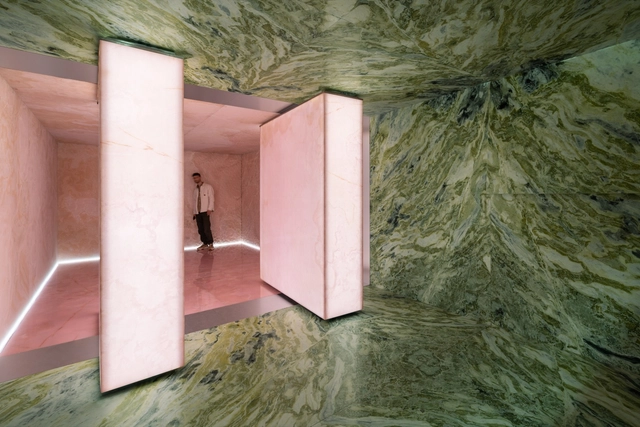
Throughout its existence, architecture has continuously reinvented itself, driven not only by the emergence of new techniques and trends, but also by a deeper understanding of the human being. In recent times, the field of neuroarchitecture has yielded valuable research into how built environments influence our brains and, consequently, our behavior and well-being. This interdisciplinary approach suggests that interior design—specifically materiality and surface design—can play a crucial role in modulating individuals' neural and behavioral responses.
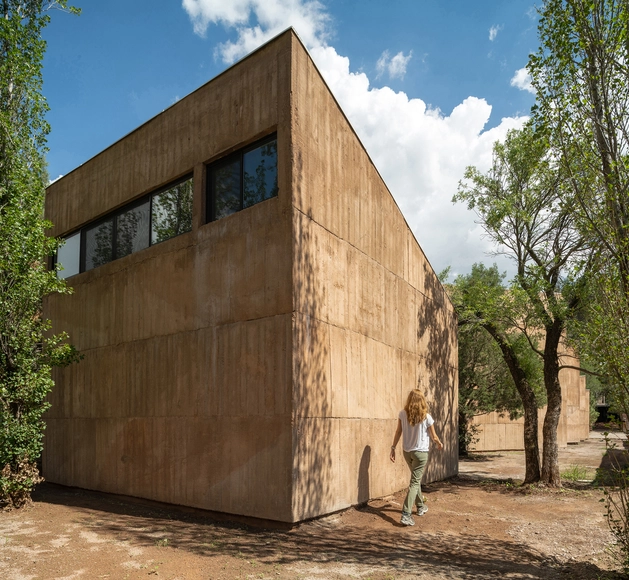
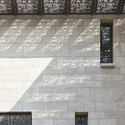
Highly beneficial in climates with wide diurnal temperature ranges, where there is a significant difference between day and night temperatures, thermal mass is a key concept to consider when designing for optimal thermal comfort. As a passive strategy for temperature control, it eliminates the need for additional energy consumption, making the building more sustainable.
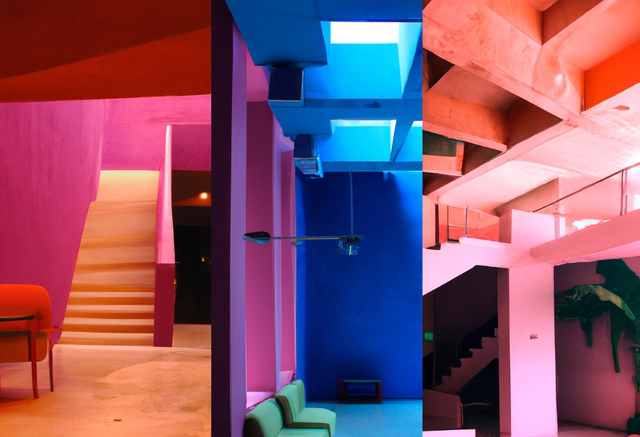
Identity is a complex, constantly evolving concept—a social construct built from historical elements, cultural factors, circumstances, and phenomena manifested in a specific place. In Mexican architecture, this identity is reflected in works conceived through the vision of artists and architects like Diego Rivera and Agustín Hernández. In projects such as the Anahuacalli Museum and Casa en el Aire, they captured the colossal proportions, symmetry, and simple forms of Mexico's pre-Hispanic past. Similarly, distinctive attributes, such as the folklore of traditions, are reflected in the sensitive use of color in the work of Luis Barragán and Javier Senosiain, creating a rich amalgam of artistic expressions that embody Mexican architectural identity in its diversity and ongoing evolution.
A few years ago, one of my favorite university professors (who inspired me to study urban planning) approached me with a small request: she wanted to transform her small bedroom window into a balcony so she could look out onto the street.