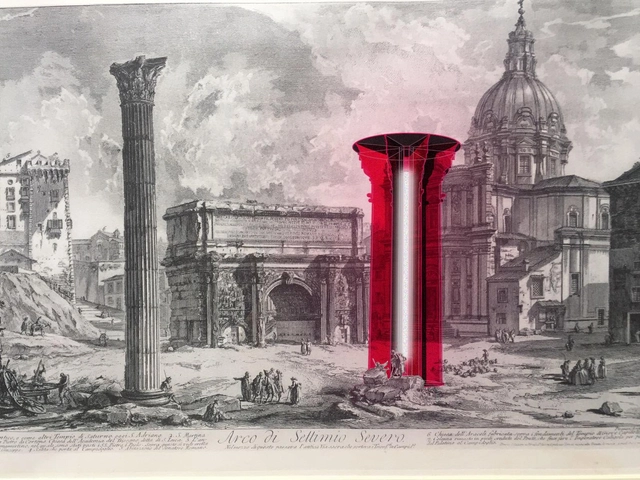
Column [Noun, from Lat. columna] A vertical and elongated support element, generally circular in section, used to decorate and support other structural elements.
Column [Noun, from Lat. columna] A vertical and elongated support element, generally circular in section, used to decorate and support other structural elements.

Kuélap, a pre-Inca site built by the Chachapoyas culture, is located in the north-central part of Peru, in the Amazonas Region. It forms a massive stone architectural complex characterized by its monumentality, featuring a large artificial platform seated on a limestone ridge at the summit of the mountain. Its colossal walls and complex interior architecture bear witness to its function as a well-organized settlement, which included administrative and religious enclosures, ceremonial spaces, and permanent residences.
For a long time, the Peruvian government had targeted the archaeological complex for ongoing visitation and conservation. As an essential destination for both domestic and international tourists, the cable car circuit project was finally brought to fruition through a public-private partnership. Here, we present an intriguing architectural project developed by FD Arquitectos y Urbanistas. Its design successfully reconciles the technology and modernity required by the project's complexity with the traditional vernacular construction of Amazonas, promoting environmental sustainability and a deep understanding of the high-jungle territory.
.jpg?1555408495)
For almost a millennium, Notre-Dame Cathedral has stood proudly on Paris’ central Île de la Cité, a symbol of the city’s history, culture, and romanticism. On Monday, April 15th, 2019, thousands who lined the banks of the Seine and millions more across the world watched on in a mixture of disbelief, heartbreak, and helplessness as the Gothic masterpiece burned before their eyes.
The fire has fortunately not claimed any lives but has robbed the landmark of its 19th-century spire, roof, and potentially priceless stained glass windows and interior ornamentation and artwork. At the time of writing, it appears that the main structure of Notre-Dame Cathedral has been saved and preserved, owed to the efforts of 500 firefighters deployed to the disaster.
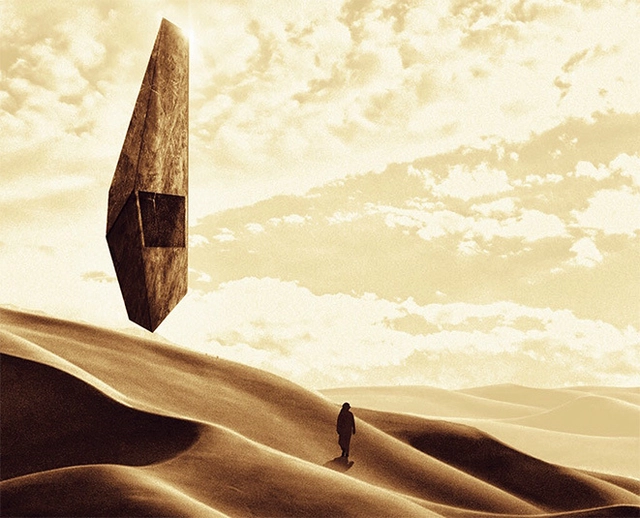
Although James Blish’s “Cities in Flight” was not the first attempt to combine architecture and anti-gravity technology, it was in this book series that we can see it prevailing on an urban scale. Throughout its evolution, architecture has crawled out of caves, settled on grounds, climbed on pilotis, floated on water, stood high, and even danced. Now many argue that it is high time for it to move forward and assume some of its multi-directional and forthcoming probabilities.
.jpg?1555067732)
The Midnight Charette is an explicit podcast about design, architecture, and the everyday. Hosted by architectural designers David Lee and Marina Bourderonnet, it features a variety of creative professionals in unscripted and long-format conversations that allow for thoughtful takes and more personal discussions. Honesty and humor are used to cover a wide array of subjects: some episodes provide useful tips for designers, while others are project reviews, interviews, or simply explorations of everyday life and design. The Midnight Charette is available for free on iTunes, YouTube, Spotify, and all other podcast directories.
On this episode of The Midnight Charette podcast, hosts David Lee and Marina Bourderonnet discuss the factors to consider when choosing an undergraduate architecture school. The two cover everything from program curricula to group dynamics, accreditation, faculty leadership, school reputation, student work and portfolios, course diversity, 5th year, job opportunities after graduating and more. The Midnight Charette also recently interviewed several educators and academic leaders on architecture education and their own work. If you have any questions or advice about portfolios or any other design-related topics, leave a voicemail at The Midnight Charette hotline: 213-222-6950.
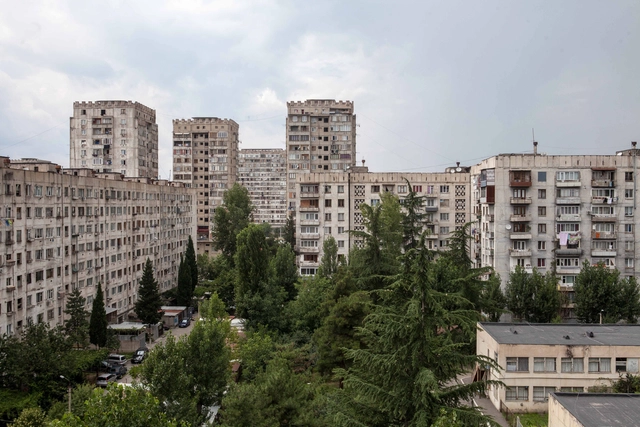
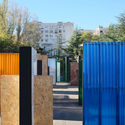
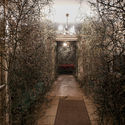
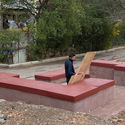
The first architecture Biennial since Georgia’s independence was held in Tbilisi in October 2018, with an ambitious and diverse programme of exhibitions, installations and events. The Biennial transformed a vast microdistrict into an architectural playground, highlighting the particularities of the existing urban fabric as much as the temporary installations.
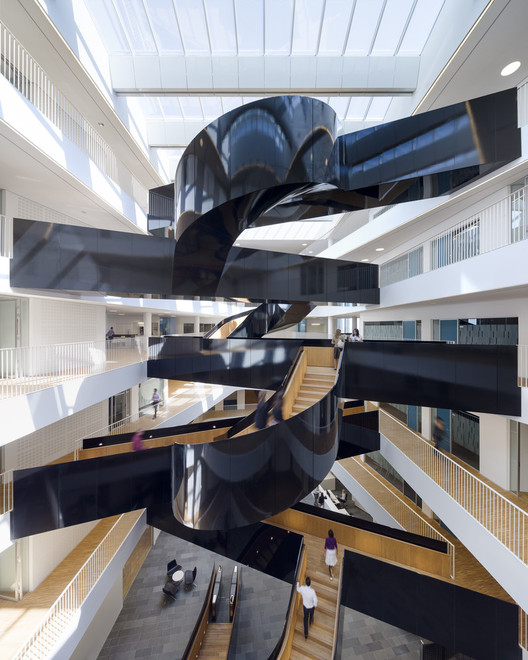
Sculptural, elegant, and striking. Numerous adjectives can describe the stairs designed by Danish firm 3XN. With bold designs that challenge conventional vertical circulation, they add layers of inventiveness to the spatial experience, turning movement into a journey.
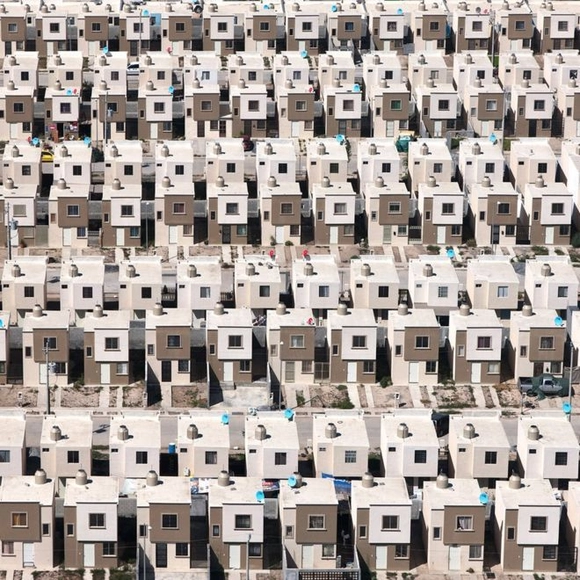
Continuing the series of articles developed by Nikos A. Salingaros, David Brain, Andres M. Duany, Michael W. Mehaffy, and Ernesto Philibert-Petit, in this article we'll be exploring how observations on social housing in Latin American have been approached from an outdated and antagonistic point of view. Notions and errors committed in previous studies - in some cases simply by inertia - are discussed in the Latin American context, and propose adaptable solutions focused on the long-term, urban roots of residents.
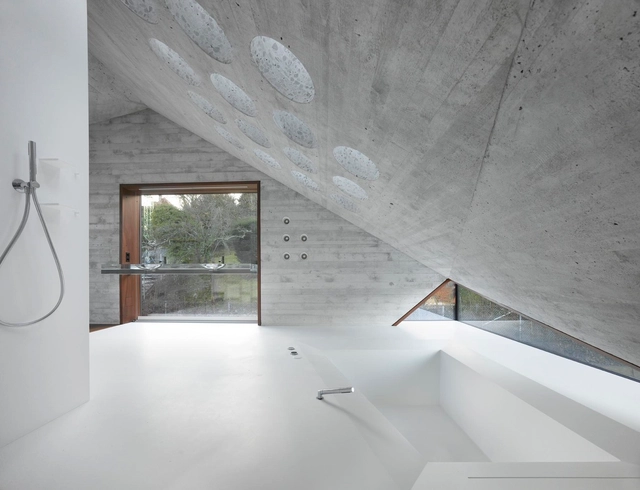
Why use concrete in bathrooms?
Béton brut or "raw concrete" is a naturally porous material that provides many advantages for the design and build of a bathroom. As a waterproof and pressure-resistant material, it is easy to clean, doesn't deteriorate, prevents bathroom fungus and is low maintenance. Attractive as it is functional, concrete is versatile for both on-site furniture and wall coatings, floors and even shower trays. In addition, due to its thermal mass, concrete is an excellent material for floor heating.
Pro Tip: There are a variety of concrete finishes, but for the safety of daily bathroom users, you must add a surface sealer and a certain percentage of traction to avoid slippage.
Below, we've compiled 26 concrete bathrooms that find intimacy in béton brut.
This collection is one of many interesting content groupings made by our registered users. Remember you can save and manage what inspires you on ArchDaily account. Create yours here.

CODE - COmpetititons for DEsigners - launches “Italian Tradition Market”, a competition of ideas aiming to design the first market of handcrafted Italian excellences of Art, Craftsmanship, Food and Wine production and Areas on the remains of a 88 B.C. Roman Theater. A cash prize of € 10,000 will be awarded to winners selected by a well-renowned jury made of, among the others, Enzo Eusebi, Alfredo Häberli, Andrea Marcante (Marcante Testa), Benedetta Tagliabue (Miralles Tagliabue), Dong Gong (Vector Architects).
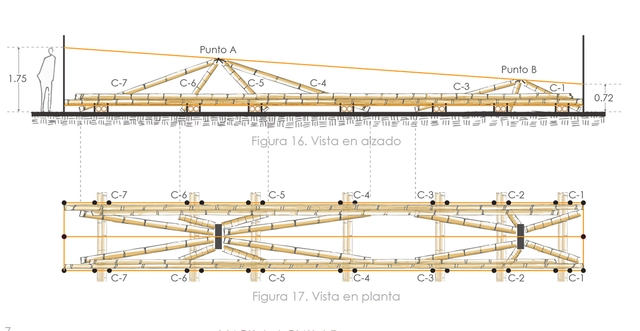
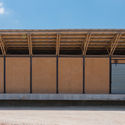
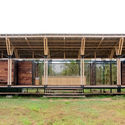
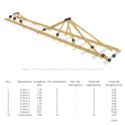

Bamboo is a building material that has been used since antiquity in various structures. Thanks to its countless benefits, it has proven superior to newer materials like plastic and steel, while its unique aesthetic appeal has established it as one of today's most prominent architectural trends.
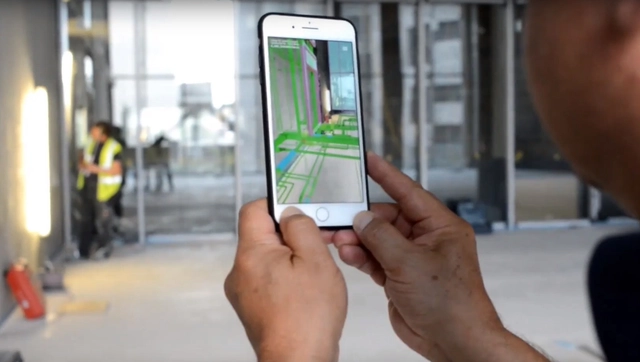
A technological innovation is revolutionizing one of the oldest professions in the world. Augmented reality has just broken onto the scene and has already been transforming civil construction. The changes are seen not only in designing and modeling, but also in building. Augmented reality benefits the entire construction team: engineers, designers, architects, project managers and service providers.
Unlike virtual reality, which creates a totally new and independent environment of the real world, augmented reality includes virtual elements that interact with what already exists. It is thus possible to combine virtual architectural designs with the reality of the construction site, increasing efficiency and accuracy, reducing the occurrence of errors and saving time, money and resources.
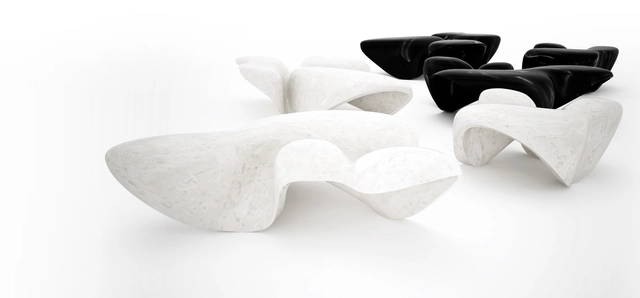
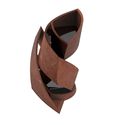
As the week comes to an end, Milan Design Week wraps up yet another successful year of creativity and innovation. Thousands of design companies displayed their creations to more than 200,000 visitors hailing from different countries, demographics, and career backgrounds. Although the design fair gravitated towards the world of interior design, many renowned architects participated in the week-long exhibition and joined their forces with interior and furniture design experts.
Along with the impressive collaborations that these architects created with lighting companies, take a look at how they used their expertise in forms and structures to develop unique furniture pieces.
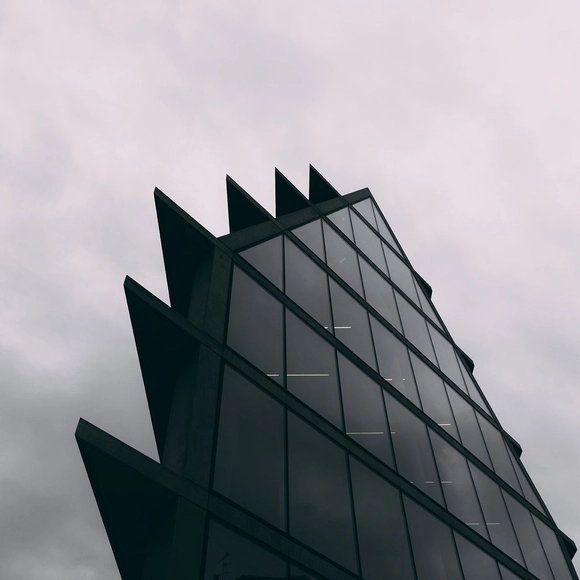
Name: Monolicious
Photographer: Sebastian Weiss
Location: Milan
Year: 2018

The terminology cultural property has several definitions. Found across various spheres and historical periods, the term has been gradually reshaped, with its application and meaning expanding and becoming more clearly defined over time.
_0819.jpg?1555075404&format=webp&width=640&height=580)
Over the past few days, exceptional products have been exhibited at the Salone del Mobile, ranging from furniture pieces and light fixtures, to textiles and finishes. As part of Milan Design Week, the Salone saw impressive collaborations with architects and the use of never-seen-before materials, all displayed at the Milan Fairgrounds, while some projects — too grand and imposing for a constraint exhibition — took place at the second part of the event, the Fuorisalone.
Take a look at some of the most remarkable outdoor installations at the Milan Design Week 2019 captured by the lens of architectural photographer Laurian Ghinitoiu.
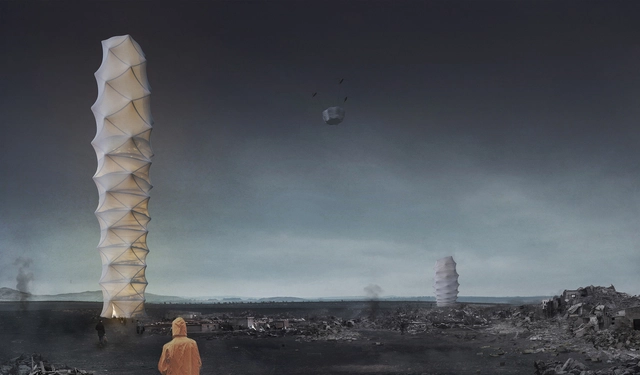
"About one year ago we were hard at work, doing our best to come up with a proposal that could have a shot at winning the next edition of the world-famous eVolo Skyscraper Competition. Here’s our account of how we were able to achieve that and some tips and insights we were asked to share that you might hopefully find useful if you plan on following in our footsteps".
Original text by: Damian Granosik, Jakub Kulisa and Piotr Pańczyk.
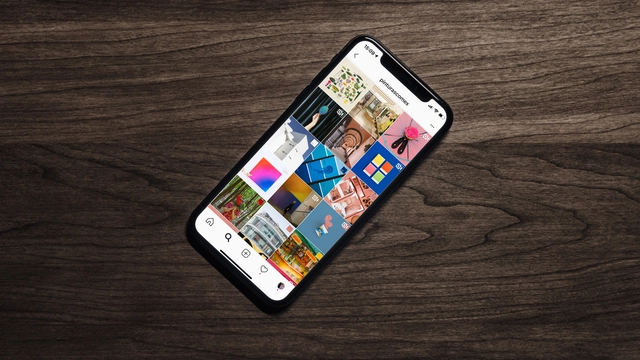
Instagram is one of the most popular social media platforms in the world, with more than 1 billion users searching and discovering new images, videos, brands, businesses, and content every day. According to Instagram’s User Survey, 60% of people stated they discover new products on Instagram, and more than 200 million Instagrammers stated that they visit at least one Business Profile daily.
.jpg?1555408465)
.jpg?1555408470)
.jpg?1555408495)

.jpg?1555408658)
.jpg?1554909604 "Alexander Brodsky installation on the roof of the KDK bridge building. © Anka Gujabidze")






.jpg?1555159259 "KOR Armchair and Sofa - William Sawaya x Sawaya & Moroni. Image Courtesy of Sawaya & Moroni")

.jpg?1555158250 "ALESSANDRO I-II-III - William Sawaya x Sawaya & Moroni. Image Courtesy of Sawaya & Moroni")




_0942.jpg?1555075486 "Temporary Exhibition by Space Encounters. Image")
_0885.jpg?1555075448 "Conifera by COS x Mamou-Mani. Image")
_1081.jpg?1555075537 "Echo by Pezo von Ellrichshausen . Image")
_1351.jpg?1555075661 "La Foresta dei Violini by Piuarch. Image")
_0819.jpg?1555075404)