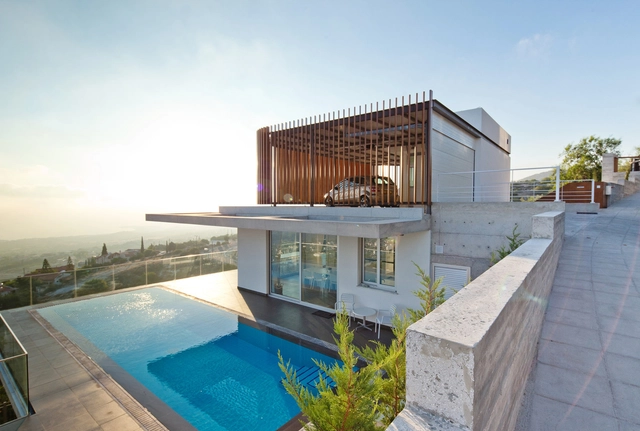
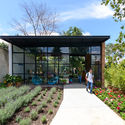
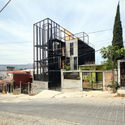
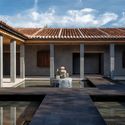
The architecture of Cyprus has been defined by larger geopolitical forces throughout history. Located in the Eastern Mediterranean, the island country is shaped physically and socially by the Cyprus dispute. Dating back to the bronze and iron ages, its architecture has been influenced by the Greeks, Assyrians, Egyptians, Persians, and Romans. Today, new homes are built across the island that reinterpret past building methods and construction techniques.
Among the diverse range of programs and typologies within architectural and urban practice, public and cultural projects perhaps have the greatest impact on urban life. This type of program is certainly compelling, as it involves designing buildings and spaces that will be appropriated by a vast number of users with diverse demands and ways of occupying space.
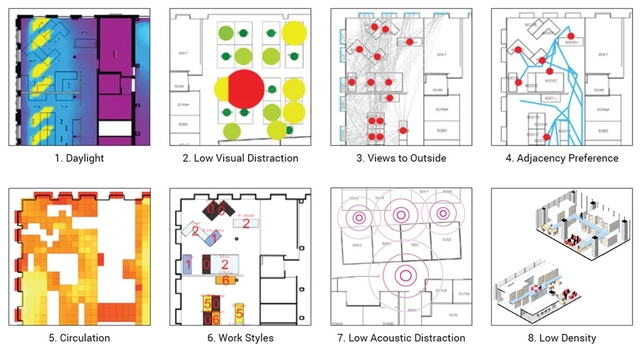
Trial and error. On a napkin, on tracing paper, or on a black CAD background, much of an architect's work is to make and redo lines, shapes, objects, and images. Discard, start over, repeat. Between an initial idea and a final project is a long and exhausting path. This difficulty lies in the root of designing as a process of making infinite decisions, where a change can influence countless other elements and consequently is an exercise in choosing benefits and concessions. These choices can take a number of forms, from determining how much area to cover while minimally impacting the environment to fitting as many work tables in an office as possible without losing good circulation. Each require many studies or considerations to arrive at the most suitable option. For example, the position of a window, even if it looks great on a the façade, can make the location of the bed in a dormitory unfeasible or increase the building's energy consumption.
Of course, there are always tight deadlines and budgets throughout any project, with the client often in a hurry and willing to devote limited time to thinking about every possible combination or the precise appropriateness of each decision. This stage is where, increasingly, the concept of Generative Design has appeared in architecture.
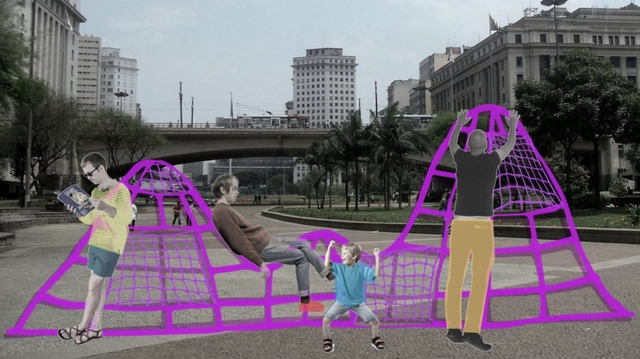
"Três Morros para São Paulo" (Three Hills for São Paulo) project, by Laura Sobral and Raphael Franco
Cities are catalysts for encounters and opportunities, drawing in people in search of greater scale and diversity. Now, with social gatherings restricted, what becomes glaringly obvious is our interdependence and the importance of the spaces that sustain exchange and coexistence. Let me explain this through something simple, yet no less significant for this moment: most public spaces in Brazil—squares, parks, sidewalks—when they exist at all, are barren. In other words, they lack the infrastructure to support people lingering.
As Artificial Intelligence has become one of the most significant forces driving innovation and economic development, this societal transformation requires new knowledge and an additional set of skills. Just as knowing a BIM software has become a prerequisite for most architecture jobs, understanding or even knowing how to use AI-related tools would become a desirable asset, if not a requirement in the future. However, with a vast array of information available, how does one begin to venture into this topic? The following is a compilation of online resources, lectures, and courses, that could provide a better understanding of the field and how to incorporate it into the practice of architecture.
Everyone is eager to return to the new routine of the future that lies ahead. The COVID-19 pandemic has demanded daily innovation as well as adaptation in the way we live. Solutions are highly diverse. Many of them were already available but, under normal circumstances, might have taken years to be tested and approved. Others are not only old acquaintances but have long been advocated and demanded by us. Now that they have had to be implemented in record time, our only certainty is this: nothing will be as it was before.
https://www.archdaily.com/1123792/pedestrian-mobility-in-times-of-pandemicWans Spiess, Kelly Fernandes e Ana Carolina Nunes
With the recent release of Twinmotion 2020, you can now create even more convincing visualizations and immersive experiences from your CAD and BIM models. In addition to a huge boost in realism, one of the most significant areas of improvement in the new release is project review, with a range of features for fast BIM design review and presentation.
Located in southern Mexico, bordering the state of Tabasco and sharing a border with Guatemala, the state of Chiapas is one of the most significant regions for Mesoamerican cultures like the Olmec, Maya, and Chiapanec. Consequently, some of the area's most important tourist attractions are the archaeological zones of Yaxchilán, Palenque, Chinkultic, Toniná, and Bonampak, which are crucial for understanding the construction, structural, and social processes that shaped this territory.
At 60, Brasília continues to command attention. No one seems indifferent to the flaws and merits of the first contemporary city to be designated a World Heritage Site. On the anniversary of the Brazilian capital, we look at its walkability, exploring why the controversies surrounding its lack of urbanity are well-founded.
Yesterday, on the 20th of April, we passed the cap of 111 days of the pandemic. During this time, we’ve been busy fighting in supermarket aisles over toilet paper in Australia, lining up for marijuana purchases in Amsterdam and boosting gun demand in the USA. We are conscious none of those will help in fighting the virus, but we do it, nonetheless. Beyond the bizarre human psyche, this pandemic unveils interesting trends that will, whether we like it or not, impact on Architecture and Cities.
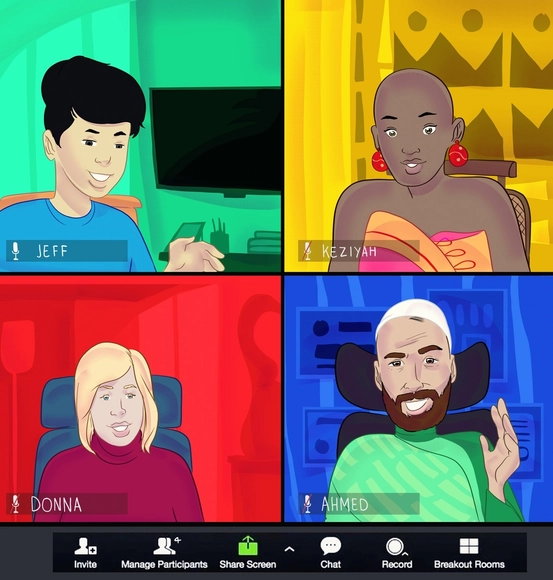
https://www.archdaily.com/937928/introducing-an-illustrated-series-architecture-and-cities-post-virusZaheer Allam, Gaetan Siew and Felix Fokoua
During the academic formation process, beginner architects are educated and trained to develop projects on the most “traditional” software. Several reasons might explain that: the partnerships that these companies usually make with the university labs, the lack of time to learn a new program, or the culture to use the most popular software.
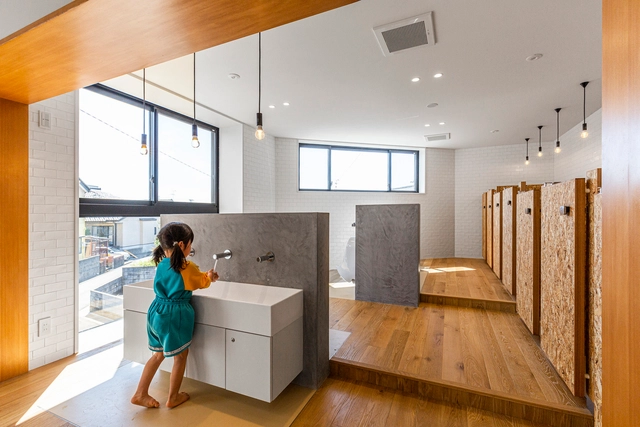
We often use the term accessibility when designing spaces for the elderly or for people with special needs. However, to guarantee effective universal design for children, it is necessary to understand and cater to their specific needs as well, especially through ergonomics, safety, lighting, colors, and some particular accessories. In this article, we will cover the most important parameters to consider when choosing dimensions and materials in public bathrooms for young children.
When discussing indigenous peoples, it always seems like something far from us, something that does not belong to us—relegated to the distant forest, to history, and so on. This segment of the population is often met only with prejudice and stereotypes. Even the term “indigenous culture” is commonly romanticized, even by self-proclaimed experts, whether out of ignorance, lack of access to accurate information, or sheer intellectual laziness. Yet the fact remains: we have always had indigenous peoples among us.
https://www.archdaily.com/1123466/indigenous-peoples-in-urban-spaces-it-was-not-the-village-that-came-to-the-city-but-the-city-that-came-to-the-villageDanielle Klintowitz, Fernanda Correia e Marcos Aguiar
One of wood's main appeals is its ability to bring visual warmth to a space, making it more welcoming and comfortable. Consequently, architects and interior designers frequently specify this material for flooring and wall cladding in a variety of species, patterns, and tones. However, moving beyond traditional applications, using wood for residential ceilings has become increasingly common. This approach not only enhances the cozy atmosphere and creates a sense of a lowered ceiling, but, above all, significantly improves acoustic comfort.
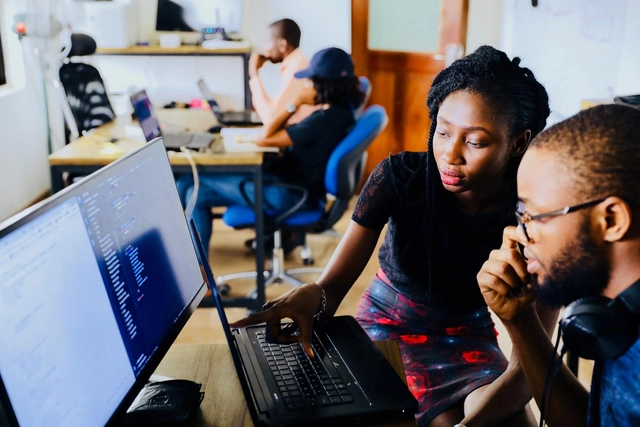
The impact of COVID-19 has disrupted daily life as we know it and caused a shift in technology trends within the workplace. Over recent weeks, businesses have found themselves hastily searching for and implementing temporary solutions to help them deliver an uninterrupted service. These solutions are highlighting the significant role technology plays in helping companies adapt to the situation and maintain daily operations. But what happens once the crisis is over?
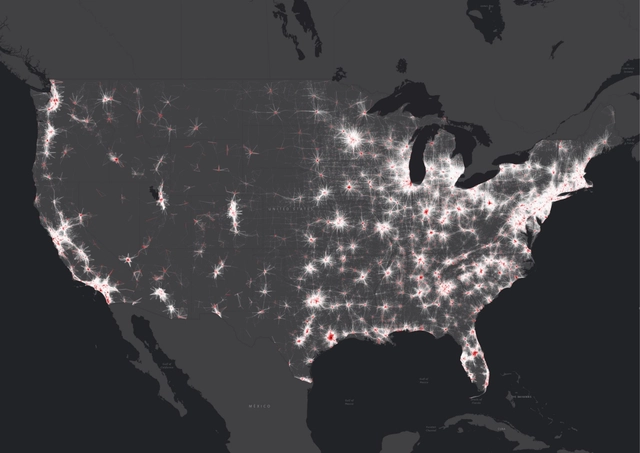
Intro GPS systems and Location Based Services give access to an important amount of data that is currently being used mostly for traffic analysis - but which, if properly processed, could open up infinite possibilities for planning.The access to these Mobility Big Data is no longer a privilege of large cities; on the contrary, it is possible to effectively apply the technologies to increasingly more diverse territories, from mega-regions to contained districts and cities. These data, when retrospectively compared to previously collected ones, lend themselves to multiple applications loosely related to the traffic issue, such as socio-demographic or economical studies. Systematica opens the doors of its laboratory to show us what are the potentials and limits of these tools, starting from a direct experience - a research project, developed in the Los Angeles area.
For the 2019 Shenzhen Biennale of Urbanism\Architecture (UABB), titled "Urban Interactions," (21 December 2019-8 March 2020) ArchDaily is working with the curators of the "Eyes of the City" section to stimulate a discussion on how new technologies might impact architecture and urban life. The contribution below is part of a series of scientific essays selected through the “Eyes of the City” call for papers, launched in preparation of the exhibitions: international scholars were asked to send their reflection in reaction to the statement by the curators Carlo Ratti Associati, Politecnico di Torino and SCUT, which you can read here.
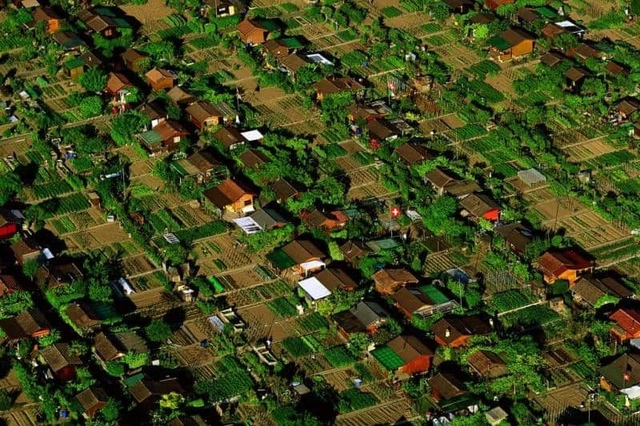
Les Avanchets is a Swiss town where the majority of residents grow their own food in home gardens. Beyond cultivation, trading food is also common practice: those with surplus carrots trade them for cabbage or lemons, ensuring everyone has access to a healthy, diverse, and pesticide-free diet.
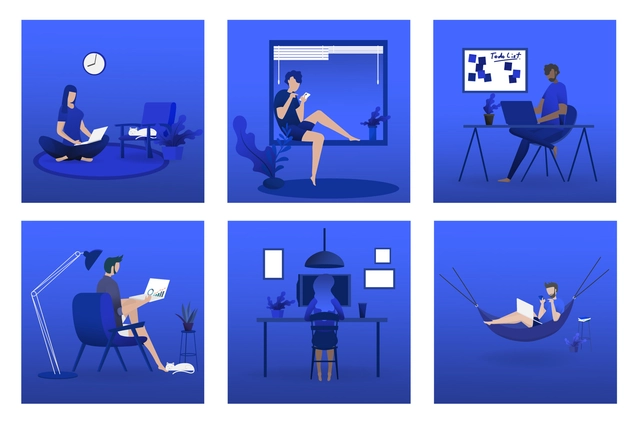
Once the period of lockdown and widespread contamination of the epidemic is over, we will no longer be the same. This phrase has been repeated time and again, and indeed, global society will never be the same. Work relations are likely to change, and labor laws may adapt to allow technology to become an ally in employer-employee relations, ultimately yielding a positive impact on mobility, the environment, and energy consumption.
https://www.archdaily.com/1123986/how-the-covid-19-pandemic-will-challenge-us-to-create-new-public-spacesAna Paula Wickert