What is your idea of landscape? Landscape Architecture—a field of knowledge adjacent to architecture and urbanism—is often translated into Portuguese as landscaping (paisagismo), a term many resist because it fails to capture the discipline's true complexity. We suspect this discomfort stems from a common architectural tradition in Brazil that views the landscape as a purely designed, static entity.
The Reggio Emilia Approach was created in the post-WWII period at the initiative of widowed mothers and under the coordination of journalist and educator Loris Malaguzzi. In a time of postwar urban reconstruction, the group's primary concern was the formation of new schools, where they wanted to create a peaceful, welcoming, and cheerful environment, with a domestic atmosphere where children could stay while their mothers worked. Understanding the children's interests and providing a suitable environment for exploration and experimentation is one of the focal points of this pedagogy. The creation of a safe and stimulating environment is so fundamental that, in much literature, it appears as a third teacher.
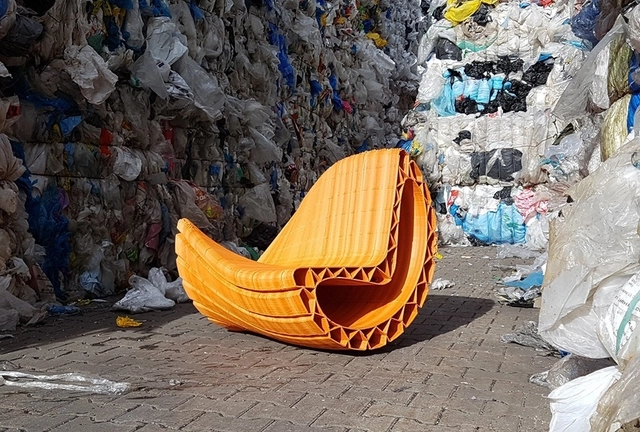
Making material recycling commonplace within the architectural field would require a top-down approach in adapting the industry’s processes and standards to create a suitable framework for the task. However, individual endeavours are bringing about change within the profession, pushing for a reconsideration of architecture’s relationship to waste. This article looks at some of the initiatives that are spearheading the transition towards a common practice of material recycling.
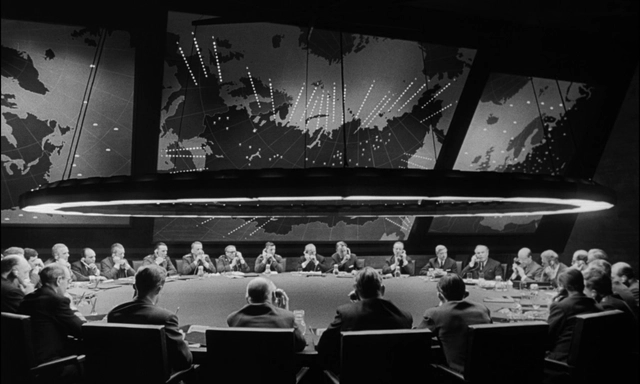
Dr. Strangelove or: How I Learned to Stop Worrying and Love the Bomb is one of those rare movies that not only gets better with time but also presents a new layer of meaning with each viewing. Recently I’ve come to believe that it’s the most important movie about environmentalism ever made, not only because of its warning about nuclear annihilation, which is obvious, but because of its sly critique of the idea of professionalism and the nature of work.
https://www.archdaily.com/944214/dr-strangeloves-strange-environmental-lesson-for-architectsChristopher L. Cosper
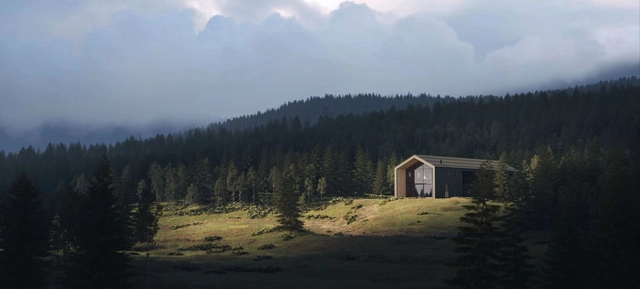
Architectural visualization company Brick Visual has been loading its most complex scenes into Chaos Group’s real-time 3D ray-traced engine, Project Lavina, since the private beta first launched. With the first public beta now available, Attila Cselovszki, CDO at Brick Visual, shares how adding Project Lavina to the architectural visualization (arch-viz) pipeline has revolutionized the way they work.
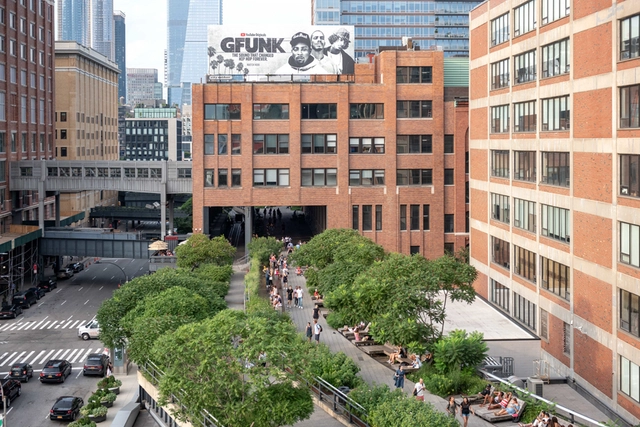
An aerial view of the High Line with Chelsea Market. The park plans to reopen, with certain restrictions, on July 16. Courtesy Timothy Schenck
Metropolis catches up with the High Line Network, a consortium of North American reuse projects that has been sharing notes and best practices through the pandemic.
Since the pandemic began, the High Line Network—a group of North American infrastructure reuse projects founded in 2017—has been conducting regular teleconference calls among its members, comparing notes on operations and sharing best practices and advice with fellow members. With many open or planning to reopen soon, and as the pandemic continues, many observers expect these projects will become even more popular among the public, since they provide outdoor space where visitors can walk, bicycle, and safely enjoy themselves—usually at an appropriate distance from one another. Especially now, the network believes its constituent projects can deliver tremendous and much-needed social, health, environmental, and economic benefits.
As seen throughout architectural history, ephemeral installations and pavilions are key elements for addressing specific architectural moments and social manifestations in an almost immediate way. While some pavilions have proven so significant that they transcended their temporary nature to become permanent, exemplary expressions of a historical moment—such as the Barcelona Pavilion, designed by Ludwig Mies van der Rohe and Lilly Reich for the Barcelona International Exposition in Montjuïc—others remain documented in photographs, plans, and experiences, to be rewritten in future projects.
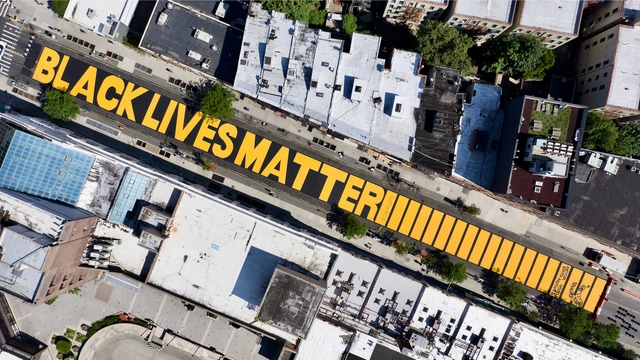
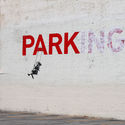
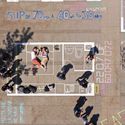
When urban spaces become the medium for expression, protest, criticism, and defiance, the audience is limitless. Pedestrians and bystanders of all ages and ideologies become spectators of demonstrations that walk the line between art and activism and transform the city's streets, walls, and sidewalks into canvases for diffusing ideas on a massive scale. Banksy once said that "a wall is a very big weapon. It's one of the nastiest things you can hit someone with." This call to arms has rung true for many as they take to the streets in a bid to make themselves heard.
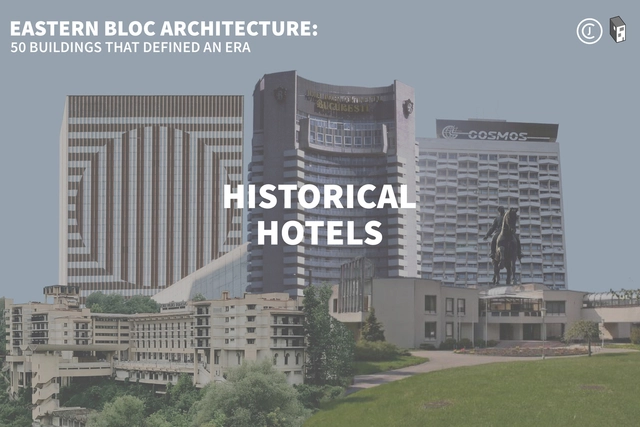
This article is part of "Eastern Bloc Architecture: 50 Buildings that Defined an Era", a collaborative series by The Calvert Journal and ArchDaily highlighting iconic architecture that had shaped the Eastern world. Every week both publications will be releasing a listing rounding up five Eastern Bloc projects of certain typology. Read on for your weekly dose: Historic Hotels.
https://www.archdaily.com/944207/eastern-bloc-architecture-historic-hotelsLucía de la Torre
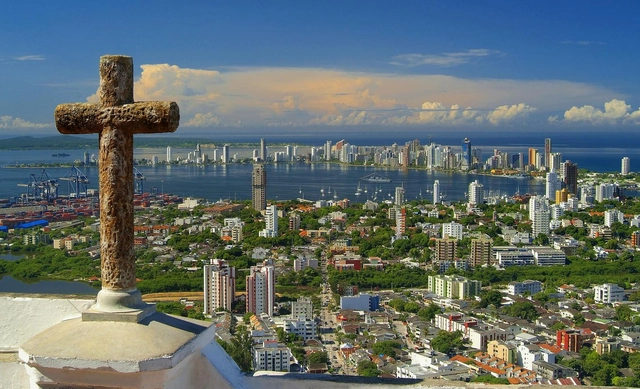
July 20th marks the date when Colombia celebrates its independence from Spanish rule. Two centuries later, the very idea of independence remains debatable. Although the Colombian republic is constitutionally independent, colonial legacies continue to structurally dominate society today.
The Maya Train is the federal government's flagship project, formally announced in December 2018. It is planned as a regional train for locals, tourists, and cargo, intended to generate regional economic benefits through tourism. According to the official project brochure, it "is based on a sustainable development model that drives economic growth without depleting the environment" and "promotes a tourism scheme in which visitors travel through local communities, preventing tourist concentration in a single destination," thereby "distributing wealth throughout the peninsula."
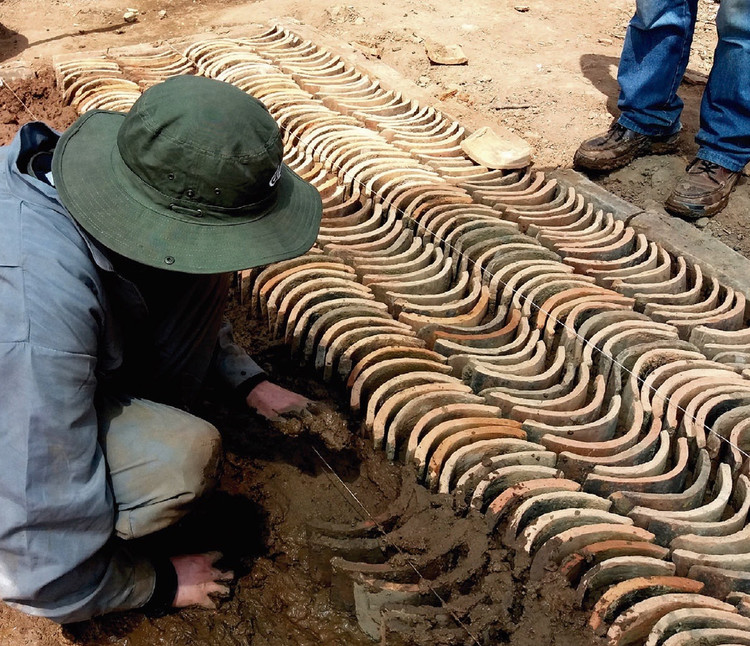
Whether you're looking for an upgrade or to replace broken pieces for floors or walls, tiles are always an effective and readily available option for any project that you have in mind. With their relatively low production cost, tiles are rarely reused or recycled and, if they are, it's usually for their original function.
CCTV Headquarters in Beijing. Image courtesy of Caos Planejado
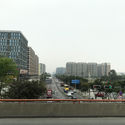
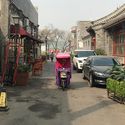
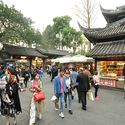
Hundreds of towers repeat across a hazy horizon. Traditional buildings crumble, while others have been rebuilt into tourist shops. Colorful Lamborghinis share sluggish traffic with old taxis, laborers' tricycles, and executives riding yellow bikes from Ofo, the world's largest dockless bike-sharing company. Some pedestrians wear masks to filter the polluted air, others carry shopping bags, others spit on the ground or walk the streets in pajamas. Street vendors are extremely rare, in contrast to the police and military personnel seen on almost every corner.
Recycling has long been an entry point into sustainable design. It's personal, achieved at a micro scale where individuals can reduce waste and preserve energy. But between resource shortages, environmental habitat loss and the global climate crisis, there has been a shift in daily practices towards more circular thinking. Increasingly, the need to sustain life is part of a continuous process of production, resorption, and recycling where waste becomes the input for production.
New Generations is a European platform that analyses the most innovative emerging practices at the European level, providing a new space for the exchange of knowledge and confrontation, theory, and production. Since 2013, New Generations has involved more than 300 practices in a diverse program of cultural activities, such as festivals, exhibitions, open calls, video-interviews, workshops, and experimental formats.
New Generations launches a fresh new media platform, offering a unique space where emerging architects can meet, exchange ideas, get inspired, and collaborate. Recent projects, job opportunities, insights, news, and profiles will be published every day. The section ‘profiles’ provides a space to those who would like to join the network of emerging practices, and present themselves to the wide community of studios involved in the cultural agenda developed by New Generations.
Earlier this month, Steven Holl Architects designed and created their project Obolin, a sculpture made locally from a single panel of cross-laminated timber, or CLT. It was made for and is now exhibited in the Art Omi Sculpture and Architecture Park, an art center that seeks to explore the intersection of architecture and art through the production of pavilions, installations, landscape interventions, and built environments designed by architects.
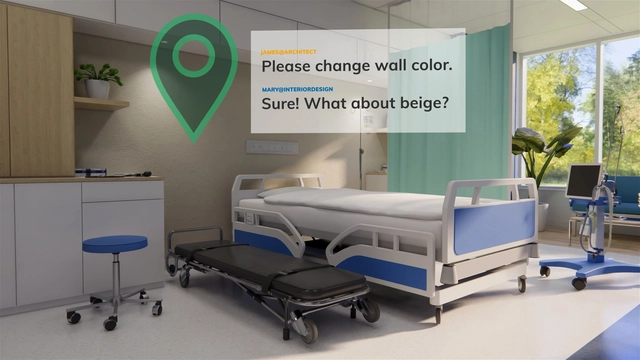
It takes more than creativity to create exceptional designs. Effective collaboration is an essential element in any successful project, as well as in day-to-day business. Using the right tools can help architects and designers overcome project obstacles and elevate their designs. Real-time rendering tool Enscape has introduced a collaborative issue-tracking feature, aptly named Collaborative Annotation, in their latest software version 2.8. This new feature promises to provide architects and designers with a more collaborative workflow.



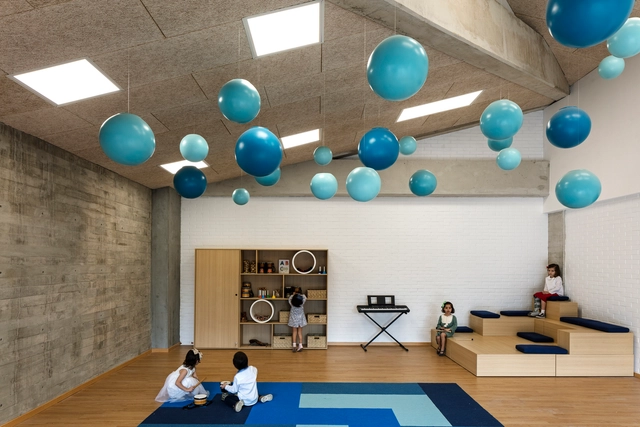
.jpg?1594149242 "Redbridge School / ARX Portugal Arquitetos. Image © Fernando Guerra | FG+SG")




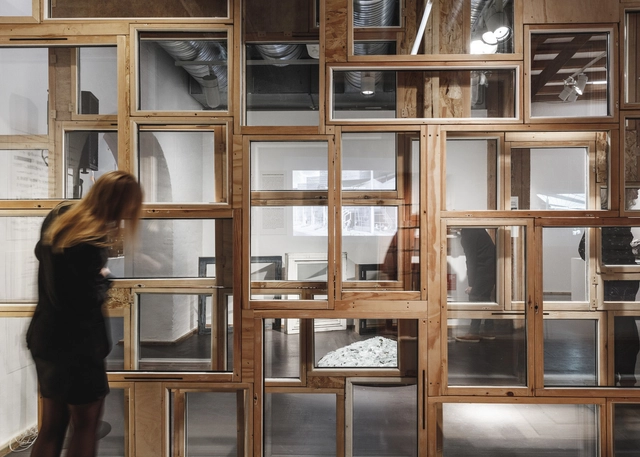









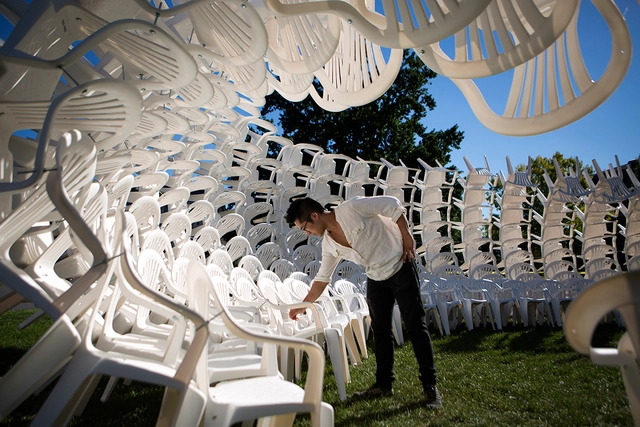
.jpg?1595384588 "Izaskun Chinchilla Unveils ‘Organic Growth’, a Recycled Pavilion Funded via Kickstarter. Image © Sergio Reyes")



.jpg?1595343069&format=webp&width=640&height=580)










_Photo_Credits_Xhuliano_Lacinaj_.jpg?1595246315 "ABACO - The Greek apartment, Paris (France) © Xhuliano Lacina")

.jpg?1595011758&format=webp&width=640&height=580)
.jpg?1595011817 "© Steven Holl Architects")
.jpg?1595011785 "© Steven Holl Architects")
.jpg?1595011840 "© Steven Holl Architects")
.jpg?1595011828 "© Steven Holl Architects")
.jpg?1595011758)