My mother is a psychologist, so our family talks a lot about emotion. More specifically, we discuss the experience of emotion, because, as she likes to remind me and my sisters, “We don’t think our feelings—we feel them, in our bodies.” According to my mother, it’s this experience of emotion that gives our lives a sense of meaning and vitality; as a result, her work isn’t about intellectual insight or abstract theories, but rather about giving her patients a new experience of themselves in the world.
Fotografías de la casa construida. Image Cortesía de Igor Fracalossi
To mark the 60th anniversary of the iconic Jean Mermoz House—a precursor of sorts to the ideas of the Open City in Ritoque—architect Igor Fracalossi proposes a reconstruction of its wooden formwork system.
Greater Accra Regional Hospital Accra Ghana, photo by Mark Herboth. Image Courtesy of Perkins&Will
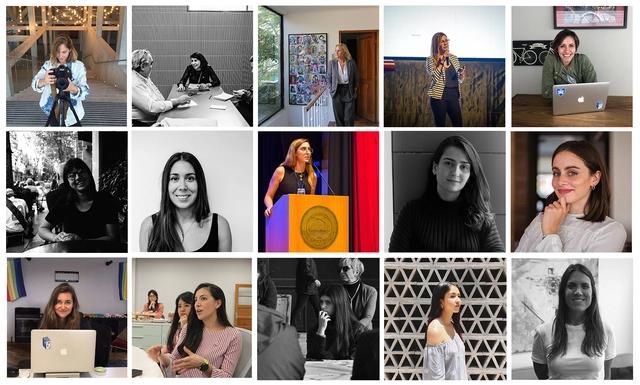
For the architects and designers at Perkins&Will, the profession is full of women who deserve to be celebrated. While gender inequity in architecture remains a serious problem, in March 2019 the firm set out to shift the narrative. For the last three years over the course of Women’s History Month, they have highlighted the amazing designers, researchers, managers and professionals who are building a move inclusive world.
The height of the ceiling of a space heavily influences our perception of it. Generally, local building codes regulate the minimum dimensions for ceiling height, which are calculated to ensure adequate quality of life in the environment. But the exact height of the ceilings is often defined by the dimensions of other materials that make up the building, the height of the constitutive slabs, or even by rounding the dimensions of the stair steps. It is common, with the densification of cities aimed at increasing profitability, for entrepreneurs to design with minimum ceiling heights in houses and offices, reducing construction costs. On the other hand, in older structures, more generous ceilings can be observed, which generally enable a greater degree of design freedom. But how can architects make the most of these spaces?
2020 Edition Winner: Steampunk Installation by SoomeenHahm Design Ltd. Igor Pantic Fologram. Image Courtesy of German Design Council
Today marks the start of the registration phase for the international ICONIC AWARDS 2021: Innovative Architecture. The awards recognise the best achievements in architecture, innovative interior and product design, as well as outstanding communication concepts and singularly innovative materials. The winners will be honoured at the awards ceremony on 11 October 2021 at the Pinakothek der Moderne, Munich, where they will have ample opportunity to network with other players on both the national and international scene.
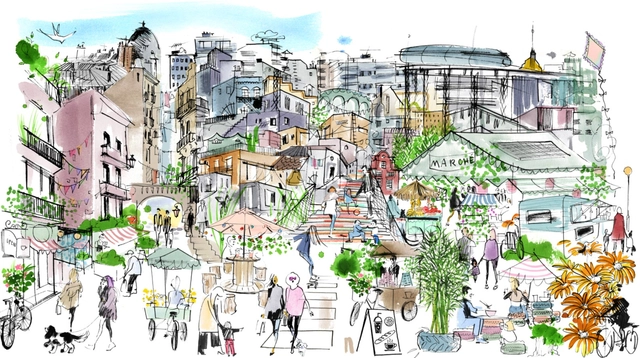
HerCity is a platform that involves women in urban development, in order to make better cities for everyone. Turning the tables and putting girls in the expert position, the digital toolbox aims to create more inclusive, equal, and sustainable cities and communities. The initiative makes methods and tools available to urban actors globally, in order to support cities in integrating girls’ participation in their long-term strategies.
Launched on Women’s day 2021, the guide for urban planning and design is a collaborative effort between UN-Habitat and Global Utmaning, the Swedish independent think tank. ArchDaily had the chance to talk with the team behind this digital toolbox, discussing the narratives, the process, and inclusive planning on a worldwide level.
The Indigenous Peoples Memorial was conceived as an integral part of the revitalization project for Parque das Hortênsias, a former zoo in Taboão da Serra. The timber-structured pavilion pays homage to the indigenous architectures and cultures of Brazil through their organic ways of settling, caring, being, and existing.
In 2016, by mayoral decree, the park ceased to function as a zoo, and its animals were carefully relocated. The Municipal Government then designated that in 2019 this 48,000-square-meter public facility—featuring lush forest, natural springs, and water bodies—would undergo a meticulous revitalization process.
https://www.archdaily.com/1128016/indigenous-peoples-memorial-in-hortensias-park-a-space-of-reclamation-connection-and-learningTalitha Nogueira e Andréa Muscat
The climate crisis has revealed the poor planning of our cities and the spaces we inhabit. Both construction and projects contribute to high carbon gas emissions. Fortunately, there are several ways to intervene to bring change into this scenario, either through materials and techniques adopted in each initiative or through geographical and social impact. In this scenario, the only certainty is that: to think about the future we cannot ignore the "green" in all its recent meanings from nature to sustainability, and ecology.
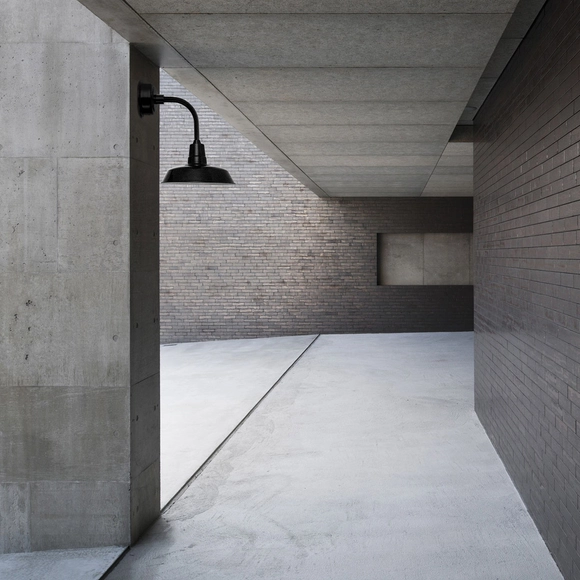
Because of their aesthetic forms, robust materials, and the nostalgic memories to which they refer, old objects often please many people and, from time to time, end up returning to fashion. In the construction industry this is no different. One object that has remained popular forever is the shed light, more specifically the Gooseneck Lamp. Its combination of a traditional look with newer technologies creates an extremely attractive product.
Many architects and designers have highlighted the importance of taking into account all five senses during the design process, in order to create a successful user experience. Fortunately, many strategies have been implemented to facilitate the experience of those who are physically impaired, however, little is being done to aid those who feel helpless and restricted due to mental illnesses and traumatic experiences.
Healing from these experiences is a journey that requires a lot of effort from both the individual and everything and everyone around him/her. Oftentimes, victims of trauma are advised to spend more time in the outdoors, embracing the restorative qualities of nature. But what about interiors? Since people are now spending almost 90% of their time indoors, it is only natural that these spaces contribute to the healing process as well. And while these spaces can look beautiful with an abundance of natural light and neutral color palettes, are they truly beneficial to their mental health?
The comprehensive new GEBERIT ONE system means you no longer have to compromise when it comes to bathroom design and bathroom function. How so? Watch the video to find out...
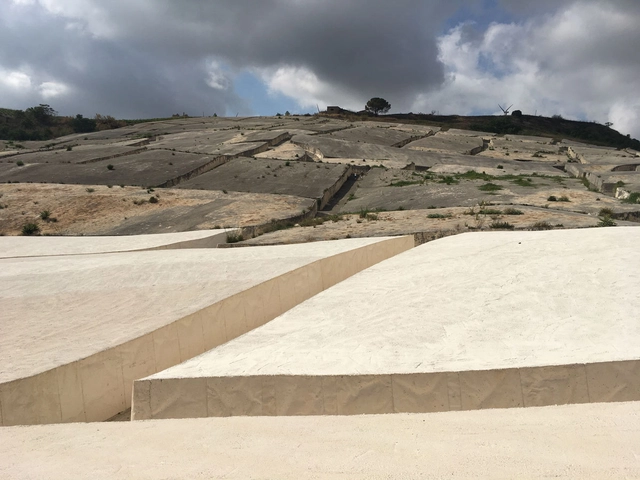
In 1968, the small town of Gibellina in Sicily was flattened by the colossal Belice earthquake, a magnitude 5.5 quake that killed hundreds and left 100,000 homeless. Planners were unable to rebuild Gibellina at its original site, so the new city—Gibellina Nuova—was constructed 11 kilometers (7 miles) away instead. In anticipation of the design and construction of Gibellina Nuova, and in the wake of the Belice earthquake tragedy, the mayor of Gibellina called on several artists to submit proposals for projects to decorate the new city. One of the artists was the prolific “polymaterialist” Italian painter and sculptor Alberto Burri (1915-1995).
https://www.archdaily.com/958178/the-psycho-geography-of-the-cretto-di-burriLilly Cao
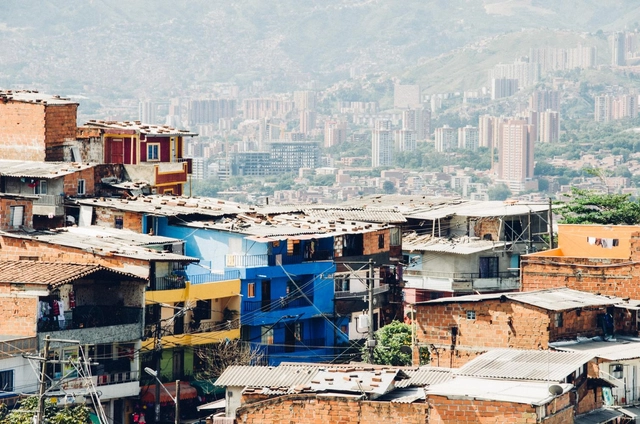
Medellín, Colombia. Photo by Milo Miloezger via Unsplash
According to architect Alejandro Echeverri, Medellín has successfully promoted the idea that it has undergone a process of profound inclusion and urban transformation. Every year, the city receives countless visitors who, according to the Colombian architect, seem more convinced than the residents themselves that the city has found answers to its socio-spatial challenges. Working with the National University of Colombia and families affected by the armed conflict between late 2014 and early 2016, I observed the nuances between the progress the city achieved through direct intervention in vulnerable territories and the challenges that persist alongside rising socioeconomic inequality.
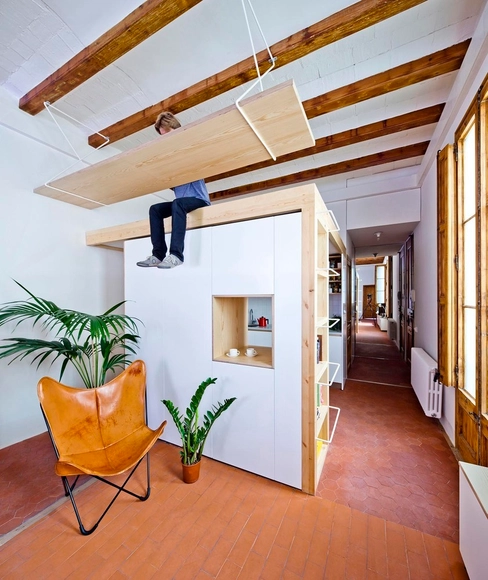
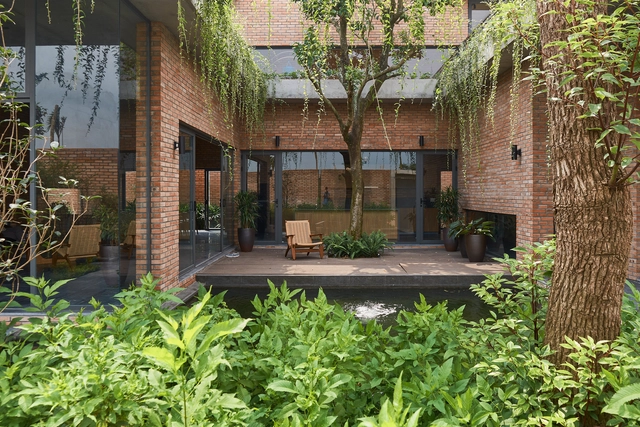
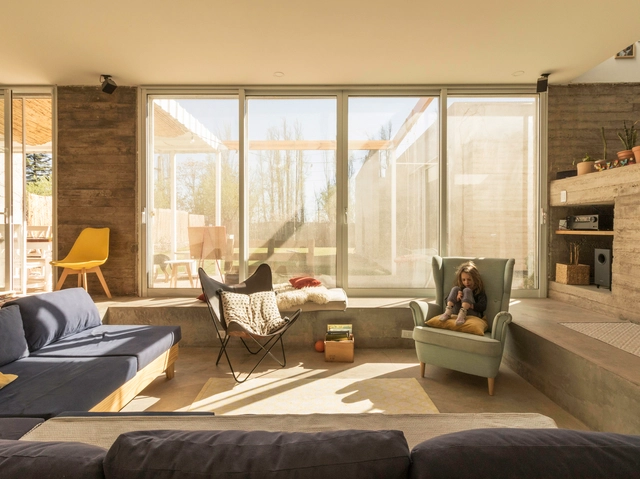
In architecture, split-level houses are typically in response to a plot's uneven or sloping topography. In the case of the houses featured here, their split level interiors are a matter of function, allowing spaces to be virtually separated by dividing them between raised and semi-subterranean floor layouts. For example, adjoining two spaces with a 50cm step up or drop off allows for separation without the use of walls or other physical barriers.
Nestled at the base of Vail Mountain, along the banks of Gore Creek, Grand Hyatt Vail is located in the heart of Vail Valley within the Cascade Village neighborhood. The hotel features bold, vibrant architecture inspired by its scenic locale, as well as welcoming service with exclusive amenities ideal for both leisure travelers and conference attendees alike. When they were due for repairs to their current water heating system, Grand Hyatt Vail knew they needed a solution that could be implemented quickly, plus handle the hotel’s demand for years to come. Grand Hyatt Vail turned to Intellihot for tankless water heating reliability, cost savings, and cutting OPEX, and ended up saving on both upfront and installation costs.
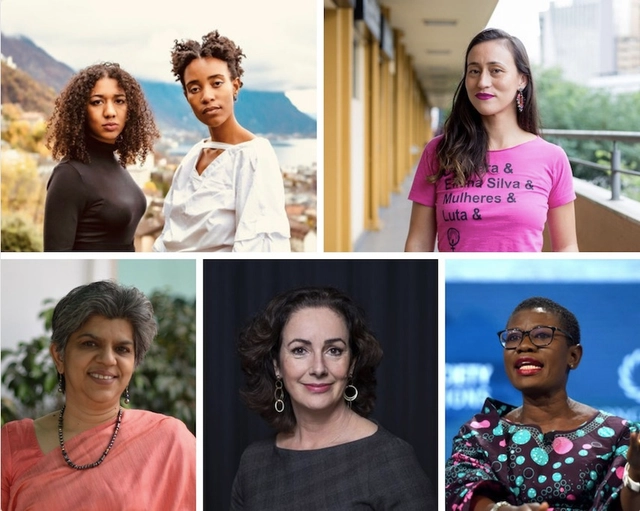
Every March 8 at a global level, the struggle for equal rights and universal suffrage is commemorated as part of a date set by the UN in 1975. This commemoration brings together the efforts of women who demanded their right to vote, to work, to vocational training, to hold public office and to combat labor discrimination. This fight is the result of the work of women who sacrificed for the cause. Various events that we experience every day show that the social situation has changed. However, it is essential that both men and women, commit to progress and justice to make things happen.
https://www.archdaily.com/935252/women-of-archdaily-talk-about-the-future-of-architectureArchDaily Team


_1.jpg?1615434124&format=webp&width=640&height=580)

_1.jpg?1615434124)




.jpg?1615322008&format=webp&width=640&height=580)
.jpg?1614899251 "Courtesy of Charlie Hui, Viswerk. 2020.")
.jpg?1614898654 "© Juju Berzô")






.jpg?1614803567&format=webp&width=640&height=580)