
According to architect Alejandro Echeverri, Medellín has successfully promoted the idea that it has undergone a process of profound inclusion and urban transformation. Every year, the city receives countless visitors who, according to the Colombian architect, seem more convinced than the residents themselves that the city has found answers to its socio-spatial challenges. Working with the National University of Colombia and families affected by the armed conflict between late 2014 and early 2016, I observed the nuances between the progress the city achieved through direct intervention in vulnerable territories and the challenges that persist alongside rising socioeconomic inequality.


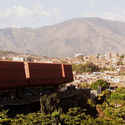


During a conversation with Jorge Pérez Jaramillo, the city's planning director from 2012 to 2015, the architect noted that Medellín has been undergoing urban transformations since the 1990s. "We had no choice but to experiment with profound changes," he said. Its population quadrupled in a short period, within a territory shaped by the rugged topography of the Andes. Due to the ongoing armed conflict that continues to displace rural populations, Colombia has one of the highest numbers of internally displaced people in the world, and Medellín is among the cities receiving the largest share of families fleeing these conflicts.

