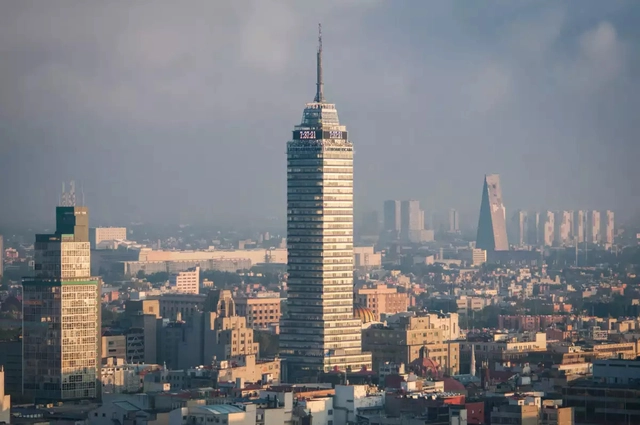
Amid the bustle and majesty of Mexico City, the iconic buildings that adorn its skyline boast not only imposing architecture, but also stories and secrets that spark curiosity. During this month dedicated to architecture, we bring you some of the curiosities and myths surrounding CDMX's buildings, which serve as the pillars of multiple narratives.
The terms resiliency and sustainability, although similar in meaning, refer to different design approaches in the context of architecture and cities. Sustainability involves the preservation of natural resources to uphold ecological equilibrium, while resiliency entails the ability to rebound, adapt, and persist in moments of adversity. These concepts greatly influence and complement each other, especially in cases of designing disaster-resilient buildings. Conventional design processes relating to resilient infrastructure have been based on principles of structural robustness and integrity as a measure against anticipated natural disasters. However, sustainable resiliency points at the opportunity of reinforcing buildings by embedding them in biological and ecological systems.
‘Carbon2Business’ utilization project at Lägerdorf cement plant, Germany. Image Courtesy of Holcim
We live in an increasingly urbanized world. Housing, hospitals, schools, and roads –the foundations of everyday life– require strong, durable materials. The AEC (Architecture, Engineering, and Construction) industry therefore relies heavily on cement, the main component in concrete, to build these elements. Yet for architects, the versatility and resistance of concrete don’t always go hand in hand with sustainability credentials.
Amid our ongoing battle against climate change, the need for authentic decarbonization strategies has never been more urgent. Professions, companies, and organizations worldwide face mounting pressure to integrate sustainable practices into their operations, particularly in response to recent climate challenges. The realm of architecture and urban planning is no exception. Phrases such as "sustainable architecture" and "green architecture" have gained widespread popularity, accompanied by various certifications, products, and advertising, all promising transformative advancements in the field that should align with our global aspirations for a sustainable future.
However, amidst this growing environmental awareness, another phenomenon has emerged: greenwashing. It refers to practices adopted by various sectors, especially those related to marketing strategies that present initiatives that convey a false impression or provide misleading information about how a company's products or projects are more environmentally friendly than they are when analyzed from a more critical and careful perspective.
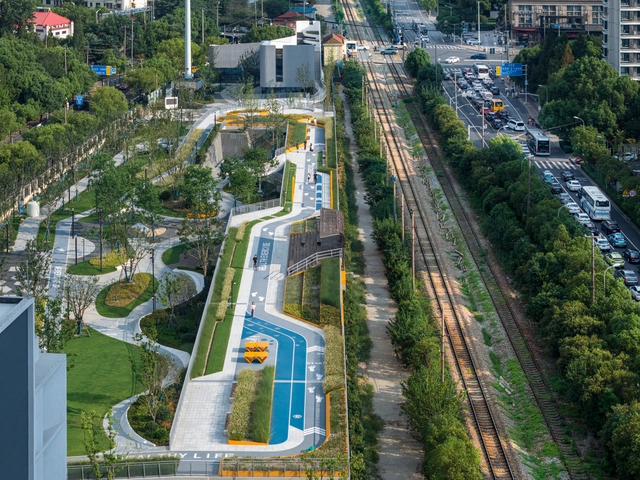
In the dynamic landscape of contemporary urban development, public architecture is an essential force in reshaping cities. In fact, this element of urban regeneration can revitalize economies and reactivate surrounding commercial schemes. In this transformative era, cities across China have evolved into financial hubs, attracting world-renowned firms and architects who are redefining these skylines. In turn, these metropolises become embodiments of future innovation and lifestyle.
China's cities have become centers of modernity as a result of its explosive prominence in the world economy. These cities have become magnets for architectural marvels that go beyond simple functionality, from Shanghai's ceaseless reinvention to Beijing's cultural renaissance and Shenzhen's undeniable emergence as a global center in technology, research, manufacturing, business, economics, finance, tourism, and transportation, complete with the Port of Shenzhen, the world's fourth busiest container port. Overall, these cities are a crucial gateway in understanding the developing dynamics in metropolitan environments.
Brick beams have been widely used in construction due to their strength, durability, and aesthetic appeal. By embedding steel reinforcing bars into a series of bricks arranged in a specific pattern, these elements form horizontal load-bearing structures that distribute the weight and forces that act on a building. However, it is difficult to find brick beams with excessively large spans, in order to avoid long-term structural problems. Instead, they mostly come in the form of simple lintels, which can be easier to handle.
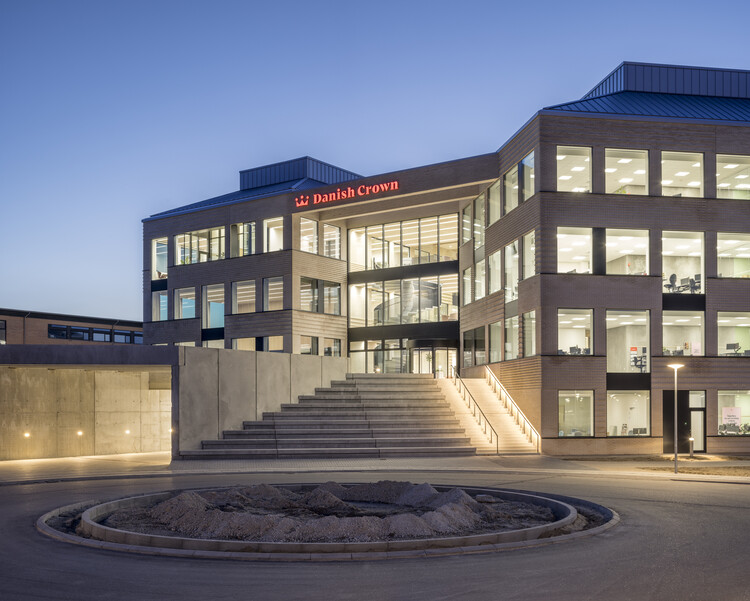
With a length of 16.2 meters and an impressive clear span of 15.8 meters, CEBRA architects have collaborated with the Randers Tegl group, the largest brick supplier in Scandinavia, to complete the construction of probably the longest brick beam to date. This exterior beam is accompanied by a 13-meter-span interior "sister" beam and is located above the main entrance to the Danish Crown's new headquarters in Randers, Denmark, extending freely between two of the building's wings. The longest beam is made up of almost 4,200 bricks – its height is made up of 25 rows of bricks, equivalent to 1.6 meters, and its edge consists of 4 bricks.
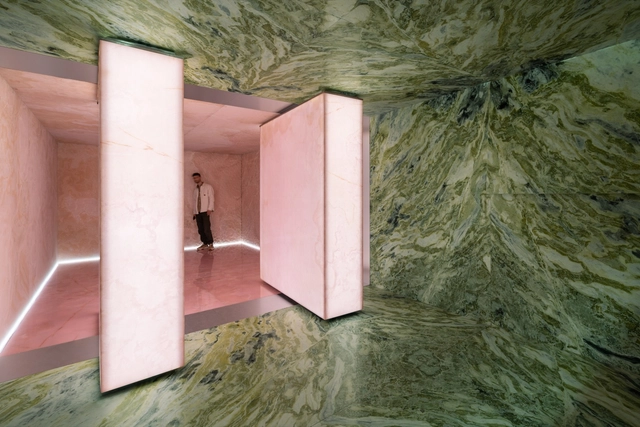
Throughout its existence, architecture has continuously reinvented itself, driven not only by the emergence of new techniques and trends, but also by a deeper understanding of the human being. In recent times, the field of neuroarchitecture has yielded valuable research into how built environments influence our brains and, consequently, our behavior and well-being. This interdisciplinary approach suggests that interior design—specifically materiality and surface design—can play a crucial role in modulating individuals' neural and behavioral responses.
Mirante do Gavião Amazon Lodge / Atelier O'Reilly. Photo: Jean Dallazem
The architecture of indigenous peoples is deeply rooted in their surroundings, in the sense that materials are locally sourced and empirically tested, to discover the construction techniques and dwellings that best respond to the values of the community and their understanding of housing. The situation in the Amazon is no different. Many different groups of people have settled on the land and water, developing many unique building skills that attract a lot of architects working in these regions. As a result, there is an exchange of knowledge, combining native cultures and novel architecture.
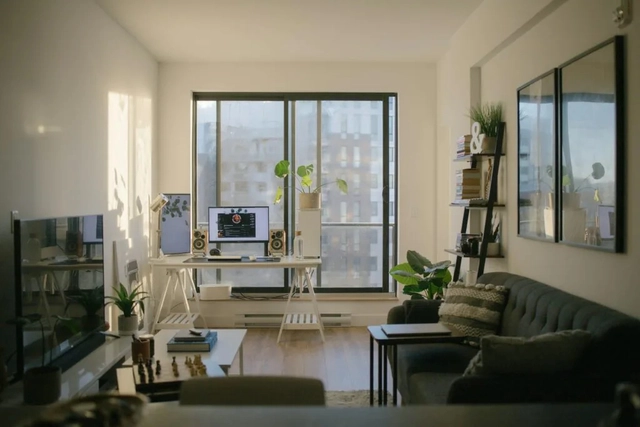
With the pandemic, many companies and individuals had to discover new ways of working, and working from home gained ground—the realization that so many activities could be performed remotely surprised many. There was an expectation that this work model would become permanent. However, the reality is that many companies are returning to in-person or hybrid schedules—and this might not be the best option for the planet.
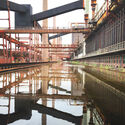
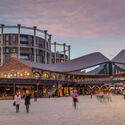
“New ideas must use old buildings,” said Jane Jacobs in her seminal book The Death and Life of Great American Cities, championing the reuse of existing building stock as a means to catalyze positive change and foster diverse urban environments. Inserting new activities within an existing framework is increasingly becoming a defining aspect of contemporary architecture, as the need for sustainable alternatives to building anew turns more urgent. From an urban perspective, adaptive reuse is a valuable strategy for revitalizing post-industrial cities, creating density and mitigating urban sprawl, or helping shrinking cities redefine their urban fabric.
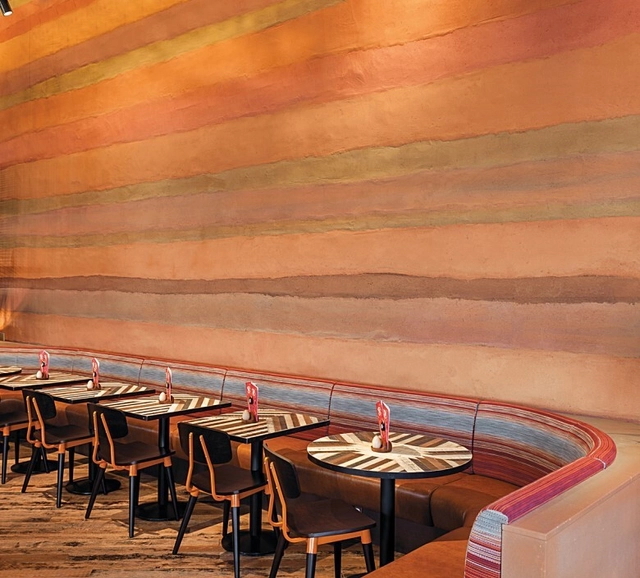
Rammed earth is one of the oldest methods of constructing walls and still holds great potential for modern earth construction. One aspect of this potential is the gift of its colors and layers, which become visible as the formworks are removed, revealing a layered character. As a process that involves the layer-by-layer compression of gravel, sand, silt, and clay, its resulting appearance is a horizontal stratification of earth tones, material content, and curing procedures. This colorful appearance of rammed earth walls can be controlled and explored through patterns, texture, pigmentation, and natural clay colors, offering an opportunity to push its boundaries within architecture.
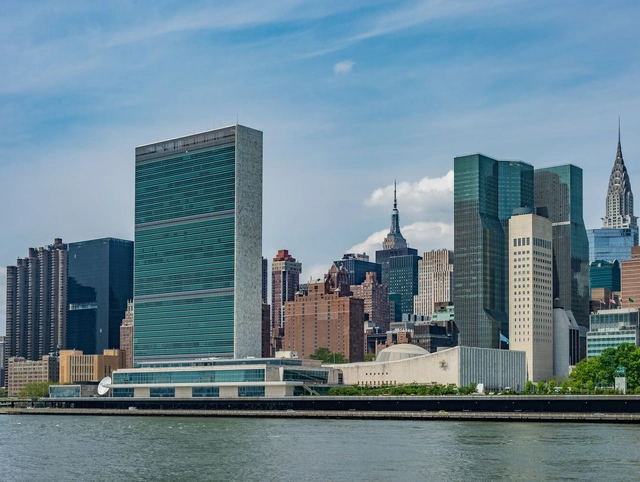
UN Headquarters in New York. Photo by the blowup, via Unsplash
In 1945, the declaration of the end of World War II brought a wave of euphoria to the streets, and optimism permeated the atmosphere with the promise of brighter days. Inspired by this newfound hope, the United Nations Organization (UN) was established in the same year. The vibrant city of New York was chosen as the headquarters location, and an international team of carefully selected and invited architects was tasked with conceiving the project.
For this ambitious and truly international project, eleven renowned architects were brought together from various corners of the world. These architects, often known for their inflated egos, a common trait in their profession, were accustomed to exercising full control over their architectural designs and even their respective countries. They had to coexist in the same space and collaborate on a single project. The successful collaboration on this project would be a compelling demonstration of the possibility of achieving world peace.
It has been a bull market for downbeat urban reporting since the pandemic arrived in town. And it isn’t hard to see why. In 2020, central U.S. cities went from “comeback” success stories to ghost towns; transit lost nearly all ridership; tens of thousands of stores and restaurants shuttered; and many of the affluent decamped to the suburbs and distant Zoom towns.
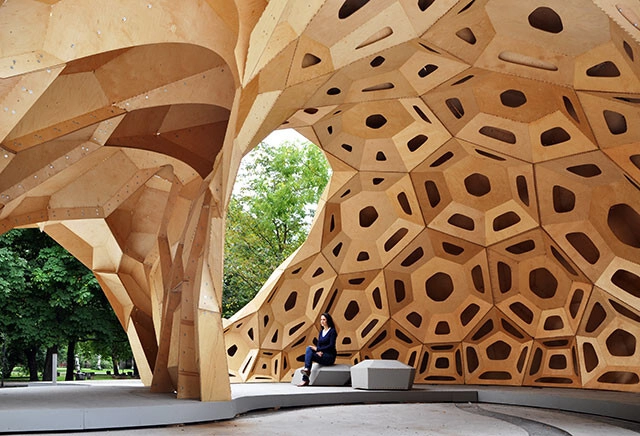
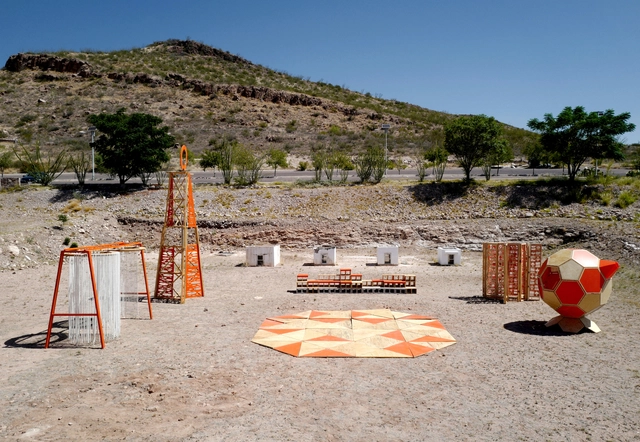
As part of an initiative by the ISAD School of Architecture and Design in Chihuahua, the Taller del Desierto (Desert Workshop) has been running for several years, fostering various projects to stimulate student learning. For this edition, a pavilion was built, conceived as an assembly of pieces with a theatrical narrative. This pavilion was created as a collaboration between ISAD and Teatro Bárbaro, a local independent cultural forum led by Luis Bizarro. Consequently, the pavilion was designed to serve as a traveling venue for performances created or adapted specifically for this space, which consists of pieces designed during the four-week summer workshop in 2023.
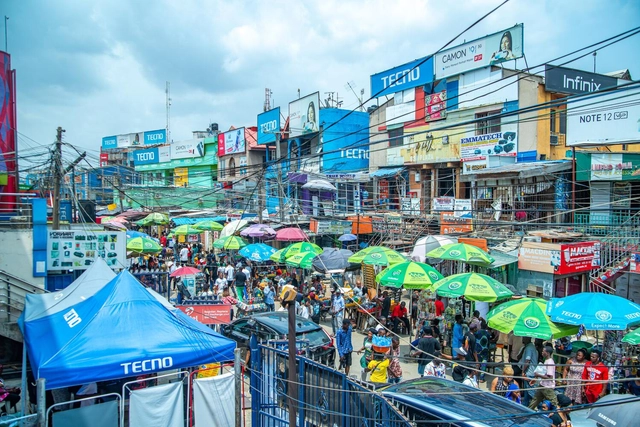
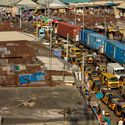
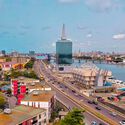
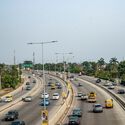
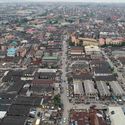
From its historical origins as a fishing village and the site of a pepper farm to today's bustling metropolis, Lagos, Nigeria, has evolved into a complex agglomeration of people, settlements, and vested interests.
As the economic powerhouse of Nigeria and West Africa, Lagos is projected to become the most populous city in Africa over the next 50 years, growing from its current 15 million to a population of 100 million. If recent migration waves are any indication—comprising those seeking economic opportunity or fleeing climate crises and conflicts in other parts of Nigeria—these projections may well be underestimates.
For an industry that contributes 6 per cent to the global GDP, the fainting voice of the Architecture, Engineering and Construction (AEC) industry is something to ponder. The global AEC market was reported at USD 8.9 billion in 2022 and is anticipated to reach USD 16.5 billion by 2030. However, pessimism is rampant across the industry. Professionals oblivious of their options and the industry's trajectory are in a vicious cycle where the lack of access to awareness and opportunities limits their growth. While statistics forecast an optimistic prophecy, there’s a flip side to it.
The 2023 Guatemala Architecture Biennial brings to the forefront the need to build a city without walls, integrating public spaces that foster a sense of belonging, unity, and identity. In this interview, the Biennial's general coordinator, Esteban Borjes Castillo, discusses the significance of this year's edition.
Home is not just a physical structure defined by its materials and spatial characteristics. It is the result of everyday habits, routines, and fond memories blending into the very essence of the place through its walls, textures, and aromas. This is why a true home cannot be instantly created; it demands time, and a sense of continuity, as it reflects the ongoing adaptation of both the family and the individual within that space.