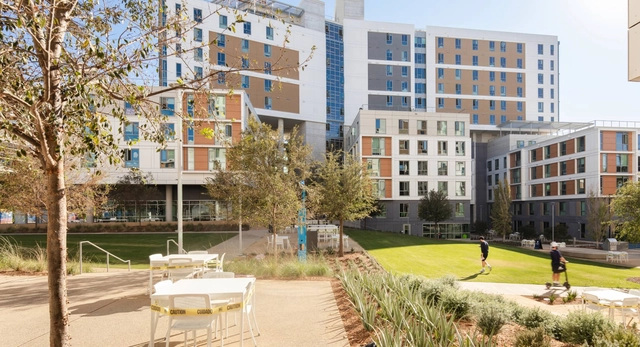
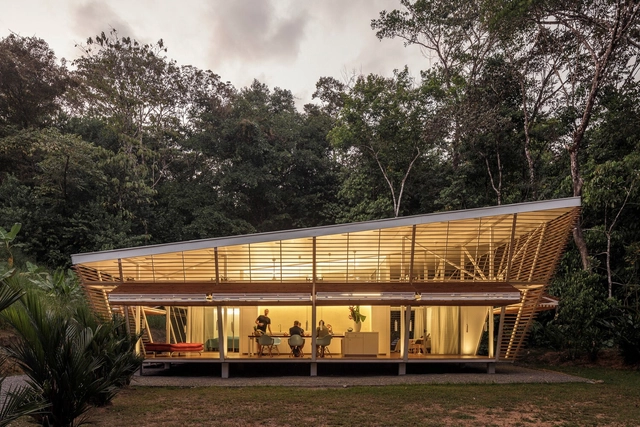
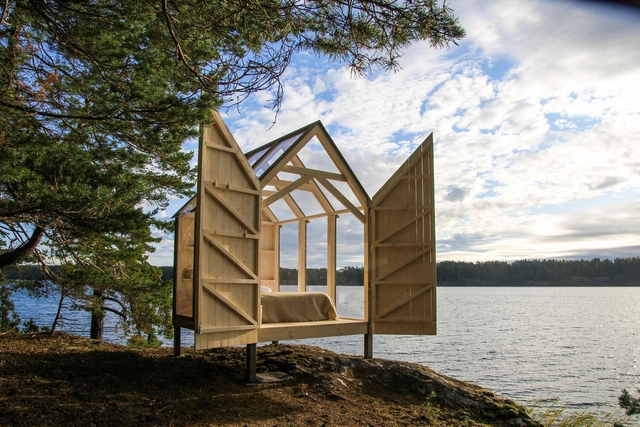
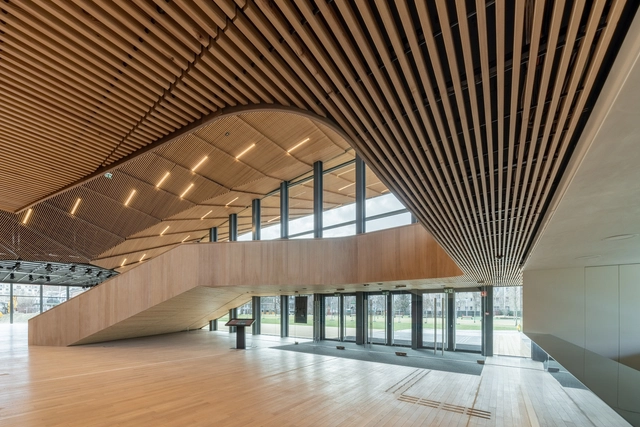
The interaction between architecture and human well-being is a field drawing increasing interest in the contemporary world. The role of architecture in daily life extends far beyond its aesthetic or practical functions; it directly shapes the experience and well-being of those who interact with built spaces. This fundamental link between architectural space and human well-being is being increasingly explored by researchers and practitioners seeking to understand and optimize the impact of the built environment on people's health and quality of life.
In the context of global initiatives to promote energy efficiency and the decarbonization of buildings, Latin America is at the center of the debate. The International Seminar on Sustainable and NetZero Buildings 2023, held in Bogotá and organized by CCCS, IEA, UNIANDES, CAF, and CEELA, aimed primarily to create a space for the exchange of experiences, such as Oliver Schütte's No Footprint House, while simultaneously conducting a review of government policies and the implementation of norms and standards in the region.
Among panels and conferences featuring Clara Camarasa, Nicola Borregaard, Laura Chapa, Paola Valencia, Iván Osuna, Juan Carlos Vega, Angélica Ospina, and Diego Velandia, five main learnings emerged as lessons: from creating more relevance and energy calculations to the development of the timber industry - and certifications.
As one of the four essential elements that sustain life on this planet, water is key to the survival of all species. And just as wild animals like to stay close to the watering hole, we humans enjoy life by the water.
While our ports, lakes, and waterways are no longer the international transport hubs and feeding grounds they once were, the improved air quality, more temperate climate, and improved relaxation and mindfulness that’s brought by the presence of fresh or flowing water, means specialist spaces such as riverside pubs, beachfront hotels and lakeside homes are some of the most popular of their type.
The following homes show how prized nearby waterbodies can be better utilized with great architecture and design.
Through the incorporation of various elements, interior design creates comprehensive spaces that blend functionality and aesthetics. Among these components, suspended ceilings are a solution that integrates finishes suspended from the main structure. While adapting to a wide range of styles through a diversity of materials, colors, and textures, suspended ceilings also address acoustic needs, contribute to thermal insulation, and integrate lighting systems.
Among its solutions for interior applications, Hunter Douglas combines aesthetics, comfort, and sustainability to develop the WoodLines suspended ceiling line. Integrating innovation with natural materials, the manufacturing process continuously bonds a natural wood veneer to a roll-formed metal profile. As a result, linear ceilings composed of continuous slats are obtained, combining the functionality of a metal ceiling with the warmth and aesthetic appeal of natural wood.
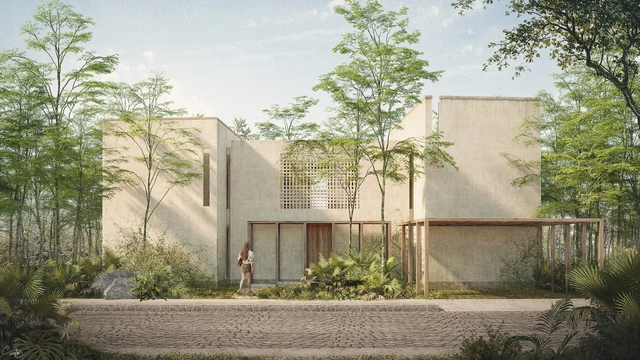
Mexico City- and Guadalajara-based firm Estudio AMA debuts with its "Riviera Ka’an Residencias" project, located in Xpu Ha, a town in the state of Quintana Roo, Mexico, situated south of Playa del Carmen and north of Tulum on the Caribbean coast. Estudio AMA presents itself as a creative space encompassing all fields of design: architecture, interiors, graphic design, and art.
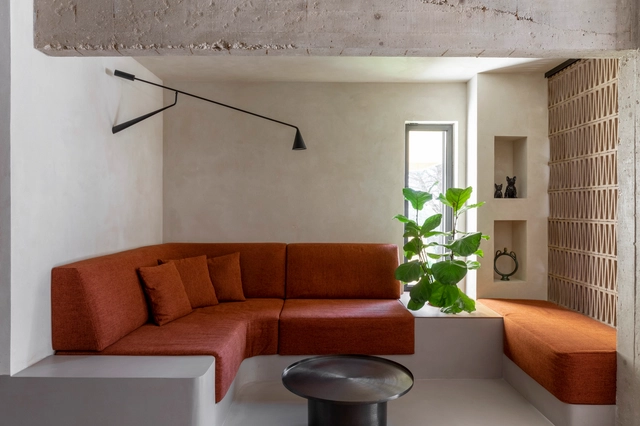
As we head towards the end of 2023, an eventful year that could be defined as the year of "shifts", we take a look at how global events and trends impacted the design of interior spaces. Looking back, people questioned everything, and the architectural practice was no exception. A new voice was given to nations often forgotten as architects searched for alternative ways of designing and building. We questioned colonialism, consumer culture, waste, tradition, and authenticity, bringing about new perspectives within the discipline. Interior design in 2023, however, was reserved; explorative, but a lot more modest and subtle compared to previous years. Following years of constant changes, it seems as though people felt the need to pause, slow down, and embrace simplicity, while expressing their individuality through acupuncture interventions.
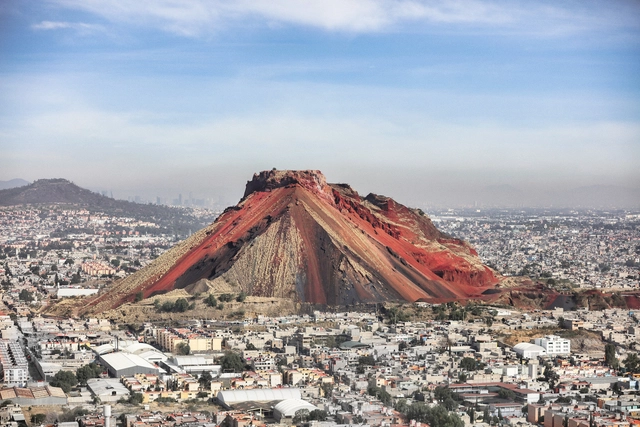
The heritage of Mexico City is extremely rich and diverse due to a long history that overlays like layers above the urban fabric since pre-Hispanic times. Currently, it is one of the largest cities in the world, and its heritage is reflected in its architecture, museums, historical sites, cultural traditions, protected sites, gastronomy, and much more. This chronology has been evidenced through various historical records. However, contemporary recording is essential in moments where we are writing history immediately with different digital tools.
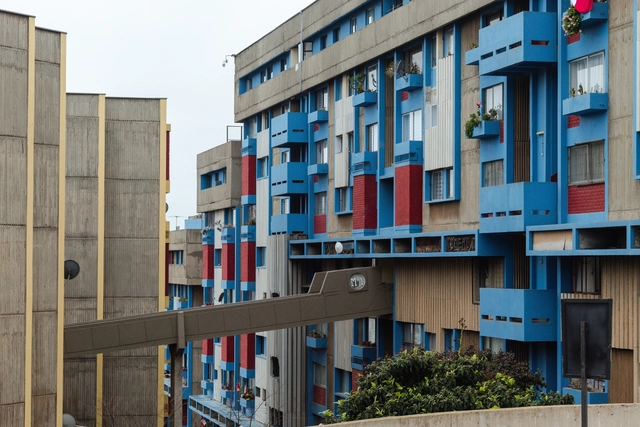
Architecture Classics showcased on ArchDaily serve as essential archives of architectural marvels, offering a window into the past. These classics showcase our collective design wisdom and innovation globally, enriching our design knowledge. In fact, through the acknowledgment and appreciation of different styles, functions, and narratives embedded within these structures, our view of architecture and its impact worldwide can become more comprehensive.
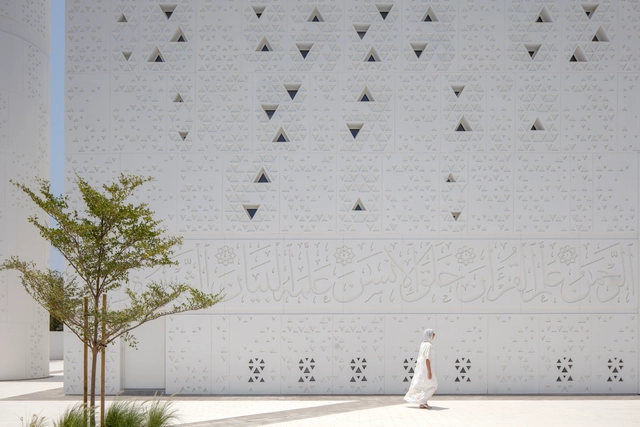
Mohammed Abdulkhaliq Gargash Mosque, Dubai, 2021. Image: Gerry O´Leary
There are and have always been inspiring women architects, urban planners, and policymakers. However, worldwide, the built environment professions—and their upper echelons in particular—remain heavily male-dominated, more so than other fields like education or healthcare.
Today, 64% of architecture graduates in Brazil are women. In engineering, there has been a 42% increase in women registered with CREA since 2016. Yet, how is this reflected in Brazilian society? Globally, progress is even slower: only 40% of architects are women, with very few in leadership roles.
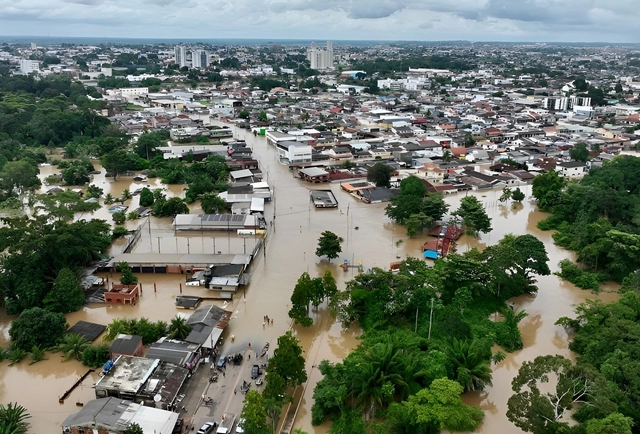
Situation in Rio Branco, capital of Acre. Photo: Pedro Devani | Secom
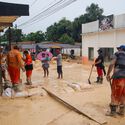
When heavy rains are forecast for their areas, 64% of Brazilians feel afraid. For 76% of those surveyed, cities are unprepared to face heavy rains, storms, or flooding. The data comes from a first-of-its-kind survey conducted by the Boticário Group Foundation for Nature Protection, in cooperation with UNESCO in Brazil, and with support from the National Association of Municipalities and the Environment (ANAMMA) and the Urban Bioconnection Alliance. The full results of the study will be presented on December 2 during the 28th UN Climate Change Conference, COP28, taking place in Dubai, United Arab Emirates.
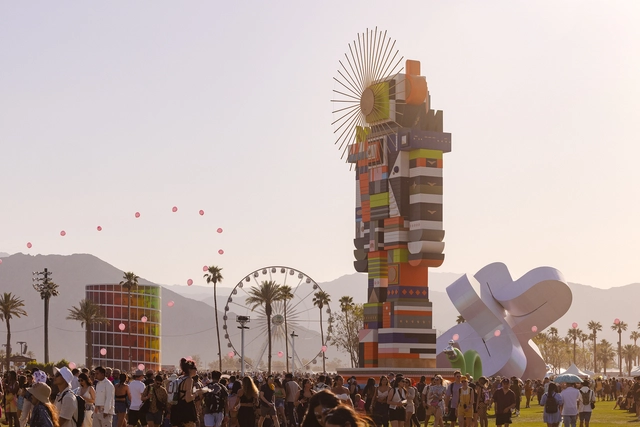
Music Festivals can provide artists, designers, and architects a platform to present their work to large crowds. The sheer scale of these installations, the space for artistic exploration, and the vast audience they reach can give designers the opportunity of a lifetime to showcase their ideas. Through scale, color, imagery, and lighting, these installations create lasting impressions on the people who attend these events and those who see them through news coverage or social media. Some themes explored this year included reframing familiar things in unfamiliar ways, large-scale abstract geometries at the intersection of technology and art, and the use of innovative new materials.
When it comes to climate change, the headlines can sometimes seem contradictory. One day, we read about catastrophic wildfires wreaking havoc across the globe; the next, we see an optimistic article about the rapid rise of solar and wind energy. Taken together, these narratives can make it difficult to grasp the big picture of climate action. Are countries actually implementing effective solutions if greenhouse gas (GHG) emissions continue to rise? In which areas has the world made enough progress to overcome the climate crisis, and where are the gaps? What specific measures are needed to get us on the right track?
https://www.archdaily.com/1136114/what-the-world-can-still-do-to-keep-global-warming-below-degrees-cWRI Brasil
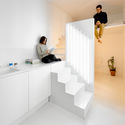
Finding an efficient configuration for a small apartment is not an easy task. Basic housing programs should be distributed in minimal spaces without losing comfort. Below, we have made a selection of 10 apartments under 38 square meters and compiled their axonometric drawings, to inspire you.
The ArchDaily projects library is managed by our curators who constantly seek to populate our stream with the most interesting global works, showcasing evolving focuses and criteria. While we usually share our reader’s top 100 favorites, this year, we also decided to initiate our editor’s picks on the ArchDaily Instagram account, where our curators highlight some projects that include interesting themes and unique traits.
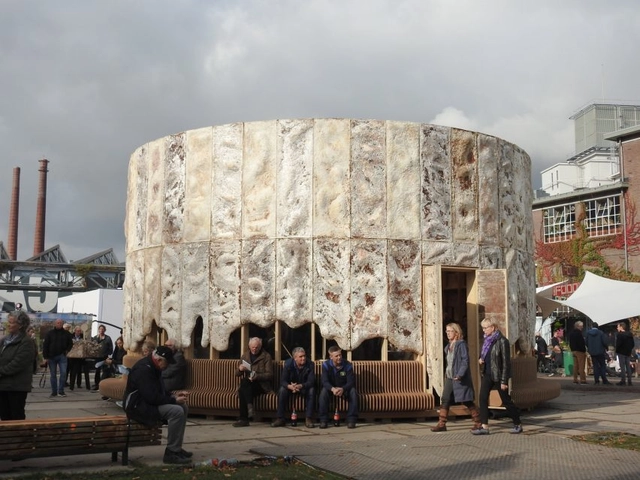
Innovative materials play a crucial role in shaping the future of architecture. They offer not only novel ways to craft buildings but also sustainable and efficient solutions to address pressing environmental challenges. Architects and designers are now more than ever exploring and integrating innovative materials into their projects. By harnessing the unique properties of these materials, they create structures with new visual languages while also being environmentally friendly.
As part of our year-in-review, we reflect on the innovative materials that were featured. These materials delved into the concepts of recycling agro-waste, adapting bio-based products, transforming local materials, and decarbonizing concrete. The objective was not only to offer alternatives to traditional construction practices but also to help reduce carbon emissions and promote a more sustainable built environment. In this dynamic field, these materials demonstrate the potential to revolutionize building design and construction in diverse contexts, paving the way for a more sustainable and resilient future.
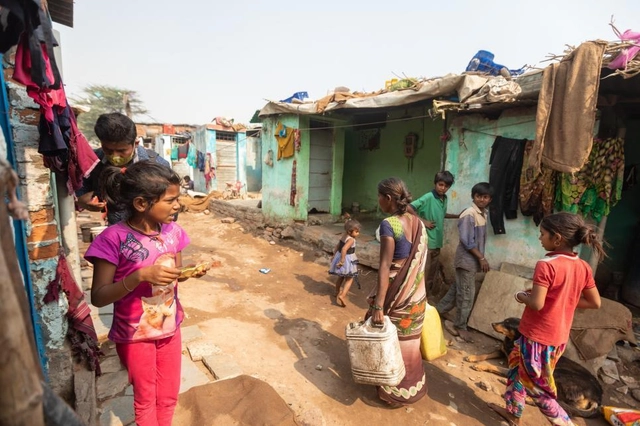
In 2013, Ahmedabad launched the first Heat Action Plan among South Asian cities, but it faces increasingly high temperatures and has little data to support local policies. Photo: WRI
2023 broke temperature records worldwide. People across different regions of the planet are already facing historic heatwaves, wildfires, and droughts with just 1.1°C of warming above pre-industrial levels. Under current policies, which put the world on track for a warming scenario of 2.5°C to 2.9°C by 2100, the stifling heat felt this year is just a small taste of the future ahead.
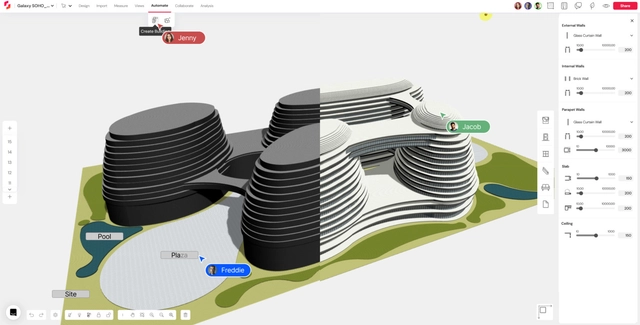
Transforming a conceptual massing model to BIM with Snaptrude’s automated workflows. Image Courtesy of Snaptrude
In the ever-changing world of design and construction, the tools at architects’ disposal have remained the same for decades. With its ability to deeply understand how architects design, Snaptrude has emerged as a collaborative 3D building design tool that incorporates smart, parametric modeling, live building information, easy real-time collaboration, and offers strong interoperability with other BIM tools like Revit.
By analyzing its wide variety of features, we showcase how Snaptrude empowers the design process to operate faster, smarter, and more collaboratively.
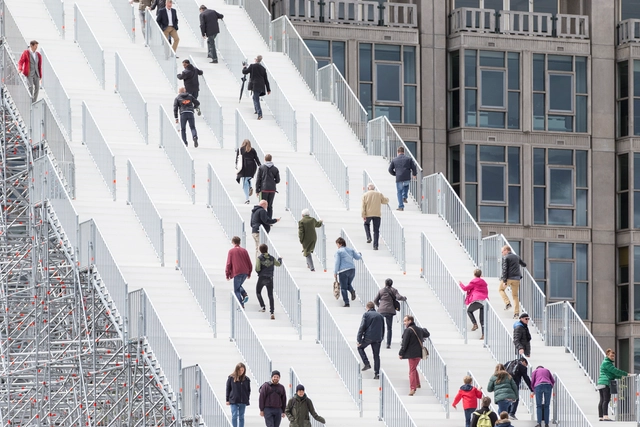
Staircases facilitate transit and movement within cities, influencing how communities interact and navigate their urban surroundings. Despite often going unnoticed within the cityscape, these staircases are significant witnesses to history. Beyond their architectural function, they are essential connectors, providing spaces where the pulse of urban life unfolds. Amidst buildings, hills, slopes, and bustling streets, staircases emerge as dynamic stages for movements, encounters, and disconnections, intertwining with the narratives embedded in each step.