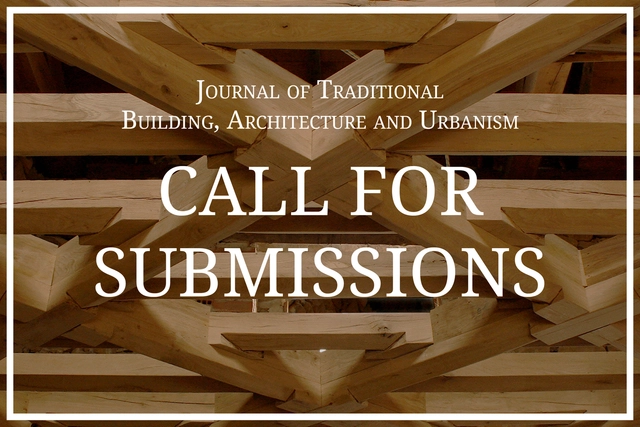
The Journal of Traditional Building, Architecture and Urbanism is aimed at individuals and institutions interested in traditional building, architecture, and urbanism. Published articles address the theory and practice of these disciplines. Its objective is to promote the creation of places and buildings that harmonize with local culture and tradition while respecting the environment and its natural resources. Furthermore, it seeks to foster a deeper understanding of traditional construction cultures worldwide, thereby encouraging greater respect for them and contributing to their preservation and continuity.
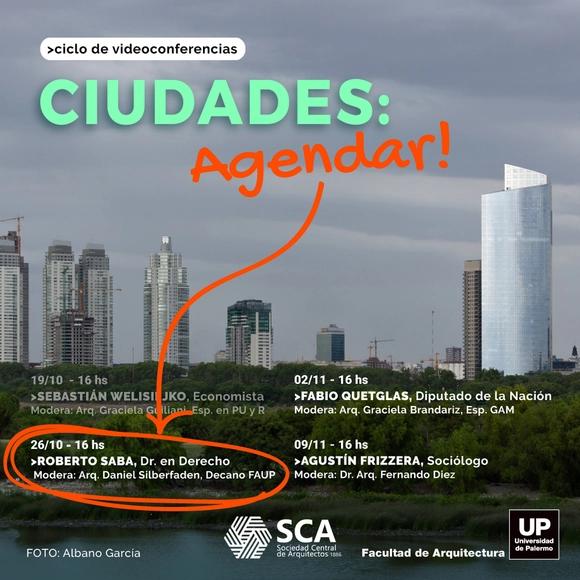
Local policymakers in urban planning must have a better understanding of potential impacts and a more profound reflection to find a solid foundation for acting effectively within their own territory. Co-organized by @sca_socearq and the Faculty of Architecture at @universidaddepalermo, the series features guests from diverse fields of urban culture who are active participants in the ongoing reconstruction of the city.
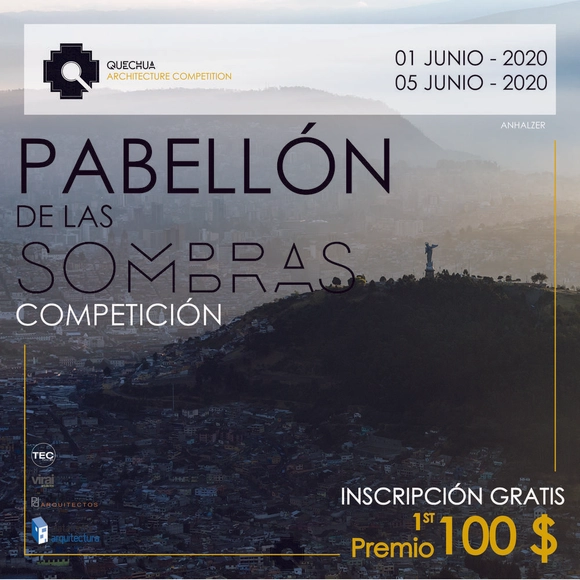
The Quechua Architecture Competition invites all participants to take part in this one-week challenge and develop a project that explores diverse fields of thought and design. The challenge for this edition: "Shadow Pavilion."
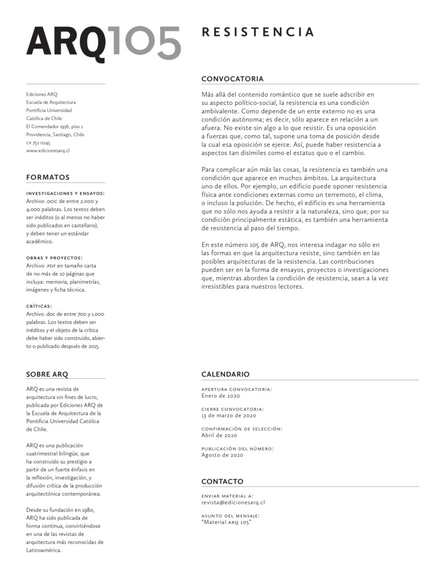
Beyond the romantic content often ascribed to its political-social aspect, resistance is an ambivalent condition. Because it depends on an external entity, it is not an autonomous condition; that is, it only appears in relation to an outside. It does not exist without something to resist. It is an opposition to forces that, as such, implies taking a stance from which that opposition is exercised. Thus, there can be resistance to aspects as disparate as the status quo or change.
In the mid-eighties, the advertising campaigns for the Benetton brand—under the art direction of Oliviero Toscani—provided an iconic image for the coexistence of different races and, in doing so, for the very idea of diversity. In 2000, an image created by Polish designer Piotr Mlodozeniec spelled out the word "CoeXisT," with the "C" replaced by a Muslim crescent, the "X" by the Star of David—a Jewish symbol—and the "T" by the Latin cross representing Christianity. Through these images, the concept of coexistence became associated with tolerance, serving as a counterpoint to both racism and religious fundamentalism.
Given our current reality, CoRe aims to channel the experiences and sentiments of this coronavirus-induced quarantine through literary expression. To that end, the organization is launching:
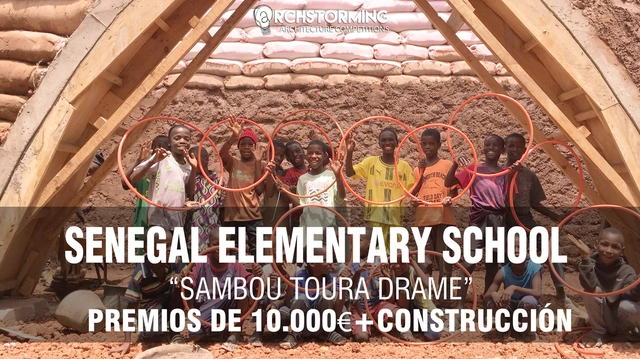
The new Archstorming competition takes us to Senegal, Africa. In some regions of the country, only 50% of school-age children have access to education, and classrooms are often overcrowded with up to 80 students due to a lack of infrastructure.
IF is an international competition platform that aims to connect ideas from different sectors of society to help transform cities, making them increasingly self-sufficient, efficient, and ecological. We are looking for innovative ideas and new ways of thinking. In a time of global emergency, it is increasingly important that we think globally.
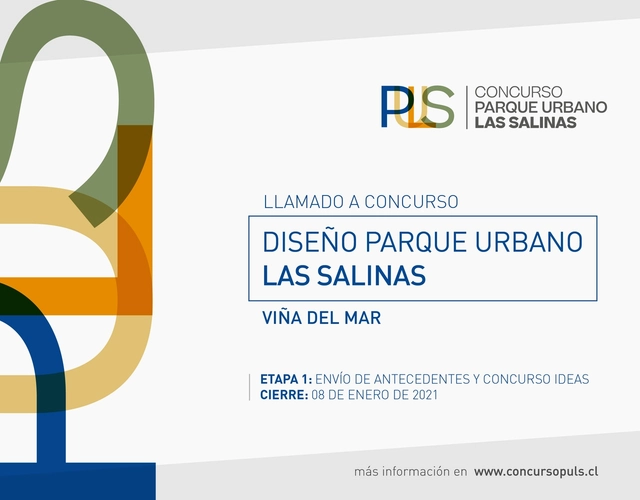
With a national and international call for entries, the search begins for those who will design the Las Salinas Urban Park, a space of the highest standard for the city of Viña del Mar that will transform into a multifunctional green area within the future neighborhood. This large park, situated in a strategic location, aims to become a significant project of integration—a space accessible to all and a hub for social, cultural, athletic, and educational gathering.
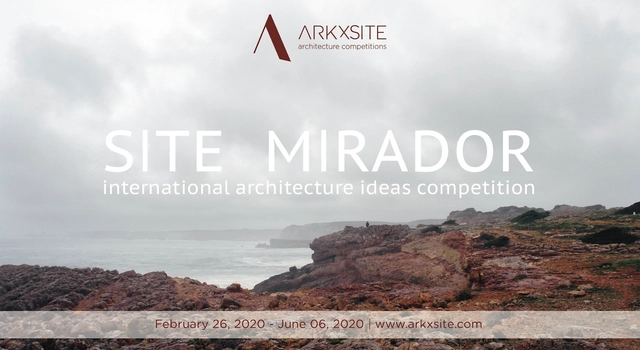
ARKxSITE is pleased to announce the 'SITE MIRADOR' international architecture ideas competition for architecture and landscape architecture students and young professionals (≤ 40 years old).
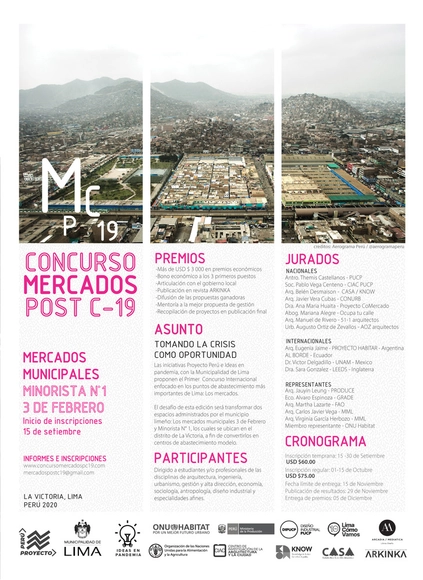
The 'Ideas en Pandemia' and 'Proyecto Perú' initiatives, in collaboration with the Municipality of Lima, have launched a significant effort to bring together diverse civil society actors and local government to address the current challenges facing food markets in the country, specifically in the La Victoria district. This effort promotes formal dialogue between civil society, public agencies, the private sector, and academic institutions in Peru and Latin America to reflect on and resolve shared regional issues.
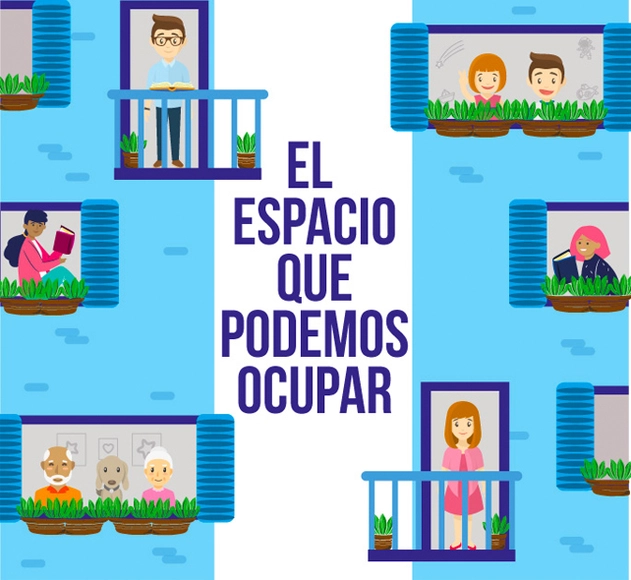
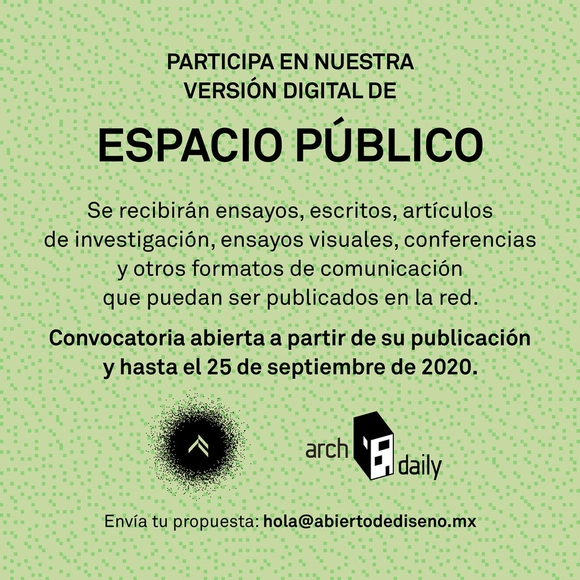
The SARS-CoV-2 coronavirus, better known as COVID-19, has fundamentally altered our reality as a society—both in our daily lives and in the future we will build as we adapt to the current situation. Our public spaces are the first to prompt us to question how interaction and community will function within our cities and living environments. For this eighth edition of the Abierto, we seek to understand how the pandemic will transform our public spaces, how our social, economic, and political relationships will be redefined in light of the current global situation, and how creators, managers, authorities, and citizens perceive these spaces and this relationship.
This is a space where architecture emerges from the defense of our individual bodies, blending the caution and precision of preventive medicine with the boundlessness of art. The goal is to spark creative acts that yield solutions—using materials at hand—to help prevent the spread of COVID-19 while outside our homes: building an anti-body.
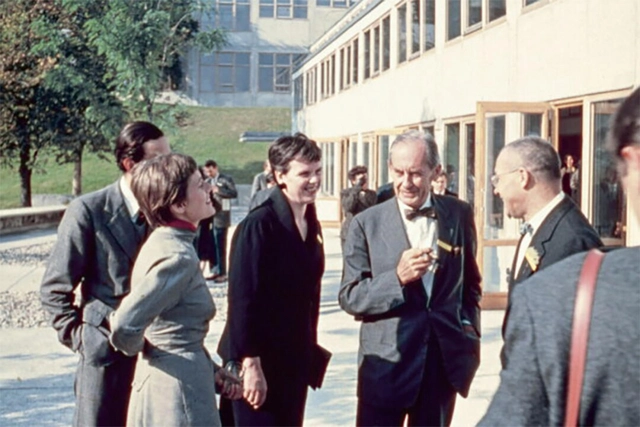
Inauguration of the Ulm School of Design, Federal Republic of Germany. From right to left: Max Bill, Walter Gropius, Inge Aicher-Scholl, unidentified person, Francisco Bullrich. HfG Archiv-Ulm collection.
We invite individuals interested in deepening their study of architecture through a historical-critical lens, and who hold a university degree, to participate in the program. All are eligible to apply for the two partial scholarships to be awarded in the 2025 edition.
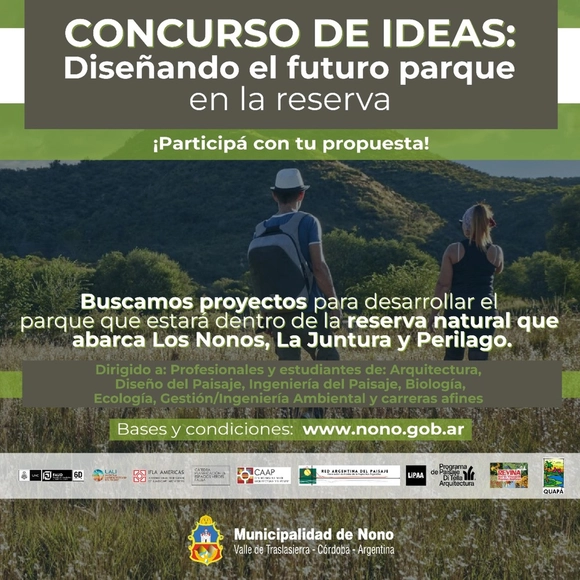
The Municipality of Nono, with the support of educational institutions and civil society organizations backing the initiative, is seeking innovative projects to develop a park within the nature reserve encompassing the Los Nonos, La Juntura, and Perilago areas.
Identify the best architectural works by architects in the state of Tabasco, as well as publications, research, and theses. Recognize their authors. Disseminate the most relevant works to allow, through analysis and critique, a reflection on responsible contemporary architecture with sustainable solutions.
The Félix Candela Award is an international architecture ideas competition conducted in Spanish that takes place in two phases. Organized annually by the Instituto Español de Arquitectura (IESARQ), it is open to students of architecture, landscape architecture, urban planning, and design, as well as architects, landscape architects, urban planners, and designers up to 35 years of age, participating individually or in teams of two to three members.
The Universidad Intercontinental (UIC) celebrates the 20th anniversary of its Academic Competition for Schools of Architecture, a contest open to sixth-semester students from any university. This year's conceptual theme, "Voids that complete the city," seeks to address environmental challenges such as the indiscriminate use of automobiles—and the resulting increase in public parking—the exploitation of existing resources, food supply, and the lack of responsible water harvesting and management.
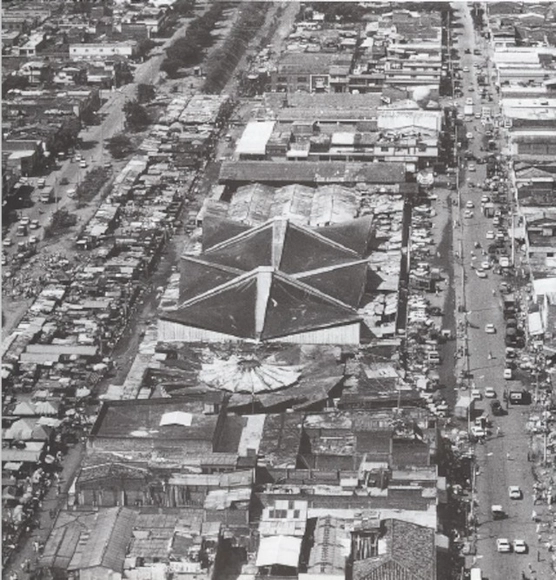
Medina, Gloria. Felix Candela in Colombia: The Santa Helena Market, Cali. BITÁCORA ARQUITECTURA Number 9, 2003. National Autonomous University of Mexico, Mexico City, p. 20.
This is an international call for consulting firms to submit expressions of interest for the development and formulation of the Special Management and Protection Plan (PEMP) for the Santa Elena Market in Santiago de Cali, Colombia. The market is the largest structure designed by Félix Candela in South America and is a designated municipal Cultural Interest Asset.
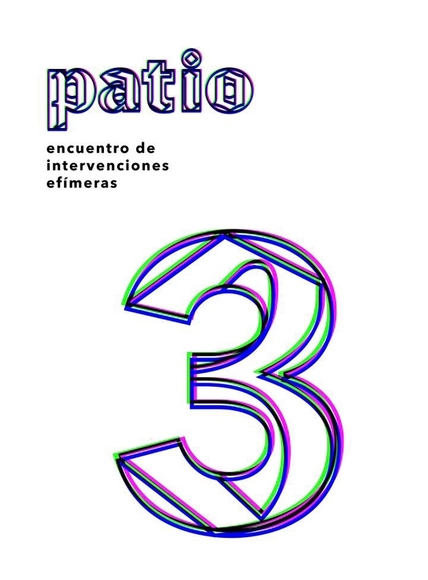
Patio. Encuentro de Intervenciones Efímeras, in collaboration with the National System of Art Creators of the Federal Ministry of Culture, the Ministry of Culture of the State of Puebla, Museos Puebla, the Municipal Institute of Art and Culture of Puebla, the Municipal Ministry of Economy and Tourism of Puebla, and the Office of the Historic Center and Cultural Heritage of the Municipality of Puebla, invites graphic, visual, and multidisciplinary artists, as well as architects—both established and emerging—to participate in the third edition of Patio Efímero.
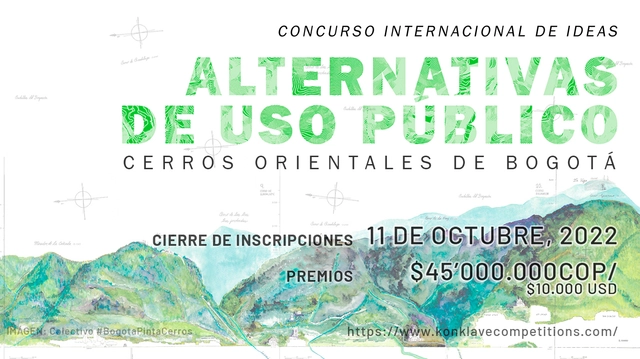
With the goal of reflecting on the relationship between the natural wealth of Bogotá's Eastern Hills and the city's dynamics, the call for entries for the International Ideas Competition: Public Use Alternatives is now open.
Patio. Encuentro de Intervenciones Efímeras, in collaboration with the National System of Art Creators of the Federal Ministry of Culture, the Ministry of Culture of the State of Puebla, Museos Puebla, the Municipal Institute of Art and Culture of Puebla, the Municipal Secretariat of Economy and Tourism of Puebla, and the Office of the Historic Center and Cultural Heritage of the Municipality of Puebla, invites artists from various disciplines, students, teachers, researchers, and the interested public to submit research for the third edition of Patio Académico.
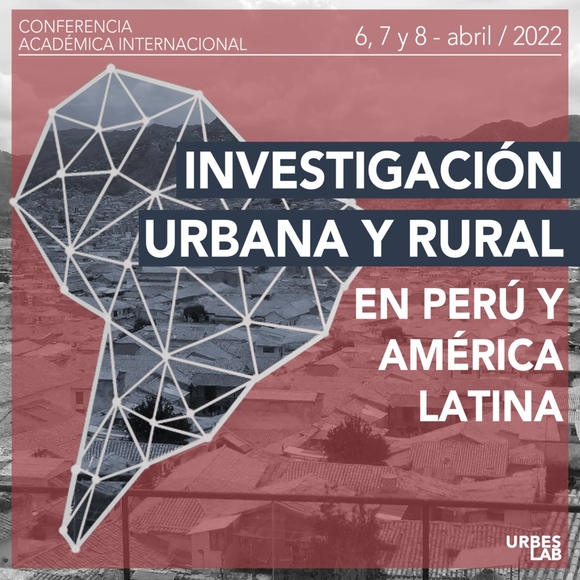
Conferencia Académica “Investigación urbana y rural en Perú y América Latina. Avances, retos y perspectivas”. Image Cortesía de URBES-LAB
From April 6 to 8, 2022, URBES-LAB—a multidisciplinary research center dedicated to the analysis and debate of the challenges surrounding the production of urban space in Peru and Latin America—will host the international academic conference "Urban and Rural Research in Peru and Latin America: Progress, Challenges, and Perspectives." The event aims to highlight the advancements and challenges within urban and rural research across the region.